Treestand Rules on Florida Public Land
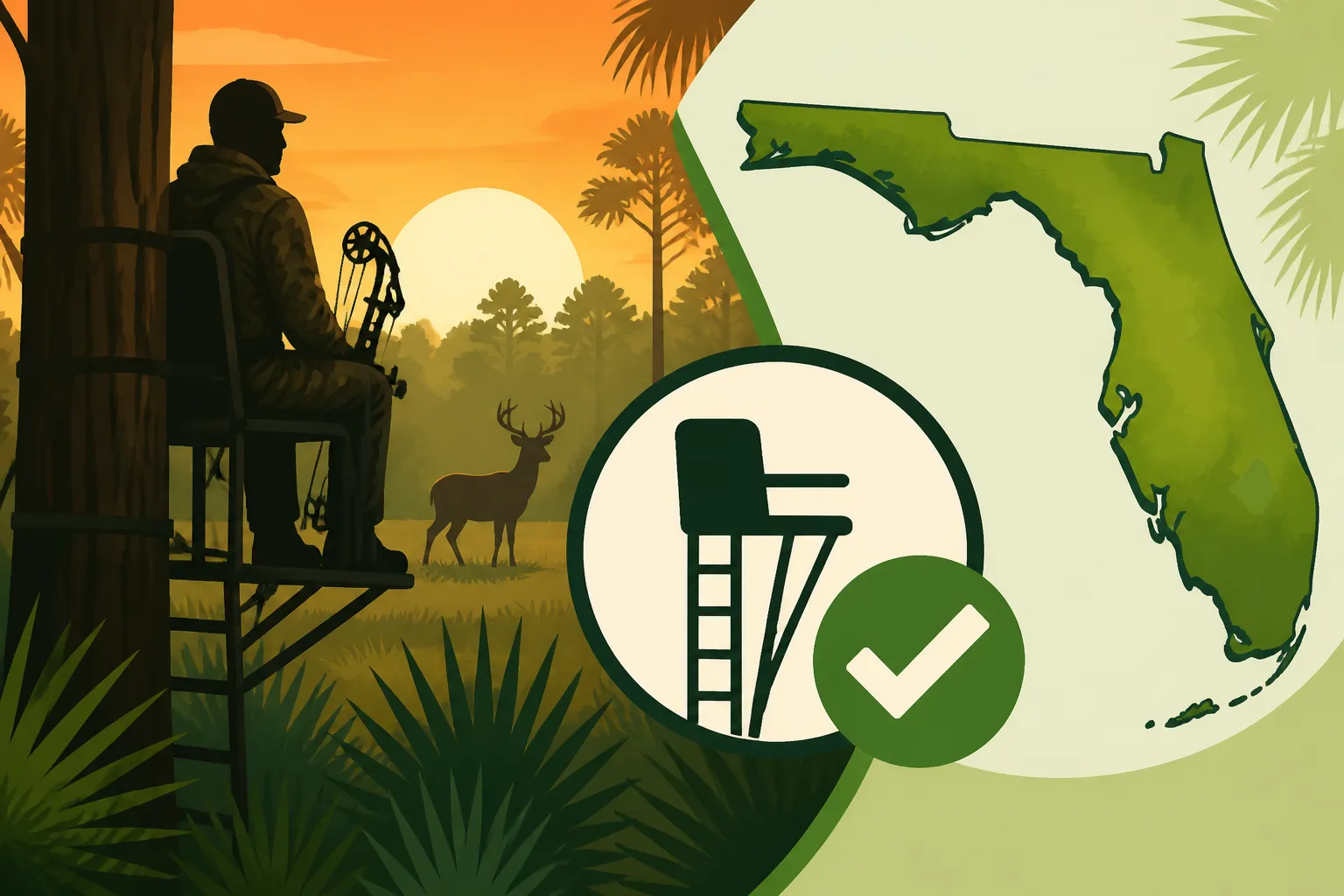
Hunting on Florida's public lands is an incredible experience, but it can also be a bit of a headache trying to keep all the rules straight, especially when it comes to setting up a treestand. It’s easy to feel overwhelmed by the sheer volume of regulations, leaving many hunters confused about what's allowed and what could land them in hot water. This guide aims to demystify the treestand rules on Florida public land, helping you stay compliant, safe, and effective in your hunting pursuits.
Understanding the Foundation: General FWC Treestand Regulations
When you venture out onto Florida's public lands, whether it's a sprawling Wildlife Management Area (WMA) or a vast National Forest, the Florida Fish and Wildlife Conservation Commission (FWC) sets the overarching guidelines. These aren't just suggestions; they are legally binding rules designed to manage hunter impact, ensure safety, and preserve the natural environment for everyone. Ignoring them, even accidentally, can lead to fines or the loss of hunting privileges, which is the last thing any of us want. The key is to understand the difference between temporary and permanent structures, and how to properly identify your gear.
Permanent vs. Temporary Structures
One of the most fundamental distinctions in treestand rules is between permanent and temporary structures. A permanent stand, by FWC definition, is something that's left up year-round, often built with lumber, metal, or other materials designed for long-term placement. Think of a ladder stand or a large box blind secured to a tree for seasons on end. These are almost universally prohibited on public lands in Florida. The reasoning is sound: permanent structures cause lasting damage to trees, can become safety hazards over time, and monopolize prime hunting spots, creating unfair access for other hunters.
Temporary stands, on the other hand, are generally allowed, provided they meet specific criteria. These include hang-on stands, climbing stands, and some lightweight ladder stands that are explicitly designed to be portable and removed after a certain period. The emphasis here is on minimal impact and temporary presence. While you might be able to leave a temporary stand up for a set duration, the expectation is that it will be taken down. This flexibility allows hunters to scout a good spot, set up, hunt, and then retrieve their gear, keeping the area open and natural for the next person or season. Always assume permanent structures are a no-go on any public land, unless you've thoroughly checked and found explicit, rare exceptions for specific, very limited areas.
Stand Identification and Labeling Requirements
So, you've chosen a temporary stand, which is a great start. But just putting it up isn't enough. Florida's FWC regulations often require that any treestand left on public land, even temporarily, must be clearly marked with your FWC customer number or hunting license number. This isn't about giving away your secret spot; it's about accountability. If a stand is found damaged, illegally placed, or left abandoned, the FWC needs to be able to identify its owner.
Think of it as putting your name on your school supplies. You wouldn't leave an expensive piece of equipment unattended without some form of identification, right? The same logic applies here. Use durable, waterproof tags or even engrave your number directly onto a non-critical part of the stand. While it might seem like an extra step, it helps prevent theft, ensures that if something goes wrong, you can be contacted, and demonstrates that you're a responsible hunter adhering to the rules. It’s a simple measure that protects both you and the resource.
When Can Stands Be Placed and Removed?
The timing of when you can put up and take down your treestand is critically important and varies by specific land management area. Generally, on WMAs, stands can only be placed a certain number of days before the archery season opener and must be removed within a specific timeframe after the close of the last hunting season for which they were used. This window is designed to prevent stands from becoming permanent fixtures and to ensure the land can be managed without obstructions outside of hunting seasons. For instance, some WMAs might allow stands to go up 10 days before archery season and require removal within 7 days of the close of general gun season.
It's crucial to consult the specific WMA regulations, often found in the hunt brochures or online through the FWC website or resources like Scouting Florida Public Land Before Season. Don't just assume. A friend's experience on one WMA might be completely different from another. Leaving a stand up too long can result in it being confiscated by FWC officers, and trust me, getting it back is a bureaucratic headache you don't want. The goal is to be a ghost: leave no trace that you were there once the season closes and your hunt is done.
Navigating Specific Public Land Rules
Florida's public lands are not a monolithic entity. They are managed by various agencies, each with its own set of nuanced rules that overlay the general FWC regulations. What's perfectly fine in a National Forest might be strictly prohibited in a state park, or even in an adjacent Wildlife Management Area. This variability is where many hunters trip up, assuming a blanket rule applies everywhere. It doesn't. You absolutely have to do your homework for the specific tract of land you intend to hunt.
Wildlife Management Areas (WMAs)
Wildlife Management Areas (WMAs) are the most common public hunting grounds in Florida, and they often have the most detailed and sometimes restrictive treestand rules. Each WMA typically has its own specific set of regulations, printed in an annual hunt brochure or available online. These brochures are your bible for that particular WMA. They will detail everything from approved hunting methods to vehicle access, and yes, very specific rules about treestands.
For example, many WMAs permit only portable treestands that do not require any nails, screws, or bolts to penetrate the bark of the tree. This means no screwing in steps or using certain types of stand attachments that bite deep into the tree. Your stand might also need to be removed daily, or within a specified number of days after your hunt. Some WMAs may even prohibit treestands entirely in certain sensitive areas or during specific hunt phases. I've seen areas where you can only use ground blinds, for example. Always, always check the individual WMA regulations before you even think about putting up a stand. Tools like onX Hunt are incredibly helpful here, not just for boundary lines, but because many of their land layers now incorporate direct links to WMA regulations, putting that critical information right at your fingertips. If you’re planning a hunt on a WMA, understanding the rules for Florida Wildlife Management Areas is paramount.
National Forests and State Forests
National Forests, like the Ocala and Apalachicola, and Florida's State Forests operate under their own set of rules, often managed by federal or state forestry divisions in cooperation with the FWC. While the FWC's general guidelines still apply, these areas might have slightly different interpretations or additional restrictions. For instance, Ocala National Forest Hunting and Apalachicola National Forest Hunting may have distinct regulations regarding stand placement and duration compared to a WMA.
A common rule in National Forests is the "no permanent alteration" clause. This means you can't cut branches, clear shooting lanes with a saw, or drive anything into a tree that will cause lasting damage. Screw-in steps, for example, are usually a big no-no. Instead, you'd need strap-on steps or climbing sticks that don't harm the tree. While temporary stands are generally permitted, the removal timelines might be more lenient than some WMAs, allowing them to remain through a longer hunting season, but still requiring removal before certain dates. Always check the specific forest's website or visitor center for their hunting regulations, which will often include a section on treestand use. The emphasis here is on preserving the forest ecosystem itself, so minimizing your footprint is key.
Special Use Areas and Quota Hunts
Beyond the general WMAs, National Forests, and State Forests, Florida has a variety of special use areas or specific hunt programs, such as quota hunts, where treestand rules can become even more granular. These areas often have higher hunting pressure or unique ecological considerations that necessitate tighter controls. For example, during a quota hunt, especially those with limited tags, you might find that only certain types of stands are allowed, or that stands must be erected and removed daily. The goal is often to prevent hunters from "claiming" prime spots days or weeks in advance, ensuring a fair chance for all participants in a limited-entry hunt.
Sometimes, in areas like portions of Hunting Florida's Green Swamp or designated wilderness sections, certain mechanical aids or equipment (including some treestand types) might be entirely prohibited to maintain a primitive hunting experience. It's not uncommon for rules to restrict stands to ground level in some areas to protect endangered species or delicate habitats. Before applying for or participating in any special use or quota hunt, scrutinize the specific regulations for that particular hunt. These details are almost always provided with the hunt application or permit information. Neglecting to read these specific rules can lead to immediate disqualification from the hunt and potential penalties.
Practical Considerations and Ethical Hunting
Beyond just following the letter of the law, there's an ethical component to using treestands on public land. Our actions reflect on all hunters, and we want to leave the woods better than we found them. This often means going above and beyond the minimum legal requirements to ensure we're not damaging the environment or creating problems for other users.
Minimizing Impact and Preventing Damage
When you're hanging a treestand, think about the long-term health of the tree and the surrounding habitat. Avoid stands that require permanent modification of the tree, such as drilling holes or screwing in steps. Instead, opt for strap-on steps or climbing sticks that cinch securely around the tree without piercing its bark. Even seemingly small holes can invite disease or insect infestation into a tree, weakening it over time.
Consider the material your stand is made from. Is it camouflaged to blend in, or will it be an eyesore? When you remove your stand, do you leave behind garbage like zip ties, flagging tape, or old ropes? Even small bits of plastic can degrade into microplastics and harm wildlife. The mantra for public land should always be "leave no trace." Your stand should be installed and removed in such a way that, once it's gone, no one can tell it was ever there. This includes packing out everything you brought in, even if it's just a candy wrapper or an empty water bottle. Finding Ground That Sees Fewer Hunters often involves leaving less sign.
Retrieving Stands After Season Closure
This is where many hunters run into trouble, especially after a long, tiring season. It's easy to push off retrieving your stand until the last minute, or worse, completely forget about it. However, the FWC and other land management agencies are very clear: stands must be removed by the specified deadline. If you fail to do so, you risk having your stand confiscated. And trust me, getting it back, if it's even still available, involves contacting the managing agency, potentially paying fees, and explaining your lapse in judgment. It's a hassle and an embarrassment.
Mark your calendar with the last possible retrieval date. Better yet, retrieve your stand a few days before the deadline, just in case unforeseen circumstances like bad weather or personal emergencies prevent you from getting out there. If you're hunting multiple areas, keep a log of which stand is where and its respective removal deadline. A good practice is to make stand removal part of your end-of-season ritual. It ensures compliance, keeps your gear safe, and maintains good standing with the FWC.
Safety and Responsibility Beyond the Rules
While regulations focus on compliance, personal responsibility for safety goes far beyond any rulebook. Always wear a full-body harness when ascending, descending, and while in your treestand. Accidents happen, even to experienced hunters, and a fall from a treestand can have devastating consequences. Make sure your stand is in good working order, inspect straps and cables regularly for wear and tear, and never exceed the manufacturer's weight limit.
Consider how your stand placement affects other hunters. While there are no specific rules about spacing on public land, placing your stand too close to another hunter's established spot is poor etiquette and can lead to confrontation and spoil both hunts. Use your hunting app like onX Hunt to scout satellite imagery and identify potential access points or areas where other hunters might be. Be mindful of property lines too; accidentally setting up on private land because you didn't verify boundaries is a common mistake that can have serious repercussions. The goal is to ensure not only your safety but also a respectful and enjoyable experience for everyone sharing the public lands.
Common Pitfalls and How to Avoid Them
Even with the best intentions, it's surprisingly easy to fall afoul of treestand regulations on public land. Many violations stem from simple oversight or a lack of detailed understanding of the specific rules for a given area. Being proactive and meticulous can save you a lot of grief.
Misinterpreting Boundary Lines
This is perhaps one of the most common and easily avoided mistakes. Florida's landscape can be deceptively uniform, and it's not always obvious where public land ends and private land begins, especially in areas with mixed ownership. Setting up a treestand, or even just hunting, on private land without permission is trespassing, a serious offense.
Relying solely on physical markers like old fences or faint paint blazes is a recipe for disaster. These can degrade over time, be misleading, or simply not exist. This is where modern mapping technology shines. Apps like onX Hunt are indispensable tools. They layer public and private land boundaries directly onto detailed satellite imagery, often showing property owner information. Before you ever step foot into a new area, use these tools to study the boundaries, identify potential access points, and plan your routes. When you're in the field, regularly check your GPS to confirm your location relative to those boundaries. It’s better to err on the side of caution and double-check than to find yourself in a legal bind. Reading Florida Public Land Boundary Signs can give you confidence, but technology is your best backup.
Overlooking Specific Area Regulations
As we discussed, Florida's public lands are a patchwork of management authorities, and each has its own rulebook. What's allowed on a National Forest might be strictly forbidden in a nearby WMA. Forgetting to check the specific regulations for the exact piece of property you're hunting is a massive pitfall. This includes rules regarding:
- Type of stand: Are only climbing stands allowed? Are hang-ons with screw-in steps prohibited?
- Duration of placement: Can stands be left overnight, or for the entire season, or must they be removed daily?
- Labeling: Is your FWC number required?
- Damage to trees: Can you trim branches? Are screw-in steps allowed?
| Public Land Type | Typical Treestand Rules | Placement/Removal | Marking Required | Common Prohibitions |
|---|---|---|---|---|
| Wildlife Management Area | Portable, non-tree damaging stands usually permitted. | Varies by WMA | Yes | Permanent stands, tree damage |
| National Forest | Portable stands, minimal tree impact (no screw-in steps). | Varies by Forest | Yes | Permanent stands, tree damage |
| State Forest | Portable stands, specific rules for tree modification. | Varies by Forest | Yes | Permanent stands |
| Special Use/Quota Area | Highly specific, may be more restrictive (e.g., daily removal). | Varies by Hunt | Yes | Varies greatly |
Always print or download the hunt brochure for your specific area. Read it thoroughly, paying special attention to the "General Regulations" and "Special Regulations" sections. A quick glance often isn't enough. Don't rely on what you heard from a buddy or what you did last year in a different county. Regulations can change annually, so always get the most current information.
Consequences of Non-Compliance
The penalties for violating treestand rules can range from a warning to significant fines, confiscation of your equipment, and even the loss of your hunting privileges. FWC officers patrol public lands regularly, and they are adept at spotting illegally placed stands or those causing undue damage. Imagine finding your carefully chosen stand gone, only to discover it's been confiscated, and you're now facing a fine that could have bought you a new stand. That's a gut punch no hunter wants to experience.
Beyond the legal ramifications, there's the ethical cost. When hunters disregard regulations, it creates a negative perception of all hunters. This can lead to increased restrictions on public land access and stricter rules for everyone down the line. We, as hunters, are stewards of the land and responsible users of a privilege. Adhering to the rules is not just about avoiding penalties; it's about preserving our hunting heritage and ensuring that these opportunities remain for future generations. Be diligent, be responsible, and always double-check the rules for your chosen hunting spot.
Disclaimer
This article is for general informational purposes only and does not constitute professional advice. Laws, prices and regulations vary by location and change over time. Consult a qualified professional for guidance on your specific situation.