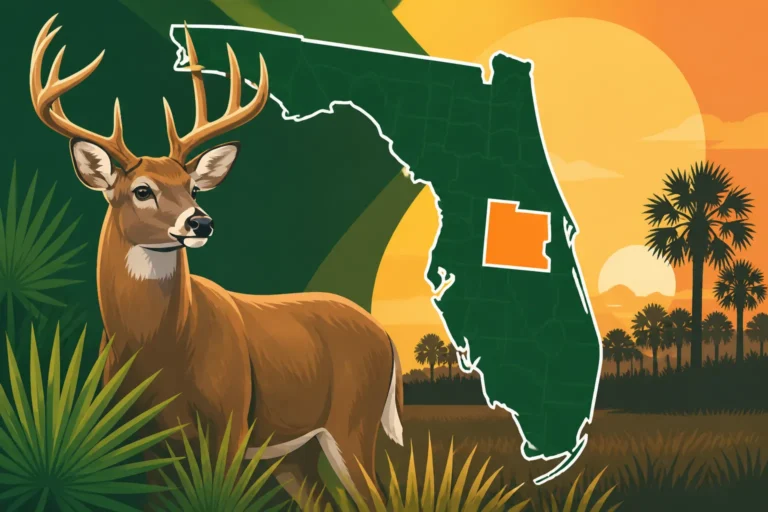
Alachua County Public Land Access
Trying to find public hunting land in Alachua County can feel like searching for a needle in a palmetto patch if you don't know where to start. With much of this central Florida county being private timberland or ranch operations, public access isn't always obvious, leading to frustration for many hunters. This comprehensive guide will walk you through the available public land opportunities within and near Alachua County, detailing how to find them, what you need to know for access, and how to maximize your hunting success.
Understanding Alachua County's Public Hunting Landscape
Alachua County, nestled in the heart of north-central Florida, offers a diverse mix of habitats ranging from vast pine forests and oak hammocks to cypress swamps and open prairies. While it might not have the sprawling, unbroken tracts of public land found in some other parts of the state, it certainly presents unique opportunities for the diligent hunter. The key is understanding where these pockets of public access exist and how to navigate them effectively.
Geographical Overview and Unique Habitats
Alachua County sits right in Florida's Zone C for deer, meaning its hunting seasons follow specific dates that can be quite different from zones to the north or south. The landscape here is a mosaic, influenced by the Gainesville urban footprint but quickly transitioning into rural agricultural lands and natural areas. You'll find significant karst topography, leading to sinkholes and unique hydrology, alongside the more typical flatwoods and wetlands. This varied terrain means a variety of game species thrive here, from whitetail deer that adapt to dense cover to robust populations of feral hogs.
The county's soil composition also plays a role. You'll encounter sandy uplands that support longleaf pine and turkey oak, providing crucial mast crops in good years. Then, you'll drop into lower elevations with rich, dark soil that nurtures expansive oak hammocks, a deer hunter's dream during acorn drop. Water is also a defining feature, with numerous lakes, rivers, and wetland systems providing habitat for waterfowl and alligators, though the focus for most public land hunting in this area tends to be deer, hogs, and turkeys.
Key Game Species to Target
When you're looking at public land hunting in Alachua County, you're primarily thinking about deer, hogs, and turkeys. While small game like squirrel and rabbit are also present, and migratory birds like dove pass through, the larger game draw the most attention.
White-tailed deer in this region are known for their adaptability. They might not always reach the massive body sizes or antler scores you see in some northern states, but they are challenging to hunt in the thick Florida cover. Understanding their patterns and preferred food sources, which often shift with the seasons, is crucial. You can learn more about White-Tailed Deer Across Florida in our detailed guide. Feral hogs are abundant and provide year-round hunting opportunities, often without bag limits on private lands and with generous regulations on public tracts. They're a fantastic resource for meat and an exciting hunt. Feral Hogs Across Florida has even more information on these wily animals. For turkey hunters, Alachua County falls within the range of the renowned Osceola turkey, making it a prime destination for those looking to complete a Grand Slam. These birds are legendary for their elusiveness and intelligence, offering a true challenge. Learn about their habits in Osceola Turkeys in Peninsular Florida.
Navigating Alachua's Public Hunting Opportunities
While Alachua County itself might not boast a single, massive National Forest, it is surrounded by or contains several excellent public hunting opportunities, mainly in the form of Wildlife Management Areas (WMAs) managed by the Florida Fish and Wildlife Conservation Commission (FWC). These areas offer diverse hunting experiences, but they also come with specific rules and regulations.
Primary Public Hunting Areas Near Alachua County
When we talk about public hunting in and around Alachua, a few WMAs immediately come to mind. These are often the best bets for consistent access and healthy game populations. Each WMA has its own character and rules, so always check the specific regulations before heading out.
- Watermelon Pond Wildlife Management Area: Located right in Alachua County, Watermelon Pond is a relatively smaller WMA but offers good opportunities. It's known for a mix of pine flatwoods and cypress swamps, providing habitat for deer, hogs, and some turkeys. Access can be limited to specific periods, often through quota hunts or general gun seasons. Because it's smaller and closer to population centers, it can see pressure, so early scouting and understanding deer movement patterns in more secluded spots is key.
- Lochloosa Wildlife Management Area: Just to the southeast of Gainesville, Lochloosa WMA is a much larger tract, centered around the beautiful waters of Lochloosa Lake. This WMA offers a more expansive experience with diverse habitats, including extensive swamps, hydric hammocks, and uplands. It's a fantastic spot for deer and hogs, and the swamp edges can hold some impressive turkey populations. Given its size, you can often find less pressured areas if you're willing to walk a bit. Access is typically for general gun and archery seasons, but always confirm dates and rules.
- Goethe State Forest WMA: While primarily in Levy and Marion counties, Goethe State Forest WMA is easily accessible from Alachua and offers significant hunting opportunities. It's characterized by its expansive sandhills and flatwoods, with longleaf pine restoration efforts providing excellent habitat. This WMA is well-known for its deer and turkey hunting, and hogs are also present. Like many WMAs, it operates under a mix of general gun and quota hunt systems, which you'll need to research well in advance. For more general information about these public areas, refer to our guide on Florida Wildlife Management Areas.
Understanding Quota Versus General Gun Seasons
A critical distinction for hunting Florida's public lands, including those near Alachua County, is the difference between "quota hunts" and "general gun" seasons. Misunderstanding this can lead to a wasted trip or even a citation.
Quota hunts are exactly what they sound like: a limited number of hunters are drawn via a lottery system to participate in specific hunts on certain dates. This is done to manage hunting pressure and ensure a quality experience. Many of the most sought-after WMA hunts, especially for prime deer or turkey seasons, are quota hunts. You have to apply months in advance, often through the FWC's online system, and hope your name is drawn. For these, success is partly about luck in the draw, but also about preparing diligently once you get a tag.
General gun seasons, on the other hand, are open to any licensed hunter on a first-come, first-served basis, up to the area's capacity. While you still need the appropriate licenses and permits, you don't need to be drawn in a lottery. These hunts can sometimes see higher pressure, especially on opening weekends. However, if you're willing to scout thoroughly and get away from easy access points, you can often find unpressured game. Always check the specific WMA regulations for the area you plan to hunt to confirm whether it's a quota area, a general gun area, or a mix of both for different species or seasons.
Preparing for Your Hunt: Permits, Planning, and Navigation
Hunting public land successfully in Alachua County, or anywhere in Florida, requires more than just knowing where the land is. It demands proper planning, the right permits, and effective navigation tools. Don't underestimate the details; they can make or break your trip.
Required Permits and Licenses
Before you even step foot in the woods, you need to make sure your paperwork is in order. Every hunter needs a valid Florida hunting license. For WMAs, you'll almost certainly need a Florida WMA Management Area Permit in addition to your base license. Depending on what you're hunting, you might also need specific stamps, such as the Deer Permit, Turkey Permit, or a Florida Migratory Bird Permit if you're after dove or ducks.
It’s crucial to understand that these permits and licenses have associated costs and validity periods. You can usually purchase them online through the FWC website or at licensed agents. Make sure to carry proof of your licenses and permits while hunting, whether that's a physical copy or stored digitally on your phone via the FWC app. Also, if you're a new hunter or haven't taken a course, remember your Florida Hunter Education Requirements.
Using Mapping Apps for Scouting and Navigation
Gone are the days when a paper map and compass were your only navigational aids – though it's still wise to carry them as a backup! Today, digital mapping applications like onX Hunt are invaluable for public land hunters. These apps overlay property boundaries, public land designations, and even habitat features onto satellite imagery, allowing you to clearly see where you can and cannot hunt.
For Alachua County, an app like onX Hunt is a game-changer. You can scout from home, identifying potential access points, dense cover where deer might bed, water sources, and food plots or mast-producing trees. When you're in the field, it uses your phone's GPS to show your exact location relative to property lines, preventing accidental trespass – a huge concern when hunting areas bordered by private land. Features like marking waypoints for rubs, scrapes, or good stand trees become indispensable tools. For a deeper dive into how these tools work, check out onX Layers for Florida Land Status. Even if you plan to hunt without cell service, many of these apps allow you to download maps for offline use, which is critical in remote parts of WMAs. This can be a lifesaver, especially when you consider Using the FWC App Without Cell Service to complement your other digital tools.
Effective Scouting Strategies
Scouting is paramount for success on public land. It allows you to identify game sign, understand terrain, and locate unpressured areas. For Alachua County WMAs, this might involve:
- Aerial Photo Analysis: Before you even leave the house, spend time with satellite imagery. Look for changes in vegetation, bottlenecks, natural funnels between different habitat types, and distinct features like creek bottoms or old logging roads. Reading Aerial Photos for Florida Deer can give you an edge here.
- Boots on the Ground: Nothing beats physically walking the terrain. Look for deer tracks, droppings, rub lines, and active scrapes. In Florida, deer and hog sign can be abundant, so differentiating fresh, active sign from old, stale sign is a learned skill. Pay attention to how game moves through different cover types.
- Trail Cameras (where allowed): If WMA rules permit, trail cameras can provide invaluable intelligence on game movement patterns, preferred travel corridors, and the specific animals inhabiting an area. Always check regulations regarding their use, as some WMAs have restrictions.
- E-Scouting with onX Hunt: Use your mapping app to identify potential bedding areas, feeding areas, and travel routes. Mark these points digitally, and then confirm them with boots on the ground. This combination of digital and physical scouting saves time and increases your efficiency.
Tactics and Considerations for Alachua County Public Land
Public land hunting, particularly in a state like Florida, comes with its own set of challenges and rewards. Understanding how game behaves under pressure and adapting your tactics accordingly will significantly improve your chances of success in Alachua County.
Dealing with Hunting Pressure and Finding Secluded Spots
It's no secret that public land, especially WMAs closer to population centers, can experience significant hunting pressure. This pressure makes game, particularly mature deer and savvy turkeys, incredibly wary. They learn quickly to avoid easy access points and predictable patterns.
To counter this, you need to be willing to work harder than the next hunter. This often means walking further, penetrating deeper into dense cover that others avoid, or even considering unconventional access routes (where legal and safe). Look for overlooked corners of the WMA – areas that are difficult to reach due to water, thick palmetto, or long, dry walks. These are often the places where older bucks will seek refuge. Remember, deer drives with a small group of hunters can be effective in pushing deer out of these thickets, but always be mindful of other hunters and WMA safety rules. Utilizing digital mapping tools like onX Hunt, you can often identify these "pockets" that are harder to get to, but might hold less pressured game.
Respecting Boundaries and Ethical Hunting
When hunting public land that often borders private property, respecting boundaries isn't just a courtesy; it's a legal requirement. Accidental trespass can lead to severe penalties, damage your reputation, and reflect poorly on all hunters. Always use your mapping tools, like onX Hunt, to be absolutely sure of your location relative to property lines. Look for posted signs, painted trees, or fence lines that delineate boundaries.
Beyond legal boundaries, ethical hunting practices are paramount. This includes proper game recovery, leaving no trace behind, and respecting other users of the public land. Florida Public Land Hunting Hours are typically well-defined, and respecting those as well as avoiding unnecessary noise or disturbance are part of a shared outdoor experience. Always report your harvest as required; for deer, this usually involves online reporting via the FWC website or app, as detailed in Florida Deer Reporting Requirements.
Table: Overview of Key Public Hunting Considerations for Alachua County
| Aspect | Quota Hunts | General Gun Hunts |
|---|---|---|
| Access Method | Lottery drawing, must apply in advance | First-come, first-served (within capacity limits) |
| Pressure Level | Generally lower, controlled number of hunters | Can be higher, especially on opening days/weekends |
| Application | Required, often several months prior | Not typically required, but check WMA for specific rules |
| Permits Needed | Base license, Deer/Turkey Permit, WMA Permit (if applicable), drawn quota permit | Base license, Deer/Turkey Permit, WMA Permit |
| Season Dates | Specific to the drawn hunt, usually fixed dates | Follows established WMA calendar for general season |
| Strategic Advantage | Less competition, potentially higher quality experience | Flexibility, but requires more effort to find solitude |
Making the Most of Your Alachua County Public Land Hunt
Hunting public land in Florida is a fantastic challenge, and Alachua County offers some excellent opportunities if you approach it with the right mindset and preparation. It's about being adaptable, understanding the local environment, and putting in the effort.
Ultimately, successful public land hunting in Alachua County boils down to thorough preparation and persistence. Don't get discouraged if you don't find a monster buck or a booming gobbler on your first few trips. Learn from each outing, adapt your strategy, and enjoy the unique experience that Florida's diverse habitats offer. Whether you're chasing the elusive Osceola or a hefty public land hog, the thrill of the hunt on these accessible lands is well worth the effort.
Disclaimer
This article is for general informational purposes only and does not constitute professional advice. Laws, prices and regulations vary by location and change over time. Consult a qualified professional for guidance on your specific situation.