Booking a Deer and Waterfowl Combo Hunt
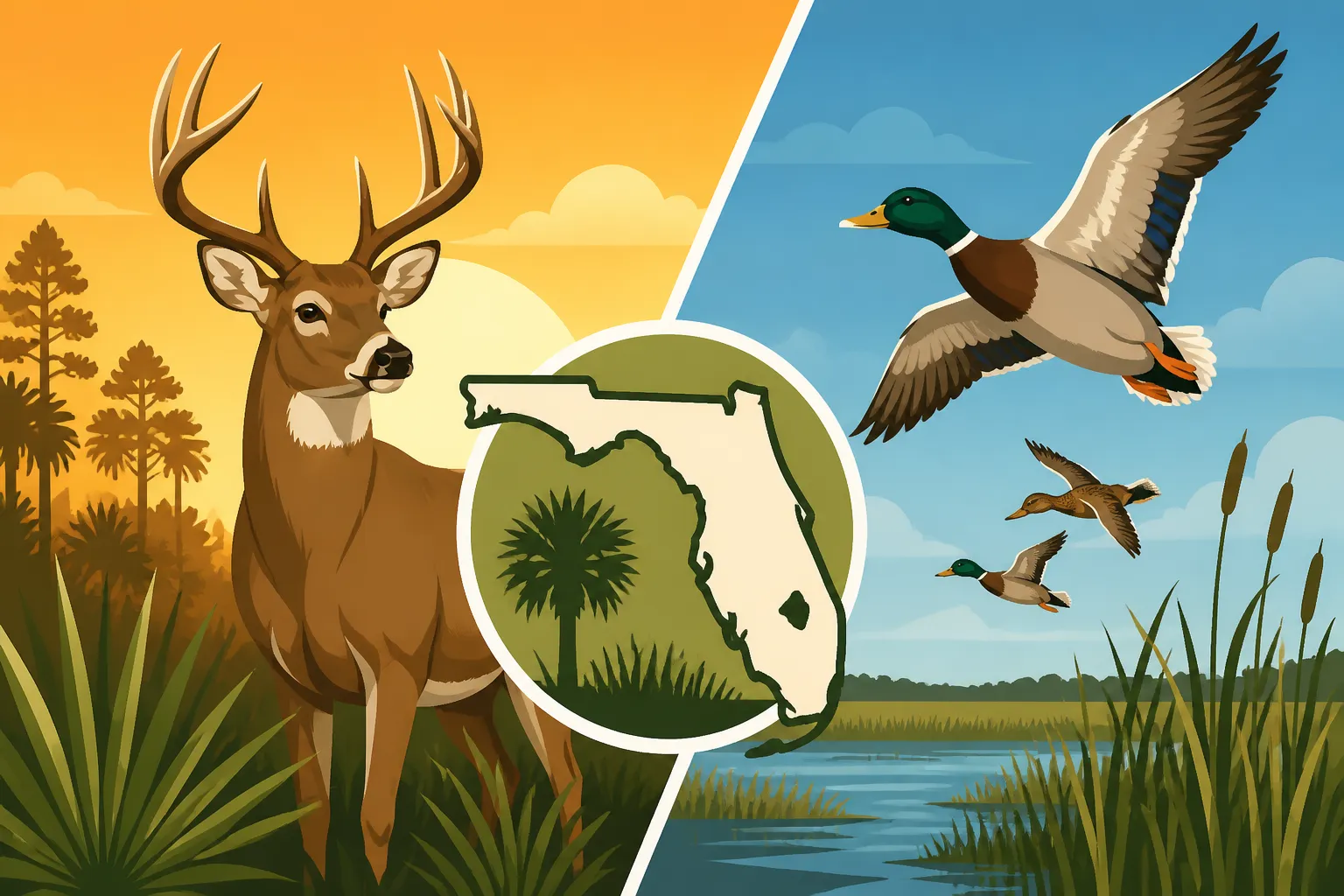
It's a dream for many hunters: the chance to pursue two completely different but equally thrilling game species on the same trip. In Florida, combining a deer hunt with a waterfowl hunt can offer an incredible, diverse experience, but it’s a logistical puzzle that often leaves hunters scratching their heads about how to make it all work. This guide will walk you through the ins and outs of planning, booking, and executing a successful deer and waterfowl combo hunt in the Sunshine State, so you can turn that dream into a reality.
The Unique Appeal and Complexities of a Florida Combo Hunt
There’s something undeniably special about spending the crisp morning mist watching wood ducks dive into a cypress slough, only to transition to stalking a wary whitetail buck through a palmetto flat in the afternoon. Florida's incredibly diverse ecosystems, from the vast marshes of the Everglades to the pine forests of the Panhandle, actually offer the unique potential for such a dual-species adventure. However, realizing this vision is far from straightforward. It’s not simply about finding a place with both deer and ducks; it’s about aligning seasons, understanding habitat needs, and mastering two very different hunting approaches.
Why a Combo Hunt is So Appealing
For many of us, hunting is about immersion in nature and the challenge of the chase. A combo hunt doubles that experience. You're engaging with two distinct environments and two entirely different sets of skills. Deer hunting often demands stealth, patience, and tracking, while waterfowl hunting requires setup, calling, and reading the flight patterns of fast-moving birds. The sheer variety keeps things exciting, and it maximizes your time in the field, which is especially appealing for hunters traveling a long distance. Imagine capping off a morning goose hunt with a successful deer stalk, or vice versa. It’s a full day of action and connection to the wild.
The Inherent Logistical Hurdles
While the appeal is strong, the logistical hurdles are significant. First and foremost, you're dealing with different species that have distinct habitat requirements and, crucially, different hunting seasons and regulations. Florida's deer seasons are split into four zones—A, B, C, and D—each with its own opening and closing dates, as well as specific weapon types allowed during various phases. Waterfowl seasons, while also regulated by state, are subject to federal migratory bird treaties, meaning their dates can be quite specific and often don't perfectly overlap with prime deer hunting windows across all zones.
Then there's the equipment. A deer hunter needs a rifle, shotgun (for slugs), or archery gear, appropriate camouflage for the woods, and usually calls like grunt tubes or rattling antlers. A waterfowl hunter needs a shotgun (often a different gauge or choke preference than deer slug guns), waders, decoys, calls, and specialized marsh camo. Bringing all this gear, plus the necessary clothing for potentially varying weather conditions, can be a monumental task. The challenges are real, but with careful planning, they are absolutely surmountable.
Deep Diving into Florida's Seasons and Regulations
Successfully executing a deer and waterfowl combo hunt in Florida hinges almost entirely on understanding the state's diverse hunting zones and migratory bird seasons. You can’t just pick a week; you have to find the sweet spot where both opportunities converge.
Understanding Florida's Deer Zones and Seasons
Florida is unique in its deer management approach, dividing the state into four distinct zones to account for variations in habitat, climate, and deer rutting periods. This means the best time to hunt deer in the Panhandle (Zone D) is often completely different from the peak rut in South Florida (Zone A).
- Zone A (South Florida): Generally the first to open and the first to close, with an early rut.
- Zone B (Central Florida): A bit later than Zone A, with a more traditional fall rut.
- Zone C (North Central Florida): Similar to Zone B, but often with slightly later dates.
- Zone D (Panhandle): The latest to open and close, often extending into February, with a late rut that can happen well into winter.
For a combo hunt, Zone D in the Panhandle might offer some of the best potential for overlap, as its deer season extends later into the year, potentially coinciding with the main waterfowl season that typically runs from November through January or even into early February. You’ll want to research specific dates carefully, as they can shift slightly year to year. For a deep dive into specific zone regulations, check out Florida's Four Deer Management Zones Explained.
Navigating Florida's Waterfowl Seasons
Waterfowl hunting in Florida is part of the Atlantic Flyway, and seasons are generally divided into an early teal season, and then the main duck and goose season. The main season often has split dates, meaning there might be an early segment, a break, and then a longer late segment.
- Early Teal Season: Typically in September, offering fast-paced action on blue-winged teal. However, this often falls outside most general deer seasons.
- Main Duck and Goose Season: Usually opens in November and runs through January, sometimes with a break in between. This is your prime window for combining with deer, especially in zones with later deer seasons like Zone D. Common species include wood ducks, mottled ducks, ring-necked ducks, and various diving ducks. You'll also find opportunities for geese, though less common than ducks.
Keep in mind that Florida's waterfowl hunting isn't always about massive migrations like in the Midwest. Often, it's about resident birds and those that spend the winter in Florida's vast marshes and swamps. Understanding Florida Waterfowl Season and Zones is crucial.
Essential Licenses and Permits
Don't forget the paperwork! For a deer and waterfowl combo hunt, you'll need several licenses:
- Florida Hunting License: This is your base license, whether resident or non-resident.
- Deer Permit: Often included with the base license, but confirm.
- Migratory Bird Permit (HIP Certification): Required for hunting ducks, geese, doves, and other migratory birds.
- Federal Duck Stamp: A physical stamp you must sign and carry.
- Florida Waterfowl Permit: An additional state permit specific to waterfowl.
- Wildlife Management Area (WMA) Permit: If you plan to hunt on any of Florida's extensive WMA system, which is common for both deer and waterfowl.
The requirements can seem like a lot, but they're all necessary to stay legal. You can typically purchase these online through the FWC website or at local retailers. It's always best to get these well in advance of your trip. Don't show up without your Florida Hunting Licenses and What They Cost and all the relevant endorsements.
Finding the Perfect Outfitter for a Dual-Species Hunt
This is where the rubber meets the road. Finding an outfitter who can genuinely deliver a quality deer and waterfowl combo hunt is challenging because it requires expertise and access to vastly different types of habitat.
The Specialized Needs of a Combo Outfitter
A good outfitter for a combo hunt isn't just a deer guide who also happens to own a duck call, or vice versa. They need to have:
- Dual Expertise: Knowledge of deer behavior, habitat, and proven hunting methods, and extensive experience with waterfowl species, decoy spreads, calling, and marsh navigation.
- Diverse Land Access: They must control or have access to land that holds good populations of both deer and waterfowl. This usually means diverse tracts of land, perhaps a mixture of pine forests or oak hammocks adjacent to flooded timber, marshlands, or agricultural fields.
- Dedicated Equipment: They need the right gear for both: deer stands, ground blinds, ATVs for deer recovery, and duck blinds, boats, waders, and decoys for waterfowl.
- Proper Licensing: Ensure they are fully licensed and insured to guide for both species in Florida. Don't be shy about asking to see proof.
Vetting Potential Guides: Key Questions to Ask
When you start contacting outfitters, don't just ask about one species. Be very clear that you're looking for a combo hunt. Here are some critical questions:
- "What specific deer zones do you operate in, and what are your prime deer hunting dates that overlap with peak waterfowl season?" This will help you narrow down the geographic area and time frame.
- "Do you guide for both deer and waterfowl on the same property, or do you have different locations for each?" Understanding their land management helps you visualize the logistics. If it's different locations, ask about travel time between them.
- "What kind of deer hunting methods do you employ? (e.g., still-hunting, stand hunting over food plots, dog hunting if allowed for hogs but not deer, etc.)" And for waterfowl, "What are your typical setups? (e.g., flooded timber, marsh blinds, rice fields, jump-shooting?)" This ensures their style aligns with your preferences.
- "What are your typical success rates for both deer and waterfowl on these combo hunts?" Ask for references from clients who have done combo hunts with them. Platforms like BookYourHunt or GoHunt can be great resources for finding outfitters and reading reviews, but always follow up with direct conversations and reference checks.
- "What's included in the combo package? (e.g., lodging, meals, licenses, weapons, ammunition, decoys, waders, processing, taxidermy prep)." Be very clear about what costs are covered and what you need to bring or pay for separately. What's Included in an Outfitted Package Hunt can vary wildly.
- "What happens if weather impacts one part of the hunt? (e.g., a cold front pushes ducks out, or heavy rain impacts deer movement)." A good outfitter will have a contingency plan.
- "Can you send me a sample itinerary for a 3-day combo hunt?" This helps you understand how they manage time between the two pursuits.
You're looking for an outfitter who doesn't just tolerate the idea of a combo hunt but actively excels at it, demonstrating a deep understanding of both species and the logistics involved. Don’t hesitate to use online platforms to research and cross-reference. You might find guides specifically advertising these types of packages.
Private Land Versus Public Land for Combo Hunts
While Florida has extensive public lands, attempting a deer and waterfowl combo hunt entirely on public land can be incredibly complex.
- Public Land Challenges: Many WMAs (Wildlife Management Areas) require specific quota permits for deer, which are often drawn months in advance and may not align with waterfowl seasons. Waterfowl hunting on public land also often requires separate permits or specific access points. The sheer effort of scouting, setting up, and retrieving game for both species across potentially large, diverse public tracts, without a dedicated guide, is a monumental undertaking. You're also competing with more hunters. Learning to Scouting Florida Public Land Before Season is crucial even for a single species, let alone two.
- Private Land Advantages: This is where outfitters truly shine for combo hunts. They’ve secured exclusive access to private properties that are managed for both deer and waterfowl. This could be large ranches with diverse habitats, timber companies with managed forests and wetlands, or even agricultural operations where deer browse and ducks feed. On private land, the outfitter controls the access, can manage hunting pressure, and often has permanent blinds or stands strategically placed for both species. This greatly simplifies the logistics for you as the hunter.
It's highly recommended for a combo hunt, especially if you're a non-resident or unfamiliar with Florida, to lean heavily on private land outfitters. While the upfront cost will be higher than a DIY public land trip, the vastly increased odds of success and the simplified logistics make it worth the investment.
Preparing for Your Dual-Species Adventure
Once you’ve booked your hunt, the preparation begins. This isn’t just about packing a bag; it's about making sure you’re ready for two distinct challenges.
Assembling Your Gear
A combo hunt means packing for two seasons, potentially doubling your gear.
| Item Type | Deer Hunting Gear | Waterfowl Hunting Gear | Shared Items |
|---|---|---|---|
| Weapons | Rifle, Shotgun (for slugs), Muzzleloader, or Bow/Crossbow | Shotgun (12 or 20 gauge recommended) | Cleaning kit, Ammunition for both |
| Ammunition | Appropriate caliber/gauge for deer | Steel shot (non-toxic shot is mandatory for waterfowl) | |
| Optics | Binoculars, Rangefinder | ||
| Clothing | Camouflage (woodland pattern), Blaze Orange (required during gun season), Layered clothing for varying temps | Camouflage (marsh/waterfowl pattern), Waders (chest waders often ideal), Layered clothing for cold/wet conditions | Rain gear, Insulated boots |
| Accessories | Deer calls (grunt tube, rattling antlers), Knife, Headlamp, Game cart/drag (if self-guided) | Duck/Goose calls, Decoys (if self-guided/semi-guided), Dog stand (if hunting with dog) | First-aid kit, GPS/Navigation, Water, Snacks, Cooler |
| Licenses | Base Hunting License, Deer Permit | Migratory Bird Permit (HIP), Federal Duck Stamp, Florida Waterfowl Permit | Proof of all licenses (digital/physical) |
The key is versatility and durability. Florida weather can be unpredictable, swinging from cool mornings to warm afternoons, and rain can pop up anytime. Good quality rain gear is non-negotiable.
Physical and Mental Readiness
Both deer and waterfowl hunting require different types of physical exertion. Deer hunting in Florida might involve still-hunting through thick palmetto scrub, walking sandy roads, or long sits in a stand under the sun. You need to be ready for heat, humidity, and navigating dense cover. Still-Hunting Florida Palmetto Flatwoods can be a real workout.
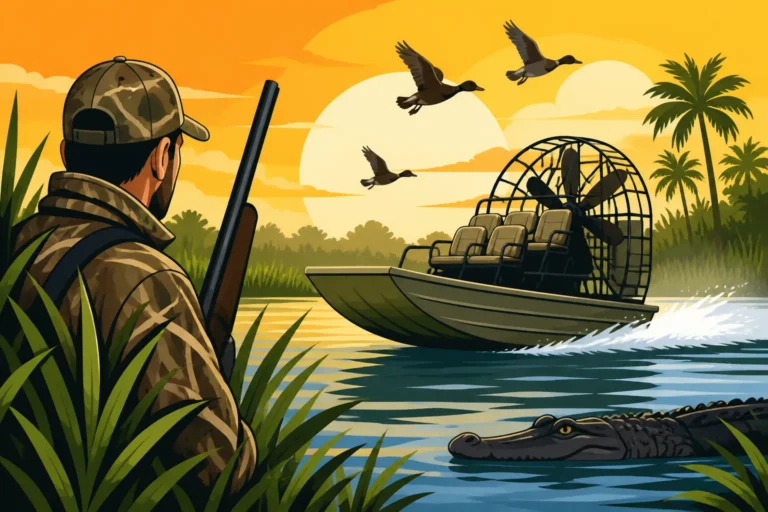
Waterfowl hunting, especially in marshes or swamps, can involve slogging through mud and water, setting and retrieving decoys, and standing in cold water for extended periods. Even airboat access often means a bit of a hike into the blind. Building up your stamina and having appropriate footwear (waders are essential) will make a huge difference.
Mentally, be prepared for variety. You might spend a quiet morning in a deer stand, followed by a high-energy duck shoot. It's about adapting quickly to different scenarios and embracing the shift in focus.
Managing Expectations for Success
It’s important to have realistic expectations. While the dream of bagging a buck and a limit of ducks on the same trip is exhilarating, it's not always guaranteed, especially when you're splitting your time and energy.
- Prioritize: Decide which species is your primary goal. Is it an Osceola turkey (if applicable during your dates) or a Florida whitetail, with ducks as a bonus? Or vice versa? Communicate this to your guide so they can help structure your days effectively.
- Flexibility: Be flexible with your schedule. If the deer aren't moving due to weather, but the ducks are flying, be willing to shift your focus. A good outfitter will advise you on the best opportunities each day.
- Enjoy the Experience: Even if you don't fill every tag, the experience of hunting two diverse species in Florida's unique environment is rewarding in itself. Soak in the sights and sounds of the cypress swamps and pine forests.
Booking a deer and waterfowl combo hunt in Florida is a fantastic way to experience the state's rich hunting heritage. With thorough research, careful vetting of outfitters, and diligent preparation, you'll be well on your way to a memorable adventure. Good luck out there!
Disclaimer
This article is for general informational purposes only and does not constitute professional advice. Laws, prices and regulations vary by location and change over time. Consult a qualified professional for guidance on your specific situation.