Florida’s Four Deer Management Zones Explained
You know, hunting in Florida can feel like you need a law degree just to understand the regulations. With its sprawling landscapes and diverse ecosystems, the Sunshine State has ingeniously, and sometimes bewilderingly, divided its deer hunting opportunities into four distinct zones. This can be a real headache when you're trying to figure out where and when you can hunt, especially if you're used to more uniform statewide rules. This comprehensive guide is here to untangle the complexities of Florida's four deer management zones—A, B, C, and D—providing you with the critical insights needed to plan your next successful hunt, no matter which corner of the state calls to you.
Understanding Florida's Deer Management Zones: An Overview
Florida is a long, narrow state with a unique blend of subtropical and temperate climates, which means deer behavior, rut timing, and habitat conditions vary wildly from the Panhandle down to the Everglades. Recognizing this ecological diversity, the Florida Fish and Wildlife Conservation Commission (FWC) established a zone system to better manage deer populations and provide hunting seasons that align with local biological patterns. This isn't just bureaucratic red tape; it's a genuine attempt to match hunting pressure with the natural rhythms of the deer herd in different regions. Trying to apply a one-size-fits-all season across such a varied state simply wouldn't work, leading to either underharvest or overharvest in different areas.
The Rationale Behind Zone Divisions
The primary reason for dividing Florida into distinct deer management zones boils down to deer biology, specifically the timing of the breeding season, or rut. Unlike many northern states where the rut is fairly synchronized statewide, Florida's deer rut can vary by several months from north to south. Deer in the southern part of the state, particularly in Zone A, often begin their rut as early as July and August, while deer in the Panhandle (Zone D) typically rut much later, often in October and November, sometimes even into December. These differences are largely driven by photoperiod (day length), genetics, and environmental factors like nutrition and rainfall. Without zoned regulations, hunters would either be pursuing deer during times of low activity or missing prime opportunities altogether, leading to less effective management and potentially frustrated hunters.
Moreover, habitat types and population densities play a significant role. Northern Florida, with its more traditional pine forests and agricultural fields, supports different deer densities and behaviors compared to the vast palmetto flats and cypress swamps of the central and southern regions. By creating zones, the FWC can tailor bag limits, season lengths, and even weapon choices to reflect these localized conditions. This allows for more precise management, ensuring healthy deer populations while still providing ample hunting opportunities. It’s a delicate balance, and these zones are the FWC's way of maintaining that equilibrium.
Geographic Boundaries and Key Characteristics
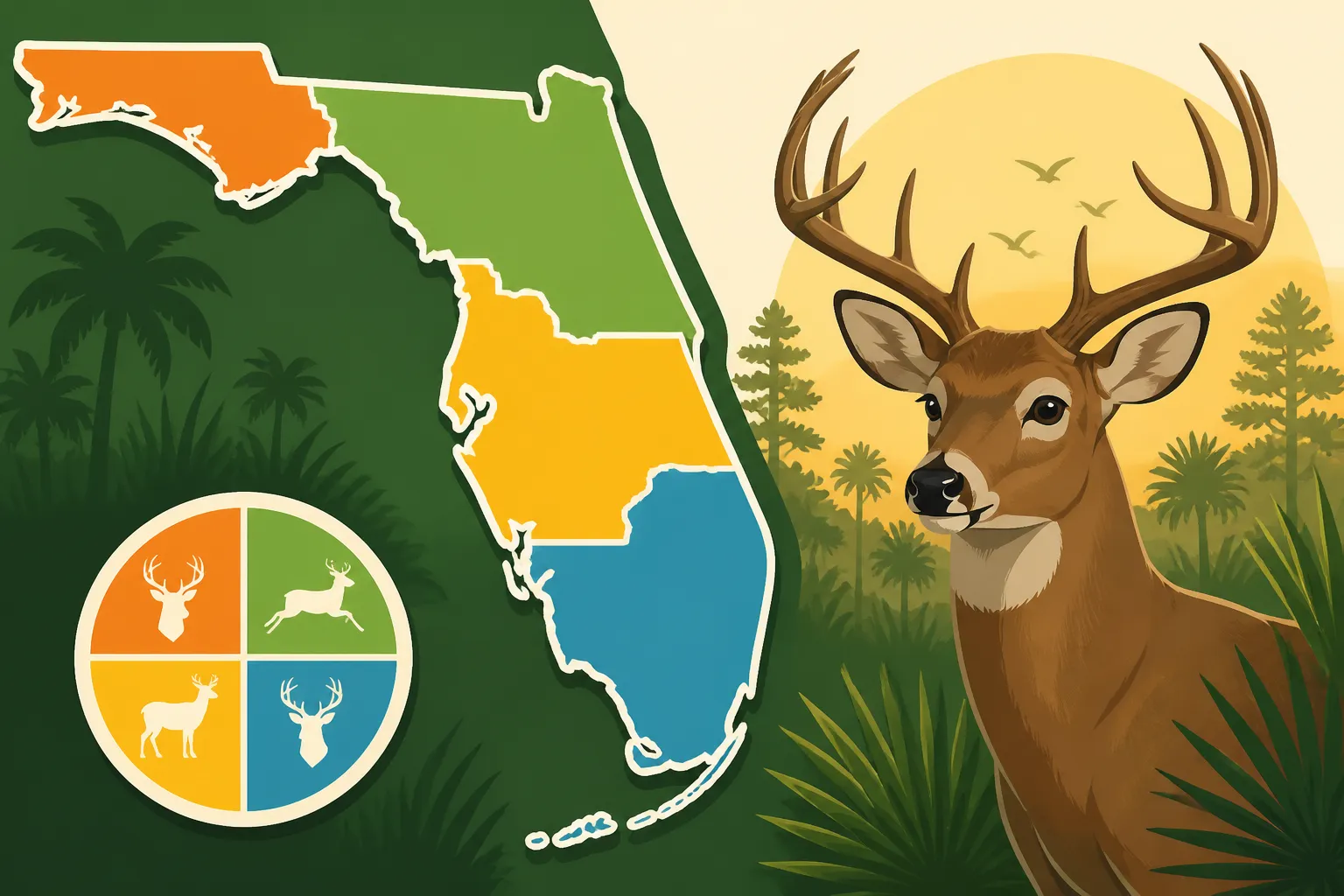
Each of Florida's four deer management zones covers a specific geographical area, with boundaries generally following major roads, rivers, or county lines.
- Zone A encompasses the southernmost portion of the state, including the vast Everglades and parts of Southwest Florida. This zone is characterized by its tropical and subtropical climate, extensive wetlands, and early rut.
- Zone B covers a large central portion of the peninsula, stretching from areas south of Orlando up into the "Big Bend" region of the Gulf Coast. It includes a mix of agricultural lands, pine forests, and unique sandhill habitats.
- Zone C is situated primarily in North Central Florida, extending across the state from the Atlantic to the Gulf. This zone features a transition from central Florida's landscape to the more northern characteristics, with significant timberland and farmlands.
- Zone D is the Panhandle, west of the Apalachicola River, all the way to the Alabama border. This region boasts a more traditional Southern landscape with rolling hills, extensive pine plantations, and river bottomlands, often experiencing a more pronounced fall.
Understanding these broad geographic outlines is the first step to knowing which zone applies to your hunting grounds. Whether you're hunting a small private tract in Florida or planning a trip to a large Wildlife Management Area (WMA), knowing the zone is paramount. The FWC provides detailed maps, and online resources like GoHunt can help you visualize these boundaries right down to specific parcels. It’s critical to remember that county lines often don't perfectly align with zone boundaries, so always double-check the specific area you intend to hunt.
| Deer Management Zone | General Location | Typical Rut Timing | Early Archery Opener (Approx.) | General Gun Opener (Approx.) | General Gun Closer (Approx.) |
|---|---|---|---|---|---|
| Zone A | South Florida, Everglades, Southwest Florida | July – September | End of July/Early August | Mid-September | Mid-January |
| Zone B | Central Florida, Big Bend Coast | September – October | End of September | Late October | Mid-February |
| Zone C | North Central Florida, Atlantic to Gulf | October – November | End of September | Mid-November | End of January |
| Zone D | Northwest Florida (Panhandle), west of Apalachicola | November – December | End of October | Thanksgiving Week | Mid-February |
Note: Specific dates vary annually; always consult the current FWC regulations.
Zone A: The Early Bird Catches the Worm and the Deer
Zone A is a world unto itself. Located in the southernmost parts of Florida, it encompasses vast areas of the Everglades, Big Cypress National Preserve, and other significant wetlands. This zone is famous, or perhaps infamous, for its incredibly early deer season opener and its unique rut timing. For many hunters accustomed to the cooler temperatures of a northern fall, the thought of deer hunting in August in Florida's sweltering humidity can be daunting. Yet, for those who adapt, Zone A offers unparalleled opportunities, especially for those looking to experience the earliest deer season in the continental United States. The challenges are real, from relentless mosquitoes to stifling heat, but so are the rewards of pursuing velvet bucks in a truly wild landscape.
Archery Season Specifics and Early Rut Behavior
The archery season in Zone A often kicks off in late July or early August, a time when much of the rest of the country is still months away from even thinking about deer season. This early opener directly corresponds with the incredibly early rut that occurs in this subtropical region. Bucks are often still in velvet or just shedding it, actively seeking out does. This can make for some exciting bowhunting, as deer are often on the move and less wary than during the late season. However, the heat and humidity are significant factors. You'll need to be prepared for intense physical exertion, ample hydration, and swift game recovery. The temperatures can easily climb into the 90s, making any strenuous activity a real grind.
Deer in Zone A also exhibit behaviors adapted to their environment. They might be more nocturnal during the hottest parts of the day, seeking dense cover in cypress heads or palmetto thickets. Hunters often focus on shaded travel corridors, water sources, and food plots if available on private lands. Understanding how to navigate the thick, often flooded terrain is crucial. Many hunters utilize airboats or swamp buggies to access remote areas, especially in places like the Everglades. It's a completely different game than hunting a Midwestern cornfield, demanding specialized gear and a high tolerance for discomfort, but the chance to connect with an animal in such a primitive setting is truly special. For those focused on Bowhunting Florida's Zone A August Opener, this early window is the only game in town.
Muzzleloader and General Gun Seasons in Zone A
Following the early archery season, Zone A transitions into muzzleloader and then general gun seasons. The muzzleloader season typically starts in early September, and the general gun season usually opens in mid-September. While the peak of the rut may have passed by this point, deer are still active, and the weather, though still warm, might start to show subtle signs of cooling down, particularly in the mornings. These seasons provide hunters with additional opportunities to harvest deer in this unique zone. Legal weapons during Florida Archery Season also apply, but the gun seasons open up more possibilities.
However, the general challenges of Zone A remain. The thick cover that deer inhabit can make traditional still-hunting difficult, and hunters often rely on knowing key travel routes or elevated stands overlooking openings. Pressure from other hunters, especially in public lands like some of the larger Wildlife Management Areas, can also make deer more cautious. It's not uncommon to encounter deer feeding primarily at dusk and dawn, forcing hunters to be in their stands early and stay late. Successful hunters in Zone A are those who are intimately familiar with the local terrain, understand deer movement patterns in hot weather, and are persistent despite the environmental challenges. The season generally runs through mid-January, giving ample time, but the early weeks are often considered prime.
Zone B: North Florida's Traditional Fall Hunt
Moving north from Zone A, we enter Zone B, which covers a significant portion of Central Florida and stretches up into the northern part of the peninsula. This zone offers a more traditional "fall" hunting experience, at least by Florida standards. While still much warmer than a Midwestern fall, Zone B experiences cooler temperatures, particularly later in the season, and a rut timing that feels more familiar to hunters from other Southern states. This zone presents a diverse landscape, from agricultural fields and open pine woods to dense hammocks and swampy lowlands, providing varied hunting opportunities and challenges.
Archery and Crossbow Opportunities
Archery season in Zone B typically begins in late September, giving hunters a chance to pursue deer before the general gun season opens. This is a popular time for bowhunters, as the weather is often still warm but starting to become more manageable than the extreme heat of Zone A's opener. Bucks might be in hard antlers, and their patterns are often more predictable, revolving around food sources and bedding areas before the rut fully kicks in. Crossbow hunting during Florida's Archery Season is also permitted, offering an accessible entry point for many hunters.
Hunters in Zone B often focus on food sources like acorn flats, persimmon trees, or agricultural fields. Setting up along travel corridors leading to these areas can be highly effective. Public lands in Zone B, such as some of the larger WMAs, offer extensive opportunities, but they also tend to see more pressure. Successful archery hunting often involves meticulous scouting, understanding Entry Routes Through a Florida Food Plot, and using stealth to get close to wary deer. Private land hunters often supplement natural food sources with planted food plots, which can be highly attractive to deer in this zone.
The Zone B Rut and Prime Gun Season Dates
The rut in Zone B typically peaks in October, extending into November in some areas. This aligns perfectly with the general gun season, which usually opens in late October and continues through mid-February. This later rut timing, compared to Zone A, provides excellent opportunities for gun hunters to intercept bucks actively chasing does. It's a period of heightened deer activity, making them more vulnerable to hunters. Many consider the weeks surrounding the peak rut to be the best time to target mature bucks, as they often drop their guard while focused on breeding. This is particularly true for Hunting Florida's Zone B Late Rut.
During the general gun season, a variety of hunting methods are employed, from still-hunting and stand hunting over food sources to deer drives in dense cover. The cooler temperatures, especially in December and January, make longer sits in the stand more comfortable and game recovery easier. However, understanding Wind and Thermals in Flat Florida Terrain is still critical, even in this more temperate zone. Public lands can get crowded, especially on opening weekend and during holiday periods, so savvy hunters often scout remote areas or hunt during weekdays to avoid pressure. This zone offers a long season, providing ample opportunity for those who can get out frequently.
Zone C: Central Florida's Unique Calendar
Zone C spans across the north-central part of the Florida peninsula, representing a transition area between the more traditional hunting landscapes of the Panhandle and the unique conditions of southern Florida. This zone presents a distinct hunting calendar, with season dates that often fall between those of the earlier Zone A and the later Zone D. Hunters in Zone C encounter a mix of habitat types, from expansive timberlands and pine forests to oak hammocks and agricultural operations. This diversity can be both a blessing and a curse, offering varied opportunities but also requiring a nuanced approach to scouting and hunting.
Early Archery and the Overlap with Small Game
Archery season in Zone C typically opens in late September, aligning closely with Zone B's opener. This early start, however, can sometimes feel like a rush for hunters, especially if they haven't had much time to scout thoroughly before the opener. The weather is still quite warm, and while bucks may be in hard antlers, they haven't yet entered the frantic phase of the rut. This means targeting food sources remains a key strategy. For instance, focusing on oak hammocks where acorns are dropping or persimmon patches can be highly effective. For those wondering Hunting the Zone C Early Archery Opener, understanding these early season food sources is paramount.
What makes Zone C's archery season particularly interesting is its overlap with some small game seasons. This means hunters might share the woods with those pursuing squirrels or rabbits, which can sometimes impact deer movement, especially in heavily hunted public areas. However, for a dedicated deer hunter, it also means opportunities to scout for multiple species simultaneously or enjoy a mixed bag hunt. When choosing a stand location, it's wise to consider areas that offer a sense of security for deer, away from common small game hunting routes, unless you're intentionally combining hunts. The use of ground blinds can also be effective in providing concealment in areas with diverse hunting activity, allowing for flexibility and minimal disturbance.
General Gun and Late Season Considerations
The general gun season in Zone C typically kicks off in mid-November, pushing into late January. This timing often places the peak of the rut in Zone C around October and November, meaning gun hunters often have the opportunity to hunt during a period of high deer activity. This makes it a popular zone for hunters seeking to intercept cruising bucks. The slightly cooler weather by November also enhances comfort and can lead to more consistent deer movement throughout the day, rather than just during dawn and dusk.
However, Zone C can experience significant hunting pressure, especially on public lands during opening week and holiday periods. Hunters might find deer becoming more nocturnal or seeking out the densest cover. Successful late-season hunting often involves adapting to these conditions. Focusing on overlooked pockets of thick cover, understanding how deer navigate Scrape Lines Along a Sand Road, or targeting late-season food sources like green fields or remaining mast crops can be productive. While the bulk of the rut may have passed by December, bucks are still recovering and foraging, and does are still available, maintaining some level of activity. For those with a WMA permit, applying for quota hunts in Zone C can offer less pressured opportunities, but competition is usually stiff.
Zone D: The Panhandle's Distinct Hunting Culture
Zone D encompasses the Florida Panhandle, west of the Apalachicola River. This region feels distinct from the rest of Florida, both geographically and culturally. With its rolling topography, longleaf pine forests, hardwood bottomlands, and more pronounced seasonal changes, Zone D offers a hunting experience that often mirrors that of neighboring Alabama or Georgia. The rut here is typically the latest in the state, and hunters can enjoy a longer, more traditional fall and winter season, complete with cooler temperatures and vibrant foliage. This zone is a favorite for many Floridians and non-residents alike, offering robust deer populations and a strong hunting heritage.
Archery, Muzzleloader, and Long General Gun Season
Archery season in Zone D begins in late October, offering a cooler start than the other zones. By this time, many bucks will have hard antlers, and the woods are often transitioning from green to fall colors. This season provides a solid window before the general gun season, allowing bowhunters to capitalize on deer patterns driven by pre-rut feeding and bedding. The muzzleloader season often follows, creating another opportunity to get out with primitive weapons before the full gun season opens. For hunters preparing for Hunting the Zone D Late Fall Archery Opener, scouting for acorn crops and established travel routes is paramount.
The general gun season in Zone D is traditionally the longest in Florida, often opening around Thanksgiving week and running well into February. This extensive season is a major draw for hunters, as it covers the peak of the rut (typically November and December) and provides ample time for late-season hunting. The cooler weather in the Panhandle during these months allows for extended periods in the stand and more comfortable tracking conditions. Hunters employ a variety of tactics, from still-hunting and rattling in a Florida oak hammock to stand hunting over food plots and natural clearings. The abundance of public land in the Panhandle, including vast tracts of national forest like the Blackwater River State Forest and parts of Apalachicola National Forest, offers extensive opportunities, though competition can be fierce during peak times.
Understanding the Panhandle's Deer Biology and Habitat
Deer in Zone D exhibit biological traits and behaviors more akin to those found in Alabama or Georgia. The rut, typically peaking in November and December, is often more intense and visible than in the more subtle southern ruts. Bucks become highly active, chasing does, establishing Scrape Lines Along a Sand Road, and engaging in territorial displays. This period is a prime opportunity for hunters to use calls and rattling antlers, especially when still-hunting Florida Palmetto Flatwoods or cruising open pine stands.
The habitat diversity in Zone D is also a major factor. The mixed pine and hardwood forests provide a wealth of food sources, from acorns and muscadines to various browse species. Agricultural fields scattered throughout the region also draw deer. Hunters often focus on transition zones between different habitat types, along creek bottoms, or where timber cuts provide dense bedding and new browse. For those looking at Hunting Florida Panhandle Pine Plantations, understanding the various stages of timber growth and how deer utilize them is key. The presence of significant river systems like the Apalachicola, Escambia, and Blackwater also creates unique hunting opportunities in their associated bottomlands. The extended season and distinct environment make Zone D a popular choice for both seasoned Florida hunters and those visiting from out of state.
Key Regulations and Considerations Across All Zones
Beyond the specific season dates for each zone, there are overarching regulations and considerations that apply statewide or have nuanced interpretations based on location. Navigating these rules is crucial for staying legal and ensuring an ethical hunt. Florida's FWC works diligently to manage the deer herd responsibly, and these regulations are a critical part of that effort. Before any hunt, it's always smart to consult the current FWC regulations booklet or use trusted digital platforms like the FWC app or GoHunt for the latest updates.
Antlered Deer Bag Limits and Reporting Requirements
Florida has a statewide bag limit for antlered deer, which is generally two per hunter per season. However, there are nuances to this. One antlered deer may be taken per day. This limit is designed to provide ample opportunity while maintaining a healthy buck age structure. It's important to understand what constitutes a legal antlered deer; typically, it must have at least one antler that is five inches or longer in length. There are no antler point restrictions in Florida, which simplifies things compared to some other states.
Crucially, Florida requires hunters to report harvested deer. This is a relatively recent but essential requirement that helps the FWC gather vital data on deer populations and harvest rates across the state. Deer must be reported within 24 hours of harvest, and this can be done easily through the FWC's Go Outdoors Florida website or their dedicated mobile app. Failure to report a deer can result in penalties, so it's a rule you absolutely cannot overlook. This data helps wildlife managers make informed decisions about future seasons and regulations. You can learn more about Florida Deer Reporting Requirements to ensure compliance.
Antlerless Deer Harvest Opportunities and Bonus Tags
Antlerless deer harvest in Florida is managed carefully and varies significantly by zone and even by specific Wildlife Management Area (WMA). The FWC understands the importance of managing doe populations for herd health and balance, but they also recognize the need for careful control to avoid overharvest, especially in areas with lower deer densities.
In most zones, antlerless deer may only be harvested during specific periods within the general gun season, often referred to as "antlerless deer days" or specific antlerless quotas on WMAs. These dates are clearly outlined in the FWC regulations for each zone. Additionally, hunters may purchase a "Bonus Antlerless Deer Tag," which allows for the harvest of an additional antlerless deer, but these tags are also restricted to specific open seasons and are often valid only on private land. On WMAs, antlerless harvest is typically managed through quota hunts or specific WMA regulations, often requiring a separate permit. It's vital to check the WMA-specific rules, as they can differ greatly from statewide regulations. Understanding when and where you can harvest an antlerless deer is key to maximizing your hunting opportunities while remaining within the law.
Strategic Planning for Multi-Zone Hunters
For the truly dedicated Florida deer hunter, the thought of hunting multiple zones throughout the season can be incredibly appealing. Imagine chasing velvet bucks in Zone A in August, then shifting to the traditional fall rut in Zone B or C, and finally enjoying a long, cool late season in the Panhandle's Zone D. This multi-zone strategy allows hunters to extend their season significantly and experience the diverse hunting opportunities Florida has to offer. However, it requires meticulous planning, a deep understanding of the regulations, and a willingness to adapt your tactics to vastly different environments.
Utilizing the FWC App and Online Resources
Planning a multi-zone hunt starts with accurate information. The Florida FWC offers an excellent mobile app, "Go Outdoors Florida," which is an indispensable tool for any hunter. This app allows you to purchase licenses, check current regulations, and even report harvested game right from your phone. More importantly, it provides detailed information on Wildlife Management Areas (WMAs), including their specific rules, season dates, and boundaries, which can often differ from the statewide zone regulations. Before you even set foot in a new zone, you should be intimately familiar with the FWC app.
Beyond the official FWC resources, third-party mapping and scouting tools like GoHunt provide invaluable assistance. These platforms allow you to overlay private land boundaries, public land ownership, and often integrate FWC WMA boundaries and regulations, making it easier to visualize your hunting grounds and plan your access routes. When you're trying to compare season dates between Florida Zone A Season Dates and Florida Zone D Season Dates, having all this information at your fingertips in one app can save you countless hours of cross-referencing. Leveraging these digital tools allows you to be more efficient in your scouting and planning, minimizing surprises when you hit the field.
Adapting Your Tactics to Zone-Specific Conditions
Successfully hunting across multiple zones demands adaptability. The strategies that work in the dense, hot wetlands of Zone A simply won't be as effective in the pine plantations of Zone D, and vice-versa. For instance, in Zone A, your focus might be on shaded bedding areas near water or on utilizing the unique early rut. You'll need to prepare for extreme heat, heavy insect pressure, and potentially wet conditions. Quick game recovery is paramount due to spoilage concerns.
As you move north into Zones B and C, the conditions gradually shift. The rut becomes later, and deer movements might be more tied to traditional food sources like acorns or planted fields. While still warm, the weather becomes more conducive to longer sits, and deer might be more responsive to calling or rattling. For Hunting Florida Cypress Swamp Edges in central Florida, tactics might involve different approaches than hunting an open field in the Panhandle. Finally, in Zone D, you'll be dealing with more pronounced fall weather, a later rut, and potentially larger tracts of public land. Here, strategies might involve more extensive scouting for sign, longer-range shots in open timber, and adapting to more traditional whitetail hunting methods. The key is to recognize that each zone is a unique puzzle, requiring a fresh mindset and a willingness to change your approach based on the specific environment and deer behavior you encounter.
Navigating the Permit System and License Requirements
Before you can even think about which zone to hunt or what tactics to employ, you need to ensure you're legally equipped to hunt in Florida. The state has a tiered licensing and permit system that can initially seem a bit overwhelming, especially for new hunters or those visiting from out of state. However, once you understand the basic requirements, it's quite straightforward. Getting your ducks in a row concerning licenses and permits is the foundational step for any successful hunting trip in Florida.
Base Hunting Licenses and Management Area Permits
At the core of Florida's hunting regulations is the requirement for a base hunting license. Florida offers both resident and nonresident options, with various durations (e.g., annual, multi-year, or 10-day nonresident licenses). This base license is your entry ticket to hunting most game species. However, deer hunting specifically requires an additional permit: the Florida Deer Permit. This permit, typically inexpensive, must be purchased in conjunction with your base hunting license if you intend to pursue deer. Think of it as an endorsement that allows you to hunt deer.
For hunters who plan to utilize Florida's extensive public lands, an additional permit is almost always necessary: the Florida WMA Management Area Permit. This permit grants you access to hunt on the vast network of Wildlife Management Areas across the state. It's crucial because many of Florida's prime public hunting opportunities are found within WMAs. Without this permit, even with a valid base license and deer permit, you could be cited for trespassing on public hunting grounds. Some specific WMAs may also require special quota permits, which are allocated through a lottery system, particularly for highly sought-after hunts. Understanding Florida Hunting Licenses and What They Cost is the first step, then layering on the specific deer and WMA permits.
Youth Hunting and Apprentice Hunter Programs
Florida is committed to recruiting and retaining hunters, and as such, it offers excellent programs for youth and those new to hunting. The Mentored Youth Hunting Program is a fantastic initiative that allows children under 16 to hunt under the supervision of a licensed adult without needing their own hunting license, provided they remain within arm's reach of their mentor. This removes a significant barrier for young, aspiring hunters and encourages family participation in the outdoors. It’s an invaluable way to introduce the next generation to ethical hunting practices and wildlife conservation.
For adults who are new to hunting or haven't completed hunter education, Florida offers the Apprentice Hunter License. This license allows individuals to hunt for a limited period (typically one year) under the supervision of a licensed adult (who must be 21 or older and meet specific requirements). This program provides a pathway for new hunters to gain experience and confidence in the field before completing the mandatory hunter education course. It's a great stepping stone for anyone who's been curious about hunting but felt intimidated by the initial requirements. These programs collectively contribute to the rich tradition of Florida Hunter Education Requirements while making hunting more accessible.
Disclaimer
The information provided in this guide is intended for general informational purposes only and does not constitute legal advice. Hunting regulations in Florida are subject to change by the Florida Fish and Wildlife Conservation Commission (FWC). It is the sole responsibility of the hunter to consult the most current FWC regulations and statutes before engaging in any hunting activities. Always prioritize safety and ethical hunting practices.