Scrape Lines Along a Sand Road
Trying to find consistent deer sign in Florida's vast and often bewildering landscape can feel like an impossible task. We've all spent hours busting brush, sweating through palmetto thickets, and still come up empty-handed, wondering if the deer are even there. This guide is here to unravel one of the most reliable and often overlooked indicators of deer activity: scrape lines along sand roads, helping you understand their significance and how to hunt them effectively.
Why Sand Roads Are Scrape Magnets for Florida Whitetails
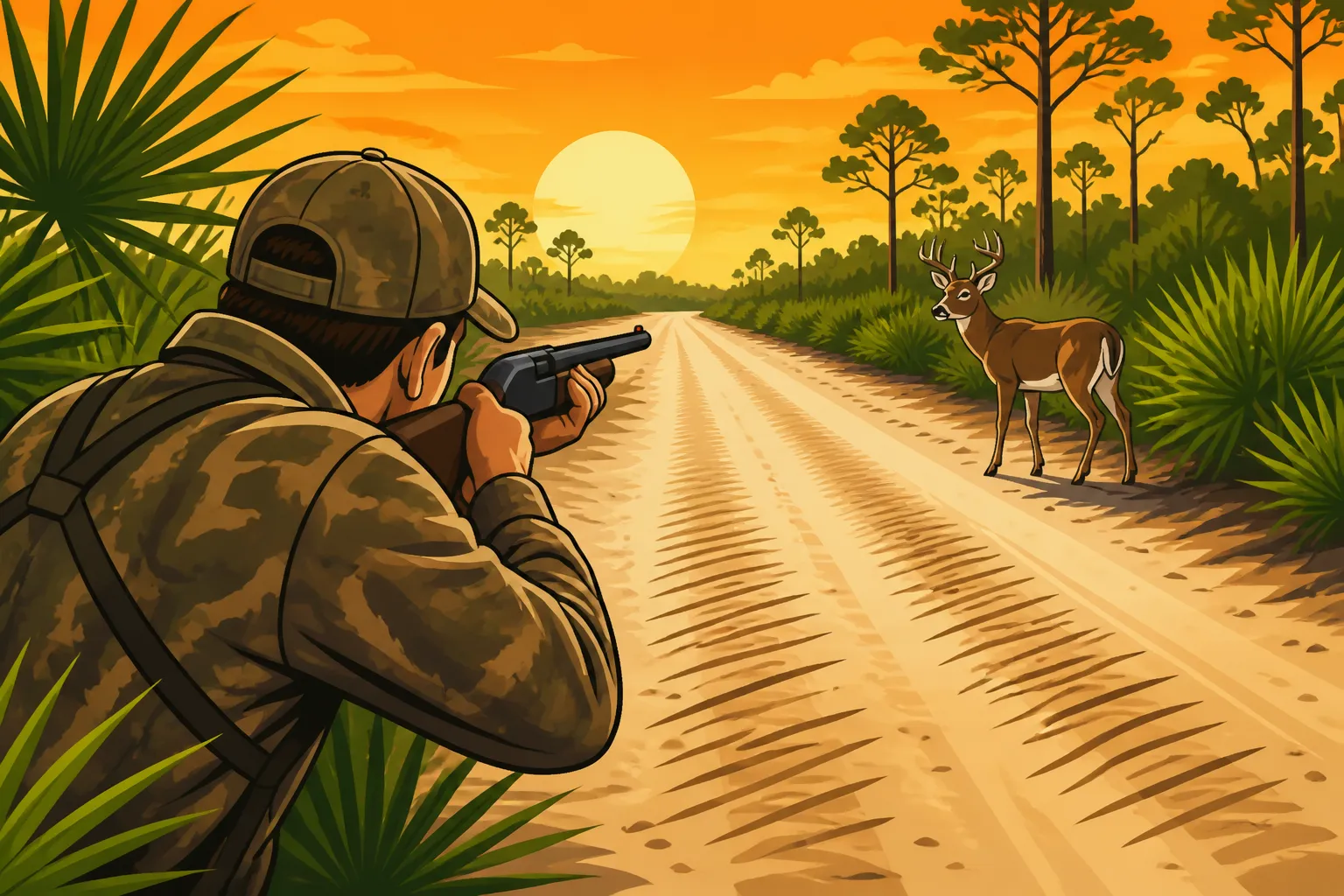
Florida's deer aren't always easy to pin down. Unlike some parts of the country with open fields and clear timber lines, our subtropical environment means thick cover is king, and finding consistent travel routes can be a real head-scratcher. But if you've spent any time scouting, you've noticed those sandy tracks cutting through the woods. These aren't just for our trucks and ATVs; they're superhighways for whitetails, and prime real estate for scrape lines.
Natural Travel Corridors
Think about it from a deer's perspective: why fight through dense palmettos and saw palmetto when there's an open, albeit sandy, path available? Sand roads, whether they're old logging trails, fire breaks, or simply administrative roads on public lands, naturally become primary travel corridors. Deer, especially bucks, are all about efficiency, and these clearings offer just that. They connect bedding areas to feeding grounds, water sources, and other essential habitats, making them obvious lines of movement. During the rut, these roads become even more critical as bucks are constantly on the move, searching for does. This ease of movement makes them ideal spots for a buck to establish a scrape, marking his territory and advertising his presence. You'll often find these roads running through varied habitat types, like where a pine plantation meets a cypress swamp, creating natural edges that deer love to follow.
Scent Distribution and Communication Hubs
One of the biggest reasons bucks choose sand roads for their scrapes is the exceptional way scent holds and disperses on sandy soil. That loose, damp sand (especially after a rain) is like a giant billboard for a buck's glandular secretions. When a buck makes a scrape, he's dropping a lot of information: urine, tarsal gland scent, forehead gland rubbings from the overhanging branch, and interdigital gland scent from pawing the earth. The sandy substrate allows these potent pheromones to linger longer and broadcast further than they might on harder, drier ground. This makes a sand road scrape an incredibly effective communication hub, a place where does can check for receptive bucks and other bucks can size up the competition without ever seeing them. It's their version of a social media network, and those road edges offer clear sightlines for other deer to notice the ground disturbance.
Visual Prominence and Overhanging Branches
Beyond scent, scrapes on sand roads offer a strong visual cue to other deer. The disturbed patch of sand stands out clearly against the surrounding vegetation, especially in areas where the understory is thick. This visual prominence, coupled with the concentrated scent, makes them highly effective signposts. Crucially, sand roads often have overhanging branches, or "licking branches," that are perfect for a buck to rub his forehead and preorbital glands on. These branches, often from oak, pine, or even low-hanging cypress limbs, are a key component of a scrape. The combination of an easy-to-paw ground area and a natural licking branch creates an irresistible location for a buck to establish and regularly check his scrape. When you're scouting, pay close attention to the size and height of these branches, as they can tell you a lot about the size of the deer making the scrape. A well-used licking branch will often appear darker or worn smooth from repeated interaction.
Deciphering Scrape Line Activity
Finding a scrape is one thing; understanding what it tells you about the deer in the area is another. It's like finding a mysterious note – you need to read between the lines to get the full story. Scrapes aren't just random acts; they're deliberate messages left by bucks, and learning to interpret them can significantly boost your hunting success.
Fresh Versus Old Scrapes
The first, and arguably most important, distinction you need to make is whether a scrape is fresh or old. A fresh scrape is a goldmine; an old one, while still interesting, might just be a historical marker. Look for these key indicators:
- Freshness of the Dirt: A truly fresh scrape will have moist, recently disturbed earth. The sand will often be darker, perhaps still a little damp from morning dew or recent rain. You might even see recent tracks clearly impressed in the scraped earth. Old scrapes, on the other hand, will have dry, packed-down soil, often covered with fallen leaves, pine needles, or even starting to grow new vegetation. The edges might be less distinct, weathered by sun and rain.
- Scent: While we can't smell it like a deer, a fresh scrape will have a strong, distinct odor of deer urine and tarsal glands, especially if the buck has recently urinated into it. Some hunters describe a musky, almost ammonia-like smell. You might not pick it up yourself, but if your hunting dog or a friend with a keen nose does, you know you're onto something.
- Overhanging Branch Condition: Examine the licking branch directly above the scrape. Is it broken, frayed, or wet from recent rubbing? Are there fresh teeth marks or new scuffs where a buck has mouthed it? A heavily used, fresh licking branch is a clear sign that a buck is actively maintaining the scrape. An old scrape's branch might be intact but show no recent signs of activity.
It’s crucial to understand that bucks will often visit scrapes at night, so just because you don't see fresh sign in the middle of the day doesn't mean it's not active. Using trail cameras, perhaps a Bushnell or a Spypoint, can be incredibly helpful here. Place one discreetly overlooking the scrape line along the sand road, and you'll quickly learn the habits of the deer working it. You'll be amazed at how many deer, not just bucks, use these community billboards after dark.
Size and Location Clues
The characteristics of a scrape itself can tell you a lot about the deer population and even the specific buck frequenting it. Don't just walk past it; stop and observe.
- Size Matters: A larger, deeper scrape often indicates a more dominant, mature buck. Younger bucks might make smaller, shallower scrapes. However, don't rely solely on size. A big buck might make a relatively small scrape if he's just checking it quickly, and a zealous young buck could tear up a sizable patch. What's more indicative is consistency: a scrape that is regularly maintained and expanded suggests a buck that’s serious about his territory.
- Proximity to Cover: Scrapes located right out in the open on a wide sand road are usually made by younger, less wary bucks, or they might be secondary scrapes. The really active, primary scrapes from mature bucks are often found where the sand road narrows, dips into a more secluded area, or brushes up against thick cover—like a dense palmetto head or a thick patch of oak hammock. These locations offer the buck a quick escape route and more security while he's leaving his calling card. When you're Reading aerial photos for Florida deer, pay close attention to where these sand roads intersect with thicker habitat.
- Scrape Lines and Clusters: Rarely will you find just one isolated scrape. Bucks often create "scrape lines" – a series of scrapes along a travel corridor, usually a sand road, that serve as a continuous advertisement of their presence. Sometimes, you'll find a "community scrape" – a larger, frequently re-visited scrape, usually located at a strategic intersection or a key transition area, that multiple deer (including does) might paw at. Identifying these patterns is essential. A whole string of scrapes along a county road indicates significant deer movement and communication in that specific area. This is where tools like GoHunt can really shine, allowing you to mark multiple scrape locations and see their relationship to bedding areas and other features.
Timing and Rutting Behavior
Understanding when scrapes are most active is crucial. Scrape activity isn't constant throughout the hunting season.
- Pre-Rut Explosion: Scrape activity really ramps up during the pre-rut phase, usually a few weeks before the peak of breeding. This is when bucks start aggressively laying down their scent, establishing dominance, and signaling their readiness to breed. You'll see a sudden increase in new scrapes, and older ones will be freshened up. This is a fantastic time to scout and identify key scrape lines. In Florida, depending on your zone, this could be anywhere from late September in Zone C to late December in Zone B. Knowing When the Florida rut peaks by zone is vital for timing your scrape hunts.
- Peak Rut Lulls: Surprisingly, during the absolute peak of the rut, scrape activity might actually slow down slightly. Why? Because bucks are too busy actively chasing and breeding does to spend as much time pawing the ground. They're literally "nose-to-tail" with does. While they might still check existing scrapes, the focus shifts from communication to direct interaction. Don't abandon your scrape hunting then, but be aware that activity might be more sporadic.
- Post-Rut Checks: Even after the main breeding is over, bucks might still check scrapes occasionally, especially if there are unbred does or a secondary rut. However, the intensity will be much lower, and the purpose shifts from advertising to lingering interest. By late season, most scrapes will be abandoned and overgrown.
By observing these patterns, you can time your hunts more effectively. For example, if you find a bustling scrape line along a sand road in late October in Zone C, you know you're likely in the prime pre-rut window, and a buck might be checking that line often.
| Scrape Characteristic | Fresh Scrape (High Activity) | Old Scrape (Low/No Activity) |
|---|---|---|
| Ground Condition | Moist, dark, recently disturbed soil | Dry, packed, lighter soil; possibly overgrown |
| Tracks | Clear, sharp deer tracks visible in soft earth | Faded, weathered, or no clear tracks |
| Scent | Strong musky odor, urine smell (if recently used) | Faint to no discernible scent |
| Licking Branch | Frayed, broken, wet, fresh rub marks, chewed | Intact, weathered, no recent signs of use |
| Leaf Litter/Debris | Minimal to none in scraped area | Covered with leaves, pine needles, or debris |
| Visual Prominence | Stands out sharply against surrounding ground | Blends in, less distinct edges |
Hunting Strategies for Sand Road Scrapes
Once you've located active scrape lines on those Florida sand roads, the real fun begins: developing a strategy to hunt them. This isn't just about showing up; it's about precision, patience, and adapting to the unique challenges of our Florida landscape.
Optimal Stand Placement
Picking the right tree or ground blind spot near a sand road scrape is absolutely critical. You want to be close enough for a good shot but far enough away not to be busted by a wary buck.
- Wind Direction is King: This is non-negotiable in Florida. Our thermals can be tricky, especially in flat terrain. Always hunt with the wind in your favor, ideally blowing your scent away from the scrape and the expected approach of the deer. If the wind isn't right, don't hunt it. Period. A mature Florida buck will bust you every single time. Utilize tools like GoHunt's wind prediction overlays to understand how air currents might move through your specific hunting spot. Even a slight breeze can carry your scent further than you think, especially across an open sand road.
- Cover and Camouflage: Find a tree that offers good cover to break up your outline, or set up a quality ground blind. Florida's palms and oaks often have thick canopies, providing natural concealment. If you're using a ground blind, make sure it's brushed in well and has been there for a while so deer can get used to it. Remember, deer are constantly scanning these open roads, so any unnatural shape will grab their attention. For elevated stands, position yourself where you have a clear shooting lane to the scrape, but also to the most likely approach and exit routes along the road and into the thicker cover. Think about the sun's angle as well; you don't want to be silhouetted against the morning or evening sun.
- Shooting Lanes: Clear any small branches or obstructions that might deflect an arrow or bullet. Do this well in advance of your hunt to minimize disturbance. You don't need a huge lane, just enough for a clean shot. Remember, Florida bucks can appear and disappear like ghosts, especially in thick country, so having a clear window is paramount. Pay attention to not just the scrape itself but also where a buck might pause before stepping fully into the open.
Entry and Exit Routes
This is where many hunters mess up. Getting to and from your stand undetected is just as important as the hunt itself.
- Stealth is Key: Plan a route that avoids known bedding areas, thick trails, and, most importantly, the sand road itself if possible. Walk quietly, avoid snapping twigs, and move slowly. The pre-dawn and post-dusk hours are when deer are most active, so any unnatural noise or movement will be noticed.
- Utilize Natural Cover: Use ditches, fencerows, heavy brush, or even the slight undulations in the terrain to mask your approach. Sometimes, it means taking a slightly longer route, but the payoff of not spooking a buck is worth it. Think about the deer's line of sight; if they can't see you coming, they can't bust you. For more insights on navigating difficult terrain, check out our guide on Finding ground others walk past.
- Minimize Scent Contamination: Wear clean clothes, spray down with scent eliminator, and use rubber boots to reduce the amount of human odor you leave on your entry and exit trails. Every bit helps, especially in warmer Florida weather where scent hangs heavy. When you leave, try to move through areas where deer are less likely to travel, again minimizing the scent you deposit in their primary activity zones.
Calling and Decoys
While scrapes are a visual and scent-based communication tool, you can sometimes enhance your chances with calling and decoys, especially during the peak of the rut.
- Grunt Calls: A well-timed grunt can simulate a buck tending a scrape, often drawing in other bucks to investigate. Don't overdo it, especially if you know there are mature deer in the area. A few soft grunts, followed by long periods of silence, can be very effective. If you see a buck approaching, a soft "tending grunt" can often cause him to pause, giving you a shot opportunity. Experiment with Grunt calls in a Florida oak hammock for more detailed tactics.
- Rattling: If you're confident there are bucks in the vicinity, rattling can simulate a sparring match, triggering an aggressive response from dominant bucks. This works best during the pre-rut and early rut when bucks are establishing dominance. Again, timing is everything. Rattling can be very effective in the thick Florida scrub where deer can’t see long distances, drawing them into sight. Learn about Rattling volume in thick Florida scrub for specific advice on how loud to be.
- Decoys: A buck decoy, especially a realistic one, placed downwind and within sight of the scrape, can be a magnet for an aggressive buck. Make sure your decoy is facing away from your position, so the approaching buck presents a quartering-away shot. Use doe urine around the decoy to add to the realism. Just be incredibly careful when using decoys on public land, and always ensure you are absolutely certain of your target.
Remember, the goal is to create a scenario where the buck feels comfortable enough to approach the scrape naturally. Patience is your greatest ally when hunting scrape lines on Florida sand roads.
Common Mistakes and How to Avoid Them When Hunting Scrapes
Even experienced hunters can make mistakes, especially when dealing with the unique challenges of Florida's hunting environment. When targeting scrape lines along sand roads, avoiding these common pitfalls can significantly increase your odds of success.
Over-Hunting a Scrape
It's tempting to sit on that hot scrape every chance you get, especially if you've seen activity there. But over-hunting a single scrape, or even a small scrape line, is one of the quickest ways to educate and ultimately spook a mature buck.
- The Pressure Cooker Effect: Deer, particularly mature bucks, are incredibly sensitive to human pressure. If they sense your presence too often around a specific scrape, they will quickly shift their patterns, becoming more nocturnal or abandoning the area altogether. Think about it: if every time you went to your favorite coffee shop, someone was waiting for you, you'd find a new coffee shop, right? Bucks are no different.
- Strategic Rotations: Instead of hammering one spot, identify several active scrape lines along different sand roads, perhaps a few miles apart. Rotate your hunting spots every few days, or even weekly, to keep the deer guessing. This minimizes pressure on any single location and allows the deer to return to their natural routines. GoHunt maps can be excellent for this, allowing you to mark multiple scrape locations and plan rotations based on wind direction and expected deer movement.
- Timing is Everything: Only hunt a scrape when conditions are absolutely perfect: the right wind, optimal time of day, and confirmed recent activity. If the wind isn't right, stay home or find a different spot. A bad hunt can do more harm than no hunt at all. Also, consider the phase of the rut; a scrape might be hot during the pre-rut, but less so at the peak.
Ignoring Wind and Thermals
We've touched on this, but it bears repeating because it's such a critical factor in Florida. Our flat terrain means thermals don't behave like they do in mountainous regions, making understanding wind direction even more crucial.
- Florida's Tricky Air Currents: Florida's relatively flat landscape means true thermal drafts (warm air rising, cool air falling) are less pronounced than in mountainous areas. However, subtle air movements are still present, influenced by water bodies, swamp edges, and even small elevation changes like ridges or hammock islands. Furthermore, our typical daytime sea breezes and evening land breezes create predictable shifts in wind direction. Your scent can drift for hundreds of yards across open sand roads or through sparse pine stands. Learning Wind and thermals in flat Florida terrain is a skill you'll hone over years.
- Constant Vigilance: Always carry a wind checker (a small bottle of powder or thread) and use it frequently. Wind direction can shift subtly, especially around dawn and dusk. Don't rely on a single check when you get to your stand. Monitor it throughout your sit.
- The Downwind Rule: Always set up downwind of where you expect the buck to approach the scrape. If the scrape is on a north-south running sand road, and you anticipate deer traveling the road from the south, you'd want a west or east wind, depending on your setup. Never let your scent blow towards the scrape or the likely approach route.
Neglecting Entry and Exit
As mentioned before, how you get in and out of your hunting area is paramount. A careless entry or exit can negate all your careful planning.
- Spooking Deer Before the Hunt: If you stomp down a sand road at dawn, rattling your gear and broadcasting your human scent, you've likely just chased off any deer that were planning to visit that scrape. Deer, especially mature ones, are incredibly sensitive to disturbance. They know when you're there.
- Avoiding the Sand Road: Whenever possible, avoid walking directly on the sand road you're hunting. Use parallel trails, ditches, or thick cover to mask your approach. If you must use the road, do so in the darkest hours, move slowly, and minimize noise. When exiting after dark, once again, choose a path that takes you away from any potential bedding areas or ongoing deer activity. For specific guidance on accessing public lands quietly, consider our advice on Hunting a Florida green swamp slough or Hunting a funnel between two palmetto heads.
- The Silent Approach: Think about every step. Are your boots quiet? Is your clothing rustle-free? Is your gear secure and not clanking? These small details add up. A deer's hearing is infinitely better than ours, and they're always listening for unnatural sounds.
By recognizing and actively avoiding these common mistakes, you'll be well on your way to successfully hunting those invaluable scrape lines along Florida's sand roads. It’s about being a silent, strategic part of the landscape, not an intrusive disturbance.
Utilizing Technology and Scouting Tools for Scrape Lines
In today's hunting world, we have access to incredible tools that can revolutionize how we scout and hunt scrape lines on sand roads. Gone are the days of just blindly walking the woods hoping to stumble on sign. Smart use of technology can give you a significant advantage.
Digital Mapping Applications
Modern mapping apps like GoHunt have become indispensable for serious Florida hunters. They allow you to virtually scout, identify key areas, and record valuable information long before you ever set foot in the woods.
- Identifying Sand Roads and Features: Use these apps to pinpoint sand roads, trails, and access points. You can zoom in and identify potential scrape locations based on terrain features like bottlenecks, intersections, or areas where the road parallels thick cover. Look for those subtle humps or dips where deer might feel a little more secure pausing to mark their territory.
- Marking Scrape Locations: As you find active scrapes, mark them directly on your map. This creates a historical record of activity. Over time, you'll start to see patterns – which roads consistently hold scrapes, which ones are used year after year, and which ones are only temporary. This data is invaluable for predicting future buck behavior. You can also mark specific licking branches or rub lines you discover nearby.
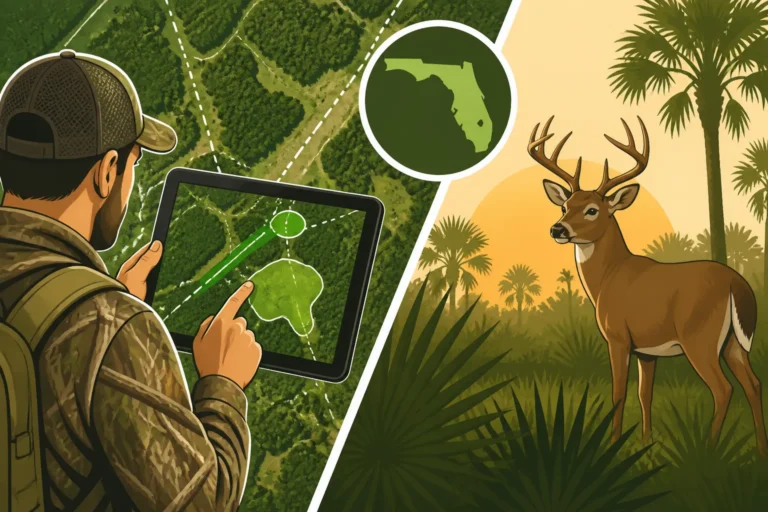
- Understanding Property Lines and Public Land Access: For hunters on public land, apps like GoHunt clearly show property boundaries. This is crucial for avoiding trespass issues and understanding where you can legally hunt. On large Wildlife Management Areas, these maps help you navigate vast expanses and locate specific features like prescribed burns or food plots. Knowing Scouting Florida public land before season can save you countless hours.
Trail Cameras for Data Collection
Trail cameras are your silent scouts, working 24/7 to provide real-time intelligence on scrape activity. They are a game-changer for understanding deer patterns.
- Confirming Activity and Timing: Place trail cameras directly over active scrapes along sand roads. This will tell you when a buck is visiting, how often, and what size the buck is. Are they hitting it at dawn, dusk, or exclusively at night? This information helps you choose the best time to hunt. For instance, if a mature buck is only hitting a scrape at 2 AM, your time is better spent elsewhere during daylight hours.
- Identifying Specific Bucks: Over time, your trail cameras will allow you to identify specific bucks by their antler patterns. You might even discover multiple bucks using the same scrape line, giving you insight into the local deer population. This is especially helpful if you're targeting a particular buck you've seen before.
- Minimizing Human Pressure: By using trail cameras, you reduce the need for constant in-person scouting, which minimizes human scent and pressure on the area. Check your cameras discreetly, perhaps only once a week or every two weeks, and consolidate your visits to avoid disturbing the deer.
Scent Elimination and Attractants
While not technology in the digital sense, advanced scent elimination products and attractants are crucial "tools" for hunting scrapes effectively.
- The Scent Battle: Florida's heat and humidity mean scent control is an uphill battle. High-quality scent eliminators for your clothing, boots, and gear are non-negotiable. Odor-absorbing sprays, ozone generators for your clothing, and scent-free detergents can all contribute to reducing your human odor footprint. Rubber boots are also essential to prevent leaving human scent on the ground as you walk.
- Lure Attractants: While actual buck urine or tarsal gland scents can be effective, they also carry the risk of attracting unwanted predators or even introducing CWD if not sourced properly. Consider synthetic deer urine or gland lures specifically designed to mimic the scent of an active scrape. Apply these sparingly to the licking branch or directly into the scrape. Some hunters swear by mock scrapes created with these lures, especially in areas where natural scrapes are scarce but deer sign is present. Be aware of the FWC guidelines on baiting and lures; while scent lures are generally allowed, rules can change, so always double-check.
- The Mock Scrape Strategy: If you find a promising sand road with great licking branches but no active scrape, consider creating a mock scrape. Paw out a patch of dirt, spray it with doe estrus or buck urine, and rough up the licking branch. A trail camera on this mock scrape can quickly tell you if bucks are interested. Sometimes, all it takes is a little encouragement to get a shy buck to start laying down his own sign.
By strategically combining these modern tools and techniques, you can transform your approach to hunting scrape lines along Florida's sand roads, moving from hopeful guesswork to informed, calculated hunts. This allows you to spend your precious hunting time more effectively and increase your chances of connecting with a mature Florida whitetail.
Conclusion
Hunting scrape lines along Florida's sand roads is more than just stumbling upon a patch of pawed-up dirt; it's about understanding the secret language of whitetails in our unique environment. By recognizing these roads as vital communication hubs and mastering the art of interpreting scrape activity, you unlock a powerful strategy for connecting with mature bucks. It requires patience, keen observation, and the smart application of modern scouting and hunting techniques. Get out there, hit those sandy trails, and let the deer tell you their story – you might just be surprised by what you find.
Disclaimer
Hunting is an inherently dangerous activity. Always prioritize safety, follow all local, state, and federal regulations, and obtain proper licenses and permits before heading into the field. The information provided in this guide is for educational purposes only and should not replace proper hunter education or professional guidance.