When the Florida Rut Peaks by Zone
One of the biggest head-scratchers for deer hunters in Florida, especially those new to our unique environment, is trying to pinpoint the rut. Unlike up north where there's often a clear, dramatic few weeks of chasing, Florida's rut can feel scattered, confusing, and incredibly frustrating if you don't know what you're looking for. This guide is here to untangle that mystery, breaking down the peak rut windows by Florida's specific deer management zones so you can plan your hunts with confidence and maximize your chances of encountering that buck on the move.
Understanding the Florida Rut: Why It's Different
Before we dive into the zone-specific details, let's talk about why the Florida rut often feels so… well, different. Our state doesn't experience the dramatic temperature swings or pronounced seasonal changes that largely dictate rut timing in more northern latitudes. Instead, factors like genetics, local fawn-rearing cycles, and even buck-to-doe ratios tend to play a more prominent role. This means that while there are general peak windows, the rut here can be a bit more drawn out, sometimes even feeling like a series of mini-ruts rather than one explosive event.
We often talk about the "rut" as one singular phenomenon, but it's really a progression:
- Pre-Rut: Bucks are starting to feel the urge, laying down rubs and scrapes, actively scent-checking, and becoming more aggressive with other bucks. Does aren't receptive yet, but the anticipation is building. This is a fantastic time to be in the woods, as bucks are often on their feet during daylight hours searching.
- Peak Rut: This is when the majority of does are in estrus. Bucks are actively chasing, breeding, and are often less cautious than at any other time of the year. This is the period most hunters dream about, witnessing those classic chasing scenarios. However, bucks can also be locked down with a doe for a day or two, seemingly disappearing from the landscape.
- Post-Rut: Breeding activity starts to taper off, but some does may come into estrus again if not bred during the primary window. Bucks are often exhausted, focusing heavily on recovering body weight before winter (which is mild in most of Florida, but still a factor). You'll still see some chasing, but it's usually less intense.
Understanding these phases is crucial, as your hunting strategy should adapt to each. Using a scouting tool like GoHunt can help you identify historical buck movement patterns and pinpoint potential rut activity areas based on past observations.
Zone A: The Early Bird Catches the Buck
For those hunting in Florida's Zone A, which encompasses much of the far western Panhandle, you're looking at some of the earliest rut activity in the state. This can be a bit of a shock for hunters coming from other regions, as it feels like the deer are already in full swing while other parts of Florida are still in summer mode.
Peak Rut Window in Zone A
The peak rut in Zone A typically falls from late July through mid-August. Yes, you read that right – August! This early timing often coincides with the general gun season opener, making for some incredibly exciting and sometimes sweltering hunts. Hunters often find themselves out in full camo, sweating through their clothes, but seeing buck activity that mirrors late October up North. It’s a unique experience, to say the least.
This early rut is largely attributed to the genetic lineage of the deer in this region, which share more in common with their Alabama and Georgia counterparts than those further south in Florida. They've adapted to breed earlier, often meaning fawns are born during the more favorable spring conditions.
Hunting Strategies for Zone A's Early Rut
Given the intense heat, your strategies need to be well-thought-out. Early mornings and late evenings are paramount. During the peak, however, bucks can be seen moving throughout the day, especially if they're actively chasing a doe. Focus on areas where you expect does to be concentrated – around agricultural fields, oak hammocks dropping early acorns, or persistent water sources. Check out our guide on Bowhunting Florida's Zone A August Opener for more specific tactics.
- Scrapes and Rubs: While not as numerous as in northern states, bucks will certainly be laying down sign. Look for fresh rubs on small saplings and active scrapes, especially along old logging roads, field edges, and natural travel corridors. These can be prime ambush points.
- Calling: Light rattling and grunt calls can be incredibly effective during the pre-rut and early peak in Zone A. Bucks are often eager to check out potential rivals or receptive does. A buck that wouldn't normally show itself in daylight might throw caution to the wind if he thinks there's a doe nearby.
- Hydration and Scent Control: I can't stress this enough – it's going to be hot. Stay hydrated and be meticulous with your scent control. The slightest breeze can carry your human odor, especially when deer are on high alert.
Zone B: Mid-Season Mayhem
Moving east into the central and eastern Panhandle, we find Zone B, where the rut typically shifts to a slightly later, but still relatively early, window compared to the rest of the state. This zone offers a more traditional "fall" hunting feel, though the temperatures can still fluctuate wildly.
Peak Rut Window in Zone B
The rut in Zone B generally kicks into high gear from mid-September through mid-October. This timing often aligns nicely with cooler fronts beginning to push through, making for more comfortable hunting conditions and increasing deer movement. It's a sweet spot where you might get those crisp mornings that make deer hunting truly feel like autumn.
This region's deer population, while still sharing some characteristics with the northern states, begins to transition towards a slightly later breeding cycle. The later timing also means that more natural food sources, like acorns, might be dropping, providing additional concentration points for deer.
Hunting Strategies for Zone B's Rut
This is a fantastic time to hunt Zone B, with bucks actively cruising for does. Consider our detailed article on Hunting Florida's Zone B Late Rut for an in-depth look at strategies.
- Pinch Points and Funnels: Bucks will be covering ground. Identify natural funnels, creek crossings, and pinch points between thick cover and food sources. These are high-traffic areas where a buck is likely to pass while searching for does. Using aerial photos, perhaps with a tool like GoHunt's mapping features, can help you pick out these key terrain features.
- Sitting Water Sources: Even in October, Florida can be warm. Bucks exerting themselves during the rut will need to drink. A secluded waterhole or a damp creek bottom can be a gold mine, especially during the middle of the day.
- Glassing Openings: If you're hunting areas with open pine plantations or clear-cuts, spend time glassing during the early morning and late evening. Bucks will often cruise these edges, pushing does out into the open or scent-checking.
Zone C: The Southern Slow Burn
Zone C covers a huge chunk of central Florida, and this is where things start to get really interesting (and a little later). The rut here is often described as more drawn out, sometimes with several smaller peaks rather than one major event.
Peak Rut Window in Zone C
The primary rut in Zone C typically runs from late October through mid-November. However, don't be surprised to see some residual breeding activity well into December. This extended period can make it challenging but also offers more opportunities to catch a buck slipping up. The cooler weather that usually accompanies this period often translates to more daylight movement, which every hunter appreciates.
The later rut in central Florida is thought to be an adaptation to the local environment, ensuring fawns are born when forage is most abundant and severe weather is less likely. Deer densities also play a role, with areas of high density sometimes exhibiting a more concentrated rut.
Hunting Strategies for Zone C's Rut
Hunting Zone C during the rut requires patience and persistence. You might not see constant chasing, but you'll definitely see increased buck activity. Our guide on Hunting Florida's Zone C Early Archery can provide some early season insights that transition well into the later firearm seasons.
- Food Source to Bedding Transitions: Bucks will be scent-checking doe bedding areas and traveling between food sources. Locate transition zones, such as the edges of oak hammocks, palmetto thickets, or pine stands near agricultural fields or natural browse.
- Aggressive Calling: While earlier in the season, subtle grunts work, during the peak of Zone C's rut, don't be afraid to get a bit more aggressive. Bucks are often competitive, and a realistic rattling sequence followed by a few assertive grunts can bring a curious or jealous buck in. Learn more about Rattling and Grunting Florida Bucks.
- Patience in the Thickets: Florida has dense cover. Don't be afraid to still-hunt or sit tight in a likely looking palmetto head or cypress swamp edge. Bucks will often "stage" in these thickets, waiting for the cover of darkness or surveying open areas before stepping out.
Zone D: The Panhandle Peak
Finally, we head back to the northernmost part of Florida's Panhandle, Zone D. This zone shares a border with Alabama and Georgia, and its deer herd's rut timing is heavily influenced by those northern genetics, making it the latest rut in the entire state.
Peak Rut Window in Zone D
The peak rut in Zone D is typically a true winter event, occurring from mid-December through mid-January. This late timing means hunters in Zone D get to experience a "Christmas rut," often with cooler temperatures, making for more comfortable hunting and truly explosive deer activity. It's a fantastic time to be in the woods, as bucks are often focused solely on breeding.
This late rut often means that fawns are born in late spring or early summer, aligning with the growing season in that part of the state, which is more similar to states further north than it is to south Florida. The later rut also means that bucks have had more time to recover from the summer heat and grow out their antlers.
Hunting Strategies for Zone D's Rut
Hunting Zone D during this late rut can be incredibly rewarding, as deer are often moving freely during daylight hours. This is prime time for active strategies. For more detailed information, look into Hunting Florida's Zone D Fall Opener, which can set the stage for later gun season success.
- Covering Ground: This is the time for walking and looking, especially if you're on public land. Bucks will be covering a lot of territory, scent-checking bedding areas, and pushing does. Focus on areas with good visibility but still close to thick cover.
- Fresh Sign: Look for fresh rubs, especially those larger ones indicating a mature buck has recently passed through. Active scrape lines, particularly along field edges or old logging trails, are hotbeds of communication during the rut. Our article on Scrape Lines Along a Sand Road can help you identify key locations.
- Cold Fronts: Keep a close eye on weather patterns. A sudden cold front during the Zone D rut can ignite deer movement, making bucks incredibly active. Plan your hunts to coincide with these temperature drops.
- Post-Rut Food Sources: After the peak, bucks will be trying to put weight back on. Identifying Late-Season Food Sources for Florida Whitetails will be key.
Peak Rut Windows by Florida Deer Management Zone
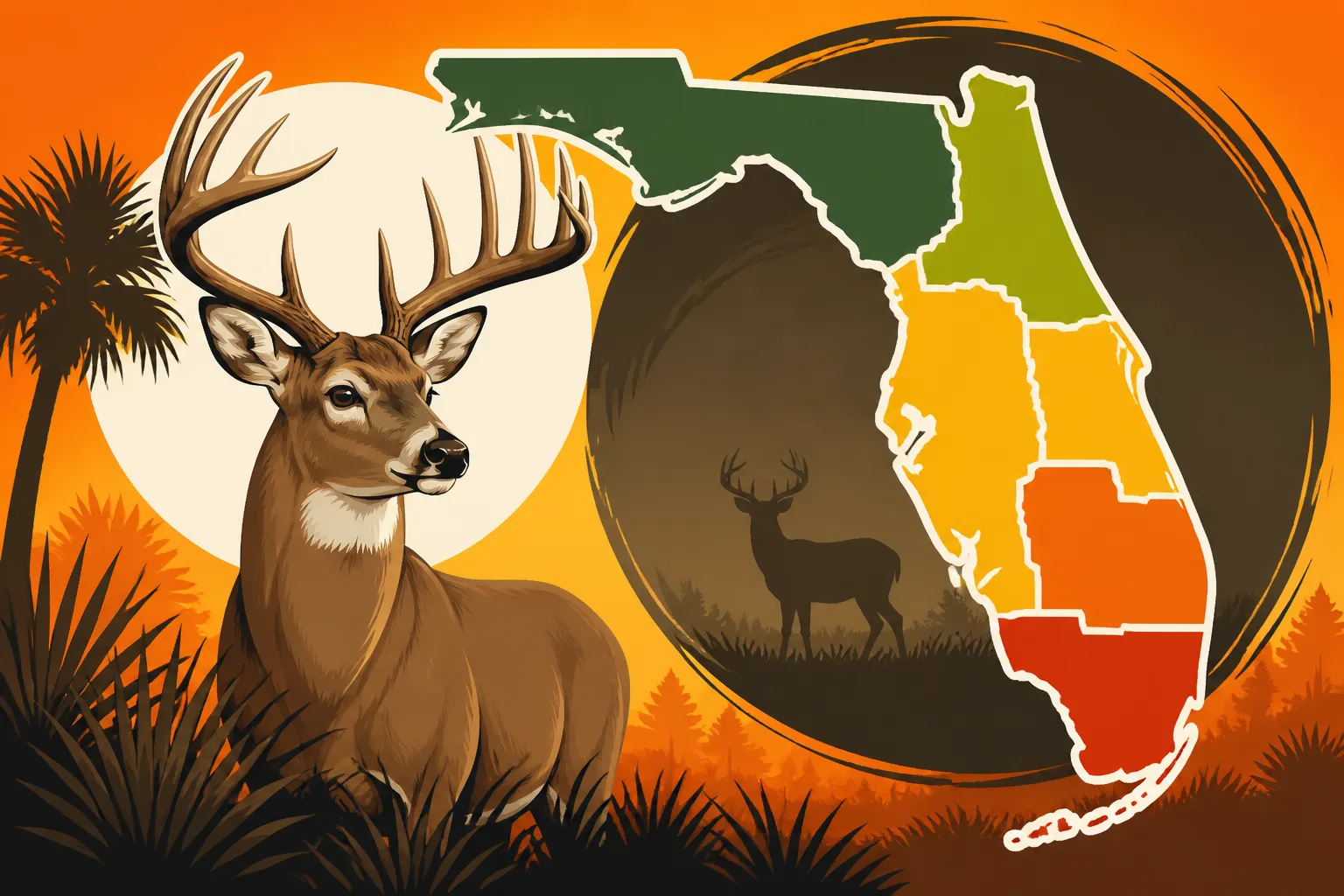
To help you visualize the general timing, here's a quick reference table for the peak rut in each zone:
| Deer Management Zone | General Peak Rut Window |
|---|---|
| Zone A | Late July – Mid-August |
| Zone B | Mid-September – Mid-October |
| Zone C | Late October – Mid-November |
| Zone D | Mid-December – Mid-January |
Remember, these are general windows. Local factors, herd health, and even individual deer can influence specific breeding activity. Always check the official FWC regulations for the most current season dates in your specific zone.
Practical Tips for Hunting the Rut in Florida
Regardless of which zone you're hunting in, there are some overarching strategies that can help you succeed during the rut in Florida. Our unique habitat, often characterized by dense palmetto, pine flatwoods, and cypress swamps, requires a slightly different approach than the hardwood forests of other states.
Scouting and Intel
Never underestimate the power of good scouting, even if you’re using a high-tech tool like GoHunt. Before the season, get out there and look for old rubs and scrapes from the previous year. Identify travel corridors, water sources, and potential bedding areas. Look for clues that reveal Where Florida Bucks Bed in Thick Palmetto.
During the pre-rut, pay close attention to fresh sign. A suddenly appearing scrape line or new rubs are clear indicators that buck activity is picking up. Trail cameras can be invaluable for pinpointing when bucks start showing interest in scrapes or when doe groups are beginning to draw attention. While cameras are useful, nothing beats boots on the ground to confirm what's happening.
Adapting to Florida's Terrain
Florida isn't known for its dramatic topography, but that doesn't mean you can ignore terrain. Small changes in elevation, even just a foot or two, can create subtle funnels that deer use consistently. Consider a slight rise in a swamp, a narrow strip of hardwoods between two clear-cuts, or a small island of oaks in a vast palmetto field. These are all natural congregation points. Knowing how to read Reading Aerial Photos for Florida Deer can give you a huge advantage in identifying these subtle features from above.
When it comes to stand placement, think about prevailing winds and thermals, even in our relatively flat landscape. Hot, humid mornings can create unpredictable swirling winds, especially around thick cover.
Patience and Persistence
The Florida rut, especially in Zones C and D, can be a marathon, not a sprint. You might not see the frenetic activity every single day, but by consistently being in the best spots during the peak windows, you drastically increase your odds. Bucks can show up at any time of day when chasing, so extended sits are often rewarded. Many hunters get frustrated if they don't see action in the first hour, but the buck you're after might be locked down with a doe and only moves at noon when she gets up to feed or drink.
The Role of Doe Density
One factor that heavily influences how "hot" the rut feels is the local buck-to-doe ratio. In areas with a balanced ratio, the rut can be intense and concentrated, as bucks have to work harder to find receptive does. In areas with a high doe population and fewer bucks, the rut can be more drawn out, as bucks have their pick of does and don't feel the same pressure to find them quickly. This can impact how much chasing you observe. Learning about Florida Buck-to-Doe Ratio by Zone can give you valuable context for your hunting area.
After the Peak
Even after the main rut subsides, there's often a "secondary rut" where unbred does come back into estrus. Exhausted bucks will still be on the lookout. This can be a great time to catch a mature buck that has recovered some energy and is cruising for those last few receptive does. Understanding Florida Deer Density by Zone can also help you target areas where deer concentrations might lead to more prolonged rut activity. Look for continued Finding Sign in a Florida Oak Hammock as a key indicator.
The Florida rut might not be as straightforward as some other places, but with the right knowledge and a little persistence, you can definitely capitalize on this exciting time of year. Knowing when to expect that peak activity in your specific zone is the first, and most crucial, step toward a successful hunt.
Disclaimer
This article is for general informational purposes only and does not constitute professional advice. Laws, prices and regulations vary by location and change over time. Consult a qualified professional for guidance on your specific situation.