Hunting Florida’s Zone B Late Rut
Hunting the late rut in Florida's Zone B can feel like a completely different ballgame than the high-energy chaos of the peak. Deer behavior shifts dramatically, and what worked just a few weeks prior might leave you scratching your head, wondering where all the bucks went. This comprehensive guide will walk you through the nuances of hunting the late rut in Zone B, providing practical strategies, scouting tips, and tactical adjustments to help you find success when the breeding frenzy has wound down.
Understanding Zone B's Unique Rut Dynamics
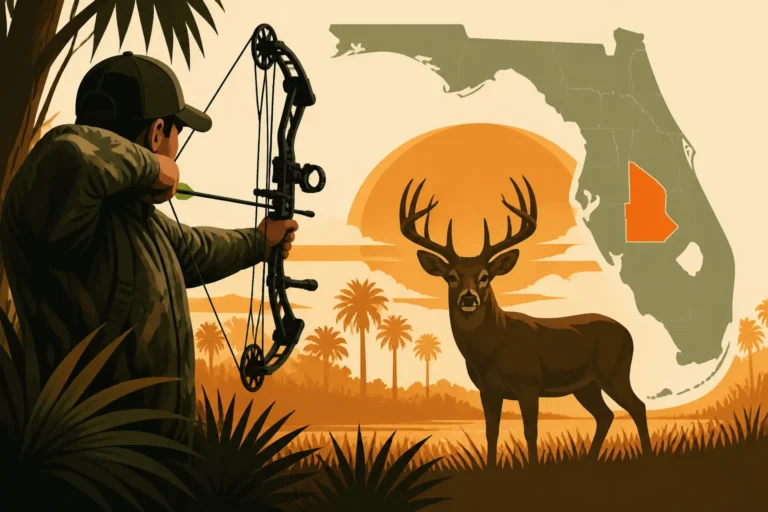
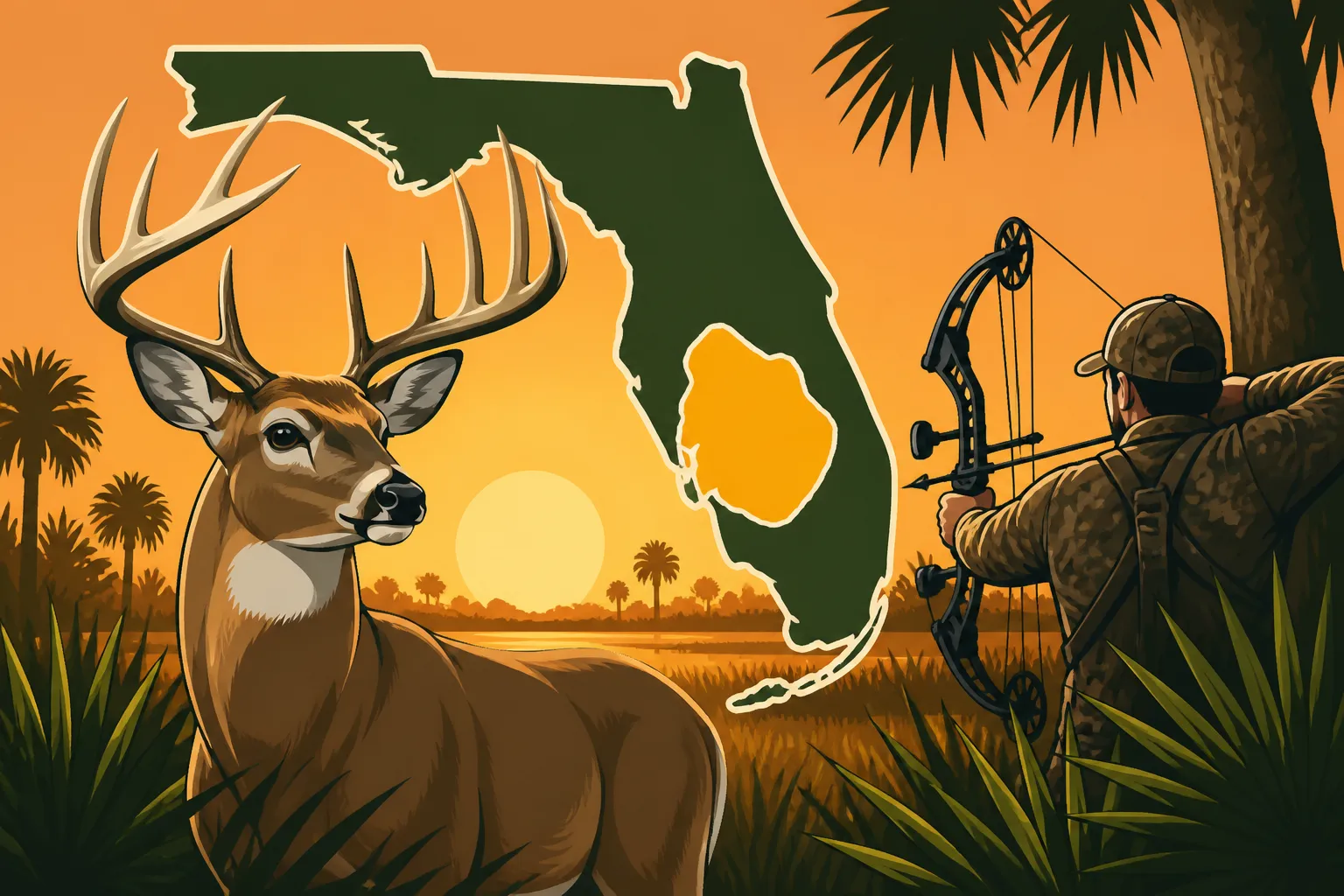
Florida's Zone B, encompassing a significant portion of the peninsula, experiences a rut that often extends later than what many hunters from northern states are accustomed to. While the peak may hit around November, the late rut phase stretches well into December, presenting a distinct set of challenges and opportunities.
The Shifting Sands of the Zone B Rut Peak
Unlike the more condensed, predictable ruts seen further north, Florida's deer seasons vary significantly by zone, and Zone B's rut is particularly interesting. While the primary breeding activity in Zone B often peaks in mid-November, the tails of the rut, where does are still coming into estrus and exhausted bucks are still cruising for one last chance, can easily run through the entire month of December. This protracted breeding window means that while the frenetic chasing might be over, there are still receptive does, and the remaining bucks are intensely focused on finding them. This late timing often throws hunters for a loop because the deer aren't acting like typical "rutting" deer. They might be more cautious, more nocturnal, and certainly less vocal than they were during the peak. Knowing that the action isn't entirely over, but has merely changed its tune, is crucial for staying motivated and adjusting your approach.
Post-Rut Challenges and Buck Behavior
Once the intense peak of the rut subsides, bucks in Zone B enter a recovery phase. They've spent weeks expending massive amounts of energy chasing does, fighting rivals, and often neglecting food. This leaves them run down, sometimes injured, and generally exhausted. Their primary focus shifts from breeding to recuperation and replenishing lost body weight. You'll notice a marked change in their behavior. The swagger is gone, replaced by a more secretive, cautious demeanor. Bucks that were once daylight visible and bold might suddenly become almost entirely nocturnal, only moving during the darkest hours. They'll also likely disperse from the areas where intense rutting activity occurred, seeking out secure, secluded bedding cover close to reliable food sources. This is where patience really pays off, because these bucks are still out there, they're just not advertising their presence as loudly. If you're planning a hunt, it's worth checking out specific dates and nuances for Hunting Florida's Zone B Rut in November to get a broader understanding of the season's progression.
Scouting Strategies for the Late Rut
Effective scouting during Zone B's late rut moves beyond simply looking for fresh scrapes and rubs. You need to shift your focus to what deer prioritize after the breeding has wound down: food, water, and security. This often means hitting the woods with a fresh perspective, seeking out resources that might have been overlooked during the intensity of the peak rut.
Locating Post-Rut Food Sources
As the calendar flips into December, the available food sources for deer in Florida can change dramatically. While acorns might have been abundant earlier in the fall, many varieties will have been consumed or have already fallen and decayed. Your scouting needs to prioritize identifying the remaining high-energy food sources. This often means focusing on the late-dropping acorn varieties, like live oaks, which can still provide a crucial energy boost. But don't stop there. Look for lush green browse that might be popping up after late-season rains, or areas with specific types of palmetto that deer are known to browse. For hunters on private land or WMAs that allow it, planted food plots become absolute magnets. Cool-season plantings like oats, wheat, rye, and clover are prime late-season attractants, providing digestible protein and carbohydrates that bucks desperately need for recovery. Even overlooked areas like old agricultural fields, especially those near thicker cover, can hold deer browsing on residual crops or weeds. Spending time glassing these areas at dawn and dusk can be incredibly revealing. Remember that a deer's primary drive post-rut is to put weight back on, so finding those calorie-rich spots is paramount. For a deeper dive into what's on the menu, read about Late-Season Food Sources for Florida Whitetails.
Identifying Sanctuary and Bedding Areas
During the late rut, bucks become acutely aware of their vulnerability. They've been pushed hard, potentially injured, and are in recovery mode. This means they'll seek out the densest, most secluded cover available for bedding. These sanctuary areas are typically where human pressure is minimal, offering a sense of security while they rest and digest. In Florida's diverse landscape, this could mean anything from thick palmetto heads, impenetrable cypress swamps, dense pine plantations, or even vast expanses of overgrown clear-cuts. When scouting, look for subtle trails leading into and out of these thickets, especially those connecting directly to identified food sources. The trails might not be as pronounced as those you'd find during the peak rut, but they'll be there. Pay attention to wind direction, as bucks will almost always bed with the wind at their back, allowing them to detect danger approaching from their front while also smelling anything that might be behind them. Using satellite imagery or hunting apps like GoHunt can be invaluable here. You can zoom in and identify these dense pockets of cover, marking potential bedding areas and planning your approach to avoid disturbing them. Understanding Where Florida Bucks Bed in Thick Palmetto can give you a significant advantage in these efforts. Effective scouting during this period often means covering a lot of ground, both physically and digitally. If you want to refine your scouting process, a useful resource is Scouting Florida Public Land Before Season.
Hunting Tactics Tailored for Zone B's Late Season
The peak rut allows for more aggressive tactics, but the late rut in Zone B demands a more subtle, patient, and precise approach. Deer are warier, and their movements are less predictable, making careful planning and execution essential.
Still-Hunting and Stand Placement
Still-hunting becomes a highly effective tactic during the late rut, especially in areas with good visibility and dense cover transitions. This involves moving incredibly slowly, pausing frequently to observe your surroundings for extended periods. Think of it as a moving ambush. You're trying to intercept deer moving between bedding and feeding areas, or simply cruising through cover. Pay close attention to subtle movements, the flick of an ear, or the glint of an antler. When choosing stand locations, whether it's an elevated stand or a ground blind, proximity to those crucial post-rut food sources is key. Bucks are prioritizing recovery, which means easy access to calories with minimal exposure. Look for funnels, pinch points, or transition areas between thick bedding cover and feeding grounds. A well-placed stand overlooking a green food plot or a patch of late-dropping acorns, especially one with good wind advantage, can be deadly. However, given the increased caution of late-season bucks, getting into and out of your stand undetected is paramount. Consider using a ground blind if the cover allows for good concealment, especially if you're hunting smaller, more pressured tracts. For insights on navigating dense vegetation, check out Still-Hunting Florida Palmetto Flatwoods. Also, knowing how to effectively use concealment like Using a Ground Blind on Florida Public Land can significantly improve your odds.
Calling Strategies Revisited
During the frantic peak of the rut, aggressive rattling and loud grunts can draw in bucks looking for a fight. However, in the late rut of Zone B, this can often spook weary deer. Your calling strategy needs to become much more subtle and targeted. Bucks are less interested in confrontation and more focused on recovery or finding those last few receptive does. Soft, inquisitive grunts can sometimes pique the curiosity of a passing buck, making him pause or even investigate. Think of it as mimicking a buck that's just casually moving through the woods, not aggressively challenging. Light, tickling rattling sequences, mimicking two bucks sparring rather than all-out fighting, might work, but use them sparingly. The goal isn't to draw a buck into a brawl, but to make him think another deer is nearby, perhaps a doe. Focus on calling when a buck is already in sight and seems to be moving away, or when you're sure there's a buck in the immediate vicinity but he's hung up in cover. Remember that less is often more. Overcalling can be a guaranteed way to send a cautious buck packing. The nuances of calling in thick Florida cover are different from open country, so consider reading Rattling Volume in Thick Florida Scrub and Grunt Calls in a Florida Oak Hammock to refine your technique for this environment.
Gear and Considerations for Late Rut Success
Hunting the late rut in Zone B requires not just a shift in tactics, but also a careful consideration of your gear. The weather can be unpredictable, deer are more elusive, and every detail matters.
Scent Control and Wind Management
Florida's winds can be notoriously fickle, often swirling and changing direction without warning, especially in dense swampy areas or around hammocks. This makes scent control and diligent wind management absolutely critical for late-rut success. Bucks are incredibly sensitive to human odor, and their heightened wariness post-rut means they'll bust you quicker than ever. Start with a thorough scent-elimination routine: scent-free laundry detergent for all your hunting clothes, scent-eliminating sprays for your boots and gear, and showering with scent-free soap before your hunt. Layering clothing is also a good idea, as Florida mornings can be chilly, but midday can quickly warm up.
Beyond personal scent, constantly monitoring the wind is crucial. Use a wind checker puff bottle religiously, checking it every few minutes, especially when you enter new terrain or when ascending/descending from a stand. Play the wind directly to your advantage, always positioning yourself downwind of where you expect deer to approach. If the wind changes and puts you at a disadvantage, be ready to adjust your setup or even relocate. This is where a reliable mapping and wind app, like what GoHunt offers, can be a game-changer. These tools can provide real-time wind forecasts and help you predict thermals, which are localized air currents that can carry your scent in unexpected directions, especially in Florida's flat terrain. Understanding Wind and Thermals in Flat Florida Terrain is essential for effective scent management.
Optics and Patient Observation
With deer being more cautious and often moving in low light conditions, high-quality optics are no longer a luxury but a necessity. A good pair of binoculars, at least 10×42, will be your best friend for spotting subtle movements, identifying deer in thick cover, and confirming antler characteristics at a distance. Consider a monocular or spotting scope if you're hunting larger, more open areas or observing food plots from afar. Patient observation is the cornerstone of late-rut hunting. Rather than constantly moving, pick a spot with good visibility over a potential travel corridor or feeding area and commit to a long sit. Many successful late-season bucks are harvested by hunters who simply out-waited the deer. Use your binoculars to systematically scan every shadow, every cluster of palmetto, and every tree trunk. Deer are experts at blending in, and it often takes a second, third, or even fourth look to discern an ear twitch or a leg from the surrounding foliage. The ability to sit still, remain quiet, and meticulously observe is what separates successful late-rut hunters from those who go home empty-handed.
Public vs. Private Land Approaches in Zone B
Florida offers a mix of public and private hunting opportunities, and the late rut impacts how you approach each. Understanding the unique dynamics of public land pressure versus the advantages of private tracts is key to maximizing your success.
Navigating Public Lands in Late Season
Public lands in Zone B, such as Wildlife Management Areas (WMAs) or National Forests, can be a fantastic resource, but they often come with increased hunting pressure. By the late rut, many of these areas have seen weeks, if not months, of hunter activity. This means deer, especially mature bucks, are incredibly wary and will have adapted their behavior to avoid human contact. You'll likely find that deer are even more nocturnal, stick to the thickest cover, and are quick to detect anything out of place. To succeed on public land during the late rut, you need to be willing to work harder and smarter. This often means going deeper into the woods than other hunters, away from easy access points, roads, and established trails. Look for those overlooked pockets of cover, thickets, or swamp edges that most people avoid. Early morning and late evening hunts, when deer are most likely to move between bedding and feeding, are your best bets. Consider hunting during weekdays when pressure is typically lower. Using mapping tools, like the ones offered by GoHunt, can help you identify remote areas and potential access points that others might miss. Understanding the impact of Hunting Pressure on Florida Public Land is vital for developing effective strategies. This is where your fitness and willingness to push past the easily accessible areas really pay off.
Leveraging Private Land Advantages
Private lands, whether owned, leased, or accessed through a hunting club, offer distinct advantages during the late rut in Zone B. The biggest benefit is often reduced hunting pressure and the ability to implement specific management strategies. On private land, you might find managed food plots that provide consistent, high-energy forage, which becomes incredibly attractive to recovering bucks. Landowners often have trail camera data, historical observations, and a better understanding of deer movement patterns on their specific property. This intelligence can drastically cut down on your scouting time and put you in a prime location.
Another major advantage is the ability to control access and disturbance. If you're part of a well-managed hunting lease, you can coordinate hunting efforts, designate sanctuary areas, and strategically pressure deer to move them in desired directions. This also provides opportunities for targeted mineral sites or supplemental feeding (where legal and appropriate) to aid buck recovery and keep them on the property. While private land access often comes with a financial investment, the enhanced opportunities for a quality late-rut hunt can be well worth it. Before investing in a private lease, it's a good idea to research Florida Hunting Lease Costs to understand the financial commitment.
Recovering Your Deer in Tough Terrain
Successfully harvesting a deer in Zone B during the late rut is only half the battle. The unique Florida environment, with its dense vegetation and varied terrain, can make recovering a downed animal particularly challenging.
Blood Trailing Challenges in Florida
Florida's hunting environments, especially in Zone B, present unique obstacles for blood trailing. Unlike open hardwoods or agricultural fields, you'll often be tracking through dense palmetto thickets, knee-deep cypress swamps, or sandy pine flatwoods. These conditions can quickly obscure a blood trail. Sandy soil, while sometimes showing clear tracks, can absorb blood quickly, making it disappear. Water, whether it's standing puddles or flowing creeks, will wash away any sign. Dense vegetation can wipe blood from an animal's hide, leaving very little for you to follow.
Patience is absolutely paramount. Don't rush the trail. If you lose it, stop, mark your last known spot, and slowly grid-search the area. Look for disturbed leaves, broken twigs, or even small flecks of hair. Bring multiple bright flashlights, even during the day, to help illuminate the ground under dense canopy. If you're hunting with a partner, spread out slightly, but maintain communication. Knowing how to methodically work a lost trail is a skill developed over time, and it's particularly important when the conditions are working against you. For those tough moments, especially after sunset, valuable guidance can be found in Blood Trailing After Dark in Florida.
Essential Recovery Tools
Having the right tools can make all the difference in a challenging recovery situation. Beyond a good flashlight, consider these essentials:
- Tracking Dog: If legal in your area and you know a reputable handler, a trained tracking dog can be an invaluable asset. They can pick up a scent long after a visual blood trail has vanished, dramatically increasing your chances of recovery, especially in thick Florida cover.
- GPS or Mapping App: Mark the spot of the shot, the last blood, and any other significant points on your GPS or phone app (like GoHunt). This creates a digital breadcrumb trail that helps you stay oriented and can be crucial if you need to leave and return with more help.
- Dragging Device: Whether it's a simple drag rope, a sled, or a specialized deer cart (if the terrain allows), having a way to transport your deer out of dense cover will save you immense effort and prevent potential injuries. Florida's sandy soil and thick vegetation can make dragging a heavy buck an absolute nightmare without assistance.
- Gloves and Wipes: Essential for hygiene and for handling the animal. Keep some hand wipes or sanitizer to clean up after the recovery.
- Bright Marking Tape: Use biodegradable flagging tape to mark the blood trail as you find it, making it easier to retrace your steps or guide others.
By being prepared for the realities of Florida's terrain and having the right tools at hand, you significantly increase the odds of recovering your hard-earned buck, ensuring that your late-rut efforts don't go unrewarded.
Understanding Late Rut Buck Behavior
To summarize the crucial differences in buck behavior between the peak and late rut in Florida's Zone B, here's a quick comparison to help guide your strategy adjustments.
| Feature | Peak Rut (Mid-November) | Late Rut (December) |
|---|---|---|
| Primary Focus | Breeding, chasing does, establishing dominance | Recovery, replenishing energy, finding last receptive does |
| Movement | Frequent, often daylight, wide-ranging for does | More nocturnal, direct routes between food/bedding, cautious |
| Vocalization | Aggressive grunts, snort-wheezes, heavy rattling | Subtle grunts, light sparring rattles (used sparingly) |
| Scrapes & Rubs | Actively refreshed, highly visible, fresh sign | Diminished activity, older sign, less emphasis |
| Rutting Behavior | Intense chasing, fighting, territorial displays | Minimal chasing, brief encounters, exhausted demeanor |
| Security Needs | Less concerned, driven by breeding instinct | Highly concerned, seeks dense, secluded cover for safety |
| Food Intake | Often neglected, secondary to breeding | Priority for recovery, seeks high-energy sources |
| Body Condition | Energetic, lean, sometimes injured | Exhausted, significant weight loss, cautious |
This table underscores why a shift in approach is necessary when Hunting the Zone B Rut in November versus the extended December period.
Disclaimer
Please remember that hunting regulations and seasons are subject to change. Always consult the latest Florida Fish and Wildlife Conservation Commission (FWC) regulations before planning any hunting trip. This guide provides general information and strategies, but local conditions and specific rules should always be verified.