Hunting the Zone B Rut in November
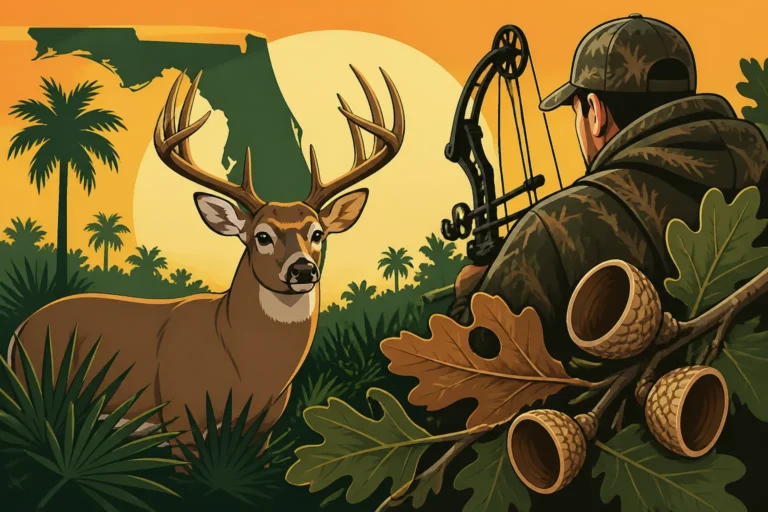
Hunting the Florida rut in November can feel like a completely different ballgame compared to what you see on hunting shows up North. While other states are experiencing crisp, cold air and deer chasing does across frozen fields, Florida deer hunters in Zone B are often contending with lingering heat, mosquitoes, and a rut that can sometimes seem more subtle than explosive. This guide is here to walk you through the unique challenges and effective strategies for successfully hunting the Zone B rut in November, helping you decode whitetail behavior when the mercury isn't exactly plummeting.
Understanding the Florida Zone B Rut in November
Florida's deer rut is famously varied, stretching across different months depending on the specific zone. For those of us hunting in Zone B, November marks the prime time when bucks are actively seeking does. But let's be real, this isn't your typical Northern rut. The weather, the terrain, and the deer behavior itself present a unique set of circumstances that require a Florida-centric approach.
Why Florida's Rut is Different
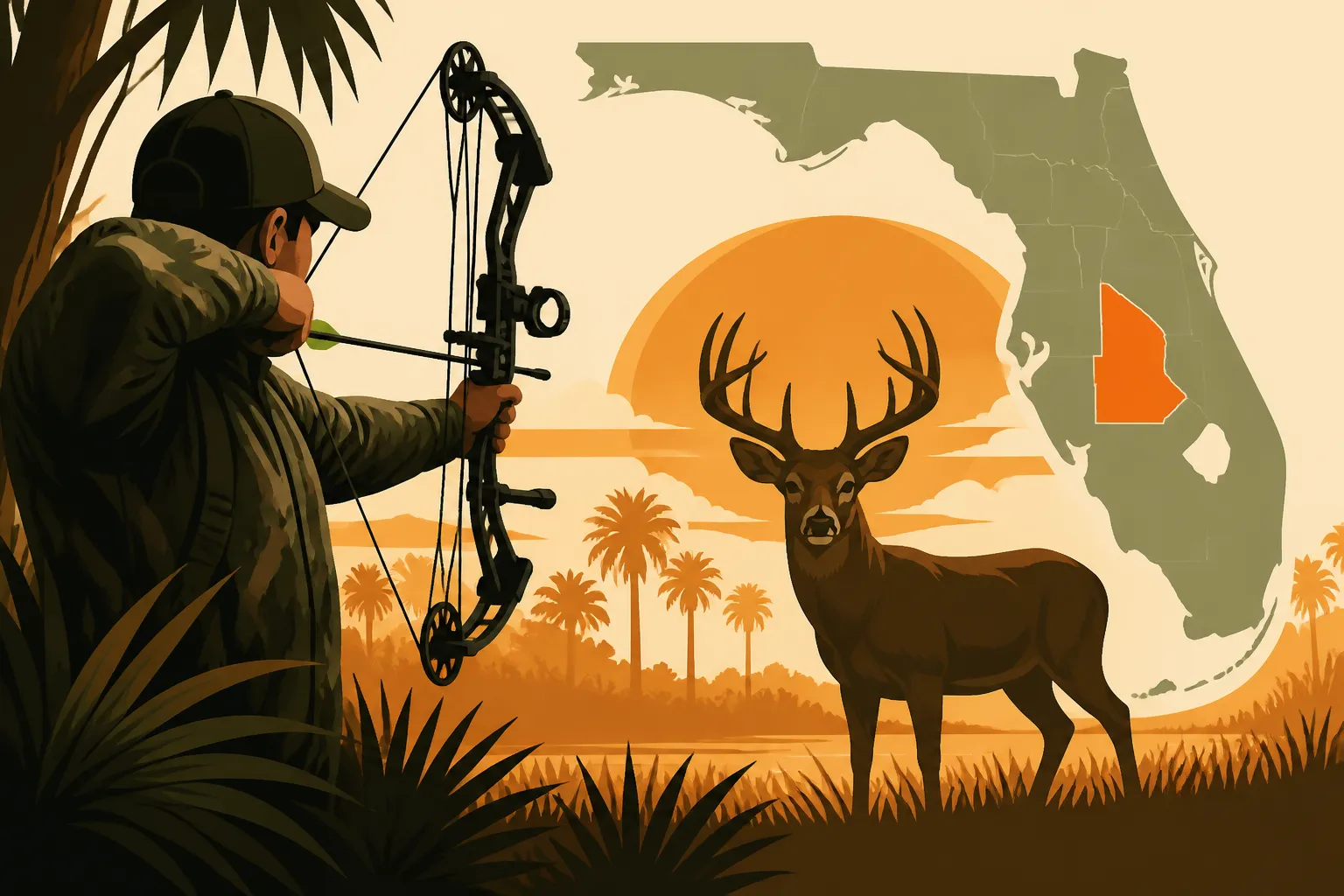
The biggest head-scratcher for many new or visiting hunters in Florida is the timing and intensity of the rut. In Zone B, which covers a significant portion of the central peninsula, including areas around Ocala, Gainesville, and down through the Nature Coast, the rut often peaks in November. This can be a bit of a shocker for hunters accustomed to colder climates. When you're sweating in your camo on Thanksgiving week, it’s hard to believe deer are in full breeding mode. The lack of a dramatic, widespread "cold snap" means deer don't always behave with the same frenetic energy you might associate with the rut elsewhere. Does aren't always running ragged, and bucks might seem less visible, moving more at night or during the cooler parts of the day.
One crucial difference is how the heat influences deer movement. Unlike states where the rut is characterized by all-day buck activity, Florida bucks in November are smart. They know that running hard in 80-degree weather will quickly overheat them. So, while the biological imperative is there, their activity often concentrates around dawn and dusk, or during any brief cool fronts that might roll through. This makes understanding When the Florida Rut Peaks by Zone absolutely vital, as slight shifts in peak activity can dictate your entire hunting approach.
Identifying Peak Rut Activity
Even with the heat, there are undeniable signs that the rut is on in Zone B during November. You'll start to see a significant increase in rub lines and fresh scrapes. Bucks will be tearing up small trees and saplings, leaving their calling cards and marking their territory. These rubs aren't just random; they often follow natural travel corridors and funnel points, indicating areas of heavy buck traffic.
Scrapes are another major indicator. While some scrapes might appear earlier, active scrapes with fresh urine and paw marks are a clear sign that bucks are checking them regularly, looking for does. Pay close attention to scrape lines along the edges of palmetto thickets, old logging roads, or transition areas between different habitat types. These spots are essentially the deer equivalent of dating apps, where they leave messages for receptive does. Don't underestimate the power of these visual and scent markers. Monitoring these signposts can tell you where the action is happening, even if you’re not seeing constant chasing. For a deeper dive into these patterns, consider learning about Scrape Lines Along a Sand Road.
Strategic Approaches for November Rut Hunting
Successfully hunting the Zone B rut in November requires a blend of patience, smart scouting, and adapting your tactics to the Florida environment. You can't just sit in a field and expect deer to pour out; you need to understand their movements in the heat and thick cover.
Focusing on Travel Corridors and Funnels
During the rut, bucks are constantly on the move, scent-checking for does. They're not just wandering aimlessly; they're using the path of least resistance and natural pinch points in the landscape. In Florida's often dense terrain, these travel corridors become absolute hotspots. Think about natural funnels created by cypress swamps, hardwood hammocks, or even changes in vegetation density. A narrow strip of pines between two palmetto heads, or a hardwood ridge running alongside a slough, can be a superhighway for cruising bucks.
I've had some of my best November rut hunts by simply identifying these natural funnels on a map and then confirming them with on-the-ground scouting. Tools like GoHunt's mapping features can be incredibly useful for pinpointing these areas from home. Look for places where deer are naturally constricted, forcing them into a predictable travel path. These might be subtle rises in elevation, dry land edges along wetlands, or even old fencerows that are still standing. A key strategy is Hunting a Funnel Between Two Palmetto Heads, where you can often intercept a buck traveling from one bedding area to another.
Effective Calling and Decoy Tactics
While loud, aggressive calling might be overkill in some Florida situations, subtle calling can definitely draw in curious bucks during the rut. Grunt calls can mimic a buck seeking a doe or an excited challenger, drawing in those territorial bucks. Similarly, soft doe bleats can pique a buck's interest, making him think there's a receptive doe nearby. The key is often moderation, especially on public land where deer might be more call-shy. Start soft, and only increase volume if you're not getting a response.
Decoys can also be effective, especially a lone doe or a small, non-threatening buck decoy placed where it's visible but not overly exposed. A buck decoy placed strategically can challenge a rutting buck, drawing him into range. However, consider the visibility. In thick Florida cover, a decoy might not be seen from far away, so placement is everything. Ensure your setup provides clear shooting lanes around the decoy. Remember that using Grunt Calls in a Florida Oak Hammock can be incredibly effective when combined with visual cues or the element of surprise.
Adapting to Weather and Time of Day
This is where the Florida rut really sets itself apart. Forget about all-day sits in a stand during warmer November days. While a cold front (anything below 60 degrees Fahrenheit feels cold to us Floridians!) will get deer moving at all hours, most November days will still be warm. This means your prime hunting times are going to be those precious first few hours of daylight and the last hour or two before dark. During midday, bucks will often bed down in dense cover, especially near water sources or in shaded hammocks, to escape the heat and insect pressure.
Don't be afraid to take a break during the midday heat. A short, intense morning hunt followed by a strategic evening sit is often more productive than slogging it out all day. This is where Hot-Weather Sitting Strategy in Florida becomes paramount. Consider stand placement that maximizes shade, and always bring plenty of water and insect repellent. Also, pay close attention to wind direction, especially in the mornings as thermals start to rise. The often flat terrain of Florida means wind can swirl unexpectedly, so having multiple stand options for different wind conditions is a smart play.
Essential Gear and Preparation for Zone B
To make your November rut hunt a success, having the right gear and being properly prepared for Florida's unique conditions is non-negotiable. It's not just about your weapon; it's about comfort, scent control, and having the tools to navigate the environment.
Scent Control and Stealth
Florida deer are incredibly wary, and the warm, humid air can carry human scent a long way. Scent control isn't just a suggestion here; it's a necessity. This means using scent-eliminating sprays, washing your hunting clothes in scent-free detergent, and storing them in airtight containers. Even more importantly, play the wind like your life depends on it – because your hunt certainly does. Always approach your stand with the wind in your face or quartering, and choose stand locations that account for prevailing wind patterns.
Beyond scent, stealth is key. The thick palmetto and brush can be noisy, making a quiet approach challenging. Consider wearing quiet fabrics and moving slowly and deliberately. Using GoHunt's wind maps can help you plan your entry and exit routes to minimize scent dispersion. Minimizing noise and visual disturbances on your way in and out of your stand is crucial, especially when bucks are actively cruising for does. Remember, deer might not be moving as much during the day, so any disturbance you create will linger.
Choosing the Right Stand Location
Stand placement is critical for intercepting rutting bucks. In Zone B, you're often looking for intersections of travel, not necessarily wide-open fields. Consider hanging stands on the edges of thick cover, along oak hammocks where acorns might still be dropping, or overlooking known scrape lines and rub routes. Overgrown logging roads or old senderos that cut through dense woods are natural highways for deer.
Ground blinds can also be highly effective in Florida's thick cover, offering concealment and a way to mitigate scent. When Using a Ground Blind on Florida Public Land, make sure it's brushed in naturally and has been out for a while so deer are accustomed to it. Elevated treestands should be placed high enough to get your scent above the deer's nose, typically 15-20 feet. Make sure your stand is sturdy and secured to a healthy tree, and always use a safety harness. Given the unpredictable nature of deer movement during the rut, having a few different stand setups for varying wind directions or deer patterns will dramatically increase your odds.
Hydration, Insects, and Navigation
Don't underestimate the Florida heat, even in November. Dehydration can sneak up on you, so always carry more water than you think you'll need. Electrolyte packets can also be a lifesaver. And then there are the insects: mosquitoes, gnats, and ticks are a persistent reality. Good insect repellent, preferably with DEET, is essential. Treating your clothing with permethrin can also help keep ticks at bay.
Navigating Florida's public lands can be tricky, with vast expanses of similar-looking palmetto and pines. A reliable GPS unit or a mapping app like GoHunt on your phone is an absolute must. Make sure your devices are fully charged and consider carrying a portable power bank. Always mark your stand locations and your entry/exit routes. It's easy to get turned around, especially when heading into or out of the woods in the dark. Being prepared with good navigation tools will not only keep you safe but also ensure you can effectively plan your hunts without worrying about getting lost. For a general overview of licenses, you can refer to Florida Hunting Licenses and What They Cost.
| Rut Activity Indicator | Appearance in November | Typical Location |
|---|---|---|
| Scrapes | Freshly pawed earth, often with urine, overhead licking branch. | Field edges, transition zones, old roads, under low-hanging branches. |
| Rubs | Fresh bark scraped off saplings/small trees. | Along travel corridors, near bedding areas, signposting territory. |
| Buck Movement | Increased daylight activity, especially at dawn/dusk; cruising for does. | Funnels, pinch points, cover edges, near known doe bedding areas. |
| Doe Behavior | Restless, receptive does may stand for bucks; others still being pursued. | Feeding areas, bedding cover, water sources. |
| Vocalization | Grunts, soft bleats from bucks seeking does. | Heard in thick cover, near scrapes, during chasing sequences. |
Maximizing Your Chances in Zone B
Success in the Florida Zone B November rut often comes down to meticulous preparation and a willingness to adapt on the fly. It's a challenging hunt, but incredibly rewarding when you finally connect with that rutting buck.
Pre-Season Scouting and Trail Cameras
The work for a successful November rut hunt starts long before the season opens. Pre-season scouting is absolutely critical. Identifying key bedding areas, food sources, and major travel routes before the deer are pressured will give you a significant advantage. Look for old rubs and scrapes from the previous season, which can indicate perennial buck activity. Walking the property (where allowed) during the off-season can reveal subtle terrain features that act as natural funnels.
Trail cameras are your best friends for monitoring deer activity without introducing human scent. Place cameras on scrape lines, pinch points, or near water sources. Pay attention not just to what deer are there, but when they are moving. This will help you pinpoint those critical daylight movement windows. Understanding how to use cameras effectively can be explored further in Where to Hang a Camera on a Sand Road. Don't just check them once; regular (but careful) checks can give you real-time intelligence on where the rut is heating up.
Patience and Persistence
Florida deer hunting, especially during the rut, often tests your patience. You might not see a parade of deer like in some other states. Deer might be largely nocturnal, or only move during the brief periods of cooler weather. It's easy to get discouraged when the woods seem quiet. But persistence pays off. Those cruising bucks might only show themselves for a few fleeting minutes at dawn or dusk.
Don't give up after a few slow hunts. Stick to your plan, trust your scouting, and be ready when that opportunity finally presents itself. The deer are there, and the rut is happening; it just might manifest differently than you expect. Keep your spirits up, enjoy the unique Florida wilderness, and eventually, your patience will be rewarded. Keep yourself educated on topics like Florida's Four Deer Management Zones Explained to continually refine your understanding of deer behavior in your specific hunting area.
Learning from Each Sit
Every time you go into the woods, whether you see a deer or not, you're gathering information. Pay attention to everything: where does are moving, what food sources they are hitting, where bucks are making rubs and scrapes, and how the wind and thermals affect movement. Did you bump a deer? Learn from it. Did a buck walk by just out of range? Analyze why.
Keep a hunting journal. Document the weather, wind, moon phase, and any deer sightings or sign you find. Over time, this data will help you build a comprehensive understanding of deer behavior on your specific hunting grounds. Every sit is a learning experience, helping you piece together the puzzle of Reading Aerial Photos for Florida Deer and ultimately making you a more effective hunter in Florida's unique rut.
Disclaimer
Hunting is an inherently dangerous activity. Always follow all local, state, and federal hunting regulations. Prioritize safety by wearing hunter orange where required, using a safety harness in treestands, and exercising extreme caution with firearms and archery equipment. Obtain landowner permission before hunting private land. This guide is for informational purposes only and does not replace official regulations or professional guidance.