Bowfishing Florida Rivers in the Off-Season
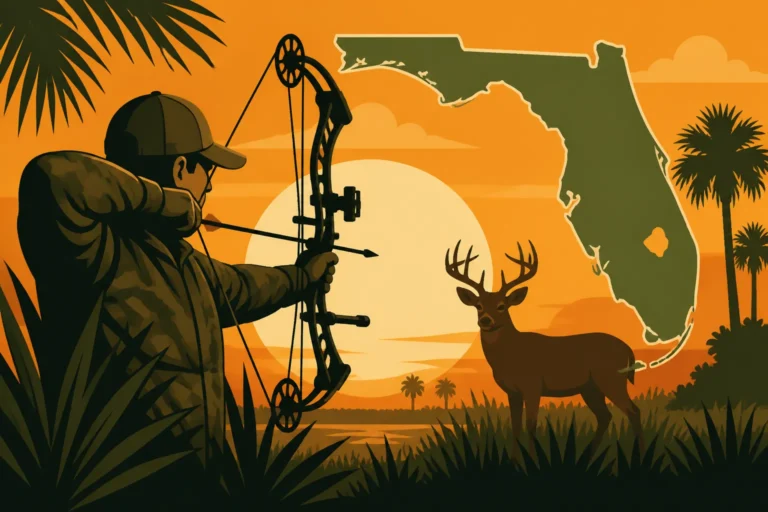
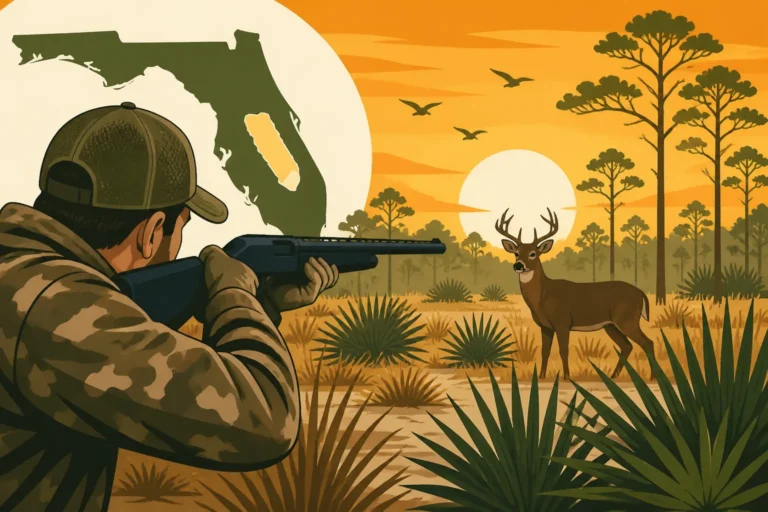
When the Florida deer and turkey seasons close, that familiar itch to be out in the woods or on the water can become a real frustration. You've spent months scouting, preparing, and then suddenly, the legal windows shut, leaving you longing for the thrill of the chase. But don't hang up your gear just yet! Florida's unique ecosystem offers incredible opportunities for bowfishing in its rivers year-round, giving you that much-needed outdoor fix and a freezer full of delicious, invasive fish. This guide will walk you through everything you need to know to get started, from choosing the right rivers to mastering the techniques that put fish in your boat.
The Enduring Appeal of Off-Season Bowfishing in Florida Rivers
There's a special kind of freedom that comes with bowfishing, especially in Florida's vast network of rivers. Unlike traditional hook-and-line fishing or even many hunting seasons, bowfishing for non-native and nuisance species is often a year-round affair, free from the strict bag limits and seasonal closures that can stifle a dedicated outdoors enthusiast. It’s an adrenaline-pumping, skill-testing pursuit that offers a fantastic way to spend those hot summer evenings or crisp winter mornings when other options are off the table. Plus, you're doing a real service for Florida's native ecosystems by removing invasive species that compete with or prey on local wildlife.
Why Bowfishing Fills the Off-Season Void
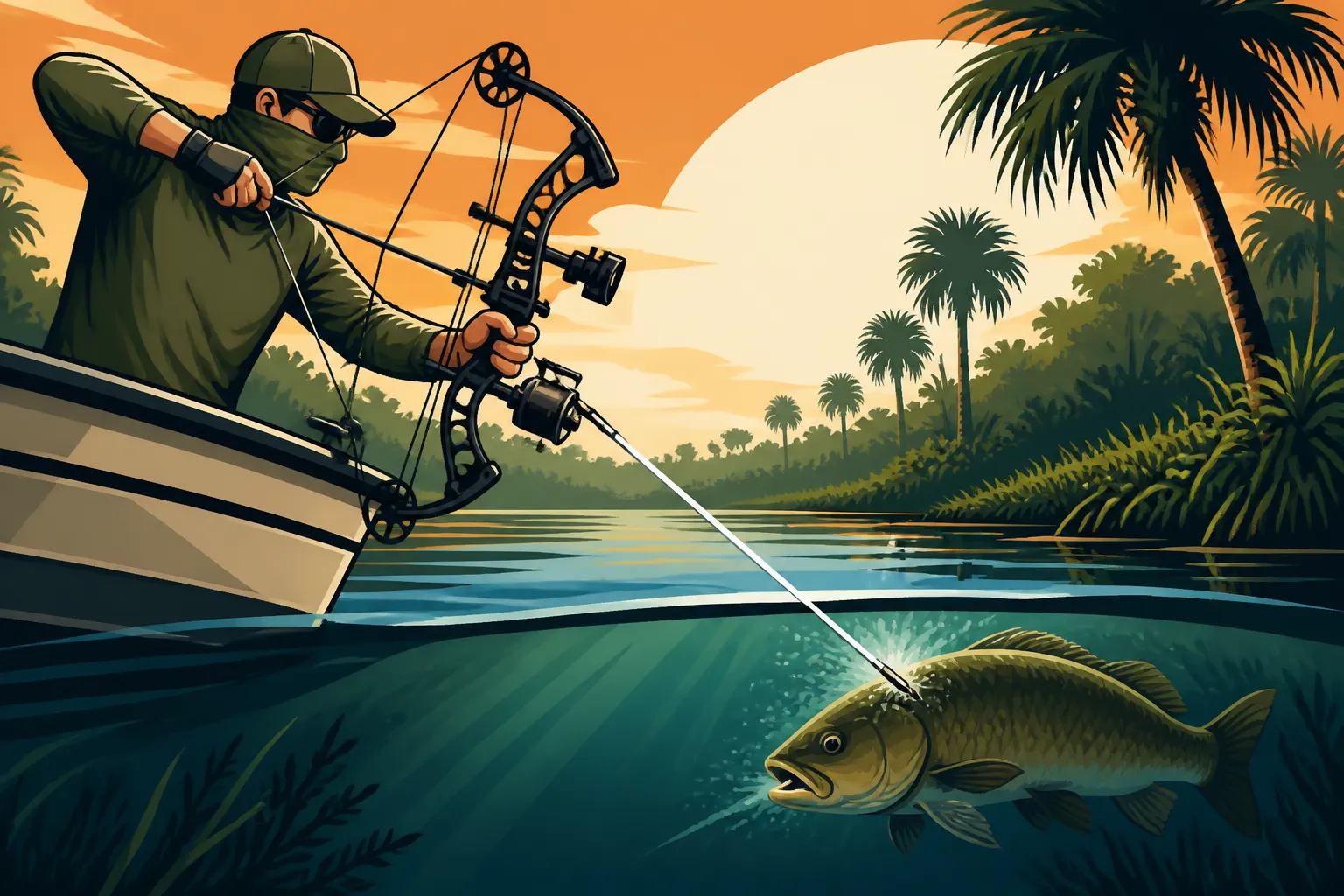
Let's face it, for many of us, hunting isn't just about filling a tag; it's about the connection to nature, the challenge, and the delicious wild game. When the calendar flips past deer or turkey season, that connection can feel broken. Bowfishing steps into that void beautifully. It requires many of the same skills: patience, stealth, keen observation, and precise aiming. Imagine gliding silently down a blackwater river at night, the beam of your spotlight cutting through the darkness, suddenly illuminating the tell-tale dorsal fin of a common carp or the armored plating of a Florida gar. The shot is quick, instinctive, and incredibly satisfying.
It’s also an incredibly social activity if you want it to be. You can take friends or family out, teaching them about fish identification, river navigation, and marksmanship, all while enjoying the unique beauty of Florida's waterways. It’s a completely different rhythm than a quiet deer stand, but equally rewarding. And don't forget the table fare – many bowfished species, like tilapia and carp, are excellent eating when prepared correctly, offering another way to put wild protein on your family’s table.
Understanding Target Species and Regulations
Before you even think about loading up your boat, you absolutely need to understand what you can and cannot shoot, and what the general rules are. Florida is pretty generous with bowfishing regulations, largely because many of the prime targets are invasive or nuisance species.
The most common targets you'll encounter on Florida rivers include:
- Common Carp: These large, powerful fish are ubiquitous in many Florida rivers and can grow to impressive sizes. They often frequent shallow, vegetated areas, making them prime targets. Their flaky white meat is surprisingly good if you know how to prepare it.
- Tilapia: Several species of tilapia, particularly the Blue Tilapia and Mozambique Tilapia, have established themselves in Florida. They prefer warmer, shallower waters and can be found schooling in vast numbers. They're excellent eating and a blast to shoot due to their quick movements.
- Armored Catfish (Plecos): These bizarre-looking fish, often sold as aquarium "algae eaters," have proliferated in many Florida waterways. They’re tough, bony, and not usually sought for food, but they are highly destructive to native habitats by burrowing into banks. They offer a unique challenge due to their hard armor.
- Longnose Gar and Florida Gar: While native, these toothy predators are generally fair game for bowfishing and can provide an exciting challenge. They are also edible, though cleaning them requires a bit more effort due to their bony structure.
- Bowfin: Another native fish often targeted by bowfishers, known for their aggressive nature and good fighting qualities. They also make decent table fare.
Crucially, never shoot a game fish with a bow and arrow. This includes bass, crappie, bluegill, snook, redfish, or trout. If you're unsure, don't shoot. Ignorance of the law is not an excuse, and a mistake can lead to serious fines and penalties. Always double-check the latest FWC regulations, which are readily available on their website, before heading out.
One significant exception to the year-round, unlimited rule is the American Alligator. While you can Bowfishing for Florida Alligators, it requires a special permit from the FWC, usually obtained through a lottery, and strict adherence to specific season dates and harvest methods. This is a highly regulated hunt, not a casual off-season outing. For everything else, though, the rules are generally quite open, allowing for a fantastic, flexible, and accessible hunting method.
Choosing Your Waterways: Best Florida Rivers for Off-Season Bowfishing
Florida is crisscrossed with rivers, from dark tannin-stained blackwater streams to wider, sand-bottomed currents. Each offers unique bowfishing opportunities. Picking the right river at the right time can make all the difference in your success. Think about accessibility, target species, and the time of day you plan to hunt.
Prime Bowfishing Rivers and Their Characteristics
Some rivers in Florida are simply legendary for bowfishing, thanks to their abundant fish populations, favorable habitat, and public access.
- St. Johns River: This is perhaps the most iconic bowfishing river in Florida. Flowing north from central Florida, the St. Johns is wide, relatively shallow in many areas, and absolutely teeming with common carp and various tilapia species. The nutrient-rich waters create perfect conditions for these fish, especially in warmer months. The river is immense, offering endless stretches of shoreline, submerged vegetation, and lily pad fields where fish congregate. Access is plentiful, with numerous public boat ramps from Jacksonville down to Lake George and beyond. Night fishing on the St. Johns, especially around docks and shallow flats, can be phenomenal.
- Kissimmee River: Part of the headwaters of the Everglades, the Kissimmee River and its chain of lakes (Kissimmee, Tohopekaliga, East Lake Toho) are fantastic for bowfishing. These waters are rich in nutrients, leading to healthy populations of carp and tilapia. The river meanders through marshy areas, offering plenty of shallow cover where fish can be ambushed. Like the St. Johns, public access is good, and you'll find plenty of opportunities for both day and night shoots.
- Suwannee River: Known for its unique blackwater character and limestone springs, the Suwannee River, particularly its middle and lower stretches, offers excellent gar bowfishing. While carp and tilapia might be less prevalent in the faster, clearer stretches, the gar population is strong. The numerous sandbars and deeper bends can hold some true giants. The river flows through some truly wild country, so expect a more rugged, wilderness experience. Hunting a Cypress Head at Last Light along the Suwannee's banks could also yield some interesting insights into wildlife patterns that overlap with fish behavior.
- Apalachicola River: In the Florida Panhandle, the Apalachicola River is another powerhouse. This large river system, fed by tributaries from Alabama and Georgia, boasts diverse fish populations, including strong numbers of gar and carp, particularly in its slower-moving backwater sloughs and oxbows. The sheer size of this river means there's always a new bend to explore. For those interested in Hunting Florida's Panhandle Pine Plantations for deer, you'll find that this region also offers incredible aquatic opportunities.
Identifying Productive Bowfishing Spots
Finding where the fish are is the golden rule of any fishing or hunting endeavor. For bowfishing, you're primarily looking for shallow water, cover, and areas where fish congregate to feed or spawn.
- Shallow Flats and Spawning Areas: Many target species, especially carp and tilapia, move into very shallow water (6 inches to 3 feet deep) to feed on vegetation or to spawn. Look for large open flats adjacent to deeper channels or cover. During spring and early summer, fish become very active in these areas. You might see muddy water, fins breaking the surface, or even fish jumping.
- Vegetation and Structure: Lily pads, hydrilla mats, cattails, and submerged timber are all magnets for fish. They provide cover from predators, shade from the sun, and a source of food. Work the edges of these structures slowly and methodically.
- Docks, Bridges, and Seawalls: Man-made structures often attract fish, providing shade, cover, and sometimes even food sources from human activity. At night, the lights from docks can draw baitfish, which in turn attract larger predators and carp. This is where a good mapping tool, like GoHunt, can be invaluable. You can use its satellite imagery and public land overlays to identify boat ramps, potential access points, and pinpoint likely structures or shallow flats before you even launch your boat. It allows you to scout digitally and plan your attack, saving precious time on the water.
- Muddy Water After Rain: While sometimes challenging for visibility, heavy rains can wash nutrients into rivers, stirring up sediment and attracting bottom-feeding fish like carp. Sometimes, a slightly stained water can actually make fish less wary.
A critical part of finding these spots is effective scouting. Just like you'd scout for deer, you need to scout for fish. Pay attention to water temperatures, recent weather patterns, and local reports. And don't forget the utility of apps like GoHunt for identifying property lines and ensuring you're only hunting in areas where you have legal access, especially when you might be close to private waterfront properties.
Essential Gear for Florida River Bowfishing
Bowfishing might seem like a niche sport, but it has its own specialized gear designed for efficiency and durability in aquatic environments. Having the right equipment can make or break your trip, especially when dealing with tough fish and challenging conditions.
The Right Bow, Reel, and Arrows
Your bowfishing setup needs to be rugged, reliable, and capable of handling repeated shots into water and occasionally into hard objects like logs or mud.
- Bow Choice:
- Recurve or Compound: Many bowfishers prefer a simple, traditional recurve bow for its durability, ease of maintenance, and the ability to shoot quickly without letting down. However, compound bows specifically designed for bowfishing (often with lower draw weights, adjustable draw stops for quick shooting, and no sights) are also popular for their power and accuracy. The key is a bow that's easy to draw and hold at full draw for extended periods as you scan for fish. Draw weights typically range from 30-50 pounds, which is plenty for penetrating fish.
- Dedicated Bowfishing Bows: Brands like PSE Archery, Cajun Bowfishing, and Muzzy are well-known for producing bows specifically for this sport. These often come in bright, water-friendly colors and are built to withstand the elements.
- Bowfishing Reel: This is vastly different from a traditional archery release. You'll typically choose between two main types:
- Bottle/Spincast Reel: These are essentially modified spinning reels or bottle-shaped containers mounted to the bow. They offer good line capacity and are generally easy to use. The line spools off the front, allowing for quick retrieval. Muzzy and AMS Bowfishing make excellent bottle reels.
- Drum Reel: A simpler, more robust option, a drum reel is basically a spool on the bow that you manually wrap the line onto. They are incredibly durable and nearly foolproof, but retrieving line is slower.
- Important Note: Never tie your bowfishing line to the reel before shooting if it's spooled from the front like a traditional spinning or fly reel. The line must feed directly from the spool. If the line is tied off, it won't be able to exit the reel, and the arrow will pull the reel clean off your bow, or worse, snap your bowstring, creating a dangerous situation. Bowfishing reels are designed to let the line free-spool with the shot.
- Bowfishing Arrows: These are heavy, solid fiberglass or carbon fiber arrows, much thicker and stronger than hunting arrows. They are tipped with a specialized barbed point designed to penetrate a fish and hold it securely.
- Points: Retractable barbed points (like those from Muzzy or AMS) are popular as they deploy on entry and retract for easy removal from the fish. Fixed points are simpler but can be harder to remove.
- Line Slide: Crucially, bowfishing arrows feature a "line slide" or safety slide system. This ensures the line is in front of the bow and guides the line cleanly off the arrow upon release, preventing "bowfishing backhand" where the line snags and whips back at you.
Boat, Lighting, and Accessories
While you can bowfish from shore or a kayak, for serious river bowfishing, especially at night, a boat is almost essential.
- Boat Type: A flat-bottomed jon boat or airboat is ideal. These boats offer stability, shallow draft, and plenty of deck space. Many serious bowfishers customize their boats with raised shooting platforms to improve visibility and angles for shooting into the water. For navigating Florida's more remote marshes and cypress swamps, an airboat can provide unparalleled access, allowing you to get into areas where other boats can't go. However, remember to check Airboat Access for Everglades Waterfowl or other specific area regulations regarding airboat use.
- Lighting System (for night fishing): Night bowfishing is incredibly effective as fish are often shallower and less wary. A robust lighting system is critical.
- Generators: Most serious setups run off a portable generator (like a Honda EU2200i or similar quiet inverter generator) to power multiple high-wattage LED or halogen lights.
- Lights: Bright, wide-angle LED lights mounted around the perimeter of your boat create a "halo" effect, illuminating the water directly beneath and around your vessel. You'll want to aim them down into the water, not across the surface, to maximize visibility through the water column.
- Other Essentials:
- Polarized Sunglasses: For daytime bowfishing, these are a must-have for cutting glare and spotting fish under the surface.
- Gloves: Protect your hands from fish scales, fins, and the bowfishing line.
- Cooler: Essential for keeping your catch fresh, especially in Florida's heat.
- Safety Gear: Life jackets, first-aid kit, whistle, and navigation lights are non-negotiable.
- Culling Tank/Barrel: A large plastic barrel or cooler filled with water can keep fish alive until you can process them, or for easier transport if you plan to donate them.
- Push Pole: In very shallow water, a push pole allows for silent navigation without spooking fish with a trolling motor.
- Mapping App: A reliable GPS and mapping app on your phone or tablet, such as GoHunt, is indispensable for navigating complex river systems, marking productive spots, and ensuring you stay within public access areas. It's like having a digital scout with you, showing you channels, shallow spots, and potential hazards.
Techniques and Safety for Effective River Bowfishing
Bowfishing isn't just about aiming and shooting; it involves a whole suite of techniques from spotting to retrieving, all while maintaining strict safety protocols. It's a dynamic sport that blends hunting and fishing skills into one exciting package.
Mastering the Art of Spotting and Shooting
Success in bowfishing hinges on your ability to spot fish and then adjust your shot for refraction.
- The Refraction Factor: This is the biggest learning curve for new bowfishers. Water bends light, making fish appear shallower than they actually are. The deeper the fish and the sharper your angle to the water, the more pronounced the effect. The general rule of thumb is "aim low." How low? It's often a gut feeling developed through practice.
- Practice, Practice, Practice: Start by shooting at submerged targets (like a piece of plywood) at known depths in clear water. You'll quickly learn how much to compensate. Every river's water clarity and depth will present a slightly different challenge.
- Spotting Techniques:
- Slow and Steady: Move slowly, whether drifting, trolling, or poling. Fast movement or loud noises will spook fish.
- Look for Movement and Irregularities: Don't just look for an entire fish. Look for a flicker of a tail, a subtle ripple, a shadow, a discolored patch in the mud, or a fin breaking the surface. Tilapia often make a "puff" of mud when they feed.
- Focus on the Edges: Fish frequently hang out along the edges of vegetation, drop-offs, or structure.
- Night Vision: At night, your lights will highlight fish effectively. Look for the glint of scales or the distinct shape of a fish in the illuminated water.
- The Shot:
- Quick and Decisive: Once you spot a target, take your shot quickly but smoothly. Fish rarely hold still for long.
- Follow Through: Just like with traditional archery, a good follow-through is critical for accuracy.
- Power is Key: Aim for a solid hit. A well-placed shot with adequate power will quickly dispatch the fish and ensure it stays on your arrow.
Retrieval, Handling, and Ethical Considerations
Once you've made a good shot, the job isn't over. Proper retrieval and handling are important for safety, efficiency, and ethics.
- Retrieval:
- Keep Tension: After the shot, keep tension on the line. Some fish, like carp, can put up a strong fight.
- Pull, Don't Reel (usually): With bottle reels, you often just pull the fish in by hand rather than cranking the reel, which is typically used for line storage rather than fighting big fish.
- Bring the Fish to the Boat: Don't try to pull the fish straight up; bring it alongside the boat, then lift it into your culling tank or cooler. Be careful of thrashing fish, especially gar with their sharp teeth.
- Handling Your Catch:
- Dispatch Quickly: Once in the boat, dispatch the fish humanely and quickly if it's not already. A short, sharp blow to the head with a blunt object is usually effective.
- Remove the Arrow: Be careful when removing the arrow, especially with barbed points. Keep your hands clear of the point and the fish's mouth.
- Storage: Immediately place fish in a cooler on ice, or in a livewell/culling tank if you prefer. Proper handling ensures good meat quality.
- Ethical Considerations:
- No Waste: While many bowfished species are invasive, they are still living creatures. It's important to utilize your harvest. Many species are excellent to eat. You can also donate them to local charities or even use them as fertilizer for your garden. Florida has liberal hog hunting laws, and some hunters might even use tougher fish for bait when Trapping Feral Hogs on Florida Private Land.
- Respect Public Land: When bowfishing on public waterways or those bordering Public Hunting Land in Florida, always be respectful of other users and private landowners. Clean up after yourself, dispose of waste properly, and avoid disturbing wildlife unnecessarily. Understanding the nuances of Scouting Florida Public Land Before Season will also help you identify not just game animals, but also optimal fish habitat.
Safety Protocols on the Water
Safety is paramount in any outdoor activity involving sharp objects and moving water.
- Bow Safety:
- Always be aware of your backdrop. Never shoot at anything without knowing what's beyond it. While shooting into water, ensure there are no boats, docks, or people in the line of fire.
- Keep your finger off the trigger (release) until you are ready to shoot. This is standard archery practice.
- Proper Line Management: Ensure your line is clear and spooled correctly before every shot. A tangled line can lead to dangerous dry-fires or the arrow snapping back at you.
- Secure your arrow: On a moving boat, make sure your arrow is secured to the bow or in a quiver until you are ready to shoot.
- Boat Safety:
- Life Jackets: Always wear a life jacket, especially if you're alone or in unfamiliar waters. Florida can be unpredictable.
- Navigation Lights: If operating at night, ensure your navigation lights are working and properly displayed.
- Designated Operator: Have a sober, experienced boat operator, especially during night operations.
- Weather Awareness: Florida's weather can change rapidly. Always check the forecast and be prepared for sudden thunderstorms or high winds. If bad weather rolls in, know your exit strategy.
- File a Float Plan: Let someone know where you're going and when you expect to return.
- Stay Hydrated: Even on the water, Florida heat can be relentless. Carry plenty of water and stay hydrated.
Bowfishing Florida rivers in the off-season offers a unique blend of challenge and reward. It's a chance to refine your hunting skills, connect with nature, and bring home some great table fare, all while contributing positively to the ecosystem. So, when the deer stands feel empty, grab your bowfishing rig and hit the water!
Disclaimer
The information provided in this guide is for general informational purposes only and does not constitute legal advice. Hunting and fishing regulations in Florida are subject to change. Always consult the latest Florida Fish and Wildlife Conservation Commission (FWC) regulations and local ordinances before engaging in any hunting or fishing activities. Adherence to all applicable laws and safety guidelines is the sole responsibility of the individual.