Airboat Access for Everglades Waterfowl
The vast, shimmering expanse of the Florida Everglades is an unparalleled wilderness, but for waterfowl hunters, its very beauty can be its biggest challenge. Trying to access prime duck habitat in this unique ecosystem without the right tools is like trying to paddle a canoe across the ocean – utterly futile and deeply frustrating. This guide is dedicated to helping you understand why airboat access is not just a luxury, but often a necessity for successful Everglades waterfowl hunting, and how to navigate this incredible but demanding landscape.
The Indispensable Role of Airboats in Everglades Waterfowl Hunting
Let's be real, the Everglades isn't your typical duck marsh. We're not talking about a simple walk-in or even a short canoe paddle to a flooded timber hole. This is a sprawling, often shallow, labyrinthine wetland where traditional boats simply won't cut it. That's where the airboat becomes more than just a piece of equipment; it's your lifeline to the best hunting grounds.
Navigating the Unique Everglades Landscape
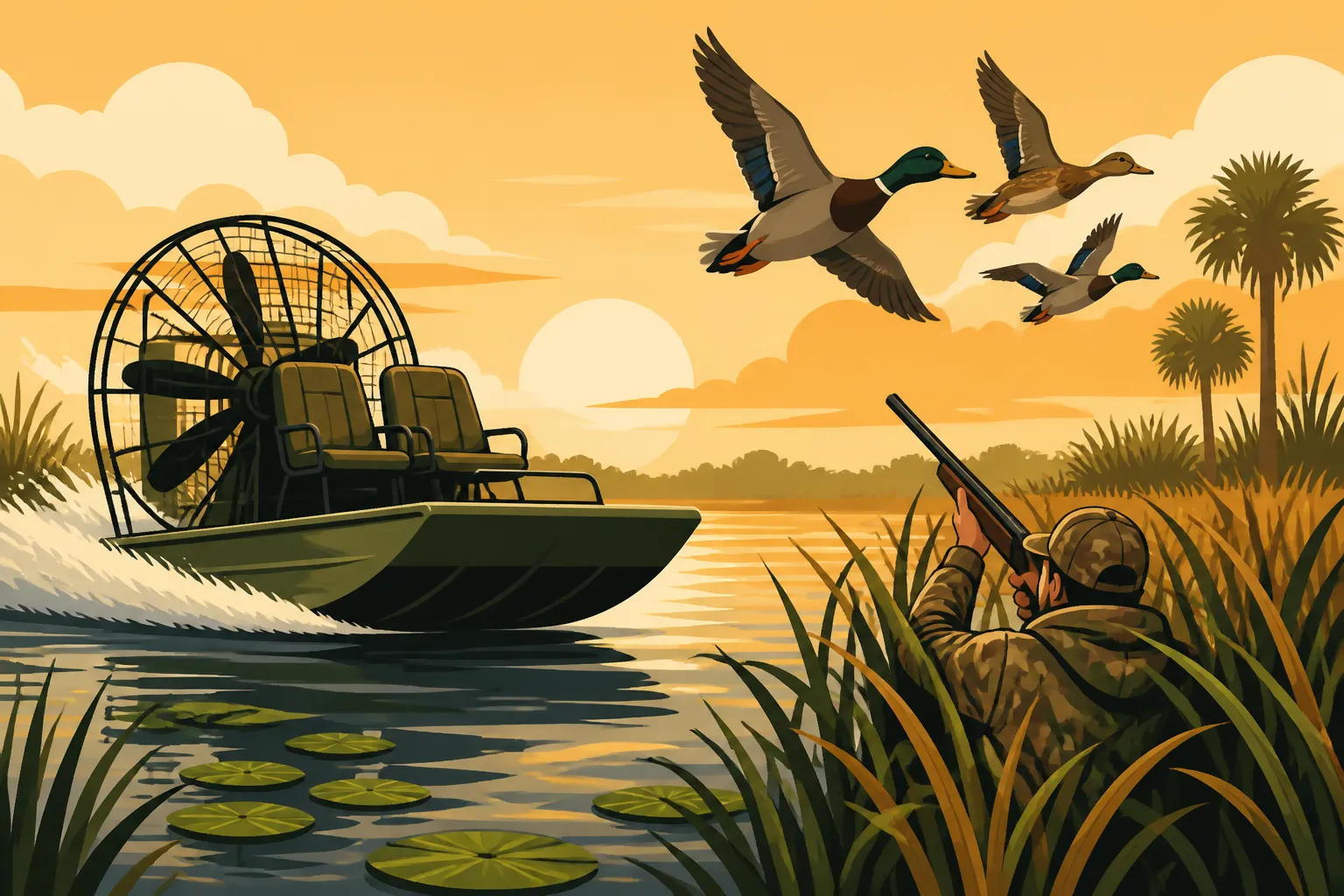
Imagine endless sawgrass prairies, dotted with small tree islands (hammocks), winding sloughs, and water levels that can change dramatically with the season or even a sudden rainstorm. This isn't deep water, but it's not dry land either. It’s often too shallow for an outboard motor, and the dense vegetation, from sawgrass to submerged reeds, would quickly foul any propeller. Trying to drag a canoe or kayak through miles of this could easily turn a morning hunt into a multi-day survival situation. The airboat, with its flat bottom and propulsion system that rides above the water, is uniquely designed to glide over these challenging conditions, making areas that are otherwise inaccessible suddenly reachable. It’s truly a game-changer for anyone serious about Waterfowl Hunting Florida's Marshes.
Accessing Otherwise Impenetrable Roosts and Feeding Grounds
Ducks, especially those wary migratory birds, often choose the most remote, undisturbed areas for roosting and feeding. In the Everglades, these prime spots are almost always deep within the marsh, far from any conventional boat ramp or road. Without an airboat, you’d be limited to the fringes, areas that see heavy pressure from other hunters or simply don't hold the numbers of birds you're looking for. An airboat allows you to push miles back into the heart of the Glades, reaching untouched sloughs and hidden ponds where ducks feel safe and unpressured. This capability drastically increases your chances of finding concentrations of birds and setting up in a truly productive spot, far from the madding crowd.
The Efficiency and Speed Advantage
Time is precious on any hunt, especially when you need to be set up and ready before legal shooting light. Trekking through the Everglades on foot or by traditional boat would take hours to cover even a short distance, eating up valuable scouting and setup time. An airboat, however, can cover vast distances quickly and efficiently. This speed means you can get to your chosen spot well before dawn, deploy your decoys, and be hunkered down, waiting for the first flight of birds to whistle overhead. It also means you can swiftly move between different spots if the initial area isn't producing, or quickly retrieve downed birds that might drift into dense cover. This efficiency isn't just about convenience; it often translates directly into more successful hunts and a safer, more enjoyable experience.
Understanding Everglades Waterfowl Hunting Regulations and Airboat Use
Hunting in Florida, particularly on public lands like the Everglades, comes with its own set of rules and regulations. When you add the specialized nature of airboat access, it’s crucial to understand these nuances to ensure a legal and ethical hunt. The FWC does a great job of outlining these, but interpreting them for real-world application can sometimes feel like solving a riddle.
Specific Zones and Their Access Rules
The Everglades ecosystem is vast and managed by several entities, including the Florida Fish and Wildlife Conservation Commission (FWC) through various Wildlife Management Areas (WMAs). Many of these WMAs, like the Everglades and Francis S. Taylor WMA, are broken down into distinct units or zones, each with specific regulations regarding access, hunting dates, and permissible methods. For instance, certain units might allow airboats only on designated trails or during specific seasons, while others might have different rules entirely. It’s absolutely critical to consult the current WMA regulations handbook for the specific area you plan to hunt. Ignoring these could lead to fines, confiscation of equipment, or even permanent loss of hunting privileges. Understanding Everglades Wildlife Management Area Access is paramount before you even consider launching an airboat.
Permit Requirements and Airboat Restrictions
Beyond your standard Florida Hunting Licenses and What They Cost and migratory bird stamp, hunting in a WMA often requires a WMA Management Area Permit. For airboat users, there might be additional registration or specific permits required for the airboat itself, or a permit allowing its use within certain management areas. These permits are usually designed to manage hunter numbers, reduce impact on sensitive habitats, and ensure safety. You also need to be aware of any restrictions on airboat speed, noise levels, or operating hours. Some areas might have horsepower limitations or require certain safety equipment to be onboard. Always check the FWC website or contact the WMA office directly for the most up-to-date information on airboat-specific requirements. Remember, ignorance of the law is never an excuse in the field.
Safety Regulations and Environmental Considerations
Operating an airboat, especially in the remote and challenging Everglades, demands a strong emphasis on safety. Beyond general boating safety rules, there are specific considerations for airboat operation. This includes wearing appropriate personal flotation devices (PFDs), having navigation equipment (GPS is a must!), and carrying emergency supplies. Due to the high noise levels, hearing protection is not just a recommendation but often a necessity for both operator and passengers.
Environmentally, the FWC strives to protect the fragile Everglades ecosystem. This means airboat operators are expected to adhere to "leave no trace" principles, avoiding damage to sensitive vegetation and being mindful of wildlife, particularly protected species. You'll want to be aware of regulations concerning prop wash, especially in shallow areas where it could churn up bottom sediments or damage delicate plant life. Respecting the environment ensures these hunting opportunities will be available for future generations, and helps preserve a truly unique landscape.
Finding and Vetting Airboat Outfitters and Guides for the Everglades
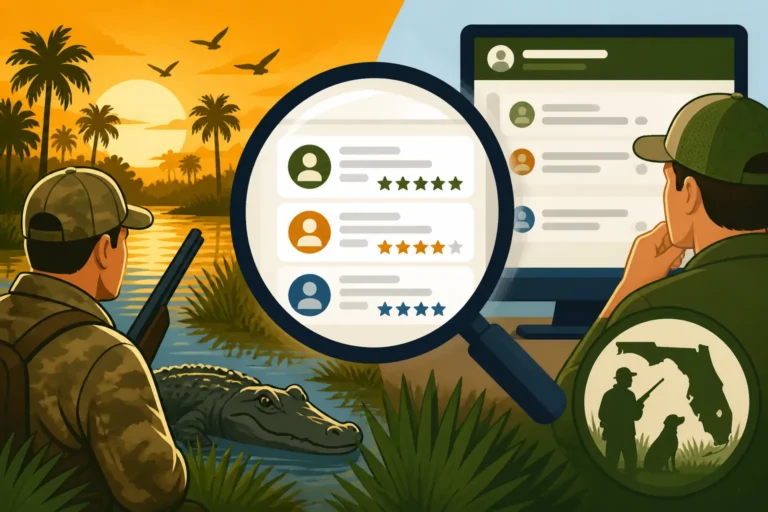
For many, especially those unfamiliar with the Everglades or who don't own an airboat, booking a guided trip is the smartest, safest, and most effective way to experience this unique waterfowl hunting adventure. However, not all guides are created equal, and doing your homework is essential.
The Value of a Knowledgeable Local Guide
Navigating the Everglades, let alone finding ducks within it, is an art form. It requires years of experience to read the subtle changes in water depth, understand the myriad channels and sloughs, and know where birds are likely to be holding given current conditions. A truly seasoned Everglades airboat guide possesses an intimate knowledge of the land, passed down through generations or earned through countless hours on the water. They know the flyways, the feeding grounds, the hidden roosts, and how to adapt to changes in weather or water levels. They also understand the complex WMA regulations and ensure your hunt is fully compliant. Trying to go it alone without this local expertise is a recipe for getting lost, frustrated, and coming home empty-handed. They can literally shave years off your learning curve. Many reputable outfitters like those found on platforms like BookYourHunt specialize in these unique Florida experiences, taking a lot of the guesswork out of finding a good match.
What to Look for in an Everglades Airboat Outfitter
When researching outfitters, start by verifying their licensing and insurance. A legitimate Florida airboat guide or outfitter should be properly licensed by the state and carry adequate liability insurance. Ask for references from past clients; a good outfitter will be proud to share them. Look for guides who specialize in waterfowl or specifically Everglades hunts, rather than general fishing charters that just happen to have an airboat. Their expertise in duck behavior, decoy spreads, and calling will be invaluable. Don't be shy about asking about their equipment: Is the airboat well-maintained and specifically set up for hunting (e.g., with comfortable seating, decoy storage, and dry boxes)? How many people do they take out at once? What kind of safety gear is onboard? A good outfitter will be transparent and eager to answer all your questions, demonstrating their professionalism and dedication to safety and success. You can often find detailed listings and reviews on specialized hunting platforms, helping you narrow down your choices.
Questions to Ask Before Booking Your Hunt
Before you commit, arm yourself with a list of questions. Here are a few to get you started:
- What is included in the price? (e.g., decoys, calling, blind setup, transportation, meals, licenses, processing) Remember, you'll still need your Florida Migratory Bird Certification and applicable licenses.
- What is your typical success rate for waterfowl hunts? While no guide can guarantee a limit, they should be able to provide realistic expectations.
- What species of ducks do you typically target? (e.g., Mottled Ducks, Teal, Ringnecks, Wood Ducks). This helps align expectations with the Florida Duck and Goose Bag Limits.
- What happens if the weather is bad? Understand their cancellation or rescheduling policy in case of high winds, fog, or storms.
- What gear do I need to bring? (e.g., gun, ammo, waders, rain gear, bug spray, snacks).
- How far do we typically travel into the Glades? This gives you an idea of the remoteness and the guide's confidence in reaching prime areas.
- What are your policies on retrieving downed birds, especially in thick cover?
Don't hesitate to use resources like GoHunt or similar aggregators that provide detailed information on different hunt types and connect you with reputable outfitters. Getting these details ironed out beforehand will ensure a smoother, more enjoyable trip.
What to Expect on Your Everglades Airboat Waterfowl Hunt
Stepping onto an airboat for a duck hunt in the Everglades is an experience unlike almost any other. The roar of the engine, the wind in your face, and the vast, open landscape stretching to the horizon are all part of the adventure.
Typical Hunt Day Breakdown
A typical Everglades airboat waterfowl hunt usually begins well before dawn. You'll likely meet your guide at a designated launch point, often a remote boat ramp or airboat trail access. After a quick safety briefing and loading your gear, you’ll embark on what can be a thrilling (and loud!) ride across the marsh. Your guide will navigate through winding sloughs and open prairies, using their deep knowledge of the terrain to reach a prime hunting spot before first light.
Once at your spot, the airboat will be positioned strategically, or perhaps anchored, and the guide will quickly deploy a decoy spread tailored to the species expected and the conditions. You'll then get into your chosen hide, whether it's a brushed-in boat, a layout blind, or a natural hammock edge. The hunt itself will involve periods of calling, watching the skies, and hopefully, some fast-paced shooting as ducks commit to the spread. Depending on the action and bird movement, you might stay in one spot or make a move to another area further into the Glades. After the morning flight, you'll pack up, retrieve decoys, and make the exciting journey back to the launch point, hopefully with a strap full of ducks.
Species You'll Encounter and Decoy Spreads
The Everglades is a melting pot for a variety of waterfowl. While not typically known for massive numbers of big mallards, you'll often encounter a mix of resident and migratory birds. Mottled ducks, a Florida resident species, are common targets and provide excellent sport. You'll also likely see ring-necked ducks, especially later in the season, and various teal species, particularly during the Florida Early Teal Season Dates. Wood ducks can be found in areas with more cypress or tree cover.
Your guide will typically use a spread that mimics a mix of these species, often including mallard, teal, and ringneck decoys. The number and arrangement will depend on the water depth, available cover, and current bird behavior. Sometimes a simple, small spread is most effective, while other times a larger, more elaborate setup is used to attract passing birds from a distance. Calling techniques will also vary depending on the species and conditions, with guides often employing a range of calls to entice wary birds. Understanding Reading a Marsh for a Morning Flight will give you a better appreciation for your guide's choices.
Dealing with Florida's Dynamic Weather Conditions
Florida weather, especially in the Everglades, can be notoriously unpredictable. A hunt can start under clear, starry skies and quickly turn into a torrential downpour, or a glassy calm morning can transform into a windy, choppy nightmare. High winds can make airboat travel challenging and limit a duck's willingness to commit to decoys. Fog can roll in thick and fast, grounding airboats until visibility improves, which is a major safety concern. And, of course, the heat, even during winter months, can be a factor.
Your guide will constantly monitor weather forecasts and make decisions based on safety and hunting conditions. It's crucial for you to come prepared for all possibilities: layered clothing for warmth or cooling, quality rain gear, and plenty of hydration are non-negotiable. Being flexible and understanding that Mother Nature dictates the terms of the hunt is key to having a positive experience, regardless of what the weather throws at you.
Essential Gear and Preparation for a Successful Airboat Hunt
Going on an Everglades airboat waterfowl hunt requires specific gear and careful preparation. Unlike a typical deer hunt from a treestand, you'll be exposed to the elements, the noise of the airboat, and potentially very wet conditions. Being properly equipped makes all the difference for comfort, safety, and success.
Personal Gear: Clothing, Waders, and Eye/Ear Protection
Your clothing strategy should revolve around layers. Even if it's chilly in the pre-dawn hours, the Florida sun can quickly warm things up. Opt for moisture-wicking base layers, insulating mid-layers, and a waterproof/windproof outer shell. Camouflage patterns that blend with the sawgrass and marsh vegetation are ideal. Waders are almost universally required, as you'll likely be stepping out of the airboat into shallow water to set decoys, retrieve birds, or simply move around. Breathable chest waders are often preferred, even in cooler weather, to prevent overheating.
Eye protection, such as sunglasses or shooting glasses, is crucial not only for sun glare but also to protect against prop wash, flying debris during the airboat ride, or stray pellets. Hearing protection is non-negotiable. The noise from an airboat engine is significant, and prolonged exposure can cause permanent damage. Good quality earplugs or electronic hearing protection designed for shooting will protect your hearing and still allow you to hear your guide and fellow hunters.
Shotguns, Ammunition, and Decoy Considerations
For waterfowl, a reliable 12-gauge shotgun is the standard, though some hunters prefer a 20-gauge for lighter recoil. Make sure your shotgun is cleaned, tested, and ready for action. Non-toxic shot is legally required for waterfowl hunting throughout Florida, so ensure you have plenty of steel, bismuth, or tungsten-based ammunition. Shot sizes typically range from BB to #4, depending on the species you're targeting and personal preference. Bring enough shells for a full day of hunting; it's always better to have too many than too few.
Your guide will usually provide the decoys, as they have spreads specifically designed for the Everglades and the local bird populations. However, if you're bringing your own, ensure they are durable and realistic. Keep in mind space on an airboat can be limited, so discuss decoy needs with your guide beforehand. Setting up Decoying Wood Ducks in a Cypress Slough might be a specific tactic if your guide knows where those birds are holding.
Navigating Logistics: Food, Water, and Emergency Supplies
Being out in the remote Everglades means you need to be self-sufficient. Pack plenty of water, even on cooler days, to stay hydrated. Snacks like energy bars, sandwiches, or fruit are essential to keep your energy up throughout the long morning. A small, waterproof dry bag is invaluable for keeping your phone, wallet, keys, and any other sensitive items safe and dry.
Consider a basic emergency kit: a small first-aid kit, a whistle, a powerful flashlight (even if hunting during the day, for unexpected delays), and a fully charged power bank for your phone. While your guide will have their own safety protocols and equipment, being prepared for personal needs is always a smart move. Always inform someone back home of your hunting plans and expected return time. This is especially true for remote excursions.
| Aspect | Guided Airboat Hunt | Self-Guided Airboat Hunt (with owned airboat) |
|---|---|---|
| Experience Level | Ideal for beginners or those new to Everglades | Requires extensive Everglades navigation experience |
| Equipment Needed | Personal shotgun, ammo, waders, clothing, eye/ear protection | All of the above PLUS an airboat, maintenance, fuel |
| Navigation | Relies on guide's expert knowledge of the marsh | Requires personal GPS, maps, and deep local knowledge |
| Finding Birds | Guide's scouting and experience locates prime spots | Requires extensive personal scouting before the hunt |
| Cost | Guide fees (often includes decoys, setup, expertise) | Initial airboat purchase, ongoing maintenance, fuel, permits |
| Safety | Guide handles navigation, emergencies, and local hazards | Full personal responsibility for all safety aspects |
| Logistics | Simpler, guide handles most on-water arrangements | More complex, responsible for all setup, recovery, etc. |
| Permits | Still need personal hunting licenses/stamps; guide might handle airboat permits | Personal hunting licenses/stamps PLUS airboat registration/permits |
Disclaimer
This article is for general informational purposes only and does not constitute professional advice. Laws, prices and regulations vary by location and change over time. Consult a qualified professional for guidance on your specific situation.