Florida Early Teal Season Dates
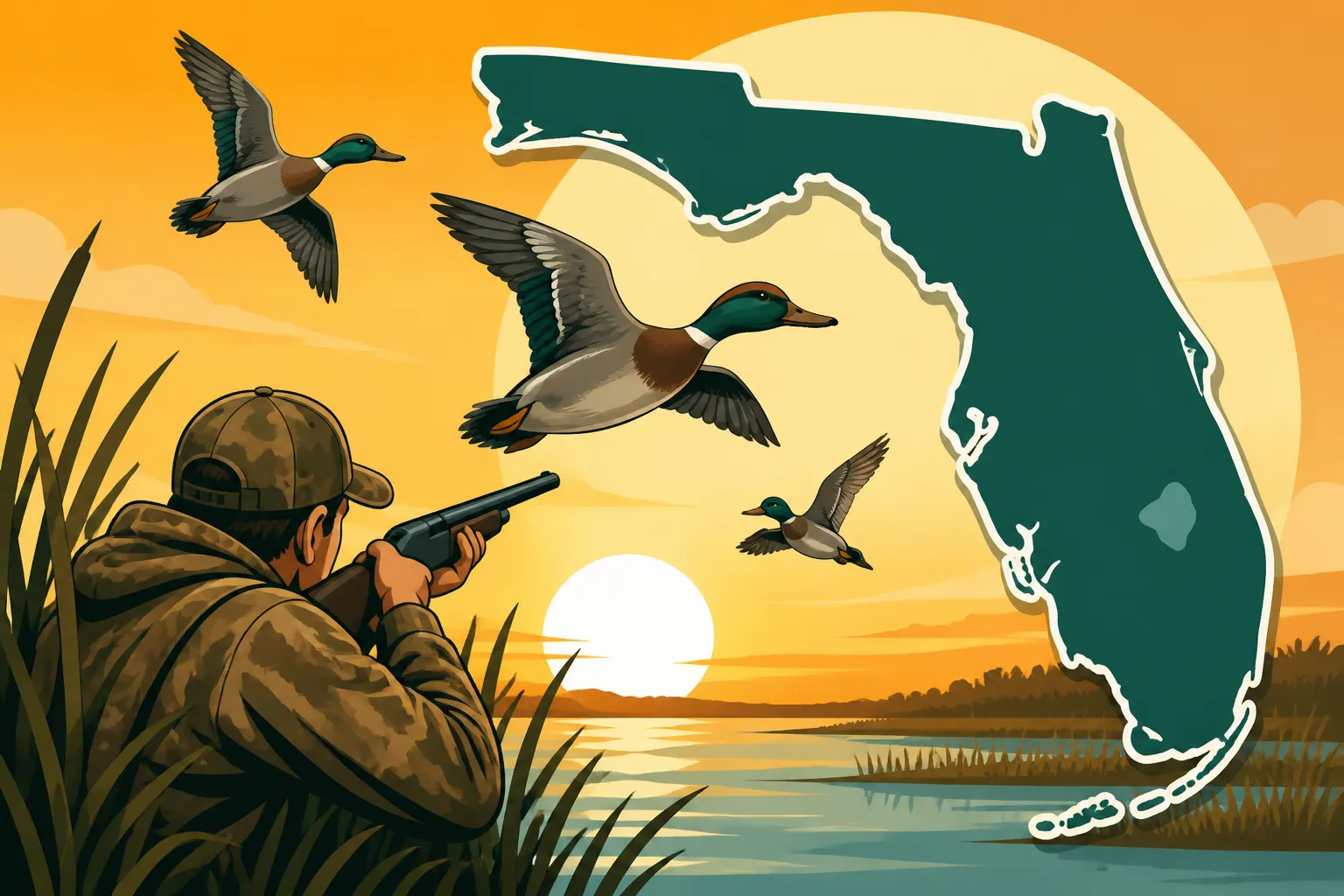
Florida's early teal season is a special time, a brief window that kicks off the waterfowl season long before the main duck migration arrives. But getting out there can be a bit confusing, especially with the sweltering heat and the quick, darting flight of these speedy birds. This guide will walk you through everything you need to know about Florida's early teal season dates, the licenses you'll need, and some practical strategies to make your hunt successful and safe.
Understanding Florida's Early Teal Season Dates
For many waterfowlers in the Sunshine State, the early teal season is a highly anticipated event, a chance to shake off the summer rust and get back into the marsh. It’s a short, intense season specifically targeting blue-winged and green-winged teal before the full migratory push of other duck species. Knowing these dates precisely is critical, as missing this narrow window means missing out entirely.
Why Early Teal Season is a Unique Opportunity
The early teal season in Florida is truly distinct. Unlike the main duck season, which runs much later in the year, this special hunt usually takes place in early to mid-September. This means hunters are often dealing with very warm temperatures, high humidity, and active mosquitoes – a far cry from the crisp, cool mornings typically associated with duck hunting up north. However, it's also a fantastic opportunity to target large numbers of teal that stage in Florida before continuing their migration further south. These birds are often less pressured than later-season ducks, offering some exciting fast-paced action. It's an opener that gets the blood pumping and reminds us why we love chasing waterfowl.
Official FWC Season Dates for Early Teal
The Florida Fish and Wildlife Conservation Commission (FWC) sets these dates annually, and while they can shift slightly from year to year, the early teal season typically runs for a specific nine-day period in September. For example, for the 2024-2025 hunting season, the early teal season dates in Florida were September 1-25. It's crucial to always double-check the current year's FWC migratory bird regulations, as these dates are subject to change based on federal frameworks and biological data. You can usually find these regulations published well in advance on the FWC website, or by checking reliable hunting apps and resources like GoHunt, which often compile this information for quick access. This concentrated nine-day period means you need to be ready to go when it opens, making scouting and preparation even more important.
Regional Variations and Considerations
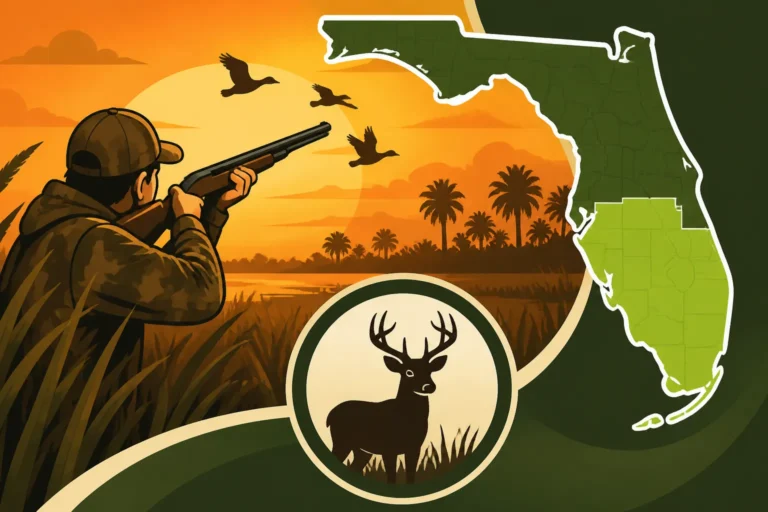
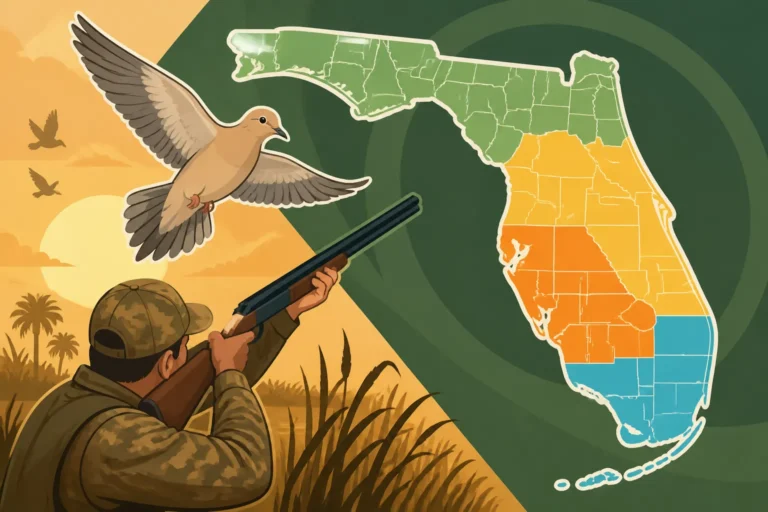
While the statewide dates for early teal season are uniform across Florida, the availability and quality of hunting opportunities can vary significantly by region. For instance, the vast marshes and flooded agricultural fields of South Florida, like those found within the Everglades and Big Cypress, can be prime locations as teal move through. However, accessing these areas might require specialized equipment like airboats, or a willingness to navigate dense, challenging terrain. Further north, areas around Lake Okeechobee or certain public lands within the Panhandle might also hold good numbers of teal, especially those with extensive shallow water and emergent vegetation. It's not just about the dates, but also about knowing Which Zone Covers Your Florida County for other species and understanding how different waterfowl habitats across the state attract these early migrants. Always consider local conditions, such as water levels, which can make or break a teal hunt. A marsh that was teeming with birds one year might be completely dry the next, pushing birds elsewhere.
Essential Licenses and Stamps for Teal Hunting
Just knowing the season dates isn’t enough; you need to ensure all your paperwork is in order before you step foot in the marsh. Florida has specific requirements for migratory bird hunting, and neglecting any of these can lead to fines and a ruined hunt. It's a bit more involved than just a general hunting license, so let's break it down.
State Hunting License and Migratory Bird Certification
First and foremost, every hunter needs a valid Florida hunting license. This is your baseline permit to hunt any game in the state. For waterfowl, however, you’ll need an additional endorsement: the Florida Migratory Bird Permit. This permit, sometimes referred to as a certification, is required for anyone hunting migratory birds, including ducks, geese, doves, and of course, teal. It’s important because it helps the FWC gather data on migratory bird hunters, contributing to conservation efforts. This isn't a separate physical stamp, but rather an addition to your hunting license profile. You can typically purchase it online through the FWC website or from authorized license agents. Don't overlook this crucial step; it's a small fee but a vital component of legal waterfowl hunting in Florida. Make sure you understand the requirements for Florida Migratory Bird Certification before heading out.
Federal Duck Stamp and HIP Requirements
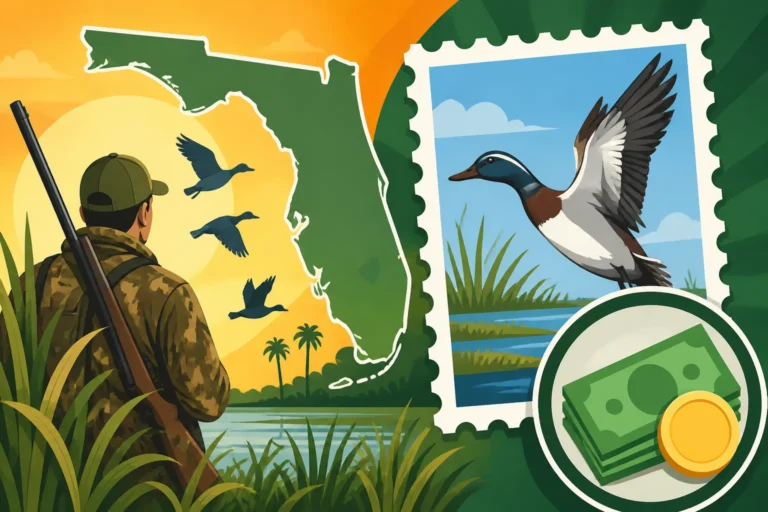
Beyond the state requirements, federal regulations also come into play when hunting migratory waterfowl. Every waterfowl hunter 16 years of age or older must possess a valid Federal Duck Stamp. This isn't just a formality; 98 cents of every dollar spent on a Federal Duck Stamp goes directly to conserving wetlands and purchasing habitat for the National Wildlife Refuge System, benefiting countless species of migratory birds. This stamp must be signed across the face and carried with you while hunting.
In addition to the Federal Duck Stamp, you also need to participate in the Harvest Information Program (HIP). This program is designed to collect harvest data from migratory bird hunters to help wildlife agencies make sound management decisions. When you purchase your migratory bird permit (or sometimes when you buy your state license, it's prompted), you'll be asked a series of questions about your previous year's hunting success for various migratory species. It's quick, painless, and absolutely required. Think of it as your contribution to conservation data. Ensure you've completed your Florida HIP Certification for Bird Hunters before you go.
Youth and Apprentice Hunter Considerations
Florida offers pathways for younger and newer hunters to experience the early teal season. Youth hunters, typically those 15 years old and younger, may have reduced or waived license fees, but still often need to adhere to federal requirements like the Federal Duck Stamp if they are 16 or older. It's an excellent way to introduce them to waterfowling without the full financial burden.
For adults new to hunting, Florida has an Apprentice Hunter License program. This allows individuals to hunt under the supervision of a licensed adult hunter without first completing a hunter education course. It's a fantastic program for those who are curious about hunting but haven't had the chance to go through the full hunter education process yet. Just remember, the supervising adult must be at least 21 years old and possess a valid Florida hunting license. These programs are designed to encourage participation and pass on our hunting heritage, so don't hesitate to take advantage of them if they apply to you or someone you're mentoring. You can learn more about Florida Mentored Youth Hunting Rules or the apprentice program directly from the FWC website.
Here's a quick reference table for the key permits and stamps needed for early teal season:
| Permit/Stamp | Required For | Purpose | Where to Obtain | Typical Cost (Approx.) |
|---|---|---|---|---|
| Florida Hunting License | All hunters (16+) | Basic authorization to hunt in Florida | FWC Website, License Agents | Resident: $17, Non-resident: $49-151 |
| Florida Migratory Bird Permit | All migratory bird hunters (16+) | State endorsement for migratory birds; data collection | FWC Website, License Agents | $3 |
| Federal Duck Stamp | All waterfowl hunters (16+) | Federal authorization for waterfowl; wetlands conservation | Post Office, FWC Website | $25 |
| HIP Certification | All migratory bird hunters | Harvest Information Program; federal data collection (free survey) | FWC Website | Free |
Costs are approximate and subject to change by FWC and federal regulations.
Strategies for a Successful Early Teal Hunt
Hunting early teal in Florida is a unique challenge. The birds are fast, the weather is hot, and the habitat can be unforgiving. But with the right strategy, you can enjoy some truly memorable hunts. It's about understanding the birds, their environment, and how to effectively position yourself for success.
Key Habitats to Scout for Teal
Teal, particularly blue-wings, are creatures of shallow water. They prefer marshes, flooded fields, and the edges of larger bodies of water where emergent vegetation like smartweed, millet, and widgeon grass provide both food and cover. During the early September migration, they're looking for these nutrient-rich areas to fuel their journey south. Scouting is paramount. Before the season opens, spend time driving or hiking around potential hunting spots, looking for fresh sign. Glass large expanses of water with binoculars from a distance at dawn or dusk to spot flocks. Pay close attention to water levels, as a slough that held birds last year might be bone dry, or conversely, a new area might be flooded and attracting them. Aerial photos from a mapping app like GoHunt or satellite imagery are invaluable tools for identifying these shallow, vegetated areas. Look for bottlenecks where birds might funnel, or remote pockets that offer seclusion from other hunters. Knowing Reading a Marsh for a Morning Flight can make all the difference in finding these elusive birds.
Decoying and Calling Tactics for Early Birds
Teal are notoriously fast flyers, but they can be incredibly susceptible to decoys and calling, especially early in the season before they've been heavily pressured. A spread of a dozen to two dozen teal decoys, typically blue-winged or green-winged, is usually sufficient. Arrange them in a loose, open pattern to simulate birds feeding and resting. Sometimes, a small spinning-wing decoy placed near the edge of your spread can be a real magnet, especially on calm mornings, drawing the attention of high-flying birds. For calling, a high-pitched "kicker" or "come-back" call can work wonders to grab their attention. Once they commit, softer quacks and feeding chuckles can seal the deal. Remember, these birds are small, so lead them generously! Don't be afraid to experiment with your spread and calling cadence; what works one day might not the next. While primarily for other species, understanding techniques like Decoying Wood Ducks in a Cypress Slough can provide insights into effective decoy placement in vegetated areas.
Weather and Water Level Impact
Florida's early September weather can be brutal. High temperatures and humidity are the norm, often accompanied by pop-up afternoon thunderstorms. This weather directly impacts teal behavior. Birds might be more active earlier and later in the day to avoid the midday heat. Thunderstorms can push birds around, so being aware of the forecast is crucial. Water levels are perhaps the most critical factor. Teal need shallow water to feed, and if recent rains haven't filled marshes or if drought conditions persist, birds will bypass areas they would typically frequent. Conversely, significant rainfall can create new, temporary feeding grounds that hold birds for a short time. Always check local water level reports if available, or observe the conditions firsthand. This often means adjusting your hunting plans last minute, shifting from one spot to another based on where the water and the birds are. This dynamic environment means flexibility is key to successful early teal hunting.
Gear and Preparation for Warm-Weather Waterfowling
Hunting in Florida’s early teal season isn't like hunting ducks in a frozen Minnesota cornfield. The heat, humidity, and unique terrain demand specific gear choices and careful preparation to ensure both comfort and safety. Being ill-equipped can quickly turn a fun hunt into a miserable, even dangerous, experience.
Lightweight Camouflage and Waders
Forget the heavy insulated waders and thick parkas. Early teal season calls for the exact opposite. Lightweight, breathable camouflage is your best friend. Many hunters opt for thin, quick-drying synthetics in a pattern that blends with Florida's typically green and brown marsh vegetation. Long sleeves and pants are still advisable to protect against sun, mosquitoes, and abrasive sawgrass, but choose fabrics designed for ventilation.
When it comes to waders, you'll want uninsulated chest waders. Neoprene is far too hot; instead, look for breathable GORE-TEX or similar material waders. Some hunters even forgo waders entirely in favor of lightweight fishing pants and waterproof boots if the water is shallow enough, especially in areas where airboat access is common. The goal is to minimize heat buildup and maximize mobility. Remember, you'll likely be slogging through mud and water, so comfort is paramount. Make sure your footwear is sturdy and won't get sucked off in the muck.
Ammunition and Shotgun Selection
For teal, you don't need heavy loads or magnum shot sizes. These are small birds, and often, you'll be shooting at close ranges over decoys. Steel shot, as required for all waterfowl hunting, in sizes #4 or #6 is usually perfect. Some hunters prefer #7 steel for a denser pattern on these smaller birds. Fast loads are always a good choice to compensate for their blistering speed. A 12-gauge shotgun is most common, but a 20-gauge with appropriate steel loads can be very effective and lighter to carry in the heat.
Consider your choke selection carefully. An Improved Cylinder or Light Modified choke is often ideal for close-range teal over decoys, providing a wide enough pattern to catch these quick flyers. For pass-shooting, a Modified choke might be better. Bring plenty of shells; teal often come in groups, and the action can be fast and furious, leading to more shots taken than usual. Don't forget, the Florida Duck Daily Bag Limit for teal is generous, so you might be going through a box quickly!
Hydration and Safety in Florida's Heat
This is perhaps the most critical aspect of early teal season preparation. Florida in September is hot. Dehydration and heatstroke are real risks. Carry more water than you think you’ll need – a gallon per person is not an exaggeration, especially if you’re doing a lot of walking or working in the sun. Electrolyte drinks or powders can also be a lifesaver. Start hydrating the day before your hunt.
Beyond hydration, think about sun protection: wide-brimmed hats, sunglasses, and high-SPF sunscreen are essential. Mosquito repellent with a high DEET concentration is non-negotiable. Inform someone of your hunting location and expected return time. Carry a first-aid kit, a fully charged cell phone (though service might be spotty in remote areas), and a whistle. Boating safety is also key if you're using a boat to access your hunting spot; ensure all required safety gear is aboard and functioning. Remember, safety first, always. Even with the best gear, the Florida wilderness can be unforgiving if you're not prepared for its challenges.
Disclaimer
Please remember that hunting regulations and season dates can change. Always consult the most current regulations published by the Florida Fish and Wildlife Conservation Commission (FWC) before planning any hunting trip. The information provided here is for general guidance and informational purposes only.