Which Zone Covers Your Florida County
Trying to figure out Florida's deer hunting zones can feel like deciphering a secret code, especially with seasons shifting and different rules seemingly applying everywhere you look. It's not as straightforward as just knowing your county; sometimes, even within a county, things get a little hazy. This guide is here to untangle that complexity, giving you a clear county-by-county breakdown and helping you understand exactly which deer management zone applies to your hunting grounds, ensuring you're always on the right side of the regulations.
Understanding Florida's Deer Management Zones
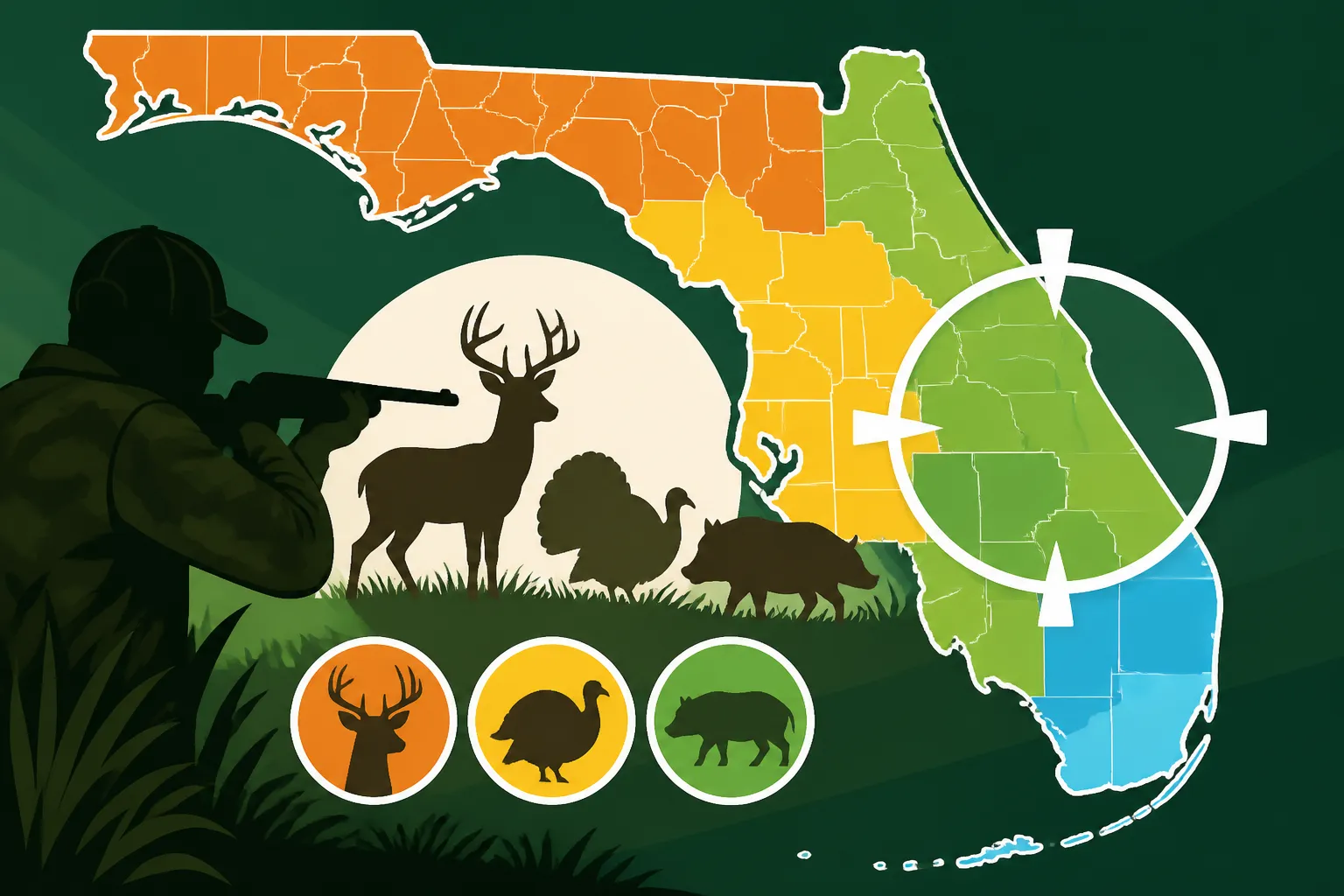
Florida's deer hunting landscape is unique, primarily due to its vast latitudinal spread and diverse ecosystems. Unlike many states that might have one or two statewide seasons, Florida divides its deer population and hunting regulations into four distinct zones: A, B, C, and D. These aren't arbitrary lines drawn on a map; they're carefully considered boundaries established by the Florida Fish and Wildlife Conservation Commission (FWC) to align with regional deer population dynamics, habitat types, and most importantly, the varying timing of the deer rut across the state. It's all about ensuring sustainable harvests and providing the best hunting opportunities based on biological realities.
The Rationale Behind Florida's Deer Zones
The primary driver for these zones is the deer rut, or breeding season. In Florida, the rut can vary wildly from as early as July and August in parts of South Florida to as late as February and March in the western Panhandle. This incredible variation is influenced by genetics, climate, and day length, making a one-size-fits-all season impossible for effective deer management. By segmenting the state into zones, the FWC can set season dates that coincide with local rut activity, which is crucial for maximizing hunter success while still managing the herd responsibly. This approach allows wildlife biologists to tailor hunting pressure and harvest goals to the specific conditions of each region, leading to healthier deer populations overall. It’s a testament to how deeply Florida’s wildlife agencies understand the intricacies of our local ecosystems. You can learn more about the scientific reasoning behind these divisions by delving into Why Florida's Deer Seasons Vary So Much by Zone.
A Quick Overview of Each Zone's General Characteristics
Each zone has its own personality, so to speak.
- Zone A is typically the earliest, covering much of South Florida. Hunters here face the challenge of extreme heat and humidity during archery season, but they also get a crack at bucks when they're first starting to get active, often in August.
- Zone B covers a large swath of Central Florida, offering a more traditional fall hunting experience, though the rut here can still be quite extended compared to northern states. The peak of the rut in Zone B often falls squarely in November, a prime time for many hunters to hit the woods.
- Zone C is essentially North Central Florida, where the seasons start a bit later than Zone A but often earlier than the Panhandle. It's a blend of pine plantations, oak hammocks, and cypress swamps, presenting diverse hunting scenarios.
- Zone D encompasses the Florida Panhandle, which often feels more like Alabama or Georgia in terms of habitat and deer behavior. This zone generally has the latest rut and later season openers, extending deep into winter. Understanding these broad strokes helps set expectations, but of course, local conditions always play a huge role. For a deeper dive into the overall structure, check out Florida's Four Deer Management Zones Explained.
Pinpointing Your County's Deer Zone
Now, let's get down to brass tacks: finding out exactly which zone covers your hunting area. This is where it gets critical, because misinterpreting the zone can lead to some serious legal headaches. While many counties fall entirely within one zone, some, particularly larger ones, might be split by a zone line, meaning one part of the county could be Zone B and another Zone C. Always double-check with the latest FWC regulations or their interactive maps, especially if you're hunting near a county line. This meticulous approach is how you stay compliant and avoid any unwelcome surprises.
Zone A: The Early Bird Gets the Buck
Zone A, found in the southern reaches of Florida, is known for its incredibly early start to deer season. If you're hunting down here, you're likely sweating it out in August with archery gear, making for a truly unique challenge. These are the counties entirely or partially within Deer Management Zone A:
- Broward
- Charlotte
- Collier
- DeSoto
- Glades
- Hardee (southern portion)
- Hendry
- Highlands (southern portion)
- Indian River (southern portion)
- Lee
- Manatee (southern portion)
- Martin
- Miami-Dade
- Monroe
- Okeechobee (southern portion)
- Palm Beach
- Sarasota (southern portion)
- St. Lucie
- Volusia (only a very small southern tip)
For those looking to capitalize on that intense early season action, understanding the specific dates is key. You can find more targeted information on When Florida's Zone A Archery Season Opens. Hunting in these subtropical environments means dealing with different deer behaviors, often including smaller-bodied deer that are adapted to the warmer climate.
Zone B: Central Florida's Rut Hotspot
Moving north from Zone A, you enter Zone B, which covers a significant portion of Central Florida. This zone often offers a more "traditional" fall hunting experience for many, with cooler temperatures gradually moving in as the season progresses. The rut here tends to be in full swing by November, making it a highly anticipated time for many hunters. The following counties are entirely or partially within Deer Management Zone B:
- Brevard
- Citrus
- Hernando
- Highlands (northern portion)
- Indian River (northern portion)
- Lake
- Marion (southern portion)
- Okeechobee (northern portion)
- Orange
- Osceola
- Pasco
- Pinellas
- Polk
- Sarasota (northern portion)
- Seminole
- Sumter
- Volusia (most of the county)
If you're planning a trip during the peak breeding activity, our guide on Hunting the Zone B Rut in November will give you some excellent strategies. The varied habitats here, from thick palmetto scrub to sprawling oak hammocks, mean hunters need a versatile approach.
Zone C: North Florida's Traditional Start
Zone C represents North Central Florida, where the seasons typically kick off after Zone A but before the full swing of the Panhandle's late rut. This area often sees earlier cool fronts and offers a mix of habitats, from large timber tracts to agricultural fields, characteristic of the northern part of the peninsula. The counties primarily within Deer Management Zone C include:
- Alachua
- Baker
- Bradford
- Clay
- Columbia
- Dixie
- Duval
- Flagler
- Gilchrist
- Hamilton (southern portion)
- Jefferson (eastern portion)
- Lafayette
- Levy
- Madison (eastern portion)
- Marion (northern portion)
- Nassau
- Putnam
- St. Johns
- Suwannee
- Taylor (eastern portion)
- Union
For those who prefer to hit the woods as soon as possible, this zone offers a solid archery opener. Our article on Hunting Florida's Zone C Early Archery provides great insight into getting started. Deer in this zone often exhibit behaviors more akin to deer found further north, with a more pronounced rut and colder weather conditions sometimes playing a factor.
Zone D: The Panhandle's Deer Country
Finally, we arrive at Zone D, covering the entire Florida Panhandle. This region truly stands apart, with a much later rut and cooler temperatures that can feel more like a traditional Midwest deer hunt than what many people associate with Florida. It's characterized by extensive pine forests, river bottoms, and rolling topography, making for diverse hunting grounds. All of the following counties are within Deer Management Zone D:
- Bay
- Calhoun
- Escambia
- Franklin
- Gadsden
- Gulf
- Holmes
- Jackson
- Jefferson (western portion)
- Leon
- Liberty
- Madison (western portion)
- Okaloosa
- Santa Rosa
- Taylor (western portion)
- Wakulla
- Walton
- Washington
If you're looking for a late-season deer hunt with cooler weather, the Panhandle is your go-to. Our guide on Hunting Florida's Zone D Fall Opener covers how to make the most of this region's extended season. Deer in Zone D are known for having some of the largest body sizes and antler growth in the state, partly due to genetics and partly due to abundant food sources and a more temperate climate.
Here’s a handy table summarizing which zone covers your Florida county. Remember, if a county is split, the FWC's official map is your definitive source, but this should give you a great starting point.
| County | Deer Management Zone |
|---|---|
| Alachua | C |
| Baker | C |
| Bay | D |
| Bradford | C |
| Brevard | B |
| Broward | A |
| Calhoun | D |
| Charlotte | A |
| Citrus | B |
| Clay | C |
| Collier | A |
| Columbia | C |
| DeSoto | A |
| Dixie | C |
| Duval | C |
| Escambia | D |
| Flagler | C |
| Franklin | D |
| Gadsden | D |
| Gilchrist | C |
| Glades | A |
| Gulf | D |
| Hamilton | C / D (mostly C) |
| Hardee | A / B (mostly A) |
| Hendry | A |
| Hernando | B |
| Highlands | A / B (mostly B) |
| Holmes | D |
| Indian River | A / B (mostly B) |
| Jackson | D |
| Jefferson | C / D |
| Lafayette | C |
| Lake | B |
| Lee | A |
| Leon | D |
| Levy | C |
| Liberty | D |
| Madison | C / D |
| Manatee | A / B (mostly A) |
| Marion | B / C |
| Martin | A |
| Miami-Dade | A |
| Monroe | A |
| Nassau | C |
| Okaloosa | D |
| Okeechobee | A / B |
| Orange | B |
| Osceola | B |
| Palm Beach | A |
| Pasco | B |
| Pinellas | B |
| Polk | B |
| Putnam | C |
| St. Johns | C |
| St. Lucie | A |
| Santa Rosa | D |
| Sarasota | A / B (mostly A) |
| Seminole | B |
| Sumter | B |
| Suwannee | C |
| Taylor | C / D |
| Union | C |
| Volusia | A / B (mostly B) |
| Wakulla | D |
| Walton | D |
| Washington | D |
Navigating the Nuances and Exceptions
While knowing your county's general zone is a fantastic start, Florida hunting, especially on public land, comes with layers of additional rules. It’s crucial to understand that even within a specific zone, there can be unique regulations that significantly alter your hunting experience.
Wildlife Management Areas and Their Unique Regulations
Many of Florida’s prime hunting opportunities exist within Wildlife Management Areas (WMAs). These areas, managed by the FWC, often operate under their own specific rules, which can sometimes supersede or modify the general zone regulations. It’s not uncommon for a WMA within Zone B, for instance, to have different season dates, bag limits, or weapon restrictions than the surrounding private land in the same zone. You might find that a WMA requires a quota permit, or has specific youth hunting weekends, or even mandates different legal weapons for certain periods.
Always, always consult the individual WMA brochure for the specific area you plan to hunt. These brochures are easily accessible on the FWC website and are your ultimate authority for that particular piece of land. Failure to do so could result in a citation, even if you’re otherwise compliant with the broader zone rules. This is where diligent scouting comes in, as covered in Scouting Florida Public Land Before Season. Understanding the detailed nuances of the Florida WMA Quota Permit System is also essential for planning your public land adventures.
The Florida Hunting License and Zone Specificity
Your hunting license itself isn't typically zone-specific in terms of what general hunting privileges it grants. However, knowing your zone is fundamental to understanding when and how you can apply those privileges. For instance, a statewide hunting license allows you to hunt deer, but the deer season dates will vary dramatically depending on whether you're in Zone A, B, C, or D. Specialized permits, like those for certain quota hunts or specific species, might have zone-based application windows or restrictions. Always ensure you have the correct licenses and permits for the species and location you intend to hunt. Information on Florida Hunting Licenses and What They Cost is an excellent resource for making sure you’re properly equipped from a legal standpoint.
Using Digital Tools for Zone Confirmation
In this modern age, there's no excuse for not knowing your precise location and its corresponding zone rules. The FWC offers an incredibly helpful mobile app that provides real-time access to regulations, WMA brochures, and interactive maps that clearly show zone boundaries. This is an indispensable tool for any Florida hunter. Beyond the official FWC resources, reputable third-party apps like GoHunt also integrate FWC data, allowing you to easily view property lines, public land boundaries, and—critically—deer management zones right on your phone, even sometimes offline. These digital aids can save you a lot of guesswork and help you navigate the landscape with confidence. Relying on digital tools is a smart way to stay informed, as detailed in our guide on Scouting With the Florida FWC App.
Beyond Deer: How Zones Impact Other Species
While the zones are primarily defined for deer management, their influence can sometimes extend to other game species, or at least they can correlate with distinct season structures for them. It’s important to remember that not all species are managed by these same four deer zones, but the general geographical distinctions often play a role in how other seasons are set.
Turkey Zones: A Different Map
For our beloved wild turkeys, Florida actually divides the state into two primary zones: the Osceola Zone and the Eastern Zone. The Osceola Zone covers most of the peninsula, home to the unique Osceola subspecies, while the Eastern Zone encompasses the Panhandle, where the Eastern subspecies resides. While these zones overlap geographically with parts of the deer zones, they are distinct entities with their own season dates. For instance, the spring turkey season in the Osceola Zone typically opens much earlier than in the Eastern Zone. So, while you might be hunting deer in Zone B, your turkey hunt could be under the Osceola Zone rules. Understanding the specifics of Florida's Osceola and Eastern Turkey Zones is crucial if you're chasing gobblers in the spring or fall.
Hog Hunting: The Zone-Free Exception
One of the great joys of hunting in Florida is the year-round, often unrestricted, opportunity to hunt feral hogs. These resilient animals are considered an invasive species and pose significant ecological and agricultural threats across the state. Because of this, feral hogs typically have no closed season, no bag limit, and can be hunted year-round without specific zone restrictions on private land with landowner permission. On public lands, however, hog hunting is still generally tied to specific WMA seasons and regulations, so always check the WMA brochure. But for those looking for an off-season challenge or simply more time afield, wild hogs offer a fantastic opportunity that transcends the deer management zone system. Dive into the details with our comprehensive guide on Year-Round Hog Hunting in Florida.
Disclaimer
Please remember that hunting regulations can change. While this guide provides a thorough overview based on current information, it is always your responsibility to consult the latest official FWC regulations before heading afield. The Florida Fish and Wildlife Conservation Commission's website and official publications are the ultimate authority for all hunting rules and season dates.