Why Florida’s Deer Seasons Vary So Much by Zone
Ever felt like you need a secret decoder ring just to figure out Florida's deer seasons? You're certainly not alone! It's incredibly frustrating when your buddies up north are already talking about opening day, and you're still weeks away, or vice versa, depending on where you hunt. Florida's deer hunting regulations can often seem like a complex puzzle with all its varying zone dates and weapon choices, making it tough to plan your hunts. This guide is here to untangle that mystery, explaining precisely why our deer seasons shift so dramatically across the state and how those changes actually benefit both the deer and us hunters in the long run.
The Biological Foundation: Understanding Florida's Diverse Deer Rut
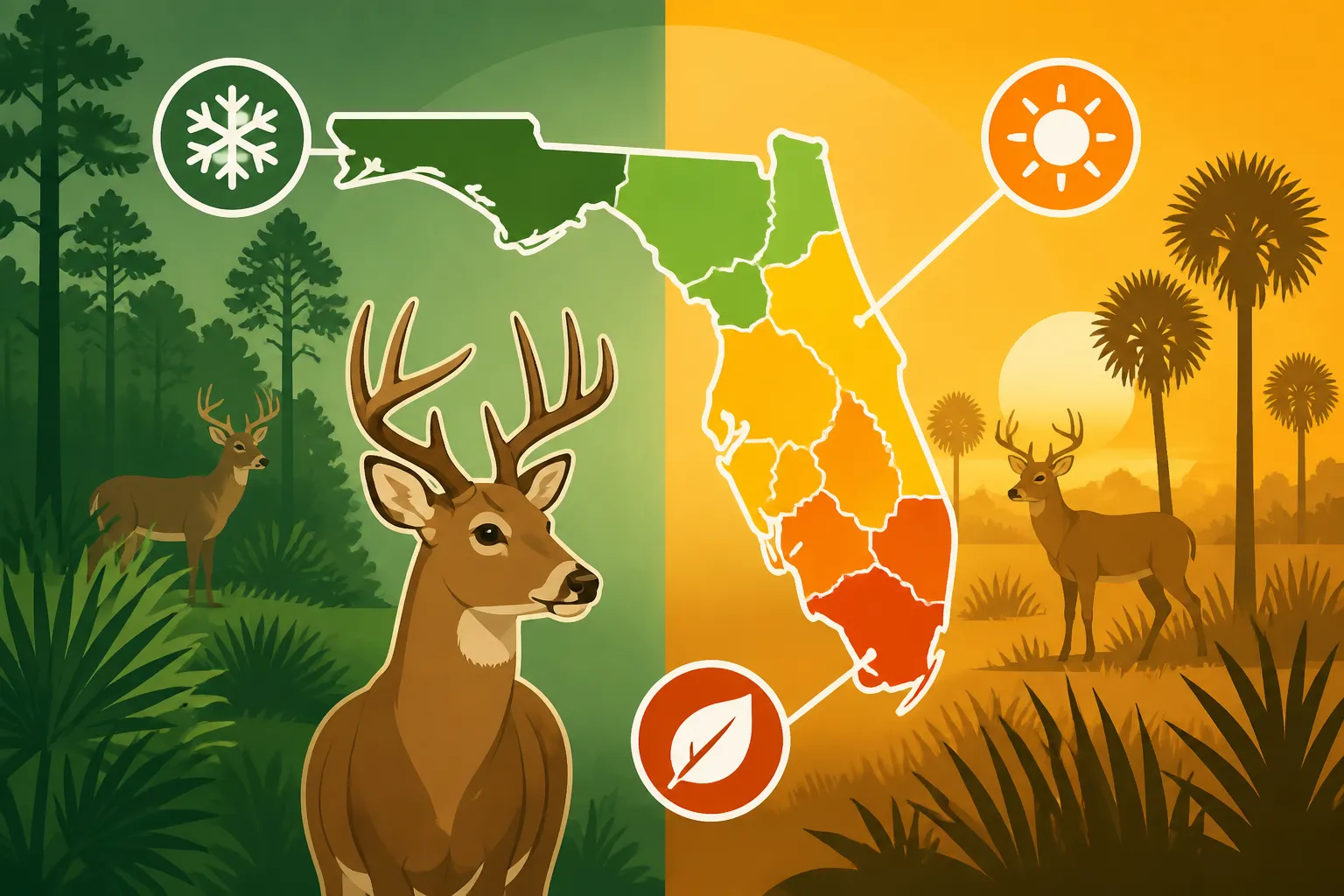
The single biggest factor dictating Florida's varied deer seasons isn't some arbitrary bureaucratic decision; it's the deer themselves. Specifically, it's their breeding cycle, known as the rut. Unlike many northern states where the rut is a fairly synchronized event driven by predictable seasonal changes, Florida's vast north-to-south expanse, unique climate, and historical deer stockings have created a fascinatingly staggered breeding period. This means a buck in the Panhandle might be chasing does in late September, while his cousin in South Florida won't even think about it until January or February!
Unpacking the North-to-South Rut Disparity
This remarkable variation in rut timing is deeply rooted in Florida's ecological history and geographical spread. In the northern reaches of the state, particularly in the Panhandle (Zone D), deer genetics and behavior are more akin to those found in Alabama or Georgia. Here, the rut typically occurs in October and early November, a timeframe that aligns well with the classic fall hunting season most folks associate with deer hunting. The days are shortening, temperatures are dropping, and the deer's internal clocks signal it's time to breed. This earlier rut means that hunting seasons in these zones can kick off earlier, allowing hunters to target bucks during their most active, vulnerable period.
As you move south through the peninsula, however, the rut timing shifts dramatically. In Central Florida (Zones C and B), the peak breeding might happen anywhere from late October through December. When you get all the way down into deep South Florida (Zone A), it's not uncommon for the rut to peak in January or even February. This late rut timing is believed to be an adaptation to Florida's subtropical climate. Early fall, when northern deer are rutting, can still be sweltering hot and humid in South Florida. A later rut ensures fawns are born during a more favorable time of year, when spring rains bring lush new growth, providing ample forage for does recovering from birth and for rapidly growing fawns. This critical adaptation helps ensure fawn survival, which is paramount for a healthy deer population. Understanding these natural cycles is crucial, and resources like those explaining When the Florida Rut Peaks by Zone can really help you dial in your timing.
The Influence of Historical Deer Stockings
Another lesser-known but significant contributor to the varied rut timings is the history of deer stockings in Florida. Decades ago, particularly in the mid-20th century, deer populations in some areas of Florida were low due to overhunting and habitat changes. To bolster numbers, deer were sometimes relocated from other parts of Florida or even from other states. Imagine introducing deer from a northern Florida population, accustomed to an October rut, into a region where the native deer typically bred in January. Over generations, these different genetic lines mixed, leading to localized populations with sometimes less synchronized, or even slightly shifted, rutting periods.
While the Florida Fish and Wildlife Conservation Commission (FWC) has worked diligently to manage these populations, these historical movements have left a lasting impact on the genetic makeup and rutting patterns of deer in various regions. This mosaic of genetics, combined with the primary environmental drivers, contributes to the complex tapestry of Florida's deer biology. It’s a testament to the resilience and adaptability of deer, but it certainly adds a layer of complexity for us hunters trying to predict their movements and behavior throughout the state. A good understanding of Florida's Four Deer Management Zones Explained is key to grasping these nuances.
Florida's Four Deer Management Zones: A Strategic Approach to Conservation
To effectively manage a deer population with such diverse biological timelines, the FWC has divided the state into four distinct deer management zones: Zones A, B, C, and D. Each zone has its own unique set of season dates for archery, crossbow, muzzleloader, and general gun, all meticulously crafted to align with the local deer biology and management goals. This zonal approach is a sophisticated strategy to ensure sustainable harvest opportunities while promoting healthy deer herds across the entire state.
Zone-Specific Season Dates and Their Rationale
Let's break down why these zones matter so much.
-
Zone D (Northwest Florida/Panhandle): This is Florida's northernmost zone, bordering Alabama and Georgia. As mentioned, the rut here is typically earliest, often peaking in October or early November. Consequently, Zone D generally has the earliest archery and general gun openers, sometimes as early as mid-September for archery and a split gun season in October. This allows hunters to pursue deer when bucks are actively chasing, giving them a good chance at harvesting an animal that is focused on breeding rather than solely on feeding or bedding. For those interested in this region, delving into Hunting Florida's Zone D Fall Opener can provide even more detail on specific tactics.
-
Zone C (Northeast and Central Florida): Moving south from Zone D, Zone C covers a large swath of the peninsula. The rut here is a bit later, generally peaking from mid-October through November. The season dates reflect this, with archery starting a few weeks later than Zone D, usually in late September, and general gun following suit. This zone also accounts for a significant portion of Florida's deer habitat and hunter pressure, so the season structure balances opportunity with careful management to sustain herd health. Understanding what Which Zone Covers Your Florida County is critical for hunters to determine where they fit in.
-
Zone B (Central Florida): This zone is nestled somewhat between Zone C and the southernmost Zone A, particularly in the Ocala National Forest area. The rut in Zone B often peaks in November and early December. Its seasons are typically later than Zone C, with archery starting in mid-October and general gun later in November. This timing aims to put hunters in the woods during prime rut activity while also considering other environmental factors unique to this central region. If you're planning a hunt in this area, you might find specific advice in articles like Hunting the Zone B Rut in November.
-
Zone A (South Florida/Everglades): This is the southernmost zone, encompassing the vast Everglades and surrounding wild areas. As noted earlier, the rut here is significantly delayed, often peaking in January or February. Accordingly, Zone A has the latest deer seasons in the state. Archery season might not open until late October or early November, with general gun often stretching into March. This late season allows hunters to capitalize on the rut in an environment where earlier hunting would largely miss the prime breeding window, impacting both success rates and potentially management objectives. For those looking to hunt the earliest possible season for bowhunting, it's interesting to compare this to Bowhunting Florida's Zone A August Opener, which applies to some areas.
This table illustrates the general differences in season timing and rut activity across Florida's four deer management zones:
| Deer Management Zone | General Location | Peak Rut Period (Approx.) | Archery Season Opening (Approx.) | General Gun Season Opening (Approx.) |
|---|---|---|---|---|
| Zone D | Northwest (Panhandle) | October – Early November | Mid-September | Mid-October (split season) |
| Zone C | Northeast / Central | Late October – December | Late September | Early November |
| Zone B | Central (Ocala Area) | November – Early December | Mid-October | Mid-November |
| Zone A | South Florida (Everglades) | January – February | Late October – Early November | Late November – Early December |
Note: These dates are approximate and can vary slightly year to year. Always consult the latest FWC regulations for precise dates.
The Role of Data and Hunter Participation in Season Setting
The FWC doesn't just guess at these dates; they rely heavily on scientific data. This includes extensive research on deer biology, population surveys, harvest data submitted by hunters, and even hunter surveys. Every deer harvested in Florida must be reported, providing crucial information on Florida Annual Deer Harvest, antler growth, and overall herd health. By analyzing this wealth of data, wildlife biologists can refine season structures to achieve specific management objectives for each zone. These objectives might include maintaining a stable population, increasing the age structure of bucks, or reducing deer densities in areas prone to agricultural damage.
Hunter participation is a vital part of this process. The information you provide when reporting your deer helps the FWC make informed decisions that ensure healthy deer populations for future generations. The continuous monitoring and adaptation based on this data demonstrate a commitment to sound wildlife management. Furthermore, tools like GoHunt provide hunters with mapping and regulatory information that can help them understand the specific rules for their chosen hunting location within these zones, making compliance much easier.
Navigating the Nuances: Adapting Your Hunting Strategy
Understanding why Florida's deer seasons vary is only half the battle; the other half is knowing how to adapt your hunting strategy to these unique conditions. Whether you're a lifelong Florida resident or a visiting hunter, the zonal system demands a thoughtful approach to scouting, planning, and execution.
Scouting for Success Across Different Ruts
Effective scouting is paramount, and it looks different depending on the zone you're hunting. In Zone D, where the rut is earlier, you might be looking for early scrape lines and rub activity in late September and October, indicating bucks are becoming more active. Your focus might be on travel corridors between bedding and feeding areas, or funnel points where deer movement is concentrated. If you're Scouting Florida Public Land Before Season, this early season scouting is crucial.
Conversely, if you're hunting Zone A, scouting for the rut in November would be largely fruitless. Instead, your pre-season scouting in the fall might focus on identifying key food sources, water access, and bedding cover, anticipating where deer will be spending their time before the rut kicks off in January or February. When the rut finally does arrive, you'd then shift your focus to high-traffic areas where bucks might be scent-checking does. Using a comprehensive mapping tool like GoHunt can provide invaluable satellite imagery and land ownership information, allowing you to identify these potential hotspots from home and maximize your time in the field, regardless of the rut timing.
Gear and Tactics for Varied Conditions
The varying season dates also mean you'll be hunting in vastly different environmental conditions. An early September archery opener in Zone D can still be incredibly hot and humid, requiring lightweight clothing, hydration packs, and keen attention to scent control. You might be targeting deer moving early morning or late evening to beat the heat. This is a far cry from a late January general gun hunt in Zone A, where while still mild by northern standards, temperatures are generally cooler and more pleasant, allowing for longer sits.
Weapon choices and tactics can also shift. During archery season, regardless of the zone, stealth and close-range encounters are key. But when general gun season opens, the landscape changes. You might still be Still-Hunting Florida Palmetto Flatwoods, but the ability to take longer shots opens up new strategies, especially in more open terrain or when hunting from elevated stands. The importance of understanding specific regulations for Legal Weapons During Florida Archery Season, for instance, becomes even more pronounced when dealing with varying zone dates. For hunters pursuing hogs in Florida, it's also worth noting that the general season for hogs often runs year-round, which can sometimes overlap with deer seasons, offering exciting combo hunt opportunities.
Leveraging Technology for Informed Decisions
In today's hunting world, technology plays a huge role in navigating complex regulations and diverse hunting grounds. Apps like the FWC's official app or robust platforms like GoHunt provide real-time access to regulations, boundary maps, and property lines. This is invaluable when you're dealing with zones that might have different rules just a few miles apart. You can use these tools to confirm which zone you're in, check specific Wildlife Management Area (WMA) regulations, and even track your movements to avoid accidental trespass.
For non-residents, or even residents planning an ambitious multi-zone trip, these resources become even more critical. Imagine driving from Pensacola to the Everglades for a hunt; the changes in deer behavior and regulations would be stark. A quick check on your phone, powered by detailed mapping from GoHunt, can save you from potential violations and ensure you're hunting legally and effectively. This level of preparation ensures you're not just hoping for the best, but actively making informed decisions to increase your odds of success.
The Benefits of Florida's Zonal Management System
While the varying season dates can certainly be confusing at first glance, Florida's zonal deer management system is a scientifically sound approach that yields significant benefits for both the deer population and the hunting community. It’s a testament to adaptive management that ensures our deer herds remain healthy and robust for generations to come.
Ensuring Sustainable Deer Populations
The primary benefit of zone-specific seasons is that they allow the FWC to manage deer populations according to localized biological cycles. By timing seasons to coincide with or immediately follow the local rut, hunters are provided with opportunities to harvest bucks when they are most active and therefore, more susceptible. This targeted harvest, based on regional rut timing and population data, helps maintain a healthy buck-to-doe ratio, which is crucial for vigorous breeding and overall herd health. It avoids a one-size-fits-all approach that would either over-harvest deer in some areas or under-utilize the resource in others.
This careful management also helps distribute hunting pressure more evenly throughout the hunting year. Instead of everyone opening on the same day statewide, which would lead to immense pressure in all areas simultaneously, the staggered seasons mean different zones are "hot" at different times. This can contribute to a more enjoyable hunting experience for individuals, reducing crowding on public lands, and offering hunters more flexibility in when and where they choose to pursue deer. The long-term outcome is a sustainable, resilient deer population across the diverse landscapes of Florida.
Maximizing Hunter Opportunity and Experience
For hunters, the zonal system, despite its initial complexity, actually creates more opportunities. If you're passionate about deer hunting, the varying season dates mean you can potentially extend your hunting season by traveling between zones. Imagine participating in an early archery hunt in Zone D in September, and then, months later, experiencing a late-season general gun hunt during the peak rut in Zone A in January. This allows dedicated hunters to pursue deer in different phases of their annual cycle, offering unique challenges and experiences.
Furthermore, it caters to different hunting preferences. Some hunters prefer the challenge of an early season archery hunt before the deer are heavily pressured. Others thrive on the excitement of the peak rut, when bucks are most active. The zonal system ensures that these varied preferences can be accommodated within Florida's borders. It also emphasizes the importance of understanding the specific dynamics of each region, making us more knowledgeable and versatile hunters in the process. While understanding the nuances might take some effort, the payoff is a rich and diverse hunting landscape unlike almost anywhere else.
Disclaimer
Please remember that hunting regulations can change. Always consult the latest Florida Fish and Wildlife Conservation Commission (FWC) regulations guide before planning any hunting trip. This article is for informational purposes only and does not supersede official FWC rules and guidelines.