Waterfowl Hunting Florida’s Marshes
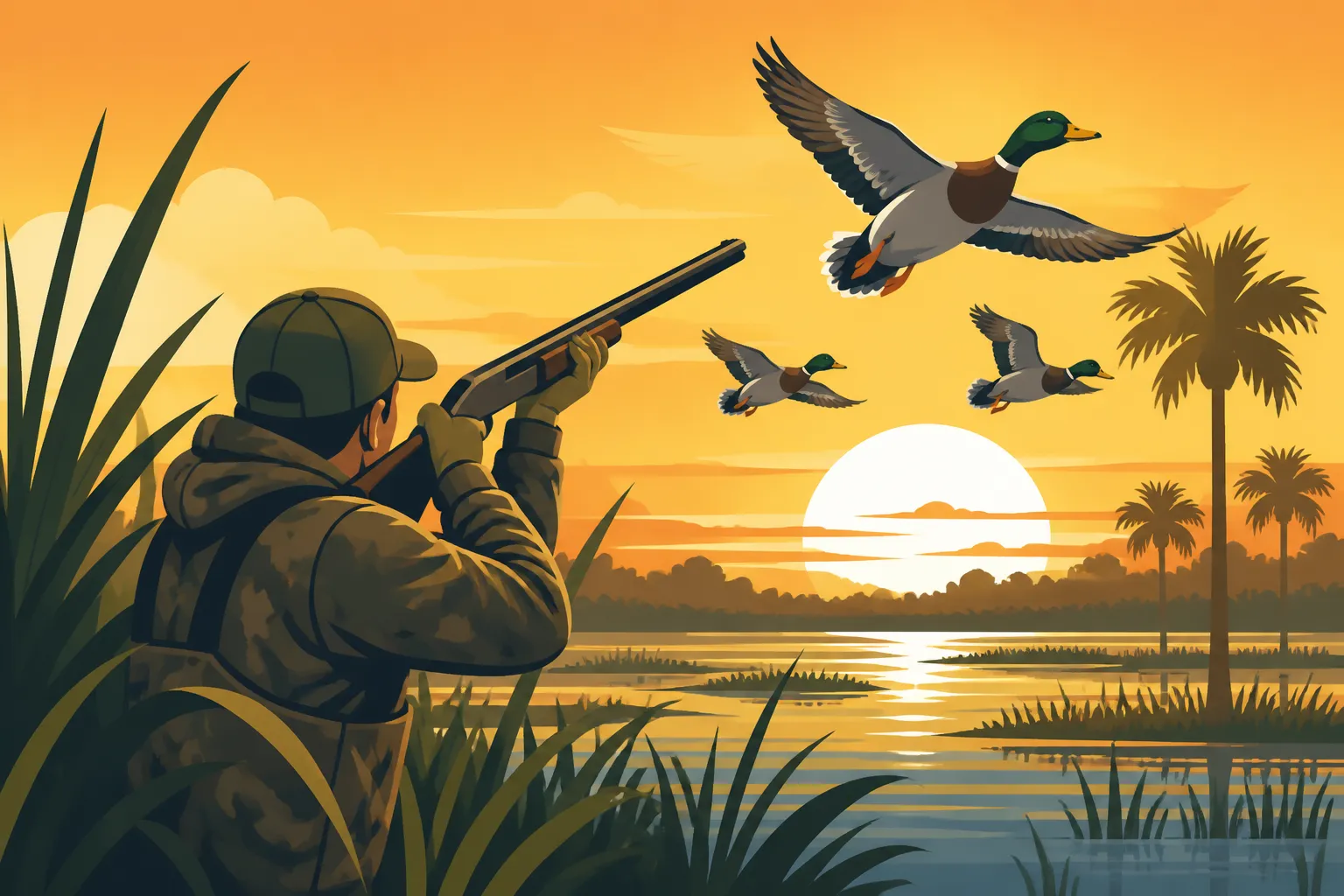
The mist hangs heavy over a vast expanse of sawgrass, the air thick with the promise of a new day. You’ve woken long before the sun, the squish of muddy boots and the splash of decoys breaking the morning silence. But sometimes, despite all the effort, those elusive Florida marsh ducks seem to vanish, leaving you scratching your head, wondering if you're missing a trick. This comprehensive guide will dive deep into the unique world of waterfowl hunting Florida's marshes, helping you decipher the landscape, equip for success, and bring home more birds from these challenging but incredibly rewarding environments.
Understanding Florida's Waterfowl Landscape
Florida’s marshes are a world unto themselves, a vibrant tapestry of wetland ecosystems that offer a truly distinct waterfowl hunting experience. Forget what you might know about duck hunting in the prairie potholes or timber swamps up north; here, the game is played by different rules, dictated by the subtropics and unique hydrology. It's a place where you might be sweating in December, battling mosquitoes in January, and always keeping an eye out for a gator that thinks your downed duck is its next meal.
The Unique Appeal of Florida Marsh Hunting
For those accustomed to freezing temperatures and icy blinds, the thought of hunting ducks in 70-degree weather can seem almost foreign. Yet, Florida's marshes offer a hunting experience that is surprisingly rich and diverse. We don't get the massive migrations of pintails and mallards that darken skies elsewhere, but we have a strong population of resident birds, particularly the Florida mottled duck, often affectionately called the "Florida black duck." These birds are tough, smart, and a true trophy. Beyond our residents, we host a significant number of wintering ducks, including ring-necked ducks, scaup, gadwall, and various species of teal. The sheer variety of habitats, from wide-open freshwater impoundments to tidal brackish estuaries, means there's always something new to learn and a different challenge to tackle.
What makes marsh hunting in Florida so special is this blend of resident birds and migrating visitors, all navigating a landscape shaped by water, wind, and sun. You're not just chasing ducks; you're immersed in an ecosystem teeming with life, from wading birds to alligators, creating an unforgettable backdrop to your hunt. The effort required to access these areas often means fewer hunters, too, offering a sense of wilderness that can be hard to find in more populated regions. It’s a hunt that demands adaptability, keen observation, and often, a lot of sweat equity.
Many hunters find the slower pace and the emphasis on local bird behavior a welcome change from the high-volume, pass-shooting opportunities found in other states. Here, you're often working small groups of birds, relying on skilled calling and realistic decoy spreads to draw them into range. It's an intimate dance between hunter and prey, where understanding the nuances of the marsh is far more important than sheer firepower. This makes Florida marsh hunting a thinking person's game, rewarding those who take the time to learn its secrets.
Key Marsh Types and Their Characteristics
Florida's marshes aren't monolithic; they come in a fascinating array of types, each presenting its own challenges and opportunities for waterfowl hunters. Understanding these distinctions is crucial for planning a successful hunt. Broadly speaking, you'll encounter freshwater marshes and brackish/saltwater marshes, each attracting different species and requiring tailored approaches.
Freshwater marshes are often characterized by dense stands of sawgrass, cattails, and bullrush, interspersed with open pockets of water, sloughs, and cypress heads. These are prime habitats for Florida mottled ducks, wood ducks, and various species of teal. Water levels here can fluctuate dramatically, influenced by rainfall and regional management efforts, particularly on public lands like Wildlife Management Areas (WMAs). A dry year might mean birds are concentrated in fewer, deeper pockets, while a wet year could spread them out across vast, newly flooded expanses. Access often involves navigating through thick vegetation, sometimes requiring specialized shallow-draft boats or even airboats.
Brackish and saltwater marshes, typically found along Florida's extensive coastline and river deltas, present a different set of conditions. Here, the mix of fresh and saltwater creates a unique ecosystem where Spartina grass and mangroves dominate. These areas are magnets for diving ducks like scaup, redheads, and buffleheads, as well as dabblers like gadwall and wigeon, especially during the colder months. Tidal fluctuations are a significant factor, impacting bird movements and feeding patterns. Hunting these marshes often requires a keen understanding of the tides to position your decoys and blind effectively, as well as navigating shallow channels that can quickly become impassable.
Target Species in Florida Marshes
While Florida might not be famous for greenheads, our marshes host a diverse and exciting array of waterfowl species, each with its own characteristics and hunting strategies. Knowing your target is key to setting the right decoys, making the right calls, and having a realistic expectation for your hunt.
The Florida mottled duck is arguably the king of our freshwater marshes. These resident birds are a true challenge, wary and cunning, often found in pairs or small groups. They resemble a hen mallard but lack the white wing speculum, and they're here year-round. Bagging a mottled duck on public land is a serious accomplishment, as they quickly become educated to hunting pressure. We often discuss Mottled Ducks in Florida Marshes and how their behavior shifts throughout the season.
Teal, particularly blue-winged teal, are another prominent feature of Florida's marshes, especially during the early season. They are fast-flying and respond well to teal-specific calls and smaller decoys. You can also find green-winged teal and cinnamon teal, though less commonly. Their speed makes them a thrilling target, often appearing suddenly from nowhere and zipping through your spread before you can react. For hunters looking to extend their season, understanding Florida Early Teal Season Dates is crucial.
Wood ducks, with their stunning plumage, are common in freshwater marshes, especially those bordering cypress swamps and wooded edges. They often roost in trees and can be found flitting through flooded timber or feeding in shallow sloughs. Decoying them often involves placing decoys close to cover and using high-pitched wood duck calls. Getting into these areas might mean you're Decoying Wood Ducks in a Cypress Slough. Ring-necked ducks are abundant diving ducks, frequently found in freshwater marshes with deeper pockets or along the edges of lakes. They decoy readily, especially to large spreads of diver decoys, and are known for their distinctive ring on the bill (though the ring on their neck is harder to spot!). Scaup, often called "bluebills," are another common diver in Florida's larger marshes and coastal waters.
Other species you might encounter include gadwall, wigeon, and sometimes even a few shovelers. The mix of species will largely depend on the specific marsh type, water levels, and the timing of the migration. It’s always a good idea to refresh your knowledge on Florida Duck Daily Bag Limit before heading out, as limits can vary by species.
Essential Gear for Florida Marsh Waterfowling
Hunting Florida's marshes demands specialized gear. You're often operating in shallow, muddy, and sometimes remote environments, which means your equipment needs to be rugged, reliable, and appropriate for the conditions. Skimping on the right tools can lead to a frustrating, uncomfortable, or even dangerous day afield.
Watercraft Considerations
The choice of watercraft is paramount when hunting Florida's diverse marshes, as accessibility often dictates where you can hunt and what species you'll encounter. Each type of boat offers distinct advantages and limitations.
Airboats are the undisputed kings of the vast, shallow, and often heavily vegetated freshwater marshes. They can skim over mere inches of water, push through thick sawgrass, and cover large distances quickly. This makes them ideal for reaching remote spots that other boats simply can't touch, often leading to less pressured birds. However, airboats are expensive, require specialized trailers and maintenance, and demand skill to operate safely. Their noise can also be a factor, requiring careful planning to avoid spooking birds over a wide area, but they are indispensable for serious marsh hunters targeting deep, secluded areas.
For hunters on a tighter budget or those targeting slightly more accessible waters, canoes and kayaks are excellent choices. They are lightweight, quiet, and can be paddled into incredibly tight spaces, especially productive for stalking wood ducks in cypress sloughs or jump-shooting small pockets of teal. Their stealth allows for close approaches and minimizes disturbance. The downside is limited carrying capacity for decoys and gear, and they can be slow to cover large distances, making them best suited for smaller, more intimate marsh areas or for when you’re Jump-Shooting a Florida Creek.
Shallow-draft skiffs, typically jon boats with powerful outboard motors or surface-drive mud motors, bridge the gap between human-powered craft and airboats. A 16-20 foot jon boat with a good mud motor can navigate surprisingly shallow water, especially when paired with a push pole. These boats offer more carrying capacity than canoes or kayaks and are much faster, making them suitable for larger marshes with defined channels or slightly deeper flats. Brands like Gator-Tail or Mud Buddy are popular for their robust mud motors that can chew through vegetation. They are versatile workhorses for many Florida waterfowl hunters, providing a good balance of accessibility, speed, and capacity for those looking to expand their range beyond paddling.
Decoy Spreads and Calling Strategies
Decoy spreads and calling are the art form of waterfowl hunting, and in Florida's marshes, precision can make all the difference. Our birds are often more wary and less likely to commit to a poor spread or unconvincing calling.
For dabbling ducks like mottled ducks, teal, and gadwall, a spread featuring a mix of hen and drake decoys of the target species is generally effective. Motion decoys, such as spinning wing "mojos," can be incredibly effective, especially on calm days, providing the necessary visual appeal to draw birds from a distance. However, sometimes birds become "mojo shy," so it's wise to have a backup plan. Spread patterns should mimic natural feeding and resting behaviors. A loose "J" or "U" shape, with the open end facing into the wind, often provides a natural landing zone. In smaller pockets, a compact cluster of decoys can work well. If you’re hunting Layout Blind Hunting Florida Rice Fields, consider how the natural contours of the field might influence your spread.
Diving ducks, like ring-necks and scaup, often prefer larger, more dense spreads. A long line of diver decoys strung out in deeper water, or a large raft, can attract their attention. These birds are less picky about motion decoys but respond well to numbers. Placement in deeper channels or open water pockets is key for divers, as they typically won't venture into very shallow, heavily vegetated areas.
Calling in Florida marshes requires a nuanced approach. Our mottled ducks respond well to soft, realistic quacks and feed calls. Overcalling can easily spook these educated birds. For teal, a high-pitched, rapid "kik-kik-kik" call can be irresistible. Wood ducks respond to their distinctive "whistle" call, especially when they're flying high or in heavily wooded areas. Having a versatile call that can mimic several species, or a lanyard with multiple calls, is a smart move. Practice makes perfect, and listening to live birds is the best teacher. Sometimes, less is more, particularly as the season progresses and birds become more accustomed to hunting pressure.
Waders, Blinds, and Camouflage
Being comfortable and concealed is critical for a successful marsh hunt in Florida. The right clothing and blind setup can mean the difference between freezing (even in mild temperatures) or baking, and getting busted by sharp-eyed birds.
Good quality waders are non-negotiable. Whether you opt for chest waders or hip waders depends on the depth of the water you anticipate hunting. Neoprene waders offer insulation, which is beneficial on cooler mornings, but can be stifling on warmer days. Breathable waders, while offering less insulation, are much more comfortable in Florida’s often mild to warm temperatures, especially when combined with layers. Invest in waders with sturdy boots suitable for slogging through mud and tangled vegetation. Muck boots, such as those from Lacrosse or Muck Boot Company, are popular for their durability and comfort in marshy conditions.
Blinds in Florida marshes often lean towards natural concealment. Utilizing the existing vegetation – sawgrass, cattails, cypress knees – to break up your outline is often the most effective strategy. Portable ground blinds or boat blinds can be brushed in extensively with local foliage to create a seamless hide. It’s important to blend in completely; ducks have incredible eyesight. When you're Brushing In a Blind on a Field Edge, ensure the blind melts into the surroundings, leaving no sharp lines or unnatural shapes.
Camouflage patterns should match the marsh environment. Patterns with a mix of browns, tans, and greens, mimicking dead grass and vegetation, are ideal. Realtree Max-5 or Mossy Oak Shadow Grass Habitat are popular and effective choices. Don't forget face paint or a face mask, as a human face stands out dramatically to approaching birds. Gloves are also essential, not just for concealment but for protecting your hands from sharp sawgrass and other marsh hazards. Remember, even a small patch of bright clothing can flare ducks, so meticulous attention to detail in your camo is key.
Scouting and Location for Marsh Success
Successful waterfowl hunting in Florida’s marshes isn’t just about the hunt itself; it’s largely determined by the work you put in beforehand. Scouting is king, and knowing where the birds want to be – and how to get there – is half the battle. This environment is constantly changing, so what worked last week might not work today.
Reading the Water and Interpreting Sign
One of the most valuable skills a Florida marsh hunter can develop is the ability to "read the water" and interpret the subtle signs left by waterfowl. Unlike upland hunting where tracks might be your primary clue, marsh birds leave a plethora of indicators if you know what to look for.
Water levels are perhaps the most crucial factor. Shallow, sheet-water areas with abundant submerged vegetation are prime feeding grounds for dabbling ducks like mottled ducks and teal. As water levels drop, these birds will concentrate in deeper sloughs, potholes, and managed impoundments. Conversely, rising water might open up new feeding areas, dispersing birds. Pay attention to the subtle changes in depth; a few inches can dictate whether ducks feed comfortably or move elsewhere. You can often predict a Reading a Marsh for a Morning Flight simply by observing where the water has receded or accumulated.
Look for fresh droppings on logs, stumps, or along mudflats. White, chalky droppings are a clear indicator that birds have been roosting or resting in an area. Fresh mud stirred up around shallow vegetation suggests active feeding. Puddle ducks will often tip-up, leaving characteristic V-shaped disturbances in the water as they forage. Dive ducks might leave signs of pulled vegetation from the bottom. Tracks in soft mud, especially along edges where birds might walk out, are another obvious sign. Lastly, listen. The sounds of distant quacking, whistling, or splashing can lead you to active feeding or resting areas long before you see the birds.
Utilizing Technology for Scouting
In today's hunting world, technology has become an indispensable tool for scouting, even in the most remote Florida marshes. Leveraging these resources can save you countless hours of unproductive slogging.
Satellite imagery, readily available through apps like Google Earth, onX Hunt, or the FWC's own interactive public hunting map, allows you to identify potential hunting spots from the comfort of your home. Look for patterns of open water, sloughs, dense vegetation, and transitions between habitat types. You can mark potential access points, calculate distances, and pinpoint areas that look like ideal landing zones. Pay close attention to historical imagery; seeing how water levels and vegetation have changed over time can give you insights into current conditions. The FWC's maps are especially useful for overlaying WMA boundaries and identifying specific regulations for a given area. For a detailed breakdown of land ownership and public access points, the GoHunt app is an invaluable resource, often showing private property boundaries with incredible accuracy, helping you avoid accidental trespass.
GPS devices or smartphone apps with offline map capabilities are essential once you’re in the field. Marshes can be incredibly disorienting, with vast expanses of similar-looking vegetation. Marking your truck, blind location, and any hazards (like deep holes or hidden stumps) will ensure you can navigate safely in the dark and find your way back. Many hunters find themselves Using the FWC App Without Cell Service in these remote areas, so downloaded maps are a must. These tools allow for precise navigation, helping you find those exact spots you scouted virtually, making your in-field time far more efficient and safer.
Accessing Remote Marsh Areas
One of the biggest advantages of hunting Florida's expansive marshes is the potential for solitude, but that often comes with the challenge of accessing remote areas. This isn't always as simple as parking and walking.
Many of Florida's prime marsh habitats, especially within WMAs, are not easily reachable by conventional vehicles. You might encounter gated roads, areas designated for foot traffic only, or landscapes so thick with vegetation that specialized watercraft is the only option. Before you go, thoroughly research the specific WMA or public land you plan to hunt. Check their brochures or websites for details on vehicle access, boat launch restrictions, and any special permits required. Sometimes, a general The Florida WMA Management Area Permit isn't enough, and you might need a quota permit or special use authorization.
For areas reachable by foot, planning your route carefully is critical. Walking through dense sawgrass and muck in the dark can be exhausting and dangerous. Use your GPS to mark a clear path and avoid venturing into unknown territory without proper light and a partner. When watercraft is required, consider the type of boat best suited for the marsh type. Airboats can cover vast distances in shallow, vegetated areas, but they are expensive and require specialized skills. Kayaks and canoes are quiet and can access tight spots but have limited carrying capacity. Shallow-draft skiffs with mud motors offer a good compromise for many areas. Regardless of your chosen method, always inform someone of your hunting plans and expected return time.
Public land in Florida, while abundant, often sees significant hunting pressure in easily accessible areas. To find less-pressured birds, you often need to go deeper, further, or utilize more specialized access methods. This might mean an extra-long paddle, a challenging hike, or even scouting for permission on private lands adjacent to good marsh habitat. The payoff, however, is often a more rewarding hunt with undisturbed birds.
Effective Hunting Methods in Marsh Environments
Once you’ve done your scouting and you’re geared up, it’s time to put your plan into action. Hunting Florida’s marshes effectively requires a blend of traditional waterfowl tactics adapted to the unique conditions of the Sunshine State. Patience, adaptability, and understanding bird behavior are paramount.
Decoy Placement and Hide Building
The way you set your decoys and build your hide can make or break a marsh hunt. Florida birds, especially the resident mottled ducks, are notoriously wary and have seen it all.
When placing decoys, always consider the wind direction. Ducks almost always land and take off into the wind. Your decoy spread should be positioned so that incoming birds have a clear flight path to land directly into the wind, preferably within easy shooting range of your blind. A common setup is a "J" or "U" shape, with the open end facing directly into the wind, providing a natural runway. For divers, a large, dense raft in open water can be effective, sometimes with a line extending from the raft to draw attention. Don't crowd your decoys; give birds space to land naturally. Mix in a few feeders (heads down) with sentinels (heads up) to create a realistic scene. Using a jerk string can add vital motion to your spread on calm days, making your decoys appear more lifelike.
Building your hide needs to be meticulous. In the marsh, natural vegetation is your best friend. Utilize thick stands of sawgrass, cattails, or small cypress heads to break up your silhouette. Cut local vegetation to further enhance your blind, making sure to blend it in seamlessly. Avoid straight lines and unnatural shapes. If hunting from a boat, ensure the boat is completely brushed in, including the motor. Remember, ducks are looking down, so your overhead concealment is just as important as your side cover. Consider the sun's position; try to set up with the sun at your back so that incoming birds are looking into the glare, making it harder for them to spot you.
Jump-Shooting and Stalking Tactics
While decoy hunting is popular, jump-shooting and stalking are incredibly effective, and often thrilling, methods for harvesting waterfowl in Florida’s marshes, particularly for less-pressured birds or in situations where setting a large spread isn't feasible.
Jump-shooting involves quietly moving through the marsh, often along sloughs, creek bottoms, or the edges of dense vegetation, until you surprise birds on the water. This tactic is especially productive for wood ducks and teal, which often hide in tight cover. The key is stealth and speed. Move slowly and deliberately, using existing cover to your advantage. Keep your gun ready, as shots are often fast and fleeting. A good pair of binoculars can help you spot birds before they spot you, allowing for a more calculated approach. This method is often employed when Hunting Florida Cypress Swamp Edges, where ducks might be tucked away in shaded pockets.
Stalking takes jump-shooting a step further, focusing on a specific group of birds you've spotted. This requires even greater stealth and patience. Plan your approach carefully, using wind direction and available cover to stay hidden. Crawling, using natural depressions, or even wading slowly can be effective. This method is challenging and requires a deep understanding of bird behavior and terrain, but the reward of outsmarting a wary flock can be immense. It's often a solitary pursuit, demanding focus and precision, and can be particularly effective on larger, more educated birds that avoid typical decoy spreads.
Understanding Weather and Tides
Florida's weather and, in coastal marshes, its tides are powerful forces that dictate waterfowl behavior and can significantly impact your hunting success. Ignoring them is a recipe for frustration.
Unlike northern states where freezing temperatures are the primary driver of bird movement, in Florida, cold fronts are our equivalent. A strong cold front bringing cooler temperatures and north winds can push new birds into the state and stir up resident populations, making them more active and often more willing to decoy. Hunting immediately before, during, or right after a cold front often yields the best results. Conversely, prolonged periods of warm, still weather can make birds lethargic and less responsive. Keep a close eye on the forecast, specifically looking for those temperature drops and shifts in wind direction. When Hunting Deer After a Cold Front, the same principles apply – cooler weather makes all wildlife more active.
In brackish and saltwater marshes, tidal influences are paramount. High tide might flood feeding areas, dispersing birds, while a falling tide can concentrate them in shrinking pools or expose mudflats for foraging. Understanding the local tide charts and how they affect the specific marsh you're hunting is crucial. Plan your hunt around optimal tidal movements; often, the outgoing tide can be particularly productive as birds are forced into more confined areas. Tides also impact accessibility, as channels and sloughs can become impassable at low tide, stranding your boat. Always factor in these movements when planning your entry and exit from the marsh.
Safety and Regulations Specific to Florida Marshes
Hunting in Florida's marshes is an incredible experience, but it comes with unique safety considerations and a specific set of regulations you absolutely must adhere to. The environment itself can be hazardous, and ignorance of the law is no excuse.
Navigational Hazards and Emergency Preparedness
Florida marshes, while beautiful, are wild and can be unforgiving. Getting lost, stranded, or encountering wildlife are real possibilities. Always prioritize safety.
Navigational hazards are abundant. Shallow mudflats can quickly trap boats, even shallow-draft ones. Hidden stumps, submerged logs, and underwater vegetation can damage propellers or even hull bottoms. Carry a push pole to free your boat from sticky situations. For those Hunting a Florida Green Swamp Slough, it's easy to get turned around. The vast, monotonous landscape of sawgrass can be incredibly disorienting, especially in low light or fog. A reliable GPS with pre-downloaded maps of the area is not just a convenience; it's a lifeline. Always mark your starting point and plan your route. Carry extra batteries for electronic devices.
Wildlife encounters are part of the Florida marsh experience. Alligators are ubiquitous and territorial. While attacks on hunters are rare, always be aware of your surroundings, especially when retrieving downed birds. Snakes, including venomous species like water moccasins, are also common. Wear sturdy boots and watch where you step. Heat and humidity, even in winter, can lead to dehydration and heat exhaustion. Carry plenty of water, even more than you think you'll need. A small, comprehensive first-aid kit, emergency signaling devices (whistle, mirror, brightly colored flag), and a fully charged cell phone (with a waterproof case) are essential. Tell someone exactly where you are going and when you expect to return.
FWC Regulations and WMA Specific Rules
Florida has clear regulations governing waterfowl hunting, and these can vary significantly depending on whether you're on private land or a Wildlife Management Area (WMA). It's your responsibility to know and follow them.
First and foremost, you'll need the appropriate licenses. This includes a Florida hunting license, a migratory bird hunting license (Florida duck stamp), and a federal duck stamp. You'll also need a Florida Migratory Bird Certification. If you're hunting on a WMA, you'll typically need a WMA Management Area Permit, and for many popular areas, a specific quota permit, which must be applied for in advance through a lottery system. Always check the specific regulations for the WMA you plan to hunt, as they can have unique rules regarding vehicle access, scouting periods, open days, and even legal weapons.
Pay close attention to bag limits and shooting hours. Florida Duck Daily Bag Limit varies by species, and exceeding it is a serious offense. Shooting hours for migratory birds generally begin 30 minutes before sunrise and end at sunset. Using lead shot for waterfowl is illegal; you must use non-toxic shot (steel, bismuth, tungsten-alloy). Ensure your shotgun is plugged to hold no more than three shells (one in the chamber, two in the magazine). Lastly, Florida Blaze Orange Requirements typically do not apply during waterfowl hunts from stationary blinds over water, but always double-check specific WMA rules, as some require blaze orange when moving to and from blinds or when hunting other species.
Responsible Hunting Practices
Ethical and responsible hunting practices are not just about following the law; they are about respecting the game, the environment, and your fellow hunters.
Take only ethical shots within your effective range. Wounding birds and failing to retrieve them is a waste of a valuable resource and reflects poorly on all hunters. Invest in a good retrieving dog if possible, or be prepared to wade and search thoroughly for every downed bird, especially in dense marsh cover. When Recovering a Deer From a Cypress Slough, the same tenacity is required.
Picking up spent shotgun shells is not just good etiquette; it's crucial for preserving the environment. Non-toxic shot is required, but plastic wads and hulls still pollute the marsh. Leave no trace of your presence behind. Be mindful of other hunters. Give them ample space and avoid setting up too close to another party. Early morning departures and late evening retrieves should be done quietly to avoid disturbing others. Respect private property boundaries, even if you're just passing by. Florida's "posted land" laws are strict, and accidental trespass can lead to serious consequences.
Post-Harvest Care and Marsh Etiquette
The hunt isn't over when the birds are down. Proper post-harvest care ensures you make the most of your hard-earned table fare, and good marsh etiquette helps preserve hunting opportunities for everyone.
Field Dressing and Transporting Birds in Warm Weather
Florida's mild climate, even during hunting season, poses unique challenges for meat preservation. Proper field dressing and cooling are critical to prevent spoilage.
Immediately after retrieving your birds, it's wise to field dress them. This involves removing the entrails to allow the body cavity to cool down. You can do this quickly by making a small cut around the vent and pulling out the organs, or by making a larger incision in the breast. Some hunters choose to completely breast out their birds in the field, leaving only the breast meat, which significantly reduces bulk and cools faster. If you plan to pluck the birds whole, removing the guts is still recommended. Wipe away any blood with a clean cloth or grass.
Transporting your birds in warm weather requires careful planning. Do not simply pile them in the bed of your truck or in a sealed cooler. Air circulation is key. If you're not going directly home, bring a cooler filled with ice. Place birds directly on ice or in breathable game bags on ice. Avoid sealing them in plastic bags for extended periods, as this can trap heat and moisture, accelerating bacterial growth. A plastic tub with a lid and plenty of ice, draining water as it melts, is a good option. For a long journey, consider freezing water bottles or gel packs to keep the cooler colder for longer. Remember the challenges when Field Dressing a Deer in Hot Weather; similar principles apply to waterfowl.
Cleaning and Preparing Your Harvest
Once home, it's time to process your birds. How you clean and prepare them can influence the final taste.
You have two main options for cleaning waterfowl: plucking them whole or breasting them out. Plucking gives you the skin and fat, which adds flavor, especially for roasting. This is more time-consuming but can be very rewarding. Scalding the birds in hot water (around 140-150°F) for 30-60 seconds can make plucking much easier. Once plucked, eviscerate the bird, remove the head and feet, and rinse thoroughly.
Breasting out is faster and often preferred by hunters who primarily want the lean breast meat. Make an incision down the breastbone, cut away the meat from the bone, and trim any fat, silver skin, or shot-damaged areas. For some birds, especially divers, you might want to remove the legs and thighs as well. After cleaning, thoroughly rinse the meat and pat it dry.
Different species benefit from different cooking methods. Mottled ducks and teal are generally lean and mild-flavored, excellent for grilling, searing, or roasting. Divers like scaup can have a stronger, "fishier" flavor due to their diet. Many hunters soak diver breasts in saltwater, milk, or buttermilk overnight to reduce this strong flavor. Others embrace it, using bold marinades or smoking them. There are countless recipes out there, from classic roasted duck to spicy duck poppers. Don't be afraid to experiment to find what you like best.
Leaving No Trace and Preserving Habitat
As hunters, we are stewards of the land. Leaving no trace and actively participating in habitat preservation are fundamental responsibilities.
"Leave No Trace" principles are simple: pack out everything you pack in, and then some. This means all spent shotgun shells, food wrappers, empty water bottles, and any other trash. Do not leave behind decoy cords, broken decoys, or anything else that doesn't belong. The marsh is a fragile ecosystem, and our impact should be minimal. This also extends to cutting vegetation for blinds; only use what is necessary and minimize damage to living plants.
Beyond simply cleaning up after ourselves, consider contributing to conservation efforts. Organizations like Ducks Unlimited work tirelessly to conserve, restore, and manage wetlands and associated habitats for North American waterfowl. Your hunting license and federal duck stamp fees directly fund these efforts, but additional support helps even more. Participating in WMA cleanup days or volunteering for habitat restoration projects are other ways to give back. By ensuring healthy marsh habitats, we secure the future of waterfowl hunting for generations to come.
Common Challenges and Troubleshooting
Hunting Florida’s marshes is rarely a walk in the park. This unique environment presents its own set of challenges, and being prepared to troubleshoot them will lead to a more successful and enjoyable experience.
Dealing with Mosquitoes and Other Pests
Let's be real: Florida is synonymous with insects, and the marsh is their playground. Mosquitoes, no-see-ums, and biting flies can turn a beautiful morning into a miserable ordeal if you're not prepared.
Your first line of defense is protective clothing. Long-sleeved shirts and long pants, even in warm weather, are essential. Lightweight, breathable fabrics designed for outdoor use will provide coverage without causing you to overheat. Head nets and gloves can offer critical protection for exposed skin. Brands like Sawyer Products offer permethrin treatments for clothing, which can repel insects for weeks, significantly reducing mosquito and tick encounters.
Secondly, a good insect repellent is non-negotiable. Look for products containing DEET or picaridin. Apply liberally to exposed skin, paying extra attention to your neck, wrists, and ankles. Thermacell devices, which create a mosquito-free zone, are also incredibly popular among Florida hunters and can make a huge difference in comfort, especially when sitting stationary in a blind. Don't underestimate the power of these tiny tormentors; a severe mosquito attack can quickly ruin a hunt and drive birds away.
High Pressure and Educated Birds
Florida's public lands, particularly the accessible spots, can experience significant hunting pressure. This leads to educated, wary birds that are much harder to fool.
When birds consistently flare from your spread, it's a sign they've seen too many decoys and heard too many calls. The key is to adapt. Try reducing your decoy spread to just a few realistic decoys. Sometimes, less is more. Instead of a large, flashy spread, a couple of feeding decoys and a motion decoy can appear more natural. Scale back your calling; switch from aggressive loud hails to soft, subtle quacks and feed calls. Sometimes, no calling at all is the best calling. Learning when Osceola Gobblers Go Quiet in April offers a similar lesson in subtlety.
Consider changing your location. If an area is getting hammered, the birds will move to less-pressured spots. This might mean wading or boating further into dense cover, or finding overlooked pockets of water that other hunters dismiss. Look for areas with difficult access; these often hold less-pressured birds. Early season birds might be more forgiving, but by mid-season, you need to be at the top of your game. Being in the blind well before shooting light and staying until the last legal minute can sometimes catch birds making late movements. Patience, stillness, and impeccable concealment become even more critical when hunting educated waterfowl.
Changing Water Levels and Drought Conditions
Water levels are a constant variable in Florida’s marshes, driven by rainfall, drought, and management practices. These fluctuations directly impact bird distribution and hunting success.
During periods of high rainfall or managed water releases, marshes can flood extensively, spreading birds out across vast areas. This can make them harder to locate and concentrate, as they have abundant feeding and resting grounds. In these conditions, focusing on natural funnels, elevated islands (if any), or edges where vegetation provides cover can be productive. Keep an eye out for Reading Florida Mud for Fresh Deer Movement; the same principles apply to ducks moving through water.
Conversely, during drought conditions, water levels can drop dramatically, forcing birds to concentrate in the remaining deeper sloughs, impoundments, or permanent water bodies. While this can make birds easier to find, these concentrated areas also become magnets for hunting pressure, making the birds extremely wary. During droughts, scout intensely for those few remaining water sources. These can become honey holes, but you’ll need to be prepared for intense competition and highly educated birds. Adapt your blind location and decoy spreads to these smaller, more confined spaces, and prioritize concealment above all else. Flexibility and constant scouting are your best allies when water levels are a moving target.
Disclaimer
Please note: Hunting regulations, license requirements, and season dates can change. Always consult the latest Florida Fish and Wildlife Conservation Commission (FWC) regulations or their official website before planning any hunting trip. This guide is for informational purposes only and does not supersede official FWC guidelines.