Florida Blaze Orange Requirements
Stepping into Florida's wild lands for a hunt is an incredible experience, but the sheer volume of regulations can sometimes feel overwhelming, especially when it comes to safety gear. It's easy to get confused about when exactly you need to don that bright blaze orange, and let's be honest, nobody wants to show up unprepared or, worse, risk a fine because of a simple misunderstanding. This comprehensive guide is here to cut through the confusion, clearly outlining Florida's blaze orange requirements to ensure your time in the field is both safe and compliant.
Why Blaze Orange Matters Safety First in the Sunshine State
There's a reason blaze orange, often called hunter orange, isn't just a suggestion but a requirement in many hunting scenarios. It's not about hiding from deer; it's about standing out unmistakably to other hunters, especially in dense Florida scrub or swampy palmetto flats. The primary goal is accident prevention, making sure that every individual in the woods can easily be identified as a human, not game, at a glance.
The Rationale Behind High-Visibility Clothing
Think about it: when you're focused on spotting game, your eyes are trained to pick up natural colors, camouflaged patterns, and subtle movements. A deer's brown coat or a turkey's iridescent feathers blend seamlessly into the Florida landscape. Blaze orange, however, is a color that doesn't naturally occur in most hunting environments, making it incredibly effective at contrasting with the greens, browns, and grays of the wilderness. It's particularly vital during firearms seasons when projectiles travel significant distances. The color's unique wavelength is highly visible to the human eye, even in low light conditions or through thick brush, giving other hunters those precious extra seconds to identify you as a person and not an animal. This isn't just about avoiding being mistaken for game; it's also about preventing hunters from unknowingly shooting into areas where other people are present. It's a fundamental part of responsible hunting ethics and a cornerstone of modern hunter safety courses, like those covered in Florida Hunter Education Requirements.
Dispelling Common Misconceptions About Hunter Safety
A common myth you'll hear around the campfire is that blaze orange spooks deer or other game. While deer do perceive color differently than humans, they primarily see in shades of blue and yellow, and they struggle to distinguish between red and green. This means that blaze orange, which is a bright orange-red to us, appears more like a dull gray or brown to a deer, blending into the natural background as far as they're concerned. Their incredible sense of smell and hearing are far more likely to betray your presence than the color of your vest. Turkeys, on the other hand, have excellent color vision, similar to humans, so blaze orange would absolutely make you stand out to them. This is why turkey hunting regulations often differ when it comes to blaze orange, which we'll delve into shortly. Understanding these biological nuances helps us appreciate that these regulations are carefully crafted, balancing human safety with hunting effectiveness.
When Blaze Orange is Required in Florida
Florida's diverse hunting seasons and species mean that the rules for blaze orange aren't one-size-fits-all. It's critical to know the specifics for your particular hunt to avoid any issues. The Florida Fish and Wildlife Conservation Commission (FWC) has clear guidelines, and knowing them inside and out is as important as knowing your firearm.
Specific Seasons and Game Where It's Mandatory
Generally, blaze orange is mandatory in Florida for hunters and those accompanying them (even non-hunters) on public lands during any season when firearms are allowed for hunting deer, bear, or hogs. This includes general gun season, muzzleloader season, and any special firearms hunts. For instance, if you're out during the general gun season in Zone C, you absolutely need to be wearing your orange, whether you're actively hunting or just walking to your stand. This rule applies across all four of Florida's deer zones.
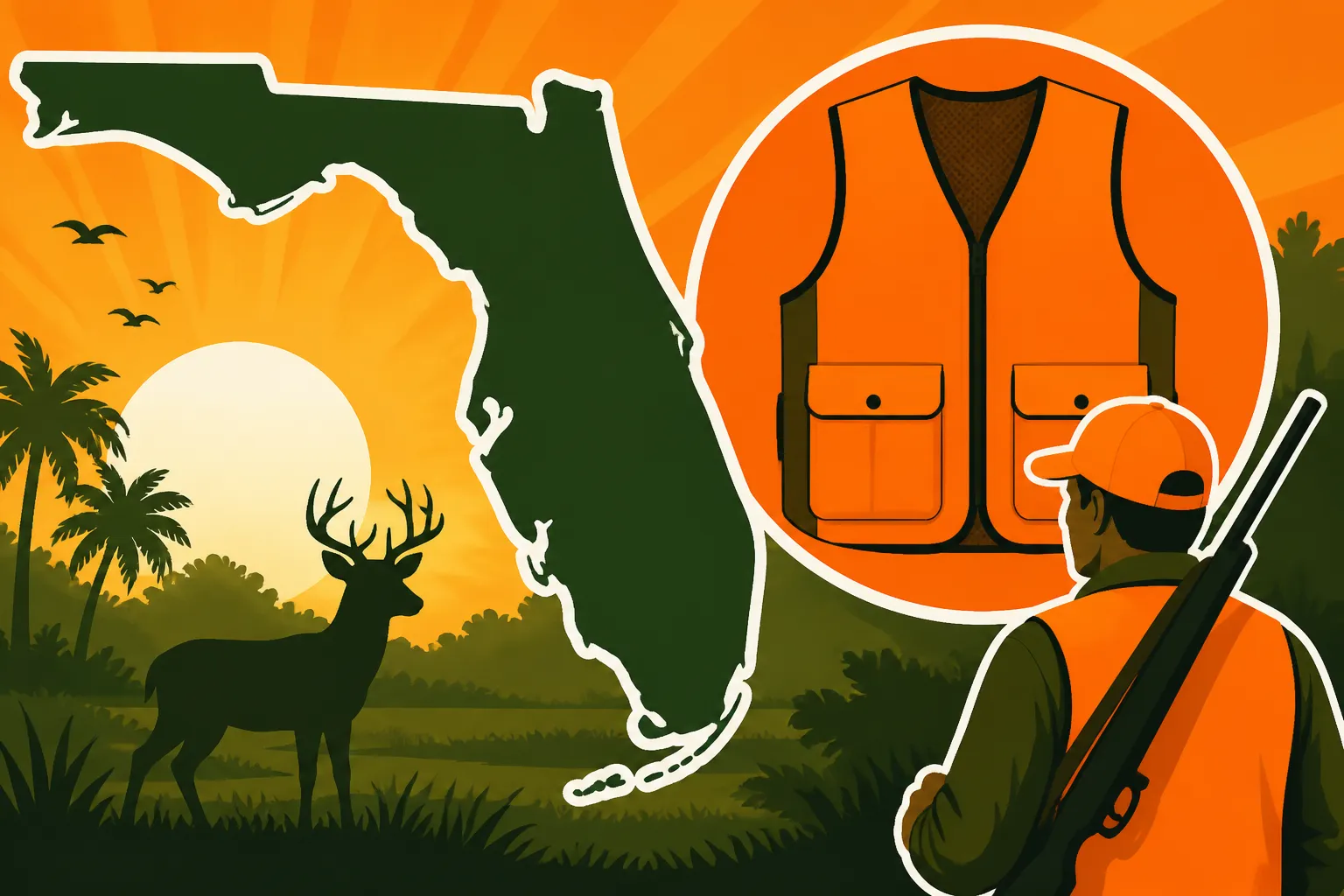
Specifically, the FWC mandates that all persons hunting deer, bear, or hog with a gun (including muzzleloaders) on public lands during these open seasons must wear a minimum of 500 square inches of blaze orange material as an outer garment, above the waist. This material must be visible from all sides. This helps to create a highly visible profile, reducing the risk of accidental shootings in crowded or dense public hunting areas. When you're using an app like GoHunt to scout public lands, it's a good practice to double-check the specific WMA regulations for any additional or stricter requirements, as some areas might have their own nuances beyond the statewide rules.
Exceptions to the Rule When You Can Skip the Orange
While the rule for firearms deer, bear, and hog hunting on public land is pretty rigid, there are important exceptions where blaze orange is not required, or even discouraged:
- Archery and Crossbow Seasons: During designated archery or crossbow-only seasons for deer, bear, or hogs, blaze orange is generally not required. This is because the effective range and nature of archery equipment pose different safety considerations. Hunters using bows and crossbows often rely on closer shots and stealth. However, it's always wise to exercise extreme caution, especially if hunting on public land where other activities like hiking might be happening, or if another season (like small game) is concurrently open with different weapon types. For specific dates, you'd check resources like Florida Zone A Archery Opening Day.
- Turkey Hunting: This is a big one. When hunting wild turkey, blaze orange is not required and is generally not recommended. Turkeys have excellent color vision, and a bright orange vest would make you stand out like a beacon, drastically reducing your chances of success. The focus in turkey hunting is camouflage and concealment.
- Waterfowl and Dove Hunting: For migratory bird hunting, such as ducks, geese, or doves, blaze orange is typically not required. Again, camouflage is key for these hunts to successfully decoy birds.
- Small Game Hunting: While many small game seasons overlap with deer season, if you are only hunting small game (like squirrels or rabbits) and not in an area where deer, bear, or hog hunting with a gun is permissible, blaze orange might not be required. However, if you are on public land during a gun season for deer, bear, or hog, even if you are only targeting small game, you must still wear the blaze orange for safety. It's a "when in doubt, wear it" scenario to protect yourself.
- Private Land: Florida's blaze orange regulations primarily apply to public lands. On private lands, landowners and hunting clubs can set their own rules, which might include blaze orange requirements or permit its absence. Always clarify with the landowner or club manager before heading out.
Public Versus Private Land Distinctions
This distinction is crucial and often a point of confusion for hunters, especially those new to Florida or accustomed to rules in other states. Florida's statutes are quite specific: the mandatory blaze orange rule applies predominantly to public hunting lands. These are areas managed by the state, like Wildlife Management Areas (WMAs), or federal lands like National Forests, where hunter density can be higher and multiple user groups might be present. When you're applying for WMA quota permits or simply using your Florida WMA Management Area Permit, you're agreeing to abide by these public land safety mandates.
On private lands, the state does not impose a blaze orange requirement. This gives landowners and hunting clubs the autonomy to decide their own safety protocols. Many private clubs, especially those with high numbers of members or during specific drives, will still require blaze orange for safety, mimicking the public land rules. Others, particularly on large, secluded tracts, might not. It’s always your responsibility to know and follow the rules of the land you’re hunting on. Never assume; always ask the landowner or lease manager. This difference is important because a lot of Year-Round Hog Hunting in Florida takes place on private lands, and while many hunters choose to wear orange for safety, it may not be legally required there.
Understanding Florida's Blaze Orange Specifications
It's not enough to just wear something orange. Florida, like many states, has specific requirements for the amount and placement of blaze orange material to ensure maximum visibility. Skimping on these details could still lead to a violation or, worse, compromise your safety.
Minimum Requirements Inches, Color, and Placement
Florida law for public lands during gun seasons for deer, bear, or hogs mandates a minimum of 500 square inches of blaze orange material. This is not a small amount; it's designed to make you clearly visible. This material must be worn as an outer garment above the waist and must be visible from all sides.
Let's break that down:
- 500 Square Inches: This typically means a vest or jacket that covers your torso with a good amount of orange showing on the front, back, and sides. A small patch on a hat isn't going to cut it. For example, a standard blaze orange vest often meets this requirement, but always check the product's specifications or measure it yourself if you're unsure.
- Outer Garment Above the Waist: This means it needs to be the outermost layer of clothing on your torso, not hidden under a jacket or backpack. It also specifies "above the waist," which implies it should cover your upper body, not just your legs.
- Visible From All Sides: This is perhaps the most critical part. A vest is usually designed to achieve this, wrapping around your body. If you're wearing a large backpack that covers a significant portion of your back, you might need to attach an additional piece of blaze orange to the backpack itself to ensure visibility from the rear. This is where hunters often fall short, unknowingly obstructing their orange.
It's important to note that the term "blaze orange" itself implies a specific hue. While most commercial hunting gear labeled "blaze orange" or "hunter orange" will meet the color standard, avoid anything that looks too muted, faded, or leans too much into red or yellow. The brighter, the better, for safety.
Here's a quick reference table for common scenarios:
| Hunting Scenario | Blaze Orange Required? | Minimum Requirement | Notes |
|---|---|---|---|
| Deer/Bear/Hog with Gun on Public Land | YES | 500 sq. inches, outer garment, above waist, visible all sides | Includes muzzleloader season. |
| Deer/Bear/Hog with Archery/Crossbow on Public Land | NO | Not required, but advised if other gun seasons are open. | Camouflage is primary for these seasons. |
| Turkey Hunting | NO | Not required, generally avoided due to turkey's vision. | Full camouflage is standard. |
| Waterfowl/Dove Hunting | NO | Not required, camouflage preferred. | Exception: If other gun seasons for big game overlap on public land, use caution. |
| Small Game Only (on Public Land during Big Game Gun Season) | YES | 500 sq. inches, outer garment, above waist, visible all sides | Even if you're only targeting rabbits, you must comply for safety due to other hunters in the area. |
| Hunting on Private Land | NO (by state law) | Landowner/club rules apply. | Always confirm private land rules. Many private clubs still require it for safety. |
Choosing the Right Gear for Florida's Climate
Florida's climate presents a unique challenge for blaze orange compliance. We're not often dealing with frigid temperatures where a heavy orange parka is comfortable. Instead, hunters often face heat, humidity, and abundant insects. This makes lightweight, breathable blaze orange gear absolutely essential.
Look for vests made of mesh or thin, moisture-wicking fabrics. Brands like GoHunt often feature gear designed for varied conditions, so when you’re browsing their accessories or other hunting retailers, prioritize vests and hats that are specifically labeled for warm weather or high breathability. A heavy, non-breathable vest on a 75-degree October morning can quickly lead to overheating and discomfort, detracting from your hunt.
Consider a simple, open-mesh vest that can be worn over a lightweight long-sleeved shirt. Some hunters opt for an orange cap in addition to their vest, which helps with visibility while adding minimal heat. The goal is to maximize your visibility to other hunters without sacrificing comfort or risking heat exhaustion. Remember, compliance doesn't have to mean misery. There are plenty of well-designed blaze orange options available that cater to Florida's unique hunting environment.
Practical Tips for Wearing Blaze Orange Effectively
Beyond just meeting the minimum square inch requirement, there are smart ways to wear your blaze orange that enhance safety without hindering your hunt. It's about being strategic and thinking proactively about how you appear to others in the field.
Layering for Comfort and Compliance
Florida weather can be notoriously fickle, with cool mornings often giving way to warm afternoons. This makes layering crucial for comfort, but it also impacts blaze orange compliance. Your orange garment must be the outermost layer above your waist during mandatory times. This means if you start with a light base layer and a blaze orange vest, and then it gets chilly, you can't just throw a camouflaged jacket over your vest. The orange needs to stay on top.
One effective strategy is to use a breathable, lightweight blaze orange vest that can comfortably fit over other layers you might need. If you anticipate needing a heavier jacket, look for a jacket that itself is blaze orange, or buy a vest that's generously sized to fit over your heaviest outer layer. Some hunters even carry a spare, compact blaze orange vest in their pack specifically for layering flexibility. When you're Hunting After a Cold Front, you might be tempted to bundle up, but always keep that orange on the outside. Similarly, if you're hunting from a ground blind, remember the rules for Using a Ground Blind on Florida Public Land might require your orange even if you're concealed within the blind while entering or exiting.
Beyond the Vest Hats, Backpacks, and Other Options
While a vest is the most common and often sufficient way to meet the 500 square inch requirement, there are other blaze orange items that can supplement your visibility or help you meet the minimum.
- Blaze Orange Hats: A brightly colored hat is an excellent addition, especially since your head is often the highest point visible when walking through thick brush or sitting in a low profile. It adds a crucial element of vertical visibility. While a hat alone usually won't meet the 500 square inch minimum, it significantly enhances your overall profile.
- Backpack Covers: As mentioned before, if your backpack covers a large part of your back, it can obscure your vest. Consider a blaze orange backpack cover or simply attach a piece of blaze orange fabric to the back of your pack. Many packs designed for hunting now come with integrated orange rain covers or dedicated attachment points for safety flags.
- Blaze Pink: Florida also allows hunters to wear "blaze pink" as an alternative to blaze orange. Blaze pink is recognized by the FWC as providing similar visibility benefits. This is a great option for hunters who prefer the color or find it more accessible.
- Game Bags or Drags: If you're dragging a deer out of the woods, especially during legal shooting hours, consider attaching a piece of blaze orange to the animal or your drag rope. This is not a legal requirement but a common-sense safety measure, ensuring that the animal you're moving is not mistaken for another live game animal.
Remember, the goal is to be seen. The more blaze orange you have, strategically placed, the safer you'll be. This is especially true when you're scouting new territory, which you might be doing using a mapping tool like GoHunt to understand the terrain and access points before the season truly opens, or when Scouting Florida Public Land Before Season.
Maintaining Your Orange for Maximum Visibility
Your blaze orange gear is a safety tool, and like any tool, it needs proper maintenance to function effectively. Faded, dirty, or damaged blaze orange simply doesn't offer the same level of visibility.
- Cleanliness: Mud, blood, and dirt can significantly dull the vibrancy of blaze orange. Regularly wash your vest or jacket according to the manufacturer's instructions. Use scent-free detergents if you're concerned about odor, but the priority is to keep the color bright and clean.
- Fading: Over time, exposure to sunlight and repeated washing can cause blaze orange to fade. A faded vest is less effective. Inspect your gear annually. If it looks dull or washed out compared to when you bought it, it's time for a replacement. Think of it as investing in your safety.
- Damage: Tears or holes in your blaze orange garment can reduce the total square inches of visible material. Mend small tears, but if the garment is heavily damaged or no longer provides adequate coverage, replace it.
Ensuring your blaze orange is always in top condition is a small but vital step in responsible hunting. It's a quick check that can make all the difference in the field.
Consequences of Non-Compliance and Best Practices
Ignoring Florida's blaze orange regulations isn't just a minor infraction; it can have serious repercussions, both legally and, more importantly, in terms of safety. Understanding the penalties can serve as a strong reminder of why compliance is so essential.
Penalties for Ignoring Blaze Orange Rules
Hunting without the required blaze orange on public land during open gun seasons for deer, bear, or hogs is a violation of Florida law. While specific penalties can vary depending on the discretion of the FWC officer and the circumstances, typically this is considered a second-degree misdemeanor.
A second-degree misdemeanor in Florida can carry:
- Fines: Up to $500.
- Jail Time: Up to 60 days.
- Loss of Hunting Privileges: The FWC has the authority to suspend or revoke hunting licenses for violations, and safety infringements are often taken very seriously.
Beyond the legal penalties, there's the moral and ethical responsibility. An accidental shooting, even if non-fatal, can lead to devastating emotional and psychological consequences for everyone involved. No one wants to be the person who caused an accident, or who was involved in one, simply because a piece of safety gear wasn't worn. The rules are there to protect you, your fellow hunters, and even those who might just be enjoying the outdoors.
Going Beyond the Minimum The "More is Better" Approach
While 500 square inches is the legal minimum, there's a strong argument to be made for exceeding it, especially when Hunting Pressure on Florida Public Land is high. Think of it as an insurance policy for your safety.
- Full Blaze Orange Jackets: Instead of just a vest, consider a full blaze orange jacket during cooler weather. This provides more continuous coverage and often makes you stand out even more effectively.
- Multiple Items: Wearing a blaze orange vest, hat, and even having a piece of orange on your pack creates multiple points of visibility, making it harder for another hunter to miss you, even if one piece of your gear is temporarily obscured by brush or terrain.
- Consider Other Activities: Remember that public lands are multi-use areas. Hikers, photographers, and other outdoor enthusiasts might be present, and they may not be thinking about hunter safety. Making yourself as visible as possible extends protection to everyone sharing the woods. Even though you might be focused on Hunting Florida's Four Deer Zones, others might simply be enjoying a walk.
Embracing the "more is better" approach to blaze orange is a sign of a truly responsible hunter who prioritizes safety above all else.
Educating Fellow Hunters on Safety
As experienced hunters, we have a role to play in fostering a culture of safety. If you see another hunter who is not in compliance with blaze orange requirements, a friendly, non-confrontational conversation can go a long way. Most people simply forget, are unaware, or have misconceptions.
- Offer Information: Politely explain the FWC regulations and the reasoning behind them. Sometimes, just understanding why the rule exists is enough to change behavior.
- Share a Spare: If you happen to have an extra blaze orange vest, offering it to someone who needs it is an act of genuine goodwill and safety.
- Lead by Example: Always ensure you are fully compliant. Your actions speak louder than words. When new hunters join your camp or group, make proper blaze orange wear one of the first things you discuss.
By working together, we can ensure that Florida's hunting grounds remain safe for everyone, preserving our cherished hunting traditions for generations to come.
Comparing Florida's Requirements to Other States
For hunters who travel or are new to Florida, understanding how our state's blaze orange rules compare to others can be insightful. While the core principle of high visibility remains, the specifics often vary.
How Florida Stacks Up Nationally
Florida's requirement of 500 square inches of blaze orange, worn above the waist and visible from all sides during gun seasons for big game on public lands, is generally in line with or slightly more stringent than many other states, particularly in the Southeast. Many states have a 400 or 500 square inch minimum.
For example:
- Georgia requires 500 square inches of blaze orange on the head, chest, or back during firearms deer season.
- Alabama mandates 144 square inches of solid blaze orange above the waist, or a blaze orange cap/hat, during gun deer season. This is less than Florida.
- South Carolina requires an outer garment that is blaze orange visible from all sides during gun deer season on wildlife management areas, but doesn't specify a square inch minimum.
- North Carolina requires wearing blaze orange when hunting deer with a firearm, but allows for 500 square inches or a cap.
Florida's clarity on "above the waist" and "visible from all sides" is a good standard that ensures comprehensive visibility. The allowance for blaze pink also reflects a modern approach to hunter safety regulations, providing options without compromising effectiveness.
Navigating Multi-State Hunts
If you're a hunter who frequently crosses state lines to pursue game, you know the headache of deciphering different regulations. What's legal in Alabama might not cut it in Florida, and vice versa. This is where meticulous planning and using tools like GoHunt become indispensable.
Before embarking on a multi-state hunt, always:
- Check Each State's Regulations: Do not assume uniformity. Go directly to the state wildlife agency's website (like the FWC for Florida) or consult their annual hunting regulations handbook. Pay close attention to species, weapon types, season dates, and public vs. private land distinctions for blaze orange.
- Prepare Multiple Gear Sets: You might need different amounts of blaze orange, or different types of gear (e.g., specific camo for turkey in one state, full orange for deer in another). Having a dedicated "Florida blaze orange kit" and a separate one for another state can prevent mix-ups.
- Use Mapping Apps Wisely: Applications like GoHunt are fantastic for identifying land boundaries and understanding general regulations linked to specific areas. However, always cross-reference app information with the official state regulations, as apps may not always capture every nuanced change or specific local rule. Ensure you understand the Florida Public Land Hunting Hours for any WMA you visit.
The bottom line is that safety is paramount, and familiarity with the specific rules of each hunting jurisdiction is a non-negotiable part of responsible hunting. Don't let the excitement of a new hunting ground distract you from the importance of your blaze orange.
Disclaimer
The information provided in this guide is intended for informational purposes only and serves as a general overview of Florida's blaze orange hunting requirements. Hunting regulations are subject to change by the Florida Fish and Wildlife Conservation Commission (FWC). It is the hunter's sole responsibility to consult the most current and official FWC regulations, statutes, and local WMA rules before engaging in any hunting activity. Failure to do so may result in legal penalties and compromise safety.