Hunting Florida’s Four Deer Zones
Florida's diverse landscape and unique climate can make understanding its deer hunting seasons feel like deciphering a cryptic puzzle. Many hunters, both residents and those visiting our beautiful state, get easily frustrated trying to figure out which rules apply where, when the rut actually happens, and what gear to even bring. This comprehensive guide will peel back the layers of complexity, breaking down Florida's four distinct deer management zones—A, B, C, and D—to equip you with the knowledge and strategies needed for a successful hunt, no matter where you chase whitetails in the Sunshine State.
Understanding Florida's Unique Deer Zone System
Hunting deer in Florida isn't like hunting in most other states. We don't have a single statewide season or a uniform rut. Instead, the Florida Fish and Wildlife Conservation Commission (FWC) has carved the state into four distinct deer management zones, each with its own set of season dates, bag limits, and even different rut timings. This can be incredibly confusing if you're used to a simpler system, and it often feels like you need a law degree just to read the regulations booklet. But there's a good reason for this complexity, and once you understand it, you can use it to your advantage.
Why Florida is Different: Geography and Climate
Florida's extreme north-to-south length and varied ecosystems mean that deer across the state experience vastly different conditions. For instance, the panhandle, Zone D, sees cooler winters and more defined seasonal changes, resembling Georgia or Alabama more than it does the swamps of South Florida. Meanwhile, the southern tip of the state, deep in Zone A, is essentially subtropical, with mild winters and consistent heat. These climatic differences directly influence everything from vegetation growth and food availability to deer breeding cycles, known as the rut. You can't expect deer in the Everglades to behave the same way as deer in the Blackwater River State Forest. This biological reality is what drives the need for diverse management strategies. The FWC recognizes that a one-size-fits-all approach simply wouldn't work for a state with such ecological diversity.
The FWC's Rationale Behind Multiple Zones
The FWC implements these zones to better manage deer populations based on regional biological factors, primarily the timing of the rut. Deer in different parts of Florida breed at different times, often with months separating peak rut activity between zones. For example, some parts of Zone A might see a rut in July or August, while Zone B's rut peaks much later, in November. By having staggered seasons, the FWC aims to:
- Optimize Hunter Success: Aligning hunting seasons with the peak rut increases the chances of hunters encountering active, moving deer.
- Promote Sustainable Harvest: Spreading out harvest pressure across different times helps prevent over-harvesting in one area while ensuring sufficient take in another.
- Account for Habitat Differences: Each zone has unique habitats, from pine flatwoods and cypress swamps to agricultural fields and palmetto scrub. The regulations are tailored to these environments.
It's a thoughtful approach, even if it adds a layer of homework for us hunters. This system allows for more precise management, ensuring healthy deer herds while providing ample opportunity. For a deeper dive into the overall structure, check out our guide on Florida's Four Deer Management Zones Explained.
Finding Your Zone: Navigating County Lines and Boundaries
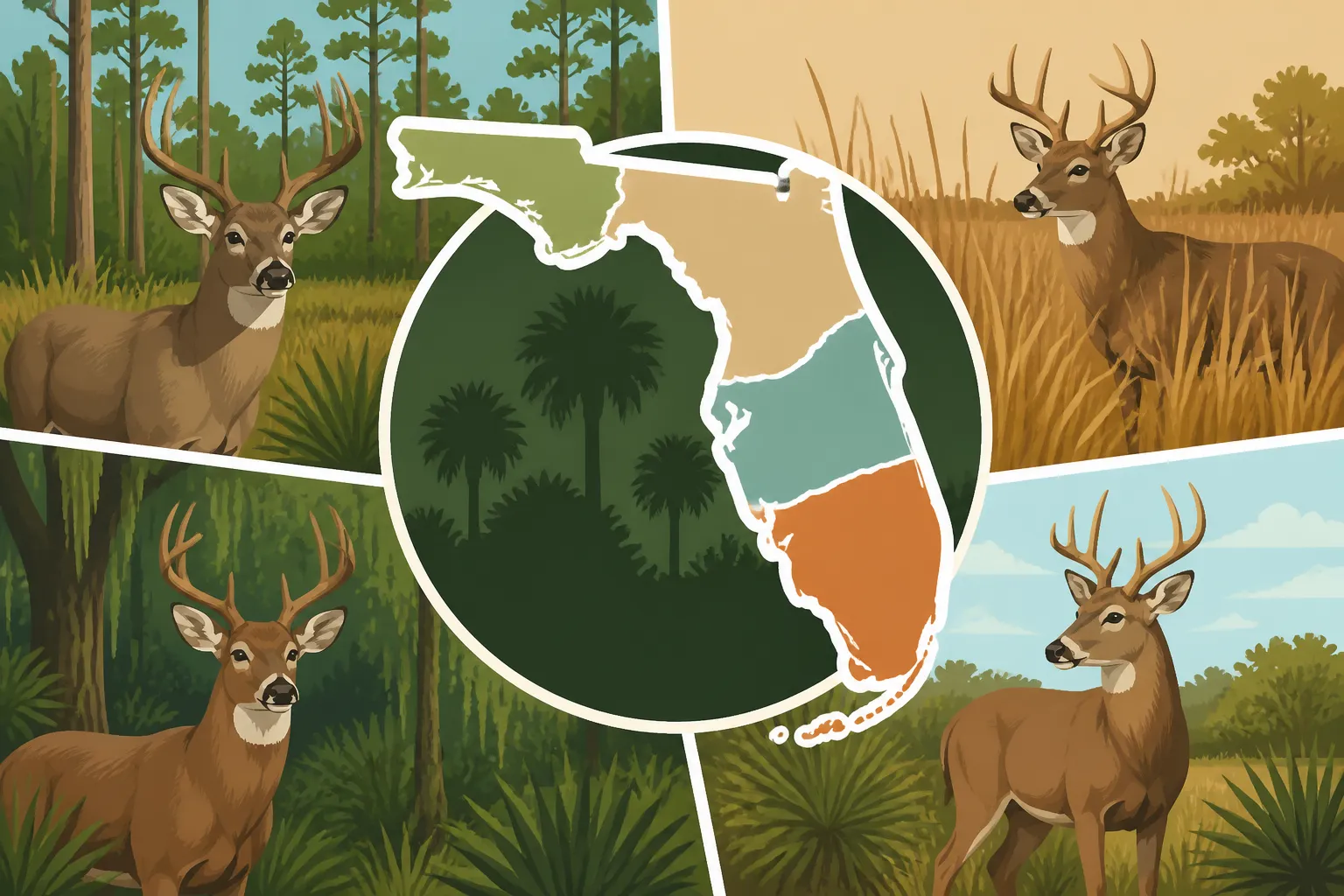
One of the biggest headaches is figuring out exactly which zone your hunting spot falls into. It's not always intuitive, and county lines often serve as boundaries, but not exclusively. You might be hunting in a county that's split between two zones, or a WMA might straddle a boundary, making it even more important to consult the FWC regulations specifically for that area. Most counties in the Florida Panhandle and parts of North Florida fall into Zones B and D, while Central Florida primarily lies within Zone C, and the vast expanse of South Florida, including the Everglades, is Zone A. The best resources are always the official FWC Hunting Regulations handbook or their interactive online maps. A tool like GoHunt can be invaluable here, as it often overlays these boundaries on detailed satellite imagery, making it much easier to confirm your location and ensure you're compliant with the local zone rules. Don't rely on assumptions; always double-check your specific location before heading out. Our article on Which Zone Covers Your Florida County can provide a quick reference, but always cross-reference with the FWC.
Zone A: The Early Bird Catches the Worm (Sometimes)
Zone A is often referred to as Florida's "early season" zone, covering a massive swath of South Florida from around Lake Okeechobee south to the Everglades. This is a land of unique challenges and opportunities, defined by its subtropical climate and vast, often impenetrable, habitats. For hunters, it means adapting to heat, humidity, and terrain unlike anywhere else in the state.
Key Characteristics and Habitat of Zone A
Zone A encompasses some of Florida's most iconic and wild landscapes. Think endless saw palmetto prairies, dense cypress swamps, vast stretches of pine flatwoods, and the unique ecosystems of the Everglades. The deer here are often smaller-bodied than their northern counterparts, a biological adaptation to the year-round warm climate and lower nutritional value of some forage. Food sources are abundant but often scattered, ranging from wild berries and acorns (when available) to various grasses and browse. Water is seldom an issue, often being too plentiful. The rut in Zone A is notoriously early and can be spread out, typically peaking from July through September, though it can vary significantly even within the zone. This early rut means hunters are pursuing deer during the hottest, most humid months of the year, adding a significant physical challenge to the hunt.
Archery and Muzzleloader Tactics for Early Season
Given the early rut, archery and muzzleloader seasons often kick off in July or August in Zone A. This is a brutal time to hunt, with temperatures frequently in the 90s and humidity levels nearing 100%. Persistence is key. For archery, focusing on shaded travel corridors, natural funnels between bedding and feeding areas, and water sources is paramount. Deer movement will be minimal during daylight hours, mostly confined to dawn and dusk, or even primarily at night. Setting up ground blinds or well-brushed tree stands close to known food sources that offer thick cover can be effective.
Muzzleloader hunters face similar challenges. The limited range of a muzzleloader means you need to get close, which is tough when deer are mostly nocturnal and the air is thick with mosquitoes. Scouting for fresh sign near thick cover and establishing ambush points along trails leading to evening browse or water holes is critical. Consider a Hot-Weather Sitting Strategy in Florida which emphasizes early morning and late evening hunts, staying hydrated, and using scent control religiously. This early season also provides a unique opportunity for Bowhunting Florida's Zone A August Opener, where dedicated archers might find bucks still showing some rutting behavior if they time it just right.
Gun Season Strategies and Late Season Challenges
General gun season in Zone A often opens in September, bringing with it more hunters and slightly cooler, but still warm, temperatures. The peak rut for many areas might have already passed by this point, meaning bucks are often less active and harder to pattern. Still-hunting through palmetto heads or slowly working the edges of cypress swamps can be productive, as deer will often bed in these thick areas. Still-Hunting Florida Palmetto Flatwoods requires a keen eye and immense patience, moving only a few steps at a time.
As the season progresses into late fall and early winter, the focus shifts more towards food sources. While acorns are a prime target elsewhere, their availability in South Florida can be sporadic. Look for areas with persistent browse or any planted food plots on private land or WMAs. Late-Season Food Sources for Florida Whitetails might include specific native plants that offer nutrition when other options dwindle. Deer drives, especially on private land with a good group of hunters, can also be effective in pushing deer out of heavy cover, but remember to always have proper safety protocols in place, especially when attempting Deer Drives With Three or Four Hunters.
Zone B: Navigating the Northern Rut
Zone B covers a significant portion of North Central Florida, extending into some of the Panhandle counties. This zone presents a more "traditional" deer hunting experience, with a later rut and slightly cooler temperatures compared to Zone A, though Florida's mild winters still make it unique from states further north. Hunters in Zone B often find themselves balancing public land opportunities with the challenges of moderate pressure.
Zone B's Unique Rut Timing and Peak Activity
The rut in Zone B typically occurs later in the fall, often peaking from October through November, with some activity spilling into December. This timing often coincides nicely with the general gun season, making it a favorite for many hunters. You'll find bucks actively chasing does, making scrapes, and rubbing trees, providing those exciting opportunities that every deer hunter dreams of. This later rut means you're generally hunting in more comfortable conditions, though warm spells can still pop up unexpectedly. Understanding Hunting the Zone B Rut in November is crucial, as this is when deer are most active and susceptible to calling or decoy strategies. Hunters should pay close attention to historical rut data for their specific area within Zone B, as even within this zone, local conditions can shift peak activity by a week or two.
Hunting Public Lands and Pine Plantations
Zone B offers a mix of public land opportunities, including large Wildlife Management Areas (WMAs) and portions of National Forests like the Ocala and Osceola. These areas often feature extensive pine plantations, mixed pine-hardwood forests, and some swampy lowlands. Hunting public land here requires significant scouting, as deer densities can be lower and pressure higher. Using satellite imagery with a tool like GoHunt can help identify potential bedding areas, travel corridors, and overlooked pockets of cover. Look for areas with diverse forage and water sources that aren't easily accessible from main roads.
Pine plantations, while seemingly uniform, can hold deer, especially on their edges or where younger growth provides thick cover. During the rut, bucks will often cruise these edges looking for does. Hunting natural funnels within these plantations or along transition lines where they meet hardwoods can be productive. Remember that many public lands may have specific rules regarding stands, so understanding Using a Ground Blind on Florida Public Land or portable stand regulations is important.
Dealing with Hunting Pressure and Weather Swings
Hunting pressure in Zone B can be significant, especially during the peak of gun season and around popular WMAs. This pressure often pushes deer into thicker, less accessible cover, making them primarily nocturnal. To combat this, try to get deeper into public lands than other hunters are willing to go. Look for swamps, dense palmetto thickets, or areas with difficult access like flooded timber. Early morning and late evening hunts are still the most productive, but mid-day still-hunting in these dense areas can sometimes jump a bedded buck.
Weather in Zone B can be fickle. While generally cooler, you can still experience warm fronts that make deer less active, followed by sudden cold snaps. After a cold front, deer often move more, seeking out food sources to refuel. Adjust your tactics accordingly, focusing on prime feeding areas after a cold front passes. This zone offers some excellent opportunities, but success often comes down to adapting to both the deer's behavior and the conditions thrown your way.
Zone C: Central Florida's Challenge and Opportunity
Zone C covers the heart of peninsular Florida, from north of Lake Okeechobee up through much of Central Florida, including the areas around Gainesville and Orlando. This zone is characterized by its mixed landscapes, dense human population centers, and a rut that often catches hunters by surprise due to its variability.
Understanding Zone C's Diverse Habitat and Rut
Central Florida's Zone C is a patchwork of habitats. You'll find everything from vast citrus groves and cattle ranches to sprawling pine flatwoods, oak hammocks, and smaller, isolated swamps. This diverse landscape means deer behavior can vary greatly from one property to the next. The rut in Zone C is perhaps the most inconsistent and elongated of all the zones. While generally peaking from October through January, specific areas can see significant rutting activity anywhere from September to February. This makes patterning bucks a real head-scratcher. Deer in agricultural areas might behave differently than those in dense wilderness tracts, adding another layer of complexity. Hunters need to be diligent in their scouting to pinpoint local rutting activity rather than relying on generalized assumptions. Our guide on Hunting the Zone C Early Archery Opener delves into those initial opportunities where patient hunters can find success.
Hunting Public Land Access and Private Tracts
Despite the heavy population, Zone C still boasts some excellent public hunting opportunities, though many of these are quota hunts on WMAs, making access competitive. Areas like Green Swamp Wilderness Preserve or Three Lakes Wildlife Management Area are popular, but require careful planning and often a quota permit. For public land, expect to deal with pressure and focus on less-traveled areas, utilizing thick cover and water features to your advantage. Finding ground that others walk past is a major key to success.
On private land, Zone C offers fantastic potential, particularly on cattle ranches, timber company lands, and larger private holdings. Access here usually comes through leases or direct landowner permission. These lands often have more consistent food sources, whether natural or planted, and deer may be less pressured, leading to more predictable movement patterns. Building relationships with landowners is invaluable here. For those without private access, understanding the Florida WMA Quota Permit System is essential for finding a huntable piece of ground.
Adapting to Mild Weather and Early Pressure
Like other Florida zones, Zone C typically experiences mild winters. Cold fronts are fleeting, and warm, humid weather can persist well into the hunting season. This means deer are less likely to move significantly during midday, and early morning/late evening hunts remain crucial. Hunters should focus on trails leading to and from bedding areas and food sources. The early general gun season often opens in November, coinciding with some peak rut activity, but also bringing a surge of hunters. Pressure can be a significant factor, pushing deer into nocturnal patterns quickly.
To counteract this, consider utilizing areas with difficult access or hunting during weekdays when pressure is typically lighter. Employing scent control is always important in warm weather, as deer's noses are always working. Furthermore, understanding how Wind and Thermals in Flat Florida Terrain affect scent dispersal can give you a significant advantage, especially when setting up ambush points around oak hammocks or field edges. Patience, quiet movement, and a deep understanding of local deer behavior will be your best assets in Zone C.
Zone D: The Panhandle's Distinct Seasons
Zone D covers the westernmost counties of the Florida Panhandle, bordering Alabama and Georgia. This zone truly feels like a different state when it comes to deer hunting, with colder winters, more traditional hardwood forests, and a rut timing that aligns more closely with its northern neighbors. Hunters here will find a familiar rhythm and unique opportunities.
Zone D's Traditional Rut and Longer Seasons
In Zone D, the rut typically occurs later than in other parts of Florida, often peaking in December and even extending into January. This later timing means hunters can experience deer activity in truly cold weather, which is a rare treat for Florida. Bucks will be chasing does aggressively, rubbing, scraping, and responding well to calls. This zone often offers the longest hunting seasons for deer, allowing ample opportunity to capitalize on the late rut and post-rut feeding patterns. The extended season means you can adapt your tactics as the season progresses, from rut-focused strategies to targeting late-season food sources. This aligns with a more "classic" southern whitetail hunt, which is why many hunters from other parts of Florida or neighboring states are drawn to Hunting Florida Panhandle Pine Plantations and the hardwood bottoms found here.
Targeting Deer in Hardwood Bottoms and Agricultural Lands
Zone D's habitat is often characterized by extensive pine plantations managed by timber companies, but also significant hardwood bottomlands along rivers and creeks, and agricultural fields such as peanuts, soybeans, and corn. These hardwood bottoms are prime areas during the rut, offering acorns and other hard mast, as well as dense cover. Bucks will frequent these areas looking for does and food. Scouting for fresh sign, like rubs and scrapes, is critical in pinpointing active areas.
Agricultural fields provide excellent food sources, especially in the late season. Deer will often stage in adjacent timber before entering fields at dusk. Setting up on field edges or along travel corridors leading to fields can be highly effective. Consider using a good pair of binoculars to glass fields from a distance at last light, observing deer entry and exit points. When it comes to Hunting a Standing Peanut Field, understanding deer habits around these lucrative food sources can be the difference between success and going home empty-handed.
Managing Pressure on National Forests and State Lands
The Florida Panhandle offers vast tracts of public land, including the Apalachicola National Forest and numerous State Forests and WMAs. These areas provide excellent opportunities, but they also see significant hunting pressure, especially during the general gun season. To find success on these public lands, hunters need to be willing to get off the beaten path. Utilizing aerial maps, particularly with tools like GoHunt, can help identify remote pockets of cover, inaccessible swamps, or areas far from road access where other hunters might not venture.
Accessing areas that are a mile or more from a road, or require navigating dense thickets or water, can greatly increase your chances of finding less-pressured deer. Deer drives are also common in these larger timbered areas, especially on private lands. If you're Posting a Drive Around a Palmetto Head or similar thick cover, ensure clear communication and safety among your hunting party. Learning to read sign in the thick woods and understanding deer movement patterns in response to pressure will give you a significant edge in Zone D.
General Strategies for All Florida Deer Zones
No matter which Florida deer zone you find yourself in, some fundamental strategies hold true. Florida deer hunting is often about adapting to dynamic conditions, understanding subtle deer behavior, and being more persistent than the deer—or the mosquitoes!
Scouting Year-Round with Technology
Successful deer hunting in Florida, across all zones, starts long before opening day. Year-round scouting is paramount. This doesn't just mean walking the woods in July, though that's important for understanding summer patterns and food sources. It also means leveraging technology. Aerial photos and topographical maps are your best friends for identifying bedding areas, travel corridors, funnels, and potential food sources from the comfort of your home. Tools like GoHunt or other mapping apps allow you to mark waypoints, measure distances, and understand land ownership. This digital groundwork saves countless hours of aimless walking.
Once you've identified potential spots, then it's time for boots on the ground. Look for rub lines, scrape lines, fresh tracks, and droppings. Use trail cameras, placed strategically near funnels or suspected feeding/bedding areas, to monitor deer movement and identify specific bucks. Even in thick Florida cover, deer leave signs, and knowing Reading Florida Mud for Fresh Deer Movement can tell you if you're in an active area. Remember that deer patterns can change with food availability, hunting pressure, and weather, so ongoing scouting, even during the season, is beneficial. For comprehensive preparation, refer to our guide on Scouting Florida Public Land Before Season.
Understanding Deer Behavior and Sign
Florida deer, while often smaller, are still whitetails and exhibit many of the same core behaviors. They seek food, water, and cover. What changes are the specific manifestations of those needs in a Florida context. For example, during hot weather, cover near water is even more critical. During the rut, bucks will still cruise for does, but their activity might be concentrated more heavily during the cooler periods of the day.
Learning to read deer sign is an art. Fresh tracks in sandy soil, shiny rubs on small pines or palmetto fronds, and active scrapes under licking branches all tell a story. In many parts of Florida, particularly Zone A and C, deer prefer to bed in thick palmetto heads, swamp islands, or dense stands of young pines. Understanding Where Florida Bucks Bed in Thick Palmetto can help you determine approach routes or stand locations. Don't forget that consistent food sources, whether natural (like acorns, if you can find them after a poor year, as discussed in Hunting After a Poor Acorn Year) or planted, will always draw deer. Pay attention to what's actively producing food in your area, and you'll find deer.
Patience and Persistence: The Florida Hunter's Mantra
Perhaps the most crucial strategy for hunting deer in any Florida zone is patience and persistence. Florida deer hunting can be tough. The heat, the bugs, the thick cover, and often, the elusive nature of the deer themselves, can be discouraging. You might sit for hours in a stand without seeing a single deer, especially during the warmer parts of the season or in heavily pressured areas. It's easy to get frustrated and give up.
However, the hunters who consistently find success are those who stick with it. They understand that deer movement can be minimal, and they're prepared to put in the time. They adjust their tactics when something isn't working, move stands if needed, and keep scouting for new sign. Sometimes, the difference between success and failure is simply being in the stand for an extra half hour or making one more trip to a new area. Don't underestimate the power of simply being there consistently and learning from every sit, regardless of the outcome.
Essential Gear and Tools for Florida Deer Hunters
Hunting in Florida presents some unique gear considerations compared to hunting in more northern climates. The heat, humidity, thick cover, and often wet conditions demand specific choices to ensure comfort, safety, and success.
Clothing and Protection for Humid Conditions
Forget heavy wool or insulated bibs for most of Florida's deer season. Lightweight, breathable, moisture-wicking clothing is paramount. Synthetic fabrics that dry quickly are much preferred over cotton, which stays wet and heavy with sweat. Earth-toned camo patterns that blend with Florida's often green and brown landscape are ideal. Brands like Sitka Gear or First Lite offer excellent options designed for warmer weather. Don't forget a lightweight rain jacket and pants, as sudden afternoon thunderstorms are common, especially in the early seasons.
Insect protection is non-negotiable. Mosquitoes, deer flies, and gnats can be relentless. A Thermacell unit is almost mandatory for stand hunting, and permethrin-treated clothing (applied well in advance) provides a good base layer of defense. A good head net and lightweight gloves can also provide some relief. Sunglasses are also important for eye protection from branches and glare, especially when Hunting a Cypress Head at Last Light or open palmetto flats.
Navigation and Communication in Remote Areas
Florida's public lands, particularly the National Forests and larger WMAs, can be vast and disorienting. Getting lost in thick palmetto or a swamp is a real concern. A reliable GPS unit or a smartphone with an offline mapping app (like GoHunt, which excels in this area by allowing you to download maps for areas with no cell service) is essential. Mark your truck, your stand, and any key features. A compass and the ability to use it as a backup are also highly recommended.
Cell service can be spotty to non-existent in many remote hunting areas. Always inform someone of your hunting plans, including your exact location and expected return time. A personal locator beacon (PLB) or satellite messenger (like Garmin inReach) offers a critical lifeline for emergencies, especially if you're hunting alone in areas without cell reception. Carrying a whistle can also be useful for signaling in emergencies. When you're Hunting a Green Swamp Slough, these tools become critical.
Weapon Choices for Florida's Diverse Seasons
Florida offers a range of weapon choices depending on the zone and season. For archery season, any legal bow or crossbow is permitted. Crossbows have become increasingly popular for their ease of use and extended range, and understanding Crossbow Hunting During Florida's Archery Season can give you an edge. Muzzleloaders are also popular, offering a single-shot challenge with powerful results. During general gun season, rifles, shotguns, and pistols are allowed, provided they meet minimum caliber requirements (e.g., .22 centerfire or larger for rifles). Many hunters prefer lever-action rifles or AR-platform rifles in calibers like .30-30, .350 Legend, or 6.5 Grendel for their brush-busting capabilities and quick follow-up shots in thick cover.
Whatever your weapon choice, ensure it's sighted in and you're proficient with it. Given Florida's generally thick cover, shots are often close-range. A robust, ethical bullet or broadhead that performs well on deer is more important than long-range accuracy. Carrying a sharp knife and a small saw or snips for clearing shooting lanes in your stand is always a good idea.
Adapting to Weather and Terrain Across Zones
Florida's environment constantly throws curveballs at hunters. From scorching heat to sudden deluges and tricky terrain, being prepared for anything is key to a successful and enjoyable hunt.
Humidity, Heat, and Hydration Management
The primary environmental challenge in Florida is the heat and humidity. This isn't just about discomfort; it's a serious safety concern. Dehydration and heat exhaustion are real threats, especially during early seasons. Drink plenty of water before, during, and after your hunt. Electrolyte supplements can also be beneficial.
Plan your hunts around the coolest parts of the day – dawn and dusk. Midday hunting, especially still-hunting, can be exhausting and unproductive. If you do hunt midday, move slowly, take frequent breaks, and stay hydrated. Consider using a backpack with a hydration bladder to make continuous sipping easier. Cooling towels can also provide temporary relief. For successful game recovery, remember that meat spoils quickly in heat, so swift field dressing and cooling of the carcass is absolutely vital. Our guide on Field Dressing a Deer in Hot Weather provides crucial steps to preserve your harvest.
Navigating Swamps, Palmettos, and Pine Forests
Florida's diverse terrain offers unique challenges.
- Swamps and Wet Bottoms: These areas can be productive, especially during dry spells when deer concentrate around limited water sources or use elevated islands. However, they are often wet, muddy, and full of dense vegetation. Waterproof boots, preferably knee-high rubber boots, are essential. Be prepared for slow, noisy movement and the occasional deep muck hole. Recovering a Deer From a Cypress Slough can be a grueling task, so planning your extraction route beforehand is smart.
- Palmetto Flatwoods: These vast, dense areas of saw palmetto can be incredibly difficult to navigate. The palmettos grow thick, limiting visibility to just a few feet and making quiet movement nearly impossible. Deer often bed deep within these thickets. Still-hunting or setting up on edges where palmettos meet pine woods or swamps can be effective. A sturdy hunting stick can help push through the dense vegetation.
- Pine Forests and Plantations: These are generally easier to walk through but can still be dense. Pay attention to transition areas where different age classes of pines meet or where pine forests border hardwoods or swamps. Deer often use these edges for travel and feeding. Look for older clear-cuts that have regrown into thick cover, as these can be excellent bedding areas and offer some of the best Hunting a Clear-Cut Regrowth Edge opportunities.
Post-Cold Front Tactics and Recovery Challenges
When a true cold front sweeps through Florida, it's often a game-changer. Deer movement increases significantly as they become more active, feeding to replenish calories and moving with renewed vigor during the rut. Capitalize on these days by being in your stand all day if possible, or focusing on high-traffic areas between food and cover. The crisp air also carries scent better, making calling or rattling more effective. Our guide on Hunting Deer After a Cold Front offers specific tactics for these prime conditions.
However, even in cooler weather, recovering a downed deer in Florida's thick cover can be a monumental task. The dense palmettos, swamps, and often featureless terrain make blood trailing difficult. Always mark your shot location, and if you have any doubt about the shot, give the deer plenty of time before pursuing. A good tracking dog, where legal, can be invaluable. If you're tracking after dark, a powerful headlamp or spotlight is essential, but remember the specific challenges of Blood Trailing After Dark in Florida, where ground critters and heat can quickly affect the carcass. Always be prepared for a difficult extraction, whether it involves a game cart, a drag sled, or simply brute force with a buddy.
Disclaimer
Hunting is a challenging and rewarding activity that carries inherent risks. This guide provides general information and recommendations for hunting deer in Florida's four deer zones. Always prioritize safety, ethical hunting practices, and strict adherence to all Florida Fish and Wildlife Conservation Commission (FWC) regulations. Regulations can change, so it is your responsibility to consult the most current official FWC hunting handbook before heading afield. The author and publisher are not liable for any incidents or outcomes related to the use of this information.