Hunting Deer After a Cold Front
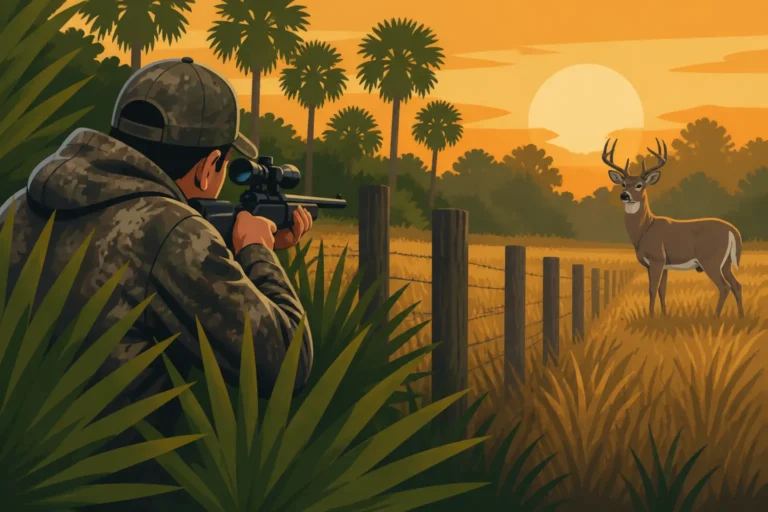
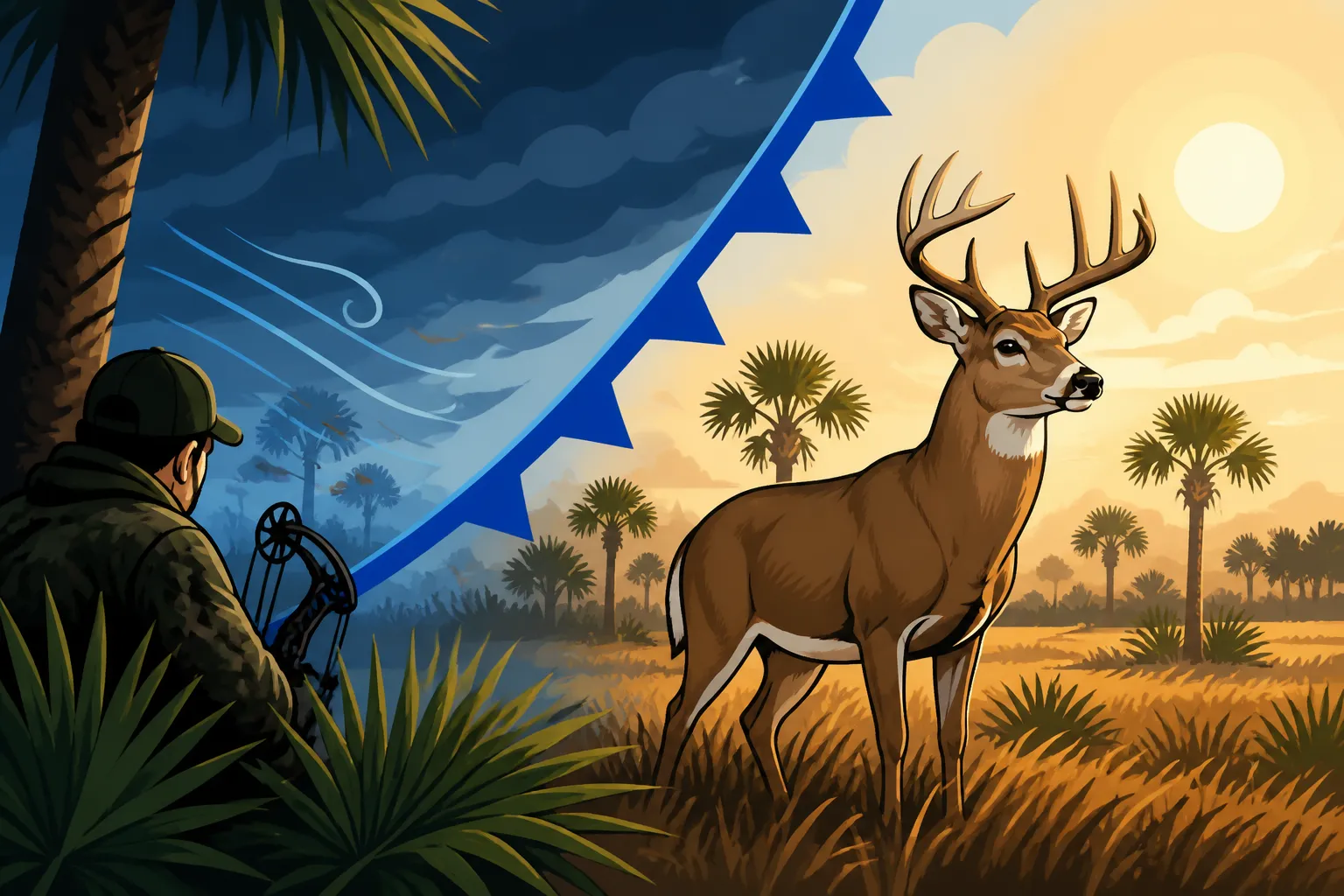
For Florida deer hunters, the persistent heat often means deer movement is limited to the cool hours of dawn and dusk, making daytime sightings a rare treat. But when a cold front finally sweeps through, bringing crisp air and a noticeable drop in temperature, it’s like a switch flips in the woods. This guide will walk you through exactly how these weather changes impact Florida's whitetails and, more importantly, how you can adjust your hunting strategy to make the most of those invigorating post-front days.
Understanding Deer Behavior After a Cold Front
Cold fronts are more than just a welcome break from the humidity; they trigger a fundamental shift in deer behavior, driven by biological needs and survival instincts. For Florida deer, accustomed to milder temperatures, even a moderate drop can feel significant and spur immediate changes.
Increased Daytime Movement for Feeding
One of the most noticeable changes after a cold front is the surge in deer activity, especially during daylight hours. Deer, like all mammals, need to burn more calories to maintain their body temperature when the mercury drops. This increased metabolic demand often translates directly into more aggressive feeding patterns. They're trying to pack in as much energy as possible.
Imagine a crisp morning in North Florida, the kind where you can finally see your breath. Instead of just milling around food sources at first light and then disappearing into the thickets by 8 AM, you might find deer lingering longer, even venturing out into open fields or feeding areas well into the late morning. This is particularly true if the cold snap follows a prolonged period of warm weather where their feeding was suppressed. They’re playing catch-up, and that means opportunity for hunters. You might even observe deer feeding again in the mid-afternoon, a time when they are usually bedded down during warmer conditions. This expanded feeding window is a primary reason why Hunting Deer After a Cold Front often becomes a hunter's favorite time.
Changes in Bedding and Travel Patterns
Alongside feeding, cold fronts also influence where deer choose to bed and how they travel between these areas and their food sources. In warmer Florida weather, deer often seek out the densest, shadiest cover imaginable, like thick palmetto heads or cypress swamps, to escape the heat and insects. After a cold front, their priorities shift.
With cooler temperatures, the need for deep shade diminishes, and they might opt for bedding areas that offer better solar exposure, especially on the sunny side of a ridge or a dense pine plantation where the sun can penetrate and warm the ground. Look for areas with a good southern exposure that might offer a little bit of warmth in the middle of the day. Furthermore, their travel routes might become more direct. Instead of taking circuitous paths through the thickest cover to stay cool and hidden, they might shorten their trips, moving more efficiently from bedding to feeding. This is where tools like GoHunt can be incredibly helpful. You can use their mapping features to identify sunny slopes and dense cover that might become prime bedding sites, and then plan your approach routes accordingly. Understanding Where Florida Bucks Bed in Thick Palmetto can be particularly insightful for adapting to these post-front shifts.
Rut Activity and Cold Snaps
For hunters timing their hunts with the peak of the rut, a cold front can be a game-changer. While the primary drivers of the rut are photoperiod (daylight length), cold fronts can significantly intensify existing rutting activity or even kickstart it if the conditions have been unseasonably warm.
Bucks become much more active in cooler temperatures, needing to conserve less energy, and thus they are more willing to travel extensively in search of does. Grunting and rattling, which might get little response in hot weather, can become incredibly effective after a cold snap as bucks are more inclined to chase down potential rivals or receptive does. You’ll often see more scrapes and rubs freshened, and mature bucks may become less nocturnal. If a cold front aligns with the pre-rut or peak rut in your particular zone, such as during Hunting the Zone B Rut in November, you can expect a frenzied period of activity. Does will also be more active, and with their increased movement, bucks will follow. This amplified activity is a prime example of how conditions can influence When the Florida Rut Peaks by Zone.
Strategic Hunting Adjustments Post-Front
Knowing how deer react to a cold front is only half the battle; the real advantage comes from effectively adjusting your hunting strategy to capitalize on these behavioral shifts.
Focusing on Key Food Sources
When deer are driven by a need to replenish calories, their focus turns squarely to readily available food. This makes food sources the absolute hottest ticket in town after a cold front. Forget about those random trails through thickets; concentrate your efforts where the deer are guaranteed to spend more time.
Think about what's available in your hunting area. If it’s early season, acorns, especially white oak acorns, are often irresistible. Later in the season, deer might shift to green fields, planted food plots, or even browse on tender new growth in recently burned areas. Late-Season Food Sources for Florida Whitetails will guide you on what to look for depending on the time of year. A freshly planted clover or rye grass plot can be a magnet, as can a standing peanut field or a soybean field edge. It’s critical to scout beforehand to know which food sources are being hit hardest. Often, the best bet isn't the biggest, most obvious food plot, but rather a smaller, more secluded one, or a natural browse area close to heavy cover that deer feel safe visiting in daylight. Using an app like GoHunt can help you mark these potential food sources and plan your approach routes carefully.
Targeting Funnels and Transition Areas
While food sources are crucial, deer still need to travel to get to them. Cold fronts can make certain travel corridors, known as funnels and transition areas, even more productive. These are natural pinch points that concentrate deer movement, making them ideal ambush points.
Funnels can be anything from a narrow strip of woods between two open fields, a saddle in a slight rise, or the edge of a cypress slough that forces deer to walk a specific path. Transition areas are the edges where one habitat type meets another, such as where a thick palmetto flat transitions into an oak hammock, or a pine plantation borders a swamp. These edges are often well-used travel corridors. After a cold front, deer are moving more, and often more directly, making these choke points even more effective. Setting up a stand or a ground blind on Florida public land overlooking a natural funnel or a well-used trail along a transition line can intercept deer moving to and from their feeding and bedding areas. Understanding Hunting a Funnel Between Two Palmetto Heads can give you a clear advantage when deer are on the move. Don't forget to consider Wind and Thermals in Flat Florida Terrain when picking your exact setup.
Adapting Stand Locations
Your go-to stand in hot weather might not be your best bet after a cold front. Since deer shift their bedding and feeding patterns, you need to be prepared to shift your stand locations or at least have a few cold-weather options in your arsenal.
If deer are spending more time feeding in the open, setting up a ground blind on a field edge or brushing in a blind on a field edge can be incredibly effective. Consider locations that offer sunlight during the day, as deer might bed in these areas to soak up warmth. If you're hunting dense cover, look for trails that run along sunny edges rather than deep, shaded pockets. Mobile hunting, using a lightweight treestand or saddle, becomes incredibly powerful after a cold front because it allows you to quickly react to fresh sign and changing deer patterns. If you've been monitoring game camera photos and seeing increased daytime movement towards a specific food source, you can pack up and move to capitalize on that hot activity. Remember that deer movement might also be more predictable, giving you clearer lines of sight into their travel paths.
Scouting and Pre-Front Preparation
Success during a cold front often hinges on the work you put in before the temperature drops. Effective scouting and preparation can mean the difference between seeing a lot of deer and just freezing in your stand.
Monitoring Weather Forecasts
This might sound obvious, but actively monitoring weather patterns is your first and most crucial step. You’re not just looking for "cold weather"; you’re looking for a significant drop in temperature, typically at least 10-15 degrees Fahrenheit lower than the preceding days, often accompanied by a shift to northerly or westerly winds.
Pay attention to fronts that bring clear, high-pressure systems in their wake. These clear, crisp days often result in the most intense deer activity. Local weather apps and reliable forecasting services can give you a heads-up several days in advance, allowing you to plan time off work, prepare your gear, and scout specific areas. Don't just watch the temperature; also note the humidity levels. A drop in humidity often accompanies a cold front and can make the air feel even crisper, further stimulating deer movement. Many experienced hunters use detailed forecast models to predict exactly when the cold air will arrive and how long it will linger, planning their hunts for the first 24-48 hours after the front passes for peak action.
Pre-Season Scouting for Key Areas
You can't just react to a cold front; you need to have a foundational understanding of your hunting grounds. Pre-season scouting is vital for identifying potential cold-weather hotspots.
This means finding all the major food sources, identifying natural funnels, locating different types of bedding cover (both warm and cold-weather options), and understanding the general flow of deer movement on your property or public land. Use an aerial map (like those found on apps such as GoHunt) to identify pinch points, ditches, and terrain features that could funnel deer. Walk the land, look for old rubs and scrapes that indicate historical buck activity, and identify different mast crops. Knowing Finding Sign in a Florida Oak Hammock during your off-season scouting will pay dividends when a cold front hits. If you've already identified multiple food sources – say, an oak flat, a persimmon tree grove, and a planted food plot – you can quickly decide which one might be most appealing to deer given the specific cold front conditions. You'll want to know Scouting Florida Public Land Before Season inside and out.
Using Technology for Real-time Data
In today's hunting world, technology can provide a significant edge, especially when reacting to dynamic weather conditions like a cold front. Trail cameras and GPS mapping apps are indispensable tools.
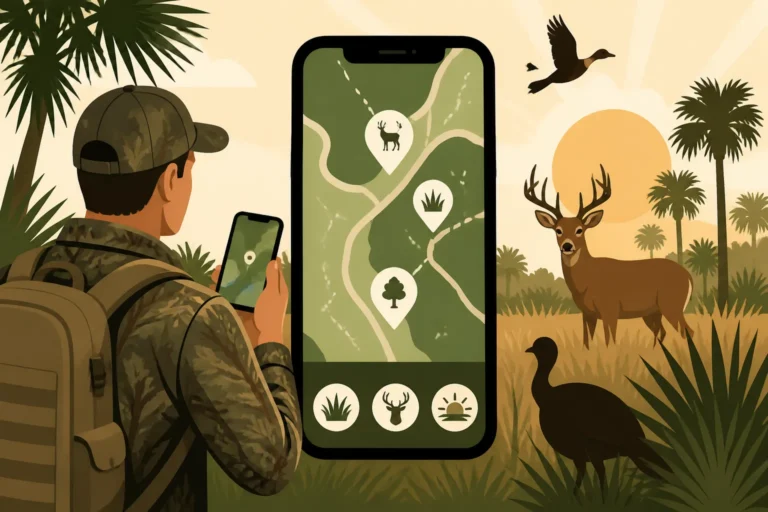
Deploying trail cameras on food sources, along known travel corridors, and near bedding areas will give you real-time intelligence on deer activity. After a cold front, check your cameras (quietly and strategically, of course!) to see if deer patterns have indeed shifted. Are they hitting a specific food plot more aggressively? Are mature bucks moving in daylight? Apps like GoHunt allow you to mark observations, plot potential stand locations, track your movement, and even study topographical maps and aerial photos from your phone. This information, combined with your weather forecast, can help you make informed decisions about where to hunt, how to approach your stand, and what to expect. Being able to quickly consult Reading Aerial Photos for Florida Deer on the fly can help you identify overlooked features that become critical when deer change their movement.
Here's a quick reference table to summarize key differences in deer behavior and hunting strategies before and after a cold front in Florida:
| Factor | Typical Warm Weather (Pre-Front) | Cold Front Conditions (Post-Front) |
|---|---|---|
| Daytime Movement | Limited, mostly dawn/dusk, seeking shade. | Increased, extended into mid-morning/late afternoon, seeking food. |
| Feeding Intensity | Moderate, focused on conserving energy. | High, driven by caloric needs, more aggressive browsing/grazing. |
| Bedding Preference | Thick, dense shade; palmetto heads, cypress sloughs. | Sun-exposed areas; southern slopes, pine thickets for warmth. |
| Travel Patterns | Circuitous, hugging heavy cover for concealment/cooling. | More direct, efficient routes between bedding and feeding. |
| Rut Activity | Can be sluggish, nocturnal, especially if hot. | Intensified, bucks more active, chasing, less nocturnal. |
| Best Stand Spots | Deep shade, water sources, early morning bedding transitions. | Food sources, sunny edges, funnels, late morning/mid-afternoon travel. |
Important Considerations for a Successful Hunt
Beyond understanding deer behavior and adjusting your strategy, there are a few other critical elements to ensure a successful and enjoyable hunt when that crisp air finally arrives.
Gear Up for the Chill
Even in Florida, a cold front can bring surprisingly chilly temperatures, especially at dawn and dusk. While you might be used to light clothing, these conditions demand a different approach to your hunting attire. Layering is absolutely key. Start with a moisture-wicking base layer to manage sweat, add an insulating mid-layer like fleece or wool, and top it off with a windproof and water-resistant outer shell.
Don't forget the extremities. Good insulated boots are crucial, as feet can get cold quickly sitting still. Warm gloves or mittens, and a warm hat are also essential for retaining body heat. A neck gaiter or facemask can make a huge difference in comfort. Even though it's Florida, sitting exposed to a brisk northwest wind for hours can be brutal if you're not prepared. Make sure your gear is quiet, too; rattling and noisy fabrics can spook deer, especially when they're on high alert.
Patience and Persistence
While cold fronts often make deer more active, it doesn't guarantee instant success. There will still be lulls in activity, and deer will still be deer – unpredictable. Patience is always a virtue in deer hunting, and cold front conditions are no exception.
Don't give up after an hour or two without seeing anything. Deer might move in waves. The morning bite might be slow, only to pick up significantly in the late morning or mid-afternoon. Be prepared to sit longer than usual. The increased activity window means you might have a shot at a deer you wouldn't typically see until after dark. Trust your scouting and your understanding of the cold front's effects. Sometimes, the difference between a successful hunt and an empty handed trip is simply staying on stand for an extra hour or two. Hot-Weather Sitting Strategy in Florida shows just how much more comfortable you can be when temperatures drop.
Safety First in Cooler Conditions
Cooler temperatures can sometimes bring their own set of safety concerns, even in Florida. Hypothermia, though less common than in northern states, can still be a risk if you get wet and the temperatures drop unexpectedly. Always tell someone where you are hunting and when you expect to return.
If you’re hunting on public land, remember that other hunters will likely be out, drawn by the same conditions. Wear adequate blaze orange where required, and always be aware of your surroundings. The crisp air can also carry sound further, so be mindful of how much noise you're making. And as always, practice strict firearm safety. When you finally connect with a deer in cooler weather, remember that proper game care is still paramount, even if the meat will cool down quicker than in the typical Florida heat.
Disclaimer
Hunting is an inherently dangerous activity. This guide provides general information and recommendations, but it is not a substitute for professional training, adherence to all local, state, and federal hunting regulations, and personal responsibility. Always prioritize safety, respect wildlife, and obtain all necessary licenses and permits before engaging in any hunting activity. Conditions can change rapidly, and hunters should always be prepared for unexpected situations.