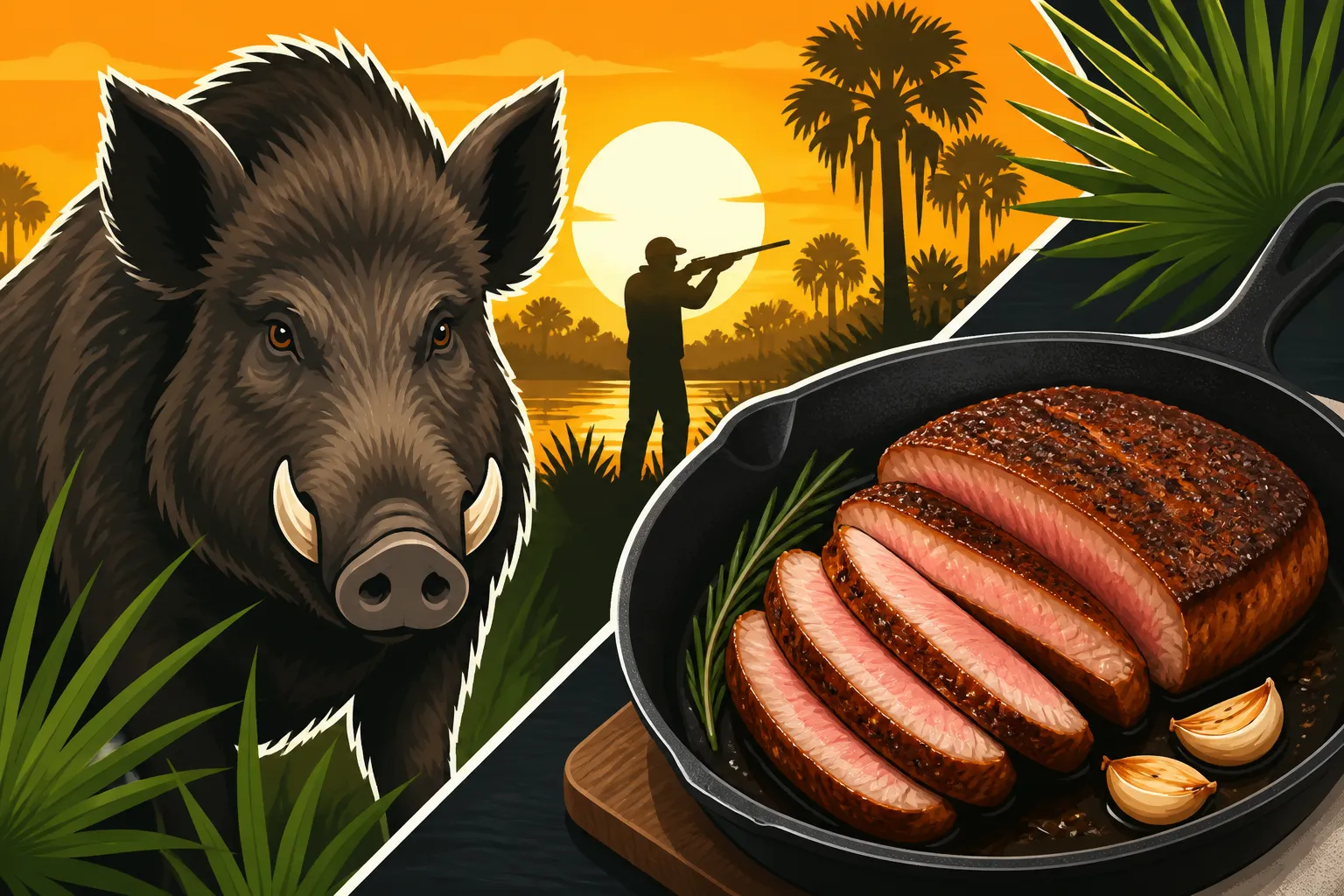
Cooking a Wild Florida Hog
Bringing a wild Florida hog from the field to the dinner plate is a deeply rewarding experience, but many hunters feel a bit intimidated when it comes to cooking wild game, especially hogs. You might worry about toughness, a strong "gamey" flavor, or simply not knowing the best approach to handle the meat after the shot. This guide is here to demystify the process, offering practical advice, debunking common myths, and sharing delicious methods to transform your wild hog harvest into truly exceptional, flavorful meals that even the skeptics will love.
Field-to-Fork Fundamentals: Initial Preparation is Key
The journey from a successful hunt to a fantastic meal begins the moment you recover your hog. The initial steps you take in the field are absolutely paramount to the quality and flavor of the meat. Forget fancy marinades if you neglect proper field care; no amount of seasoning can fix poorly handled game. This is where your hard work really pays off, ensuring that every effort you put into the hunt translates into a delicious reward.
The Critical Importance of Rapid Cooling
Florida's climate is famously warm, often hot and humid, and this is perhaps the biggest challenge when it comes to game meat preservation. Unlike hunting in colder climates where you might have hours, or even a full day, before needing to process, in Florida, time is not on your side. As soon as a hog hits the ground, the internal temperature of the animal begins to rise, providing a perfect breeding ground for bacteria that can quickly spoil meat and impart off-flavors. This is especially true for larger hogs.
Your absolute top priority must be to cool the carcass as quickly as possible. This means eviscerating the animal immediately after recovery. Don't drag it back to the truck with the guts still in, thinking you'll deal with it later. Open that body cavity up, remove all the organs, and allow air to circulate. If you're on a public land hunt, miles from your vehicle, consider carrying a lightweight game bag to protect the meat from flies and debris once opened. For those long drags or carrying situations, some hunters even pack ice into the body cavity if they have it readily available or can get to it quickly. Remember, hot weather demands swift action. This principle is just as vital for hogs as it is for deer; you can find more detailed advice on handling game in warm conditions by looking into "Field Dressing a Deer in Hot Weather". The goal is to get that internal temperature down to around 40°F (4°C) as soon as humanly possible, ideally within a few hours.
Skinning: The Preferred Method for Most Wild Hogs
When it comes to wild hogs, skinning the animal is almost universally preferred over scalding and scraping for a few key reasons. First, wild hogs often carry a variety of external parasites, like ticks and fleas. Skinning quickly removes these pests and their potential contaminants from the meat, providing a cleaner product. Second, the hide of a wild hog can be quite thick and tough, especially on older boars, making the scalding process much more labor-intensive and difficult to achieve uniformly without specialized equipment.
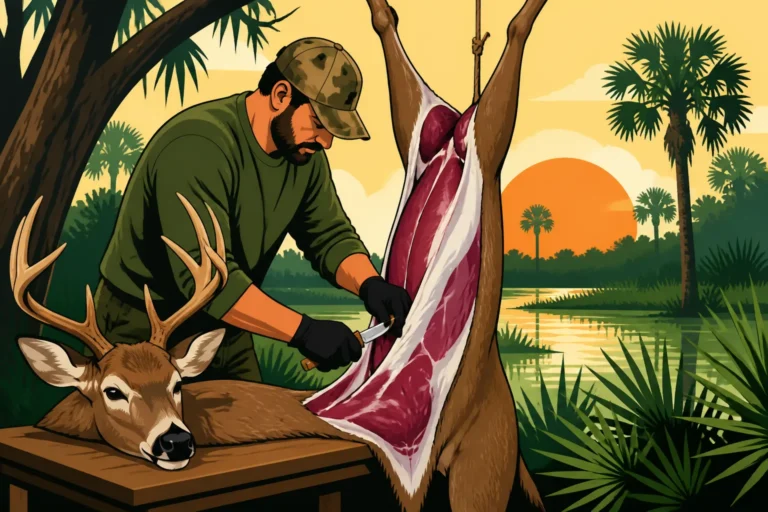
To skin a hog, lay it on its back, make an incision down the center of the belly, and carefully work the hide away from the muscle using a sharp knife. Be mindful not to cut into the meat itself. Many hunters find that a combination of knife work and pulling leverage works best, especially if you can hang the hog by its hind legs. This gravity assist makes the process smoother and keeps the meat off the ground. While scalding might be traditional for domestic pigs to keep the skin for crackling, the practicalities and hygiene considerations for wild hogs strongly favor complete removal of the hide. After skinning, you'll want to thoroughly rinse the carcass with clean water to remove any hair or debris, then pat it dry before chilling. This meticulous step prevents bacteria from lingering and ensures the freshest possible starting point for your culinary creations.
Debunking the "Gland" Myth: What to Really Remove
There's a persistent myth in hunting circles about "glands" in wild hogs that need to be removed to prevent gamey flavor. Let's set the record straight. Hogs, like all mammals, have scent glands, but these are primarily located externally, particularly around the jaw, groin, and sometimes on the legs. They are not embedded deep within the muscle tissue of the meat you'll be eating.
The primary source of any strong, off-putting flavor, often described as "gamey" or "rank," comes from a combination of factors: improper cooling, diet, and for mature boars, the presence of strong male hormones during breeding season. The "boar taint" associated with older, breeding boars is due to compounds like androstenone and skatole, which are deposited in the fat and muscle, not from specific "glands" you can easily cut out of the meat itself. Therefore, focusing on swiftly removing the hide (which takes most external glands with it) and excising large fat deposits, especially from older boars, is far more effective than trying to pinpoint mythical "glands" within the muscle. Some hunters swear by completely trimming all fat from a boar, as this fat is where the strongest flavors often reside. For younger hogs, especially sows and barrows (castrated males), this "gamey" flavor is often minimal to non-existent if handled correctly. Many hunters use tools like those available from GoHunt to plan their hunts and ensure they are targeting optimal animals, which can indirectly influence meat quality.
Understanding Wild Hog Meat: Flavor, Tenderness, and Versatility
Wild hog meat, while distinct from its domesticated cousin, offers incredible culinary potential. Its flavor profile can vary significantly, providing a rewarding challenge for any cook. Embracing these differences is key to turning a successful hunt into an amazing meal.
Age and Sex: Impact on Flavor and Texture
The most significant factors influencing the taste and texture of your wild hog meat are its age and sex. A young sow or barrow (a castrated male, sometimes found if the hog was once domesticated or part of a farmed population that escaped) will typically yield the mildest, most tender meat, very similar to lean, pasture-raised pork. The flavor will be clean, slightly nutty, and will readily absorb marinades and seasonings.
On the other hand, a large, mature boar, particularly one actively breeding, can present a much stronger, more intense flavor, often referred to as "boar taint." This is due to hormones and other metabolic compounds. The meat from these older boars also tends to be tougher due to more developed muscle fibers and connective tissue. Don't despair, though! This doesn't mean the meat is inedible. It simply means you need to adjust your cooking methods and preparation. When considering a hunt for meat, many hunters specifically target younger animals or sows, though with "Hunting Hogs Without a Bag Limit" throughout Florida, you have plenty of opportunities to be selective. For larger, older boars, think slow-cooking methods that break down tough fibers and strong flavors.
Marinating and Brining for Optimal Taste
Marinating and brining are your best friends when preparing wild hog, especially for those tougher or potentially stronger-flavored cuts. Marinating involves soaking meat in an acidic liquid (like vinegar, citrus juice, or wine) combined with oils, herbs, and spices. The acid helps to tenderize the meat by breaking down some muscle fibers, while the other ingredients infuse flavor deep into the tissue. For a potentially gamey hog, a robust marinade with ingredients like garlic, onion, rosemary, sage, and a good amount of acid can work wonders.
Brining, on the other hand, focuses on moisture retention and seasoning. A simple brine is a solution of salt and water, often with added sugars, spices, and aromatics. Soaking meat in a brine allows it to absorb moisture and salt, resulting in juicier, more flavorful meat, especially after cooking. This is particularly effective for leaner cuts that might dry out, or if you plan to smoke or grill. For hogs that might have a stronger flavor, a buttermilk or milk brine can also be very effective, as the lactic acid in dairy products helps to neutralize some of the stronger compounds in the meat. Regardless of your choice, aim for at least 6-12 hours of marinating or brining for most cuts, and up to 24-48 hours for particularly tough or large pieces. Many hunters find using a good scouting app like GoHunt helps them locate prime hog habitat, which then leads to more consistent harvests of quality animals.
Dealing with Tougher Cuts: Low and Slow is the Way to Go
If you've harvested an older boar or just have some of the tougher primal cuts like shoulder, ham, or shanks, don't even think about a quick sear. These cuts demand a "low and slow" approach. Cooking methods that apply moist heat over an extended period are designed to break down collagen and connective tissues, transforming tough meat into succulent, fork-tender deliciousness.
Techniques like braising, stewing, and slow-roasting are ideal. Braising involves searing the meat first to develop a rich crust, then simmering it partially submerged in liquid (broth, wine, beer, or even hard cider) in a covered pot for several hours. This gentle, moist heat gradually dissolves the tough connective tissues, infusing the meat with incredible flavor from the braising liquid. Similarly, stewing and making chili allows the meat to simmer for hours, becoming incredibly tender. Even a smoker can be your best friend here, as long as you maintain a low temperature (around 225-275°F) and give it plenty of time, often 6-10 hours or more, for cuts like shoulders. Adding moisture to your smoker, perhaps with a water pan, can also aid in tenderness. These methods not only tenderize but also help to mellow out any stronger flavors that might be present in older animals. Learning "Why Florida Hogs Have No Closed Season" highlights the abundance of this species, giving you ample opportunities to practice these culinary skills.
Delicious Ways to Prepare Your Wild Florida Hog
Wild hog meat is incredibly versatile, lending itself to a vast array of cooking styles. From classic BBQ to hearty stews, there’s a method out there to suit every palate and every cut of meat.
Smoking and Barbecuing for Unforgettable Flavor
Smoking and barbecuing are arguably among the best ways to prepare wild hog, particularly the shoulder (often called a "picnic" or "Boston butt" in domestic pork terms). The slow cooking process in a smoker tenderizes even the toughest cuts, while the wood smoke imparts a rich, savory flavor that complements the wild character of the meat beautifully. Popular woods for smoking include hickory, oak, pecan, or even fruit woods like apple or cherry for a milder touch.
Before smoking, most hunters apply a "rub"—a mixture of dry spices, often including paprika, brown sugar, garlic powder, onion powder, salt, and pepper. This rub creates a delicious crust as the meat cooks. You'll want to smoke your hog at a low temperature, typically between 225°F and 275°F, until the internal temperature reaches around 195-205°F, or until it's fork-tender and pulls apart easily. This can take anywhere from 6 to 12 hours or more, depending on the size of the cut. Don't be afraid to spritz the meat with apple cider vinegar or apple juice every hour or so to keep it moist. Barbecuing, while often used interchangeably with smoking, can also refer to cooking over indirect heat on a grill, achieving similar tender results without the heavy smoke flavor, often using a sweet and tangy BBQ sauce. The sheer number of "Feral Hogs Across Florida" means you'll have plenty of opportunities to perfect your smoking technique.
Braises, Stews, and Chili: Comfort Food Classics
For meat from older, tougher hogs, or simply for delicious, hearty meals, braises, stews, and chili are absolute winners. These methods excel at breaking down tough connective tissue and infusing the meat with deep, complex flavors. A classic wild hog braise might involve searing chunks of hog shoulder or leg meat, then simmering them slowly in a rich liquid like red wine, beef broth, or even dark beer, along with vegetables such as carrots, celery, onions, and herbs like thyme and bay leaves. The result is fall-apart tender meat swimming in a flavorful sauce.
Stews offer similar benefits, allowing you to combine hog meat with various vegetables, potatoes, and a savory broth for a complete meal. Think hearty root vegetables and robust seasonings. Chili, a perennial favorite, is fantastic for wild hog. You can use ground wild hog, or even chunks of braised hog shoulder, as the base. The long simmer time allows all the flavors to meld together, and the spices help to mask any strong flavors from older animals. These dishes are perfect for a chilly evening or feeding a crowd after a long day in the field, perhaps even after a successful "Dog Hunting Hogs in Florida" outing. They also freeze exceptionally well, making them ideal for meal prep.
Grilling and Frying: Quick and Flavorful Options
While low and slow is often emphasized for wild hog, don't rule out grilling and frying, especially for younger, more tender cuts like backstraps, tenderloins, or thin-sliced leg meat. These methods are quick, deliver fantastic flavor, and are perfect for a weeknight meal. For grilling, marinating is highly recommended to add moisture and flavor, and to help tenderize slightly. Think citrus-based marinades for brightness, or herb-and-garlic marinades for savory depth. Grill quickly over medium-high heat until cooked through, being careful not to overcook, as leaner wild hog can dry out faster than domestic pork.
Frying is another excellent option, particularly for making crispy cutlets or chicken-fried steak style preparations. Slice your hog tenderloin or leg meat thinly, pound it lightly, season generously, and dredge in flour, egg, and breadcrumbs before pan-frying in hot oil until golden brown and cooked through. This creates a delightful crust and keeps the inside moist. You can also make fantastic wild hog nuggets or stir-fry strips. Just remember that because wild hog is leaner, it's best cooked to an internal temperature of 145°F for medium-rare to 160°F for medium, followed by a short rest, to ensure maximum juiciness and safety. Using a meat thermometer is always a good idea.
Favorite Recipes for Your Florida Hog Harvest
Now that you understand the nuances of wild hog and the various cooking methods, let's dive into some specific, mouth-watering recipes that are sure to become staples in your wild game kitchen.
Pulled Wild Hog: A Crowd-Pleasing Staple
Pulled pork is a classic, and pulled wild hog is an absolute showstopper. It’s incredibly forgiving and ideal for feeding a large group.
Ingredients:
- 3-5 lb wild hog shoulder (Boston butt or picnic roast), bone-in or boneless
- 1/4 cup yellow mustard (as a binder, adds no flavor)
- 1/4 cup your favorite dry rub (see smoking section for ideas, or use a store-bought blend)
- 1 large onion, roughly chopped
- 1 cup apple cider vinegar
- 1 cup chicken or vegetable broth
- Your favorite BBQ sauce for serving
- Buns, coleslaw, and pickles for serving
Instructions:
- Prep the Hog: Pat the wild hog shoulder dry with paper towels. Rub all surfaces with yellow mustard. This acts as a binder for the dry rub. Generously coat the entire shoulder with your dry rub, pressing it into the meat.
- Cook Low and Slow (Smoker, Oven, or Slow Cooker):
- Smoker: Preheat your smoker to 250-275°F. Place the hog shoulder directly on the grates. Smoke for 6-10 hours, or until the internal temperature reaches 195-205°F and the meat pulls apart easily with a fork. You can wrap it in foil after a few hours to speed up cooking and retain moisture.
- Oven: Preheat oven to 275°F. Place the chopped onion in the bottom of a large Dutch oven or roasting pan. Place the rubbed hog shoulder on top of the onions. Pour in the apple cider vinegar and broth. Cover tightly and bake for 4-6 hours, or until fork-tender.
- Slow Cooker: Place the chopped onion in the bottom. Add the rubbed hog shoulder. Pour in the apple cider vinegar and broth. Cook on low for 8-10 hours or on high for 4-6 hours, until easily shredded.
- Shred and Serve: Once cooked, remove the hog shoulder from the heat and let it rest for 15-20 minutes. Using two forks, shred the meat, discarding any large pieces of fat or bone. You can mix in a little of the cooking liquid for extra moisture. Serve piled high on buns with your favorite BBQ sauce, coleslaw, and pickles. This dish is fantastic, and you’ll often find similar preparations in hunting camps after a successful hog eradication, especially when managing "Florida Hog Damage to Agriculture".
Homemade Wild Hog Sausage and Ground Meat Dishes
Wild hog makes incredible sausage and versatile ground meat. This is particularly useful for maximizing your harvest, especially if you have a larger boar with tougher cuts or want to use up trimmings.
Homemade Sausage:
Making your own sausage allows you to control the flavor profile. Most wild hog sausage recipes will call for adding some pork fat (from a butcher) or bacon fat, as wild hog is typically much leaner than domestic pork. A good starting ratio is 70-80% lean hog meat to 20-30% fat. Grind the meat and fat together, then mix thoroughly with your chosen seasonings (sage, black pepper, red pepper flakes, fennel, garlic, and salt are common). You can then form patties, stuff into casings, or simply keep it as bulk sausage. This is a fantastic way to enjoy your harvest, and the process is detailed in guides for "Processing Meat Near a Florida Hunting Camp".
Ground Meat Versatility:
Once you have ground wild hog, the culinary possibilities are endless:
- Tacos and Burritos: Season with taco seasoning and use as a delicious filling.
- Chili: A rich, flavorful chili base that’s perfect for cool Florida evenings.
- Meatballs/Meatloaf: Combine with breadcrumbs, eggs, and seasonings for flavorful meatballs or a hearty meatloaf.
- Shepherd's Pie: Use as the savory meat layer under a creamy mashed potato topping.
- Breakfast Patties: Mix with sage, maple syrup, and pepper for a sweet and savory breakfast sausage.
Tacos, Stir-Fries, and Other Creative Culinary Adventures
Don't limit yourself to traditional "pork" recipes. Wild hog, with its robust flavor, can shine in dishes inspired by various cuisines.
Wild Hog Tacos:
For quick and easy tacos, thinly slice marinated wild hog tenderloin or backstrap, then quickly grill or pan-fry until cooked through. Shred it, or serve the slices whole, in warm tortillas with fresh salsa, avocado, cotija cheese, and a squeeze of lime. Alternatively, use seasoned ground wild hog for a more classic taco experience.
Spicy Wild Hog Stir-Fry:
Thinly sliced wild hog, especially from the tenderloin or ham, works wonderfully in a stir-fry. Marinate the strips in a mixture of soy sauce, ginger, garlic, sesame oil, and a touch of chili sauce. Quickly stir-fry with your favorite crisp-tender vegetables like bell peppers, broccoli, snap peas, and carrots. Serve over jasmine rice for a fast, flavorful, and healthy meal.
Wild Hog Carnitas:
This Mexican classic is perfect for wild hog shoulder. Slowly braise chunks of hog in water, lard (or oil), citrus juice, and seasonings until incredibly tender. Once the liquid has mostly evaporated, the meat will crisp up in its own rendered fat, creating delectable, crispy-edged carnitas perfect for tacos, burritos, or just eating straight from the pan.
Wild Hog Table: Cuts and Cooking Recommendations
| Cut | Best for Younger Hogs (<100 lbs) | Best for Older Hogs (>100 lbs) | Cooking Method Considerations |
|---|---|---|---|
| Backstrap/Loin | Grilling, Pan-Searing, Roasting | Grilling (marinated), Pan-Searing (marinated) | Lean, quick-cooking. Avoid overcooking. Marinating is key for tenderness and flavor if older. |
| Tenderloin | Grilling, Pan-Searing, Stir-Fry | Grilling (marinated), Pan-Searing (marinated) | Most tender cut. Cook quickly to medium-rare/medium. Excellent for quick meals. |
| Shoulder (Boston Butt) | Smoking, Braising, Pulled Pork | Smoking (long), Braising (long), Pulled Pork | High in connective tissue. Requires low and slow cooking for tenderness. Fantastic for pulled hog. |
| Ham/Leg | Roasting (whole), Steaks, Ground | Braising, Stewing, Ground, Sausage | Can be roasted whole (young). Steaks for younger animals. Older requires slow cooking or grinding for sausage. |
| Ribs | Smoking, Grilling (low & slow) | Smoking (long), Braising | Less meat than domestic ribs but flavorful. Best with low and slow methods. |
| Shank | Braising, Stewing | Braising, Stewing | Very tough, high in collagen. Requires long, moist cooking to become tender. Excellent for Osso Buco. |
| Belly | Bacon, Pancetta, Curing | Curing (bacon), Braising | Fatty cut, great for curing into bacon or braising. Trim excess fat carefully from older boars. |
| Trimmings | Ground meat, Sausage, Stew meat | Ground meat, Sausage, Rendered Fat | Ideal for grinding into sausage or ground meat. Ensure fat content is appropriate (add pork fat if needed). |
No matter how you choose to prepare it, cooking a wild Florida hog is an adventure in itself, rewarding you with healthy, organic, and incredibly flavorful meat. Experiment with different seasonings and methods, and don't be afraid to get creative. The satisfaction of providing for your table with your own harvest is truly unmatched.
Disclaimer
The information provided in this guide is for informational purposes only and is not a substitute for professional advice. Always ensure you are following all local, state, and federal hunting regulations, including proper licensing, tag requirements, and reporting procedures. When handling wild game, practice safe food handling techniques to prevent illness. Consult with qualified professionals for specific hunting or food preparation concerns.