Why Florida Hogs Have No Closed Season
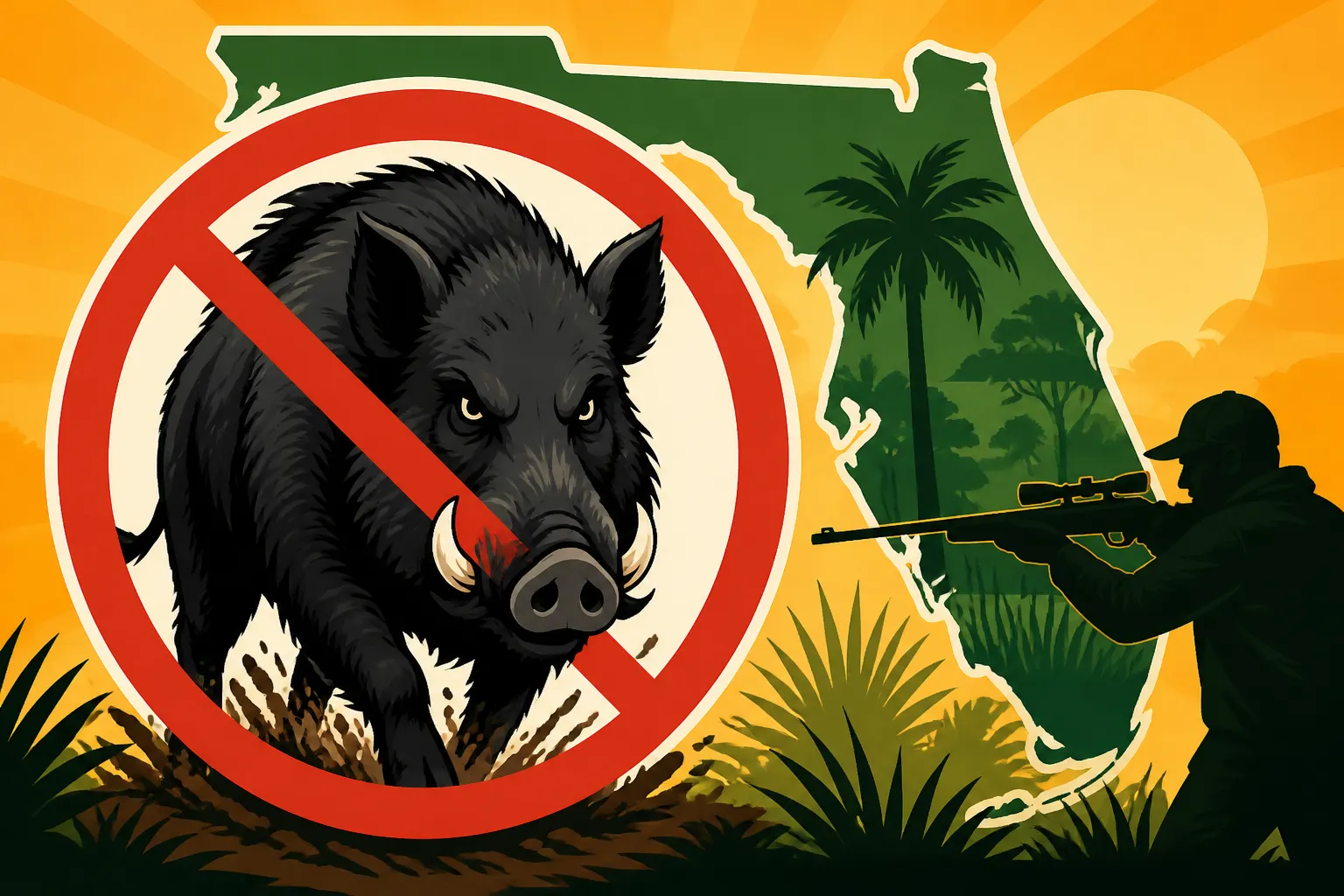
When you first dive into hunting in Florida, one of the quickest things you'll notice is how differently feral hogs are treated compared to other game animals. There's no set season, no stringent bag limits, and often, less restrictive weapon rules. It can certainly leave you scratching your head, wondering why these intelligent, hardy creatures aren't managed with the same seasonal precision as, say, a whitetail deer or an Osceola turkey. This guide aims to clear up that confusion, explaining the deep-rooted ecological and agricultural reasons behind Florida's unique, year-round approach to feral hog control.
The Feral Hog Problem An Ecological Nightmare
Feral hogs, often called wild hogs or wild pigs, are a major concern for Florida's delicate ecosystems. Unlike our native wildlife, these animals are an invasive species, and their presence causes widespread disruption. Understanding their status as a non-native pest is key to grasping why management strategies are so aggressive.
Not a Native Species
It's a common misconception that feral hogs are a natural part of Florida's landscape, perhaps even a "game animal" in the traditional sense. But the truth is, they're descendants of domestic pigs brought to Florida by early European explorers, most notably Hernando de Soto in the 16th century. These pigs escaped or were released and quickly adapted to Florida's diverse habitats, establishing wild populations. This means they didn't evolve alongside our native flora and fauna, and therefore, our natural environment has no built-in defenses or ecological checks against their destructive habits.
Imagine introducing a bull in a china shop; that's essentially what feral hogs are to a pristine Florida wetland or pine flatwood. They lack natural predators capable of controlling their numbers effectively, and their behaviors are perfectly suited to exploit new environments.
Competition with Native Wildlife
Florida's native deer, turkey, and other wildlife already face challenges like habitat loss and fragmentation. Add feral hogs into the mix, and the competition intensifies dramatically. Hogs are opportunistic omnivores, meaning they'll eat just about anything – acorns, roots, tubers, insects, small reptiles, eggs, fawns, and even carrion. This puts them in direct competition with species like white-tailed deer for crucial food sources, especially acorns, which are a vital energy source for deer during fall and winter.
They also decimate ground-nesting bird populations. Imagine a turkey hen's nest, painstakingly built and camouflaged, only to be rooted up and devoured by a passing sounder of hogs. This is a common occurrence and poses a significant threat to populations of our beloved Osceola turkeys and bobwhite quail. Their foraging habits disturb sensitive habitats and food plots, reducing their appeal and productivity for other animals.
Disease Vectors
Beyond direct competition and habitat destruction, feral hogs are notorious carriers of diseases and parasites, many of which can affect livestock, pets, and even humans. This is a massive concern for Florida's agricultural industry and public health. Diseases like brucellosis and pseudorabies, while not typically fatal to humans, can be devastating to domestic livestock. Hunters who handle feral hogs should always exercise caution, wearing gloves and practicing good hygiene to prevent potential transmission.
The Florida Fish and Wildlife Conservation Commission (FWC) and the Florida Department of Agriculture and Consumer Services (FDACS) closely monitor these disease risks. The potential for hogs to spread disease to our native deer herd is also a worry, particularly in areas like Holmes County, which has seen Florida's Single Confirmed CWD Case. While CWD itself isn't known to be carried by hogs, the general principle of disease transmission from a prolific invasive species is a serious ecological threat that wildlife managers constantly monitor.
Understanding Their Impact Damage Beyond Imagination
The physical damage caused by feral hogs is perhaps their most visible and immediate impact. From agricultural fields to natural wetlands, their destructive power is immense and costly, affecting both human livelihoods and the integrity of Florida's diverse habitats.
Agricultural Devastation
Florida's agricultural backbone, from vast citrus groves to sprawling row crops and cattle ranches, takes a brutal hit from feral hogs. Farmers invest heavily in preparing fields, planting crops, and maintaining pastures, only to see it all undone by rooting hogs overnight. These animals will tear up acres of corn, peanuts, soybeans, and even sugar cane in search of roots, insects, and fallen grains. The economic losses can be staggering, forcing farmers to install expensive fencing or invest in trapping programs just to mitigate the damage.
Consider a farmer who has just planted a new field of sweet potatoes. A sounder of hogs can move through that field in a single night, leaving behind a moonscape of overturned soil and ruined crops, effectively wiping out weeks of work and thousands of dollars in investment. This kind of widespread damage to agriculture is a primary driver behind the state's liberal hunting regulations for hogs.
Habitat Destruction
Beyond agriculture, feral hogs cause severe habitat destruction in natural areas. Their rooting behavior, where they churn up soil with their snouts in search of food, devastates native vegetation. This can lead to soil erosion, especially in sensitive areas near wetlands and streams. They destroy delicate plant communities, reduce biodiversity, and even uproot young trees. In coastal areas, they can disturb sea turtle nesting sites, further threatening protected species.
Their wallowing in mud creates large, unsightly depressions and can contaminate water sources. Imagine walking through a beautiful, pristine Florida hammock, only to find large sections of it torn apart, looking like a rototiller went wild. This isn't just an aesthetic issue; it impacts the entire ecological community that relies on that undisturbed habitat for survival, from ground-dwelling birds to small mammals and reptiles.
Water Quality Concerns
Florida's waters are its lifeblood, supporting everything from tourism to commercial fishing. Feral hogs pose a direct threat to this vital resource. As they wallow in wetlands, ponds, and stream banks, they stir up sediment, increasing turbidity and impacting aquatic vegetation that needs sunlight. More significantly, their waste introduces bacteria and nutrients into the water system. This can lead to increased algal blooms, lower oxygen levels, and a decline in water quality, impacting fish populations and other aquatic life.
Think about a spring-fed river, clear and cool, suddenly becoming murky after a large sounder of hogs has frequented its banks. The runoff from areas they've rooted up also carries soil and nutrients into waterways, exacerbating the problem. Protecting Florida's natural springs and river systems is paramount, and the presence of uncontrolled hog populations makes that task much harder.
A Prolific Species Why Control is So Hard
One of the most frustrating aspects of managing feral hogs is their incredible ability to reproduce and survive. They are biological machines built for proliferation, making any control effort feel like an uphill battle.
Rapid Reproduction Rates
Feral hogs are perhaps the most prolific large mammal in North America. Unlike deer, which typically have one fawning season a year and produce one or two fawns, sows can breed as young as 6-8 months old and can have two litters a year, sometimes even three under ideal conditions. Each litter can consist of 4 to 12 piglets, with an average of 6-8. Do the math, and a single sow can be responsible for dozens of offspring in a single year.
This exponential growth rate means that even if hunters remove a significant number of hogs from an area, the population can rebound incredibly quickly. It's not a matter of simply reducing numbers; it's a constant effort to keep them from exploding. This biological reality underscores why Florida's Year-Round Hog Hunting Rules are so critical; if hunting pressure were only seasonal, like deer or turkey, their numbers would quickly become unmanageable.
Intelligent and Adaptable
Feral hogs are far from dim-witted. They are incredibly intelligent, quickly learning to avoid traps and hunting pressure. They adapt rapidly to new environments, finding food and shelter in diverse habitats, from dense palmetto thickets to cypress swamps and even suburban fringes. Their keen sense of smell, excellent hearing, and surprisingly good eyesight for nocturnal animals make them elusive quarry.
They learn to become nocturnal in areas with high human activity, only moving and feeding under the cover of darkness. This adaptability makes them incredibly challenging to hunt consistently and effectively. Hunters need to be just as adaptable, often employing diverse tactics, which might include Night Hunting Hogs With Lights in Florida or employing dogs to locate them.
Elusive Nature
Despite their size, feral hogs can be incredibly elusive. They prefer dense cover for bedding and will quickly disappear into thick brush or swamps at the first sign of danger. Their ability to travel long distances, often several miles in a single night, means they can quickly move out of an area experiencing hunting pressure and into a more secluded spot. Tracking them can be difficult, especially in Florida's varied terrain where soft sand, thick mud, and dense vegetation obscure their tracks.
Often, you'll find plenty of fresh hog sign – rooted-up ground, rubs on trees, fresh tracks – but the hogs themselves are nowhere to be seen during daylight hours. This elusiveness requires hunters to be patient, stealthy, and often necessitates specific strategies like Dog Hunting Hogs in Florida to flush them out of impenetrable cover. Their ability to blend into the landscape and their nocturnal habits make consistent harvest a continuous challenge.
Management Strategies The No Closed Season Approach
Given the ecological and agricultural threats posed by feral hogs, Florida has adopted a uniquely aggressive and flexible management approach. The "no closed season" rule isn't a passive oversight; it's a deliberate strategy designed to maximize control efforts.
Continuous Pressure Needed
The primary reason Florida has no closed season for hogs is simple: continuous hunting pressure is necessary to keep their exploding populations in check. As we discussed, their reproduction rates are so high that any lull in hunting would allow their numbers to quickly rebound, undoing any previous control efforts. Imagine if hunters could only pursue hogs for a few months a year; the damage to agriculture and native habitats would be catastrophic.
By allowing year-round hunting, the state ensures that hunters can act as a constant control mechanism. This consistent presence in the field, whether it's through traditional hunting, trapping, or organized eradication efforts, helps to suppress populations more effectively than seasonal restrictions ever could. This policy allows Florida to better manage the estimated How Many Feral Hogs Florida Has, which are significant.
Flexibility for Landowners and Hunters
The "no closed season" policy also provides immense flexibility for both landowners and hunters. For landowners, especially those dealing with significant agricultural damage, it means they can address hog problems immediately, without having to wait for a specific hunting season to open. They can implement Trapping Feral Hogs on Florida Private Land or organize hunts whenever hogs become a nuisance, which is often year-round. This is crucial for protecting crops and livestock.
For hunters, it means opportunities to get into the woods and pursue game throughout the year, even when deer or turkey seasons are closed. This can be a huge draw for those looking for a consistent outdoor activity and provides ample opportunity to hone hunting skills. It also allows for targeting hogs when they are most vulnerable or active, rather than being restricted to specific dates. This flexibility helps to maximize the impact of hunting as a management tool. Many hunters utilize mapping services like those found on GoHunt to plan these year-round excursions, finding new areas to pursue hogs even in the off-season for other game.
Legal Framework and Regulations
While there's no closed season for hogs, it's important to understand the nuances of Florida's legal framework. On private land, landowners or those with permission can hunt hogs year-round, day or night, with almost any legal method, including baiting, dogs, and lights. There are no bag limits on private land, effectively meaning Hunting Hogs Without a Bag Limit. This freedom is a direct reflection of their invasive status and the need for aggressive control.
However, when hunting on Florida's extensive public lands, such as Wildlife Management Areas (WMAs) or National Forests, the rules can vary significantly. While the animal itself might not have a closed season, specific WMAs or public hunting areas will have designated hunting seasons, weapon restrictions, and sometimes even quota permits for hogs, just like other game. It's absolutely critical to always check the specific regulations for the WMA or public land you plan to hunt. For instance, Hunting Hogs on WMA Land in the Off-Season might be allowed, but only with certain weapon types or in specific designated periods that align with deer or small game seasons. Always consult the FWC regulations handbook or use a digital tool like GoHunt's property line feature to ensure you're compliant with local rules.
Hunting Hogs Tools, Tactics, and Ethics
Hunting feral hogs in Florida is a fantastic challenge, offering diverse opportunities for hunters of all skill levels. Because of their invasive status, hunters have more tools and tactics at their disposal than with most other game.
Preferred Methods and Equipment
Florida hog hunters employ a wide array of methods, each suited to different conditions and preferences.
- Stalking and Still-Hunting: For those who enjoy a quiet, traditional approach, stalking through palmetto thickets or cypress swamps can be incredibly effective, especially in cooler weather or early morning. This requires patience and keen observation, much like Still-Hunting Florida Palmetto Flatwoods. A good pair of binoculars and a reliable rifle (e.g., .223 to .308 calibers are popular) or a shotgun with slugs will serve you well.
- Trapping: On private land, trapping is often the most efficient way to reduce large numbers of hogs, especially sounders. Various trap designs exist, from large box traps to corral traps. Baiting with fermented corn or other attractants can draw hogs in consistently. This is a highly effective method when done correctly, and there are specific techniques for Baiting Hogs Legally in Florida.
- Dog Hunting: This is a popular and traditional method in Florida, particularly in dense cover. Hunters use a combination of "bay dogs" to locate and hold hogs at bay, and "catch dogs" to subdue them. This can be an adrenaline-pumping experience and is often the most effective way to extract hogs from impenetrable swamps. Understanding the nuances of Dog Hunting Hogs in Florida is crucial for safety and success.
- Night Hunting: With proper permits and on private land, night hunting with artificial lights, thermal optics, or night vision is incredibly effective. Hogs are often more active at night, especially in pressured areas. This method requires specialized equipment and a solid understanding of safety protocols.
Public Versus Private Land Opportunities
The freedom to hunt hogs year-round and with various methods differs significantly between public and private land.
- Private Land: This is where you'll find the most liberal rules. Landowners have nearly free rein to manage hogs as they see fit, often allowing methods like night hunting, dogs, and baiting without strict seasonal limitations. Many outfitters offer Booking a Florida Hog Hunt experiences on private ranches, providing access to areas with high hog densities and often incorporating various hunting styles. This is often the best route for hunters seeking guaranteed opportunities and diverse methods.
- Public Land (WMAs, National Forests, etc.): While still open for hog hunting, public lands come with more regulations. You'll typically need a Florida hunting license, a WMA permit, and will be restricted to specific seasons and weapons that align with other game seasons (e.g., general gun season, archery season, muzzleloader season). Night hunting and baiting are generally prohibited. Despite the restrictions, many WMAs offer excellent opportunities for public land hunters willing to scout and put in the effort. For specific county information on public land, consider resources like GoHunt to scope out opportunities in counties like Polk County or Osceola County which have robust public access options.
Ethical Considerations and Meat Preparation
Even though feral hogs are an invasive pest, ethical hunting practices remain paramount. This means ensuring quick, humane kills, respecting private property, and following all local and state regulations. Just because there's no bag limit doesn't mean you should waste meat or disrespect the animal.
After a successful hunt, proper meat handling is essential, especially in Florida's warm climate. Field dressing quickly and getting the carcass cooled down are critical steps to ensure the meat is good. Many hunters consider wild hog meat a delicious and sustainable protein source. Recipes for Cooking a Wild Florida Hog are abundant, with popular methods including slow-roasting, smoking, or turning the lean meat into sausage. Remember, even with no closed season, the goal is responsible wildlife management, which includes utilizing the animal you harvest.
| Hunting Method | Pros | Cons | Best Use Case |
|---|---|---|---|
| Stalking/Still-Hunt | Quiet, traditional, rewarding | Requires patience, difficult in thick cover | Cooler weather, early morning, less pressured areas |
| Trapping | Highly effective for large numbers | Time-consuming setup/monitoring, specific baiting | Private land, consistent damage, removing sounders |
| Dog Hunting | Excellent for dense cover, high success | Requires specialized dogs, can be controversial | Swamps, thick palmettos, physically demanding |
| Night Hunting | Capitalizes on nocturnal habits, effective | Requires specialized (expensive) equipment, private land only | Pressured areas, agricultural damage, high success |
The Future of Florida's Feral Hog Management
The battle against feral hogs is an ongoing one, with no easy solutions. Florida's approach will continue to evolve, leveraging both traditional methods and scientific advancements to mitigate the impact of these prolific invaders.
Ongoing Monitoring and Research
The FWC, in conjunction with other state and federal agencies, continuously monitors feral hog populations and their impacts. This includes conducting surveys, analyzing harvest data, and studying disease prevalence. Understanding population dynamics, movement patterns, and the effectiveness of various control methods is crucial for refining management strategies. This research helps inform decisions about localized control efforts and educational initiatives for landowners.
New technologies and methodologies are always being explored to enhance control. Thermal drones, advanced trapping systems, and even fertility control agents are subjects of ongoing research. The goal is always to find more efficient, humane, and environmentally sound ways to manage populations that are resistant to simple solutions.
Hunter Involvement and Public Awareness
Hunters play a pivotal role in feral hog management. Without the thousands of hours and effort put in by Florida's hunters each year, the problem would undoubtedly be far worse. Educating the public about the invasive nature of feral hogs and encouraging responsible hunting practices are key components of the overall strategy. This means promoting safe hunting, ensuring compliance with regulations, and encouraging the proper disposal or use of harvested animals.
Organized clean-up efforts and local initiatives to raise awareness can also make a difference. The more people understand the problem, the more likely they are to participate in or support effective control measures. This collective effort is essential given the scale of the challenge that Florida faces with these invasive animals.
Coexisting with Control Efforts
While eradication of feral hogs across the entire state is likely an impossible task, effective management aims to reduce their numbers to ecologically tolerable levels and minimize their damage. This means finding a balance where humans can coexist with limited populations of hogs, while still protecting native ecosystems and agricultural interests. The "no closed season" approach is a cornerstone of this strategy, allowing for relentless pressure where it's needed most.
It's a testament to the resilience of both the hogs and the ongoing efforts to control them. As long as feral hogs continue to thrive in Florida, the open season will remain a crucial tool in the state's conservation toolkit, allowing hunters to contribute directly to the health of our wild places. It's a continuous balancing act, demanding vigilance, adaptability, and the sustained commitment of hunters and land managers alike.
Disclaimer
Please remember that hunting regulations, even for feral hogs, can change. Always consult the latest Florida Fish and Wildlife Conservation Commission (FWC) regulations handbook or their official website before heading afield. This guide is for informational purposes only and does not supersede state or federal law.