Dog Hunting Hogs in Florida
Florida's wild hogs present a unique challenge and opportunity for hunters, often leaving vast swaths of land rooted up and agricultural fields devastated. If you've ever felt the frustration of finding your favorite hunting spot torn apart by sounders of pigs, you know the impact they have. This guide will dive deep into the exciting, yet demanding, world of dog hunting hogs in Florida, providing comprehensive insights into techniques, regulations, and essential safety practices to help you succeed in managing these prolific animals.
The Unique Appeal of Dog Hunting Hogs in Florida
Dog hunting for feral hogs isn't just a method; it's a time-honored tradition in Florida, deeply ingrained in the culture of many hunters. It’s a dynamic, high-energy pursuit that offers a completely different experience from still-hunting or sitting in a blind. For many, it's the most effective way to address the significant challenges posed by Florida's burgeoning wild hog population, which causes extensive damage to natural habitats and agricultural lands year-round.
Why Hogs are a Prime Target for Dogs
Florida’s environment, characterized by dense palmetto thickets, cypress swamps, and expansive pine flatwoods, often makes traditional still-hunting for hogs incredibly difficult. These animals are masters of concealment, preferring to bed down in the thickest cover imaginable, often remaining undetected until they bust out at close range. This is where a well-trained pack of dogs truly shines. Hogs, unlike deer, respond to dog pressure by holding their ground or running a short distance before baying up. Their instinct is often to stand and fight when cornered by canines, which plays directly into the dog hunter's strategy. The dogs can penetrate the impenetrable cover that human hunters struggle with, tracking the scent and forcing the hogs to either move or make a stand, ultimately leading to a confrontation that would otherwise be impossible to initiate. This makes dog hunting not just a sport, but a crucial land management tool, especially given Florida's year-round hog hunting opportunities.
The Thrill of the Chase and the Catch
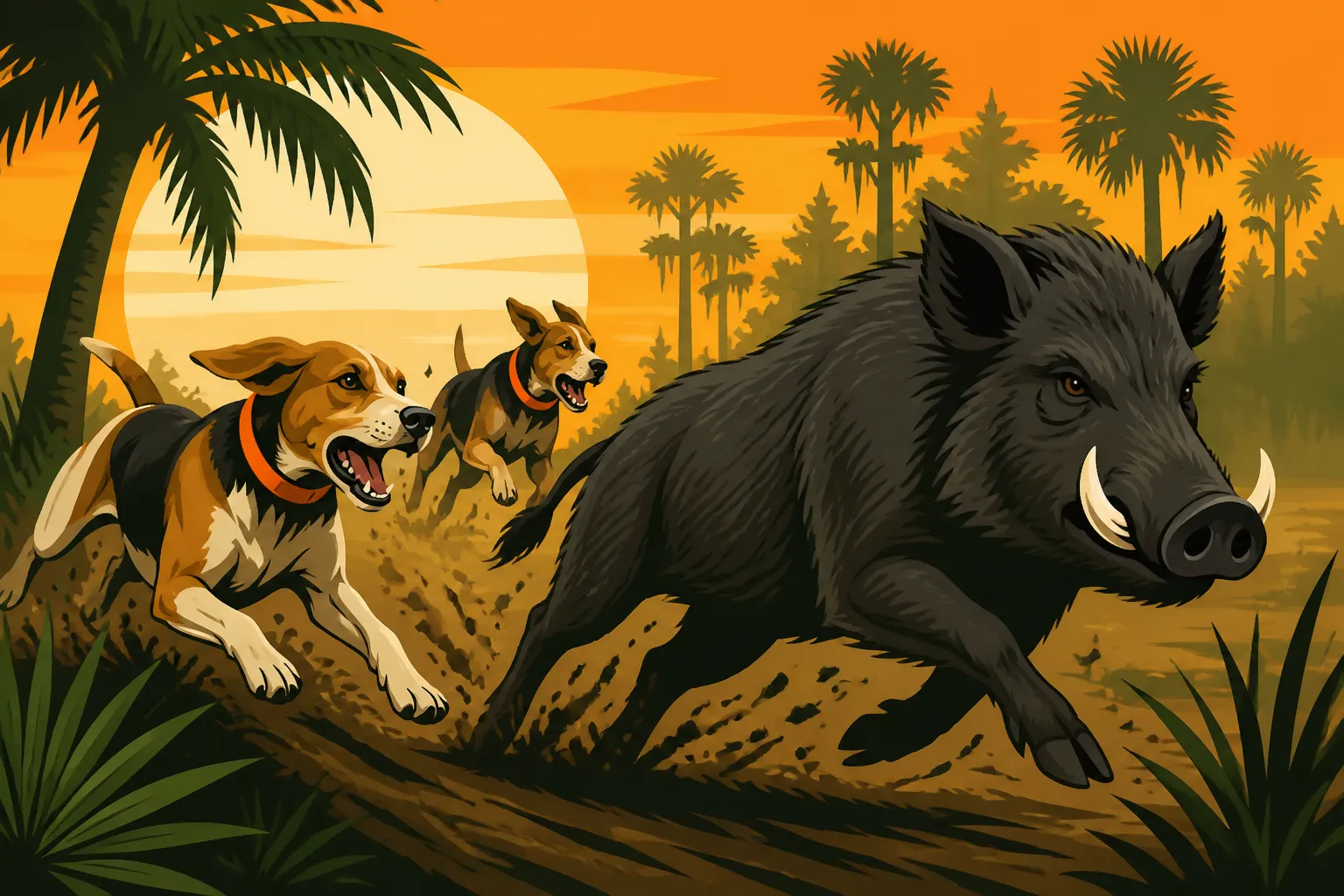
There’s an undeniable adrenaline rush that comes with dog hunting hogs. It starts with the hushed anticipation as the dogs are released, spreading out to catch a scent. Then, the first barks echo through the woods, signaling a hot trail, quickly escalating into a full-blown chorus of baying as they close in. Following the sound through dense scrub or knee-deep water is a physical and mental test, knowing that at any moment you could come face-to-face with a formidable tusker. The "catch" itself, often involving a brief, intense standoff between the hog and the dogs, requires quick action and bravery from the hunter to secure the animal. It’s a visceral experience, connecting you to a primal form of hunting that demands courage, endurance, and a deep understanding of both your dogs and the quarry. This isn't a passive hunt; it’s an active, immersive pursuit that puts you right in the heart of the action, a true test of grit and skill in the Florida wilderness.
Understanding the Legal Landscape and Ethics
Before you ever release a dog into the Florida woods, it's absolutely crucial to have a firm grasp of the rules and ethical considerations. Florida's approach to feral hogs is fairly liberal due to their destructive nature, but that doesn't mean it's a free-for-all. Ignoring the regulations can lead to fines, loss of hunting privileges, or worse, harm to your dogs or yourself.
Florida's Regulations for Hog Dogging
Florida considers feral hogs an unprotected species, which simplifies things quite a bit compared to deer or turkey hunting. Generally, you don't need a hunting license to harvest hogs on private land, and there are no closed seasons or bag limits. This means you can pursue them whenever and wherever you have legal access, a significant advantage for those looking to manage populations effectively. However, when it comes to dog hunting specifically, there are still important rules to follow. On public lands, particularly Wildlife Management Areas (WMAs), the rules can vary significantly. Many WMAs have specific periods when dog hunting is permitted, or they may restrict it entirely. Some areas might require a quota permit for dog hunting, while others might allow it only during certain phases of the general gun season. It's imperative to consult the specific WMA regulations for any area you plan to hunt, as these details are updated annually by the Florida Fish and Wildlife Conservation Commission (FWC). You can find comprehensive information regarding specific WMA rules and other permits on the FWC website or by using resources like GoHunt's interactive maps. Additionally, always remember that while hogs are unprotected, any other game animal is not. Care must be taken to prevent your dogs from harassing or injuring deer, turkeys, or other protected wildlife, which could lead to serious legal repercussions. Understanding Florida's Year-Round Hog Hunting Rules is your first step.
Ethical Considerations and Fair Chase
Beyond the letter of the law, ethical hunting practices are paramount, especially in a high-intensity method like dog hunting. The concept of "fair chase" dictates that the animal should have a reasonable chance to escape. While dogs are undeniably effective, responsible hunters ensure that the encounter, once initiated, is brought to a swift and humane conclusion. This means having control over your dogs, understanding when to intervene, and being proficient with your chosen dispatch method, whether it’s a knife, spear, or firearm. It also means respecting property lines and the rights of other land users. Even if a hog leads your dogs onto neighboring private property, you are legally bound by Florida Trespass and Permission Law. You cannot simply follow them without explicit permission from the landowner. This is where scouting, careful planning, and using GPS collars on your dogs become essential to prevent unintended incursions. Ensuring your dogs are well-trained and only pursuing hogs, not other wildlife, is also a critical ethical responsibility. Ultimately, our actions as hunters reflect on the entire community, and upholding high ethical standards is crucial for the long-term acceptance of dog hunting.
Assembling Your Canine Hunting Team
Dog hunting hogs isn't something you can just jump into with any dog. It requires a specialized team, each with a distinct role, and a significant investment in their training, care, and well-being. Think of it like assembling a sports team; each player has a specific job, and their success depends on how well they work together.
The Role of Bay Dogs and Catch Dogs
A successful hog dogging operation typically relies on a combination of two types of dogs: bay dogs and catch dogs. Bay dogs are the trackers and the announcers. Their job is to find the hog's scent, follow the trail, and then, once they've located the hog, keep it in one place by barking ("baying") at it from a safe distance. These dogs are typically lighter, faster, and possess a strong "cold nose" for scent. Breeds often used as bay dogs include Catahoula Leopard Dogs, Black Mouth Curs, or various cur mixes, known for their agility, intelligence, and vocal nature. They're bred to be tenacious but also to maintain enough distance to avoid getting gored by an angry hog.
Catch dogs, on the other hand, are the closers. Their role is to engage the hog physically, grabbing it by an ear or the jowl and holding it securely until the hunter arrives to dispatch it. These dogs are usually larger, more muscular, and incredibly powerful, often wearing protective vests to shield them from tusks. American Bulldogs, Airedale Terriers, various pit bull types, or sturdy mixes are common choices for catch dogs. Their job is dangerous, requiring immense courage and strength, and they must be trained to hold the hog without inflicting unnecessary injury, focusing on immobilization rather than aggression. A good team often has a few bay dogs working together, and then one or two catch dogs to move in once the bay is established and the hunter is closing in. It's a delicate balance of different skills, all working in concert towards a common goal.
Training and Conditioning Your Pack
Training a hog dog pack is a continuous process that demands patience, consistency, and a deep understanding of canine behavior. It starts with basic obedience and socialization from a young age, ensuring your dogs are well-behaved, controllable, and can work cooperatively. For bay dogs, scent work is critical. You'll spend countless hours developing their tracking abilities, starting with smaller, easier trails and gradually increasing the difficulty. They need to learn to distinguish hog scent from other animals and to hold a bay vocally without unnecessary aggression.
Catch dogs require even more specialized training. They need to understand when and how to engage a hog, focusing on specific holds that are effective and minimize risk to both dog and hog. This often involves controlled introductions to small, less aggressive hogs in a safe environment, gradually building their confidence and refining their technique. Conditioning is equally vital. Florida's terrain is tough – thick brush, swamps, and hot, humid weather. Your dogs need to be in peak physical condition to withstand long chases and strenuous encounters. Regular exercise, a high-quality diet, and routine veterinary care are non-negotiable. Many experienced hunters also use GPS tracking collars, like those from Garmin or GoHunt capable devices, to keep tabs on their dogs during the hunt, ensuring their safety and allowing for quick retrieval if they get separated or injured. The bond you build with your dogs through this rigorous training and shared experience is truly one of the most rewarding aspects of hog dogging.
Finding and Pursuing Hogs with Dogs
The success of any hog dog hunt hinges on two critical factors: knowing where the hogs are and effectively deploying your dogs to engage them. It’s not just about turning the dogs loose; it’s a strategic dance between human observation and canine instinct.
Scouting for Sign and Scent
Before you ever release your dogs, keen scouting is your best friend. Hogs are creatures of habit, and while they can be elusive, they leave plenty of sign. Look for areas with fresh rooting, especially in damp, fertile soils or around agricultural fields. Fresh tracks, wallows (muddy depressions where they cool off), and rub trees (where they scratch themselves) are all indicators of recent activity. In Florida, oak hammocks are prime spots, especially during acorn drops, as are the edges of cypress swamps and dense palmetto thickets where they seek refuge from the heat and hunters.
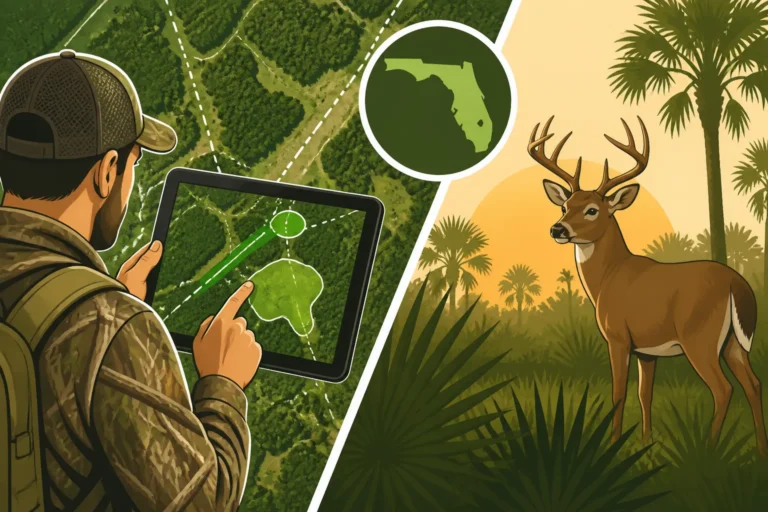
Tools like GPS units and aerial maps, which you can access through apps like GoHunt, can be invaluable for identifying potential bedding areas, travel corridors, and feeding grounds. Pay attention to water sources, especially during dry periods, as hogs will concentrate near them. Even knowing how to identify late-season food sources for Florida whitetails can help you pinpoint hog activity, as their diets often overlap. During your scouting, you're not just looking for present sign, but trying to predict future movements. A fresh rooting patch today might mean the sounder moved through last night, and a keen eye will tell you if they're likely to return, giving your dogs a better chance to pick up a hot track. Understanding the local patterns and habitat preferences of hogs is just as important as the dogs themselves.
The Dynamics of the Hunt: From Release to Catch
Once you've identified a promising area, the real hunt begins. The way you release your dogs can significantly impact the outcome. Often, hunters will "road hunt" slowly, allowing the dogs to scent from the vehicle, or walk them through known travel routes. When a dog strikes a hot scent, the energy immediately shifts. The bay dogs will take the lead, their barks growing more urgent as they close the distance. Your job as the hunter is to follow the sound of the bay, using a combination of foot speed, terrain knowledge, and often, GPS tracking from your dog collars.
Communication is key, both with your dogs (even if it's just by listening to their barks) and with your hunting partners. It's a team effort. As the bay intensifies, you'll want to move in quickly but carefully. This is where the catch dogs come into play. They wait for the bay dogs to hold the hog, then move in to secure it. Once the hog is caught, the hunter must move in swiftly and decisively to dispatch the animal ethically and safely. This final step is critical, requiring steady nerves and a clear plan. The entire sequence, from the initial sniff to the final catch, is a testament to the instinct and training of the dogs, and the hunter’s ability to read the signs and react under pressure. It's a wild, unpredictable dance, and every hunt is a unique story waiting to unfold.
Safety First: Protecting Hunters and Hounds
Dog hunting hogs is undeniably exhilarating, but it’s also one of the most inherently dangerous forms of hunting. The risk of injury, both to your dogs and to yourself, is ever-present. Prioritizing safety isn't just a recommendation; it's a non-negotiable requirement to ensure everyone makes it home in one piece.
Gear and Precautions for Dogs
Your dogs are your partners, and protecting them should be your top priority. The most crucial piece of safety gear for catch dogs, and often for bay dogs too, are protective vests. These heavy-duty vests, typically made from layered Kevlar or Cordura, cover the dog’s chest, neck, and abdomen, safeguarding vital organs from the hog’s sharp tusks. Many Florida hunters consider these vests an absolute necessity, given the aggressive nature of a cornered wild hog. Beyond vests, GPS collars are essential. Not only do they help you keep track of your dogs in dense cover, preventing them from getting lost or straying onto private land, but many also offer remote activation for lights or sound, which can be critical if a dog is injured and needs to be located quickly.
First-aid kits specifically designed for working dogs are also vital. These should include items for punctures, lacerations, snakebites (a common threat in Florida), and shock. Familiarize yourself with basic canine first aid, including how to stop bleeding, clean wounds, and stabilize a dog for transport to a vet. Carrying plenty of water, especially in Florida's oppressive heat and humidity, is also critical for preventing dehydration. Regular breaks and monitoring your dogs for signs of overheating or exhaustion can prevent serious medical emergencies. Remember, a healthy, well-cared-for dog is not only a safer dog but a more effective hunting partner. Don't skimp on the gear or the care when it comes to your canine team.
Personal Safety in the Field
While the hogs pose the most direct threat to your dogs, hunters face their own set of dangers. Navigating Florida's often rugged and swampy terrain can lead to slips, falls, and encounters with other wildlife. Always wear appropriate clothing for the conditions: sturdy boots, long pants to protect against thorns and snakebites, and brightly colored clothing (like blaze orange, even if not strictly required for hogs) to make you visible to other hunters and your partners. Carrying a reliable GPS device or using a mapping app like GoHunt on your phone is crucial for navigation, especially when following dogs into unfamiliar territory. The dense vegetation and winding trails of a Florida WMA can quickly disorient even experienced outdoorsmen.
Beyond environmental hazards, direct encounters with hogs require extreme caution. A cornered boar can be incredibly aggressive and surprisingly fast. Your role is to dispatch the hog, not wrestle it. This means having your chosen dispatch tool (knife, spear, or firearm) readily accessible and being proficient in its use for a quick, humane kill. Always be aware of your surroundings and your dogs' positions when approaching a bayed hog. Never place yourself between the hog and its escape route, and always ensure your partners are aware of your movements. Carrying a sidearm for self-defense is also a common practice among hog dog hunters, providing an additional layer of security should an emergency arise. Remember, the goal is a successful hunt, but the most important success is everyone returning home safely.
After the Catch: Processing and Care
Congratulations, you've successfully caught a wild hog! But the hunt isn't over yet. What you do in the moments and hours after the catch is critical for the quality of the meat, the well-being of your dogs, and the overall ethics of the hunt.
Field Dressing and Transport
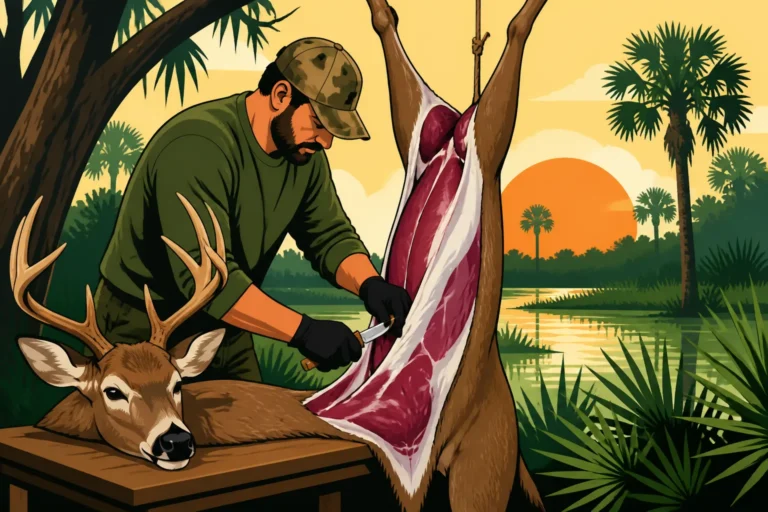
Florida's heat can be brutal, and rapid field dressing is essential to preserve the meat quality of a wild hog. The moment the hog is dispatched, you need to begin the process. Start by gutting the animal as quickly as possible to allow the carcass to cool down internally. This involves carefully opening the body cavity and removing all internal organs. Some hunters also choose to skin the hog in the field, especially if it’s a larger animal, as this speeds up the cooling process even more. However, skinning in the field requires a clean area and careful handling to prevent contamination. You might consider quartering the hog in the field if it’s too large to move whole, which can make transport much easier.
When it comes to transport, having a plan is key. Many hog hunters use utility vehicles, ATVs, or even specialized hog carts to get the animal out of the woods. In remote or swampy areas, an airboat might be the only way to retrieve a large hog. Once loaded, ensure the carcass is kept as cool as possible. If you’re not heading directly to a processor, pack the cavity with ice or place the hog in a cooler with ice to prevent spoilage. Proper field dressing and quick cooling are the foundation for enjoying some delicious Cooking a Wild Florida Hog later on. Don't let all your hard work go to waste by neglecting this crucial step.
Caring for Your Dogs Post-Hunt
After the adrenaline-fueled chase and catch, your dogs deserve immediate and thorough care. Their physical exertion and potential for injury are high. First, meticulously check each dog for any cuts, punctures, or scrapes, no matter how small. Even a minor injury can become infected quickly in the humid Florida environment. Clean any wounds thoroughly with antiseptic solution and apply appropriate dressings. If you suspect a deeper injury or internal trauma, seek veterinary attention immediately.
Rehydration and nourishment are also paramount. Offer your dogs plenty of fresh, cool water and a nutritious meal. If they've been running hard in the heat, consider adding electrolytes to their water. Allow them ample time to rest and recover. Inspect their paw pads for any abrasions or embedded debris, as sore feet can quickly sideline a working dog. This post-hunt routine is not just about patching them up; it’s about maintaining their health, morale, and readiness for future hunts. Acknowledging their effort and ensuring their comfort reinforces the bond between hunter and hound, ensuring they remain eager and capable partners for many seasons to come.
Disclaimer
The information provided in this article is for general informational purposes only and does not constitute legal advice. Hunting regulations in Florida, especially those pertaining to specific WMAs or public lands, can change. Always consult the most current regulations published by the Florida Fish and Wildlife Conservation Commission (FWC) and local authorities before engaging in any hunting activities. Adherence to all laws and ethical hunting practices is the responsibility of the individual hunter.