Hunting the December Bear Season
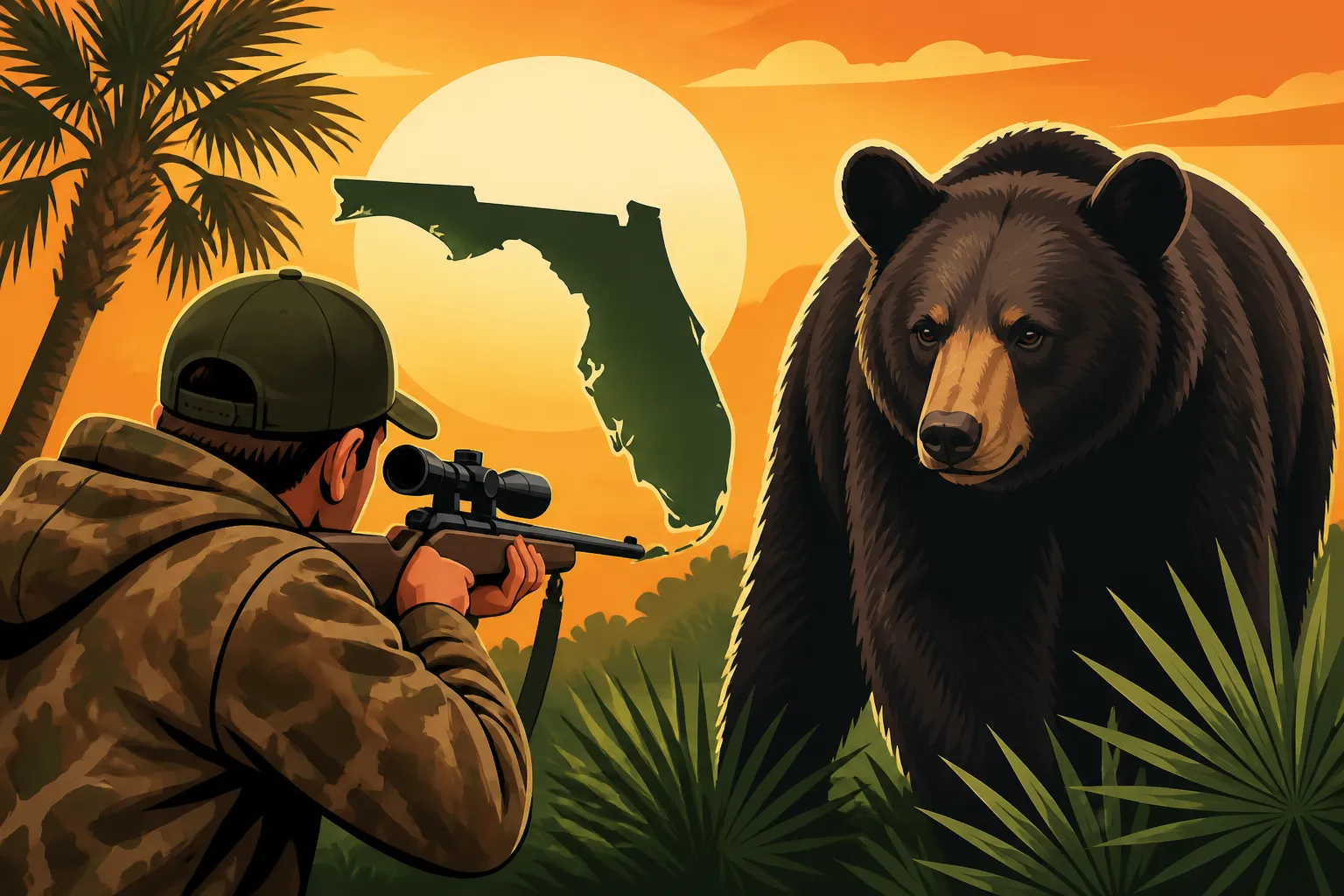
Hunting Florida's December bear season can feel like tackling a puzzle with missing pieces, especially when you're used to more traditional deer or hog seasons. The limited window, specific zones, and the sheer challenge of finding these elusive animals in their winter patterns can leave even seasoned hunters scratching their heads. This guide aims to unravel the complexities, providing a realistic roadmap to understand, prepare for, and potentially succeed during Florida's unique December bear hunting opportunities.
Understanding Florida's Reinstated Bear Season
Florida's black bear population has made an incredible comeback, a true testament to conservation efforts. This success story, however, brought with it the complex decision to reinstate a hunting season to help manage populations and address increasing human-bear conflicts in certain areas. The December season is a specific, often short, opportunity designed to meet very precise management goals. It's not just about hitting the woods; it's about understanding the "why" and "how" behind this highly regulated hunt.
The Reinstatement and December Window
For decades, black bears in Florida were a protected species, and rightly so. Their numbers had dwindled to critical levels. But thanks to dedicated conservation and habitat management by the Florida Fish and Wildlife Conservation Commission (FWC), our bear population has rebounded significantly. This led to the controversial but ultimately data-driven decision to reintroduce a limited hunting season. The December window, in particular, is often brief and highly controlled, usually opening in specific Bear Management Units (BMUs) and closing quickly once a predetermined quota is met for that area. This makes it a high-pressure, fast-paced hunt where preparation and quick action are paramount. Hunters need to stay incredibly vigilant about FWC announcements, as a season can literally close with less than 24 hours' notice.
The short duration is a double-edged sword: it offers a thrilling, intense challenge, but it also means hunters must be on their game from day one. You can't dawdle. When that season opens, it's time to be in your stand or actively scouting. This rapid-fire nature is a critical aspect of Hunting the December Bear Season that sets it apart from other longer Florida seasons. It also speaks to the carefully managed quotas designed to ensure the long-term health of the bear population while addressing localized issues.
Unique Challenges of a Late-Season Hunt
Hunting Florida bears in December presents its own unique set of challenges compared to other times of the year, or even compared to bear hunting in colder climates. Firstly, while it's "winter" in Florida, it's certainly not the deep snow and prolonged hibernation that hunters in more northern states contend with. Our bears might reduce their activity, but they rarely enter a full, sustained hibernation. This means they're still moving and feeding, albeit with potentially altered patterns. The weather can still be unseasonably warm, making scent control and keeping meat cool significant hurdles.
Another challenge is habitat. Florida's dense palmetto flats, cypress swamps, and thick pine plantations offer incredible cover for bears, making visual detection difficult. Unlike open country, where you might glass vast areas, much of Florida bear hunting involves deciphering subtle sign and waiting patiently in dense cover. The December foliage, while potentially thinned slightly, is still robust, meaning visibility is often limited. Combine this with the often crowded public lands during such a limited season, and you've got yourself a genuinely demanding hunt. You're competing with other hunters, navigating dense vegetation, and trying to outsmart an animal that has an incredible sense of smell and hearing, all while trying to decipher its winter habits.
Regulations and Permits for December Bear Hunting
Navigating the regulatory landscape for Florida bear hunting can feel like wading through thick swamp water – it’s dense, and you need to know where you're stepping. The FWC has a very specific framework in place to manage the limited season, ensuring sustainability and addressing public safety concerns. Before you even think about setting foot in the woods, understanding these rules is not just recommended, it's absolutely mandatory.
Applying for the Bear Permit Lottery
Before any December bear hunt can happen, you've got to play the permit lottery game. This isn't like buying an over-the-counter deer tag; you need to apply for a special permit through the FWC's quota hunt system. Typically, there's a specific application window, usually much earlier in the year, long before the December season dates are even finalized. Missing this window means you're out of luck for the season. The demand often far outweighs the available permits, which is why it's a lottery.
When you apply, you're essentially putting your name in for a chance to hunt in a specific Bear Management Unit (BMU). These units are designated by the FWC based on bear population densities and human-bear interactions. It's crucial to research which BMUs are likely to open and where you stand the best chance, or where you'd prefer to hunt. Websites like GoHunt often provide helpful resources and insights into application odds and past draw data, which can be invaluable for strategizing your application. Remember, obtaining this permit is the first, and often most competitive, hurdle to clear. If you're selected, congratulations, the real work begins! You can find detailed information on the FWC website regarding the Florida Bear Permit Application Process.
Quota System and Bag Limits
Florida's bear season is strictly controlled by a quota system, which is arguably the most critical component of its management. Each open Bear Management Unit (BMU) has a specific, predetermined harvest quota. Once that quota is met, or when it’s projected to be met, the season in that specific BMU will close, sometimes with very little notice. This is why staying constantly updated with FWC announcements via their website, social media, or text alerts is non-negotiable. I can't stress this enough: your hunt could be cut short at any moment.
The bag limit is typically one bear per permit holder, regardless of the length of the season. Once you've harvested a bear, your season is over. This is a management hunt, not a free-for-all. It's designed to remove a targeted number of bears from specific areas. Hunters need to be absolutely certain of their target and the regulations, as mistakenly harvesting an illegal bear or exceeding a quota can lead to severe penalties. Knowing Florida's One-Hundred-Eighty-Seven Bear Quota is a statistical fact, but practically, it's vital to know the specific quota for your BMU.
Legal Weapons and Restrictions
Just like with deer and other game, Florida has clear regulations on legal weapons for bear hunting. While specific rules can change, generally, centerfire rifles, shotguns (with slugs), muzzleloaders, and bows (including crossbows) are permitted. You need to verify minimum caliber and energy requirements for firearms and draw weight/kinetic energy for bows. Using an illegal weapon isn't just a fine; it's a violation that can impact your hunting privileges for years.
Baiting is strictly prohibited for bear hunting in Florida, and there are also restrictions on hunting over supplemental feed or using dogs to pursue bears, though the latter might be part of future discussions for management. This means you'll be relying on fair chase methods like still-hunting, stand hunting, or spot-and-stalk. Understanding these rules is critical not only for legality but also for developing effective hunting strategies. Make sure to consult the current FWC regulations booklet for the most up-to-date and specific rules regarding Legal Weapons During Florida Archery Season and all other general gun seasons.
Key Bear Behaviors and Habitat in Florida During Winter
Understanding how Florida black bears behave and where they prefer to spend their time during the winter months is absolutely foundational to a successful December hunt. These aren't your typical northern bears holing up for months; Florida's climate keeps them active, but their routines do shift. You've got to think like a bear to find a bear.
Winter Food Sources and Patterns
Unlike their northern cousins who might be in deep hibernation, Florida black bears remain active throughout the winter, albeit with reduced energy expenditure if temperatures drop. Their primary focus during December is still food, but the available sources change. Acorns, especially from live oaks and laurel oaks, remain a critical draw if they are still on the ground. When acorns are scarce, bears will turn to other mast crops, palmetto berries, or even raid saw palmetto hearts. They'll also forage for insects, grubs, and even roots.
A poor acorn year can drastically alter bear patterns, forcing them to range wider in search of sustenance. This makes scouting for alternative food sources paramount. Look for areas with dense berry bushes, fallen fruits from various trees, or even signs of rooting in soft soil where they've dug for underground tubers or insects. Understanding these shifting food preferences is key to predicting where bears will concentrate their activity, especially after a cold front might push them to seek higher caloric intake.
Bedding Areas and Travel Corridors
Florida black bears prefer dense, thick cover for bedding, places where they feel secure from disturbance. This often includes vast palmetto thickets, dense cypress swamps, and areas of dense regrowth in pine plantations. These spots offer both thermal regulation against potential cold snaps and excellent concealment. During the day, they'll often bed down in these areas, emerging in the early morning or late afternoon to feed.
Identifying travel corridors between these bedding areas and preferred food sources is where you'll have your best chance for an encounter. Look for established trails through thick vegetation, rubbed trees (especially pines), or fresh scat. Creeks, swamp edges, and old logging roads often serve as natural travel routes. A good mapping app like GoHunt with satellite imagery can help identify potential funnels and dense cover areas, but boots on the ground scouting for fresh sign is indispensable. Knowing how to read the landscape for these subtle clues is far more effective than just wandering aimlessly.
Understanding Florida Bear Subpopulations
Florida is home to a robust black bear population, but it's not a monolithic group. The state actually recognizes several distinct subpopulations, each with its own nuances in habitat, density, and behavior. These subpopulations are found in different parts of the state, from the Panhandle to the Big Cypress. For instance, bears in the Apalachicola National Forest might behave differently and utilize different habitat features than those in the Ocala National Forest or the Big Cypress region.
When you're drawn for a permit in a specific BMU, it helps to understand which subpopulation you'll be hunting. Each has unique characteristics that influence the FWC's management decisions, including harvest quotas and season timing. For a comprehensive overview, it's worth reviewing resources that detail the Florida Bear Population by Subpopulation Zone. Knowing this can help you tailor your scouting efforts and hunting approach to the specific regional characteristics of the bears you'll be pursuing.
Tactics and Strategies for Success in December
Successfully hunting Florida's December bear season requires a nuanced approach, blending patience, meticulous scouting, and adapting to the unique Floridian landscape. It's not about brute force, but about smart, calculated moves.
Scouting for Late-Season Sign
Scouting is probably the most critical phase of a December bear hunt, especially with the season's unpredictable nature. You need to be looking for fresh bear sign: tracks, scat, rubs, and active feeding areas. Pay close attention to areas where acorns might still be present on the ground or where other winter mast crops, like palmetto berries, are abundant. Look for claw marks on trees, especially pines, where bears might be climbing or rubbing. Fresh scat can tell you a lot about their diet and recent activity.
Use mapping tools (like the FWC's public hunting map or advanced apps from GoHunt) to identify promising areas with dense cover near potential food sources. These could be deep in a palmetto head, along a cypress swamp edge, or in thick pine regrowth. The challenge in December is that sign might be less frequent than during peak fall feeding, so every piece of evidence counts. Focus on finding consistent patterns of movement, perhaps near water sources or along natural funnels, which will increase your odds of an encounter. For general tips on how to effectively scout without pressuring your target, check out Scouting Florida Public Land Before Season.
Still-Hunting and Spot-and-Stalk Approaches
In Florida's dense terrain, both still-hunting and spot-and-stalk tactics can be highly effective for bears, especially if you're on public land where stand placement might be limited or difficult. Still-hunting involves moving very slowly, pausing frequently to observe, listen, and scan your surroundings. You're covering ground, but at a snail's pace, looking for the subtle movement of a foraging bear or the outline of one bedded down. This requires immense patience and an ability to navigate quietly through thick undergrowth.
Spot-and-stalk can be more challenging in Florida's typically flat, often visually obstructive terrain. However, in certain areas, such as long powerline cuts, open pine flatwoods, or agricultural field edges, it can be viable. If you spot a bear from a distance, the goal is to carefully plan an approach that keeps the wind in your favor and utilizes available cover to close the distance for an ethical shot. This is where high-quality optics come into play, allowing you to identify a bear and assess its size and behavior before committing to a stalk.
Using Ground Blinds Effectively
Given the limited time, thick cover, and often unpredictable nature of bear movements, ground blinds can be an excellent strategy for the December season. They offer concealment, break up your outline, and help contain scent, which is crucial when hunting animals with an incredible sense of smell. Setting up a ground blind in a strategically chosen location – near a fresh feeding area, a known travel corridor, or a water source – can provide you with hours of patient observation without spooking game.
When deploying a ground blind, ensure it's brushed in naturally to blend with the surroundings. Pay attention to wind direction; you want your scent blowing away from where you expect bears to approach. If you're using a pop-up blind, set it up well in advance of your hunt, if possible, to allow bears to get accustomed to its presence. This also allows the fabric to air out and lose any "new plastic" smell. For a deeper dive into setting up these effective ambush points, refer to Using a Ground Blind on Florida Public Land. Remember, patience in a well-placed blind often pays off in spades.
Essential Gear for Florida Bear Hunts
Hunting bears in Florida, particularly in December, demands specific gear tailored to the environment and the nature of the hunt. This isn't just about bringing a rifle; it's about being prepared for dense cover, variable weather, and the unique challenge of a bear recovery.
Clothing for Cooler Florida Weather
While "winter" in Florida doesn't mean blizzards, December mornings can certainly be crisp, and daytime temperatures can fluctuate dramatically. Layering is key. Start with a moisture-wicking base layer, add an insulating mid-layer (fleece or synthetic down), and top it with a quiet, durable, and weather-resistant outer shell. Think quiet fabrics that won't rustle loudly against palmetto fronds as you move. Blaze orange is a requirement during gun seasons, so ensure you have the legally mandated amount visible (refer to Florida Blaze Orange Requirements for specific guidelines).
Remember, you might be sitting for long periods, so warmth on colder mornings is essential, but you also need to be able to shed layers quickly if the sun comes out and heats things up. Comfortable, waterproof boots are non-negotiable for traversing potentially wet or muddy Florida terrain. Consider gaiters to protect against sharp palmetto leaves and keep debris out of your boots.
Optics and Scent Control
High-quality optics are crucial for identifying bears in low light and dense cover. A good pair of binoculars (8×42 or 10×42 are common choices) will help you pick apart shadows and identify subtle movements. If you're spot-and-stalk hunting, a spotting scope might also be beneficial, but for still-hunting or blind hunting, solid binoculars are often sufficient.
Scent control is paramount when hunting bears, which possess an incredibly keen sense of smell. Shower with scent-free soap, use scent-free laundry detergent for your hunting clothes, and store them in airtight bags or containers. While no system is 100% effective, minimizing your human odor significantly increases your chances. Some hunters even use cover scents, though opinions vary on their effectiveness in Florida's diverse natural smells. Paying attention to wind direction is your ultimate scent control tool.
Processing and Recovery Tools
Once you've successfully harvested a bear, the real work begins. Bears are large animals, and their body fat can be substantial, especially in colder weather. You'll need sturdy game processing tools: a sharp knife, a bone saw, and gloves. Given Florida's generally warm temperatures, even in December, quickly cooling the meat is vital to prevent spoilage. This means having a plan for immediate field dressing and either packing ice into the cavity or getting the bear to a cooler or processor as quickly as possible.
Dragging a bear out of dense Florida cover can be a monumental task. Consider bringing a game cart, a sled, or at the very least, a heavy-duty drag strap. If hunting with a group, coordinate extraction plans. It's not uncommon for hunters to have to go back to the truck for additional help. Having a good headlamp is also essential, as many recoveries happen after dark. For general guidance on field dressing large game in warmer climates, you can adapt insights from resources like Field Dressing a Deer in Hot Weather.
Ethical and Safety Considerations
Bear hunting, perhaps more than any other big game pursuit in Florida, comes with a heightened sense of responsibility. We're talking about a large, powerful animal, and the hunt itself is subject to intense public scrutiny. Ethical considerations and safety protocols are not just rules; they're commitments to the animal, the environment, and the hunting community.
Bear Safety in the Field
While Florida black bears are generally shy and will avoid human contact, encounters can happen, particularly if a bear feels threatened or surprised. Always carry a reliable firearm and know how to use it safely and effectively. Make noise as you move through dense cover to avoid surprising a bear at close range. If you do encounter a bear, remain calm, speak in a low voice, and slowly back away. Never run, as this can trigger a chase response.
When approaching a downed bear, do so cautiously. Even a mortally wounded bear can be dangerous. Be absolutely certain the animal is expired before approaching, and be ready for anything. Knowing basic first aid and having a communication device are also crucial safety measures in the field. Hunting a large animal like a bear requires a heightened sense of awareness of your surroundings and the animal's potential reactions.
Quick and Ethical Harvest
The goal of any hunt is a quick, humane, and ethical harvest. This means knowing your effective range with your chosen weapon and only taking shots that you are confident will be lethal. Practice extensively at the shooting range to ensure your accuracy and proficiency, especially under simulated field conditions. For bears, shot placement is critical due to their heavy bone structure and thick fat layers. Aim for the vitals (lungs and heart) to ensure a swift dispatch.
If you make a shot, meticulously track the animal. Bears can cover significant ground even when mortally wounded. Carry a good tracking light, especially if you anticipate hunting into the evening. A missed shot or a poor hit can lead to a long, difficult, and potentially unsuccessful recovery. Being prepared for tracking, including understanding blood trails on Florida's sandy soil, is an integral part of responsible hunting.
Reporting and Checking Requirements
Florida's bear season is highly managed, and harvest reporting is a critical part of that. If you are successful, you are generally required to report your harvest to the FWC within a very short timeframe, often within 12 hours. This can typically be done online, through a phone call, or at designated check stations. The FWC uses this data to track the harvest quota for each BMU and decide when to close the season. Failure to report your harvest is a serious violation.
Additionally, you may be required to present your bear for biological data collection at an FWC check station. This allows biologists to collect information on age, sex, and other health metrics, which are vital for ongoing population management. Be prepared to transport your bear to a designated station. These requirements ensure that the season remains sustainable and that the FWC has the most accurate data possible on the Florida Bear Population Estimate. Adhering to these rules is not just about compliance; it's about being a responsible steward of Florida's wildlife resources.
Comparing Florida's Bear Management Units
To give you a clearer picture of the different areas potentially open for bear hunting, here's a look at the state's Bear Management Units (BMUs). While specific season dates and quotas vary annually, understanding these zones is critical for permit application and hunt planning.
| Bear Management Unit (BMU) | Primary Counties Covered (Examples) | Key Habitat Features | Typical Bear Density | Considerations for December Hunt |
|---|---|---|---|---|
| Apalachicola BMU | Liberty, Franklin, Wakulla | Vast pine forests, swampy bottomlands, palmetto scrub | High | Excellent mast crops, dense cover for still-hunting. |
| Eglin BMU | Santa Rosa, Okaloosa | Military land, managed pine forests | Moderate | Access restrictions, quota hunt specific areas. |
| St. Johns River BMU | Volusia, Seminole, Lake | Wetland forests, cypress swamps, agricultural interfaces | Moderate | Proximity to urban areas, higher potential for human-bear conflict. |
| Ocala BMU | Marion, Putnam | Sandhills, pine-oak forests, freshwater springs | High | Popular, intense hunting pressure, limited access points. |
| South BMU | Collier, Hendry, Glades | Everglades fringes, Big Cypress, vast ranch lands | Moderate | Remote, requires special access, unique wetland challenges. |
Note: This table provides general information. Specific hunt zone boundaries, open areas, and quotas can change annually. Always consult the most current FWC regulations.
Choosing which BMU to apply for depends on your hunting style, proximity, and tolerance for hunting pressure. Areas with higher densities might seem more appealing, but they often come with more competition. It's worth researching Florida's Thirty-One Bear Hunting Counties to see which BMUs align with your hunting aspirations.
Disclaimer
Always consult the Florida Fish and Wildlife Conservation Commission (FWC) regulations directly before planning any hunting trip. Regulations, season dates, and permit requirements can change. This guide is for informational purposes only and does not supersede official FWC rules and guidelines.