Florida Bear Population Estimate
It's incredibly frustrating when you hear conflicting reports about Florida's black bear population. One minute, it feels like they're everywhere, getting into trash cans and making headlines, and the next, you remember stories of them being almost gone. For hunters, and even just folks living in rural areas, understanding where these magnificent animals stand in the state is crucial. It impacts everything from safety to conservation efforts, and even the potential for future hunting opportunities. This guide is here to cut through the noise, offering a deep dive into the true state of Florida's black bear numbers, how those estimates are made, and what it all means for our shared future.
The Rollercoaster of Florida's Black Bear Population
Florida's black bears have a truly remarkable story, one of dramatic decline and an equally impressive comeback. For those of us who grew up in the Sunshine State, or have lived here for a while, we've witnessed firsthand – or at least heard the tales – of their journey from being a rare sight to a much more common presence in many parts of the state. It's a testament to dedicated conservation efforts, but it also presents new challenges as bears and humans increasingly share the same landscapes.
From Near Extinction to Resurgence
It's hard to imagine now, with news reports of bears in suburban neighborhoods, but not too long ago, Florida's black bear population was in a dire state. By the 1970s, their numbers had dwindled to an alarming low, estimated at just a few hundred individuals scattered in isolated pockets across the state. This wasn't some natural cycle; it was a direct result of habitat loss from widespread development, coupled with historical unregulated hunting. They were truly on the brink, pushed into the most remote corners of Florida, their survival hanging by a thread. Thankfully, state wildlife agencies, particularly the Florida Fish and Wildlife Conservation Commission (FWC), stepped in with critical protections. The bear was listed as a state-designated threatened species in 1974, which meant an end to hunting and a strong focus on habitat preservation and restoration. This decision marked a turning point, laying the groundwork for the incredible rebound we've seen over the last few decades. The collective effort to bring them back from such low numbers is one of Florida's greatest wildlife success stories. If you want to dive deeper into this incredible journey, consider reading about How Florida's Bear Population Rebounded Since the 1970s to truly appreciate the scale of this achievement.
The Factors Driving the Comeback
Several key factors contributed to the black bear's impressive resurgence. First and foremost, habitat protection and restoration played a massive role. Florida is crisscrossed with a network of public lands, including vast national forests like the Ocala and Apalachicola, state forests, and Wildlife Management Areas (WMAs). These areas provided crucial refuges where bears could thrive relatively undisturbed, finding the dense cover and abundant food sources they need. Additionally, the establishment of wildlife corridors, linking these larger habitat blocks, allowed bears to disperse, expand their range, and connect with other populations, boosting genetic diversity.
Secondly, changing public attitudes and increased enforcement against poaching helped. As Floridians became more aware of the plight of the bear, there was greater public support for conservation. The FWC's robust enforcement efforts ensured that protective measures were taken seriously. Finally, the bear's own adaptability shouldn't be underestimated. Black bears are incredibly resilient, able to utilize a wide variety of habitats and food sources, from palmetto thickets and oak hammocks to pine flatwoods and cypress swamps. This adaptability, combined with reduced direct human persecution and a concerted effort to preserve their wild spaces, allowed them to slowly but surely reclaim their rightful place in Florida's ecosystems.
Current Florida Black Bear Population Estimate: What the Numbers Tell Us
Understanding the exact number of bears in Florida isn't as simple as counting deer in a field. These are elusive animals, constantly on the move, and they inhabit some of the densest, most challenging terrain in the state. However, the FWC employs sophisticated scientific methods to arrive at the most accurate estimates possible, providing us with a clear picture of their statewide and regional populations. It’s these numbers that guide management decisions, from understanding human-bear interactions to evaluating the potential for controlled hunting seasons.
How FWC Estimates Bear Numbers
You might wonder how wildlife biologists manage to count animals that spend so much time hidden in thick scrub or deep swamps. It’s not about spotting every single bear, but rather using a combination of techniques that give them statistically sound population estimates. One of the primary methods is hair snare surveys. These involve setting up barbed-wire corrals around bait (often a donut or molasses-soaked log) in bear habitat. As bears pass over or under the wire to get to the bait, they leave behind tufts of hair. These hair samples are then collected, and DNA is extracted. Each bear's DNA is unique, so by identifying individual bears and then applying mark-recapture statistical models, scientists can estimate the total population within a given area. It's a labor-intensive but highly effective way to get reliable data, especially when you consider techniques like Florida Bear Den Study Findings, which also contribute to understanding reproductive success and cub survival rates.
Another component involves studying bear demographics, such as cub production rates, survival rates, and dispersal patterns. This data, combined with information gathered from nuisance calls, road mortality data, and occasional sightings, helps build a comprehensive picture. Using advanced modeling and GIS (Geographic Information System) technology, the FWC compiles all this information to generate population estimates for the various bear management units across the state. Tools like those found on GoHunt can be invaluable for hunters and conservationists alike in visualizing habitat and understanding where these studies might take place, even if they aren't directly involved in the science.
Breaking Down Bear Populations by Subzone
While Florida has a robust statewide black bear population, it's really a story of several distinct subpopulations, each with its own trajectory and unique characteristics. The FWC divides the state into six primary Bear Management Units (BMUs), reflecting these distinct populations. The most well-known and densest population resides in the Ocala National Forest BMU, stretching across Marion, Lake, and Volusia counties. This area has long been a stronghold for bears, boasting the highest concentration due to its extensive contiguous habitat.
Other significant populations include the Apalachicola BMU in the Panhandle, encompassing the vast Apalachicola National Forest; the Eglin BMU in the western Panhandle, primarily within the Eglin Air Force Base reservation; and the Osceola BMU, centered around the Osceola National Forest in northeast Florida. Further south, the Big Cypress BMU covers the expansive wilderness of the Everglades and Big Cypress National Preserve, and the Chassahowitzka BMU is found along the Central Gulf Coast. Each of these units is managed somewhat independently based on its specific population dynamics, habitat availability, and human-bear conflict levels. For a more detailed look at these areas, you might find information on Florida Bear Population by Subpopulation Zone enlightening. The latest FWC estimates from 2017 placed the statewide population at approximately 4,050 individuals, though ongoing monitoring means these numbers are constantly being refined.
| Bear Management Unit (BMU) | Estimated Population (Approx. 2017) | Primary Geographic Area |
|---|---|---|
| Ocala | 1,200 | Central Florida |
| Apalachicola | 900 | Western Panhandle |
| Eglin | 300 | Western Panhandle |
| Osceola | 600 | Northeast Florida |
| Big Cypress | 800 | Southwest Florida |
| Chassahowitzka | 250 | Central Gulf Coast |
| Statewide Total | ~4,050 | All Florida BMUs |
Note: These numbers are estimates and reflect data from the last major statewide survey in 2017. Current numbers are subject to ongoing monitoring and may fluctuate.
Understanding Bear Densities and Distribution Across the State
It’s one thing to hear a statewide number, but it's quite another to understand where these bears actually live and how densely packed they are in certain areas. Florida is a big state with diverse landscapes, and bear distribution is far from uniform. Knowing the hotspots and understanding their expansion patterns is key to both responsible recreation in bear country and effective management. This distribution directly influences everything from where you might encounter a bear to the types of human-bear interactions that occur.
Hotspots: Where Bears Thrive in Florida
When you talk about Florida's black bear hotspots, certain names immediately come to mind for anyone familiar with the state's wildlife. The Ocala National Forest is perhaps the most famous, often considered the heart of Florida's bear country. Its vast, interconnected tracts of scrub, pine flatwoods, and hardwood hammocks provide an ideal blend of cover, denning sites, and food sources like acorns, palmetto berries, and saw palmetto hearts. This area consistently holds the highest density of bears per square mile, making encounters more probable for hunters, hikers, and residents alike. It’s truly a wilderness haven, even as it borders increasingly developed areas.
The Apalachicola National Forest in the Panhandle is another significant stronghold. With its expansive wetland forests, river bottoms, and longleaf pine ecosystems, it supports a thriving bear population. Similarly, the Big Cypress National Preserve in South Florida offers an immense, largely untouched wilderness, perfect for bears that appreciate solitude and abundant forage within its cypress swamps and pinelands. These areas, alongside others like Eglin Air Force Base, offer critical core habitats. Knowing these hotspots is vital for hunters considering trips to specific public lands, as bear activity can influence deer or hog movement. Using scouting tools, like those offered by GoHunt, can help you identify these vast areas of contiguous habitat and plan your movements accordingly, even helping you pinpoint Florida's Thirty-One Bear Hunting Counties that might be open in future seasons.
The Spread: How Bears Reclaim Old Territories
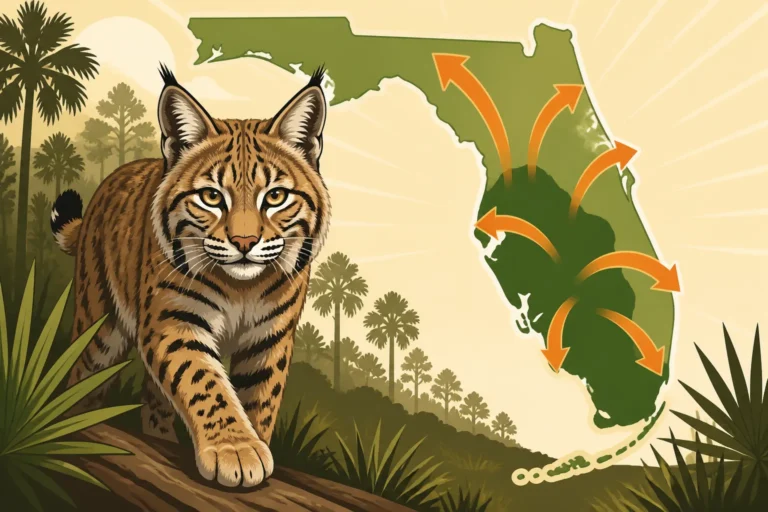
One of the most exciting aspects of Florida's bear recovery has been their gradual but steady expansion beyond these traditional strongholds. As populations within the core areas reached carrying capacity, younger bears, particularly males, began to disperse, venturing out to find new territories. This natural process has led to bears re-colonizing areas where they hadn't been seen in decades. We're now seeing bears in places like the Green Swamp, along the Central Ridge, and even making appearances in more suburban fringes around cities like Orlando and Gainesville.
This expansion is a double-edged sword: it signifies a successful recovery, but it also increases the likelihood of human-bear encounters in areas where people aren't accustomed to coexisting with large predators. The presence of bears in these newly reclaimed territories highlights the importance of managing human food sources and securing garbage, as these are often the primary attractants drawing bears into residential areas. This spreading distribution is a clear indicator that FWC's conservation strategies are working, extending the bear's range and ensuring a healthier, more widespread population for the future.
Living Alongside a Growing Bear Population: Challenges and Management
The success story of Florida's black bear population isn't without its complexities. As bear numbers rise and their range expands, so too does the interface between bears and people. This increasing interaction creates challenges that require thoughtful management strategies, balancing the needs of a thriving wildlife population with the safety and concerns of human residents. It's a tricky tightrope walk, and something the FWC spends a lot of time on.
Human-Bear Conflicts and Their Impact
The most visible impact of a growing bear population is the increase in human-bear conflicts. These typically arise when bears, naturally opportunistic foragers, are attracted to human food sources. Unsecured garbage cans, pet food left outside, bird feeders, outdoor grills, and even ripe fruit on trees can act as irresistible magnets for a hungry bear. Once a bear associates people with an easy meal, it can quickly become habituated, losing its natural fear of humans and increasing the likelihood of repeated encounters. This often leads to property damage, as bears might rip open screens, tear down fences, or even break into garages and homes in search of food.
While serious bear attacks are extremely rare, the potential for dangerous encounters naturally causes concern and fear among residents. These conflicts aren't just an inconvenience; they can lead to bears being hit by vehicles, requiring relocation, or, in worst-case scenarios, necessitating euthanasia if the bear becomes a significant public safety threat. The FWC receives thousands of calls each year related to bear sightings and conflicts, underscoring the ongoing need for proactive measures to mitigate these issues and promote coexistence. This is why understanding Florida's Reinstated Bear Hunting Season and the reasons behind it becomes clearer, as population control can be a tool to manage conflict.
Management Strategies: Coexistence and Control
The FWC employs a multifaceted approach to manage Florida's black bear population, focusing on both human behavior modification and, when necessary, bear population control. At the forefront of their efforts is public education, emphasizing the importance of securing food attractants. Programs like "BearWise" encourage residents to use bear-resistant garbage cans, bring in pet food and bird feeders at night, and clean outdoor grills. These simple actions are incredibly effective at preventing bears from associating human residences with easy food rewards. GoHunt, through its community features and informational articles, often highlights responsible wildlife interaction practices, which is excellent for public awareness.
When conflicts escalate, the FWC may intervene with hazing techniques, relocation of problem bears (though this is often a short-term solution as relocated bears can return or cause issues elsewhere), or, in extreme cases, removal. Beyond direct conflict management, population management through regulated hunting has also been considered as a tool. The 2015 bear hunt, though brief, was initiated to help stabilize populations and reduce conflicts in certain BMUs. While currently paused, future hunting opportunities remain a possibility as a management tool to maintain healthy bear populations and address human safety concerns. Ultimately, the goal is to foster coexistence, allowing both bears and people to thrive in Florida.
The 2025 Florida Bear Hunting Season and Future Outlook
The topic of bear hunting in Florida is often met with strong emotions, but it's an important part of the conservation discussion, particularly for those of us who believe in sound wildlife management. The decisions made about hunting seasons are directly tied to population estimates, conflict levels, and habitat capacity. Understanding the history of the most recent season and the FWC's ongoing approach is crucial for any Floridian interested in the future of these magnificent animals.
Why Florida Reinstated Bear Hunting
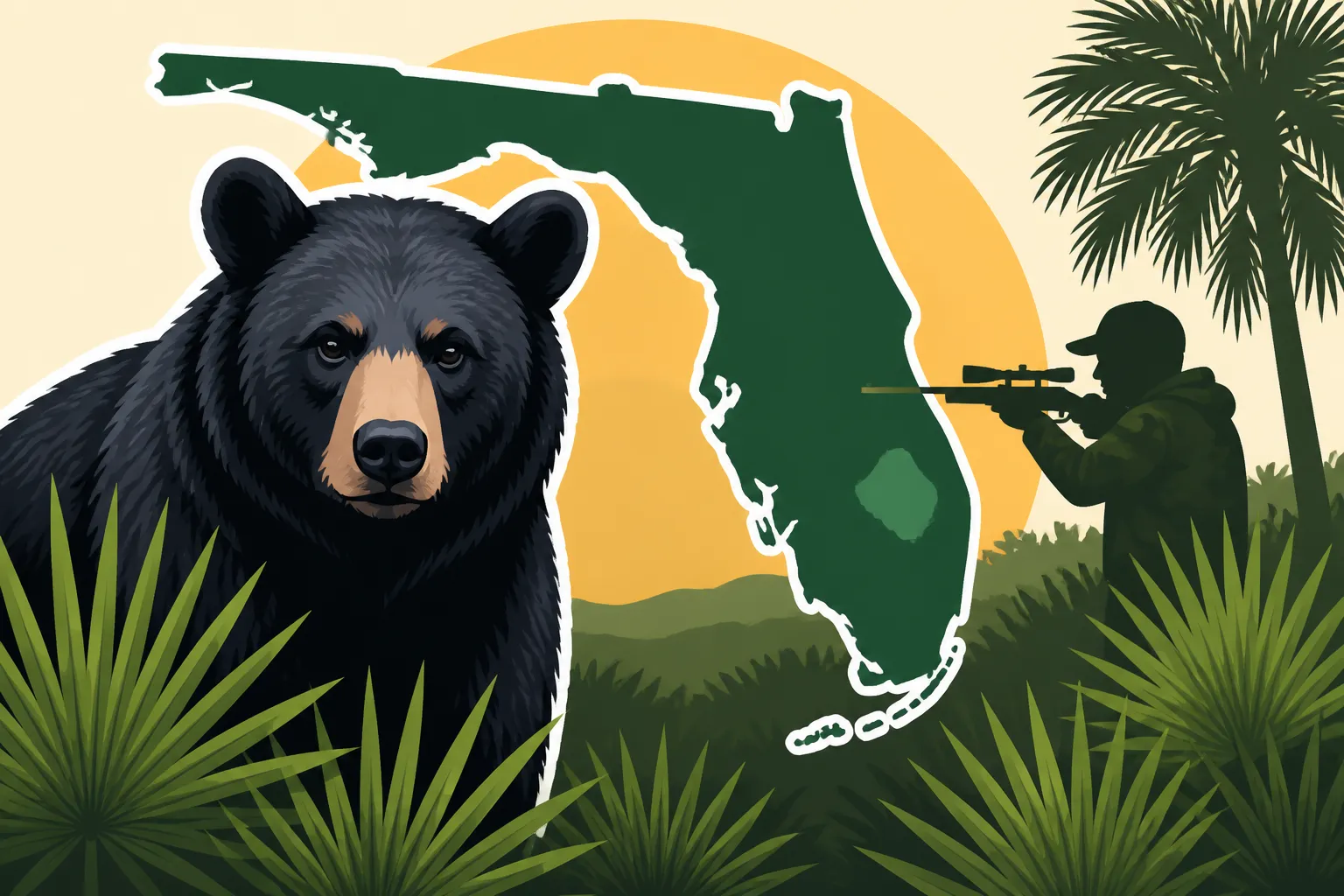
After decades of protection, the FWC made the controversial decision to reinstate a limited bear hunting season in 2015. The primary driver behind this decision was the significant recovery of the bear population and a corresponding rise in human-bear conflicts, especially in certain high-density areas. The FWC argued that with a robust and growing population, a controlled hunt could serve as a management tool to stabilize numbers, reduce conflicts, and instill a healthy fear of humans in bears that had become too habituated. The goal was not to reduce the statewide population dramatically but to strategically manage local populations where conflicts were most prevalent.
The 2015 hunt was brief, lasting only two days, and resulted in the harvest of 304 bears before it was called off once the quota was met. While the hunt was controversial and faced strong opposition from some groups, the FWC maintained that it was a scientifically sound management strategy for a successfully recovered species. The hunt's specifics, including Florida's One-Hundred-Eighty-Seven Bear Quota and the designated zones, were carefully planned based on the most current population data available at the time. Despite the 2015 season, organized bear hunting has been paused since, with the FWC focusing on non-lethal conflict resolution and public education. For more insights into this specific decision, looking into Why Florida Paused Bear Hunting for a Decade might offer a deeper understanding of the ecological and social factors at play.
What the Future Holds for Florida Bears
The future of Florida's black bears hinges on continued sound management, adaptive conservation strategies, and public cooperation. The FWC continues to monitor bear populations closely, conducting regular surveys and research to ensure their estimates are current and accurate. This scientific foundation is essential for any future management decisions, whether that involves further habitat acquisition, enhanced public education campaigns, or the potential reintroduction of limited hunting seasons as a population control measure. Hunters remain a critical part of this equation, often serving as advocates for habitat preservation and contributing financially through license fees to wildlife management programs. Many dedicated individuals apply for permits, even for species like bear, through processes like Applying for Florida's Bear Permit Lottery, recognizing the role regulated hunting can play.
One thing is clear: Florida's black bears are here to stay, and their numbers are healthy. The challenge moving forward is to ensure that both bears and people can coexist safely and sustainably. This will require ongoing vigilance from residents in securing attractants, continued dedication from conservation agencies in protecting vital habitat, and an open dialogue about all available management tools. The story of the Florida black bear is a powerful reminder that with focused effort, species can recover, and then the responsibility shifts to managing that success for the long term.
Disclaimer
Please note: Hunting regulations, season dates, and specific wildlife management protocols are subject to change by the Florida Fish and Wildlife Conservation Commission (FWC). Always consult the latest official FWC regulations and guidelines before planning any hunting activities or making decisions based on wildlife information. This content is for informational purposes and does not constitute legal or professional advice.