Florida Dove Harvest Numbers
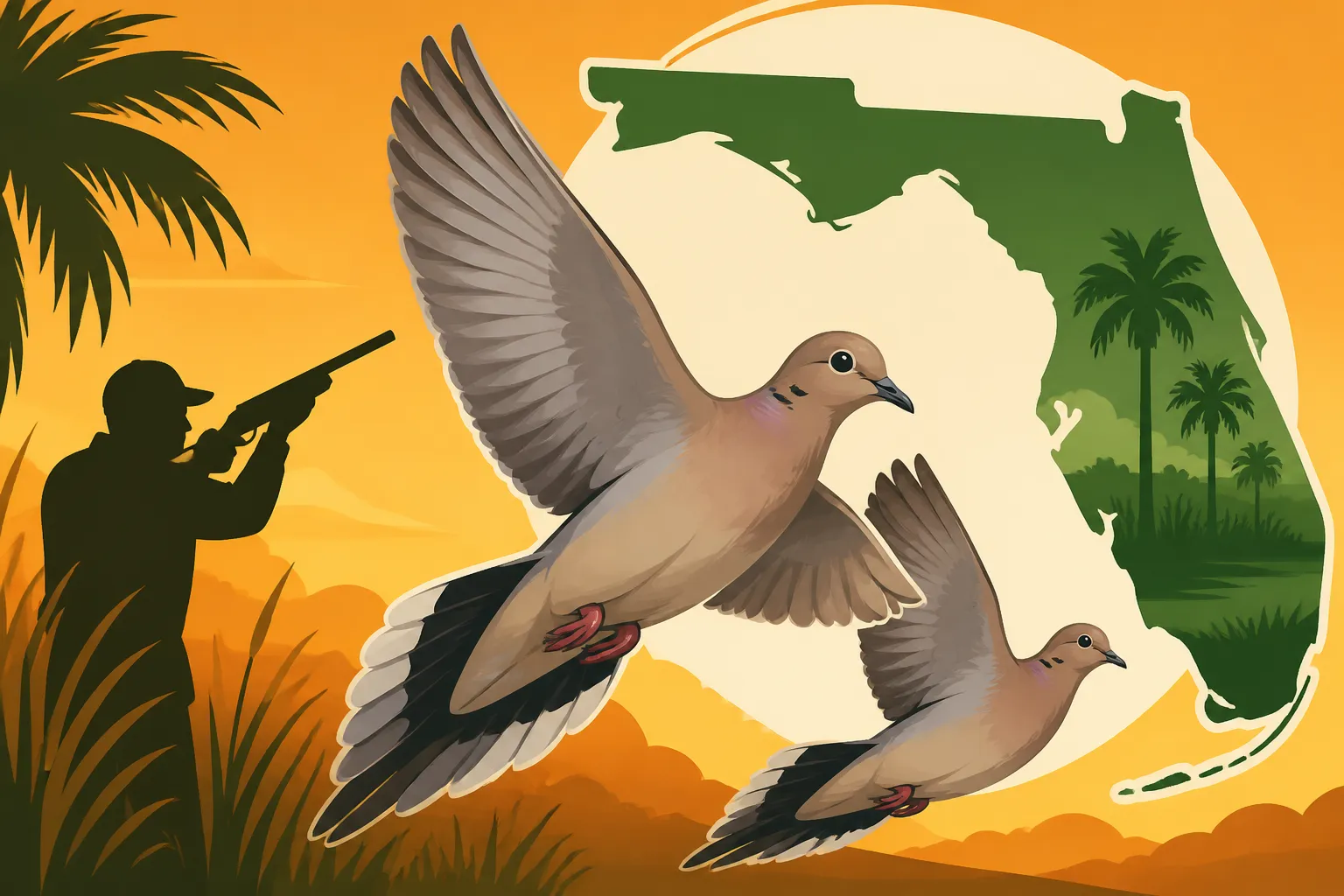
There’s nothing quite like the excitement of a Florida dove opener. The anticipation, the camaraderie, the fast-paced action under the warm Florida sky – it’s a tradition that many of us hold dear. But if you’re like most hunters, you've probably wondered about the bigger picture: how well did the dove season really go? What do those elusive statewide harvest numbers actually tell us, and how do they impact our future hunting opportunities? This guide dives deep into Florida's dove harvest data, helping you understand the factors at play and how you can use this knowledge to become a more successful hunter.
Unpacking Florida's Dove Harvest Data and What It Means
It's easy to focus on your own personal bag limit, or how many birds your hunting group brought in on opening day. But for wildlife managers, and for those of us who care deeply about the future of this sporting tradition, understanding the broader harvest numbers is crucial. These figures aren't just arbitrary statistics; they're a vital part of conservation efforts and a reflection of a complex ecosystem.
How Florida Tracks Dove Numbers and Hunter Success
Here in Florida, the management of migratory birds like doves is a collaborative effort between our state agency, the Florida Fish and Wildlife Conservation Commission (FWC), and federal partners like the U.S. Fish and Wildlife Service (USFWS). These agencies work tirelessly to keep tabs on dove populations, which, given their migratory nature, is no small feat. They rely on a combination of different data collection methods to get a comprehensive picture. For instance, voluntary wing collection surveys from hunters provide crucial information on species composition, age ratios, and reproductive success. Think of it: every wing you turn in contributes directly to a deeper scientific understanding.
Beyond biological samples, hunter surveys are also a big part of the equation. These surveys, often sent to a random selection of licensed hunters, gather valuable data on hunter effort, the number of days spent afield, and, of course, the actual number of doves harvested. This isn't just about counting dead birds; it's about understanding how many hunters are participating, what their success rates are, and how much time they're investing. This paints a fuller picture than just a raw total. These statistics are incredibly important for understanding long-term Florida Dove Population Trends and are directly used to inform decisions about season lengths, bag limits, and other regulations for the upcoming years. It's a testament to sound wildlife management that we have these tools to ensure doves remain abundant.
Interpreting Year-to-Year Fluctuations in Harvest
If you've hunted doves for any length of time, you know that no two seasons are exactly alike. One year, birds might seem to be everywhere, while the next, you might struggle to find a solid flight path. This variability is perfectly normal, and statewide harvest numbers reflect it. These figures are rarely static; they ebb and flow, sometimes dramatically, based on a multitude of factors that extend far beyond just the number of birds physically present in the state. It's a complex dance between birds, weather, habitat, and hunter behavior.
For example, weather patterns far to our north can have a profound impact. Early cold fronts pushing down from the Midwest can send waves of migratory doves into Florida, suddenly boosting local populations. Conversely, mild winters up north might mean birds don't migrate as far south, resulting in fewer birds for Florida hunters. Local weather plays a role too; heavy rains can make fields inaccessible or change bird flight patterns, while prolonged dry spells can concentrate birds around limited water sources. Then there’s food availability, which is heavily tied into agricultural cycles – when crops are harvested, when fields are disked, and what types of seeds are available. All of this can influence where doves feed and how accessible they are to hunters.
It’s important to remember that a lower reported harvest in one year doesn't necessarily spell doom for the dove population. It could simply mean fewer hunters participated, perhaps due to economic factors or other commitments. It might also mean less-than-ideal hunting conditions throughout the season, or a different distribution of birds across the landscape, leading to fewer successful outings. On the flip side, a strong harvest year often correlates with ideal weather conditions, an abundance of food sources, and high hunter engagement, especially during those prime hunting periods like the September Dove Opener. So, when you look at the numbers, try to consider the whole story behind them.
Key Factors Driving Florida's Dove Harvest Outcomes
Florida is a big, diverse state, and what drives a successful dove hunt in the Panhandle might be very different from what makes for good hunting down in South Florida. Understanding these regional nuances and broader ecological factors can really help you zero in on better opportunities. It’s not just about luck; it’s about knowing where to look and what conditions doves need to thrive.
The Role of Habitat and Agricultural Practices
Doves, particularly mourning doves, are creatures of habit when it comes to their habitat. They absolutely thrive in open agricultural landscapes where abundant seeds are readily available. Our state's agricultural industry plays an enormous, often underappreciated, role in sustaining robust dove populations. Think about it: fields of corn, sunflowers, milo, or millet, especially after they've been harvested or disked, are absolute magnets for doves seeking an easy meal. The timing and methods of these agricultural practices directly influence where birds feed and how concentrated they become. A farmer disking a peanut field in late August, for instance, can create a fantastic hunting opportunity.
Beyond food, doves also need reliable water sources and suitable roosting cover. A pond or a creek near a cut agricultural field, combined with a line of pines or oaks for roosting, creates that perfect trifecta that doves crave. Without all three components in close proximity, birds are far less likely to stick around in large numbers. That's why scouting goes beyond just looking for birds; it's about identifying these critical habitat components. When planning your hunt, consider using mapping tools like GoHunt to scout potential areas, identify agricultural land, and look for those essential water features and cover. This can give you a significant leg up in finding productive fields.
Hunter Participation and Access Challenges
While good bird numbers and ideal habitat are foundational, the actual harvest numbers are also heavily influenced by us – the hunters. The sheer number of individuals who take to the fields each season significantly impacts the overall statewide harvest data. On years with high hunter participation, you're naturally going to see higher overall harvest totals, assuming the birds are there to be found. It's a simple equation of more boots on the ground potentially leading to more birds in the bag.
However, accessing quality dove hunting ground can be one of the biggest challenges for Florida hunters. With so much private land, and many prime agricultural fields being leased or requiring permission, finding a good spot can be a real headache. This often leads to concentrated hunting pressure on the more accessible public land options or those rare private fields where permission is granted. Programs like the FWC's public dove fields, which sometimes require quota permits or have specific entry rules, aim to distribute hunters more evenly and provide quality experiences. Understanding how Florida Public Dove Field Draw Rules work in your area can be key to securing a spot in these popular areas. If you're struggling to find a place to hunt, don't give up. Networking with other hunters, asking landowners respectfully, and utilizing mapping resources can eventually pay off.
Maximizing Your Dove Hunting Success in Florida
Alright, we've talked about the numbers and the factors behind them. Now, let's get down to what you can do to actually increase your odds when you're out in the field. After all, understanding the big picture is great, but putting those birds in the cooler is what most of us are really after. A successful dove hunt isn't just about showing up; it's about preparation, strategy, and respect for the game and the land.
Effective Scouting and Field Setup Strategies
The difference between a frustratingly slow dove hunt and a fast-and-furious shootingfest often comes down to one thing: scouting. You simply cannot expect to consistently find good concentrations of doves without putting in the time beforehand. Start scouting weeks, or even a month, before the season opens. Look for actively used feeding areas, observe flight paths between roosts, water sources, and feeding fields, and note where birds are watering in the early mornings or late evenings. This intelligence is gold.
Once you’ve found a promising spot, your field setup becomes critical. Doves have excellent eyesight, so concealment is paramount. Whether you’re tucking into a fencerow, brushing in a portable blind, or just blending into some natural cover, make sure you break up your outline. Decoys, especially motion decoys, can be incredibly effective at drawing birds into range. Place them realistically, as if they are feeding or resting. Pay attention to the wind direction – doves, like most birds, prefer to land and take off into the wind. Positioning yourself so incoming birds are flying into the wind as they approach your decoys can present easier shots. Plus, having the sun at your back can give you a significant advantage in spotting those fast-approaching birds. If you're rusty, a few rounds of skeet or trap before the Pass-Shooting Doves on a September Field opener can really help sharpen your reflexes.
Essential Gear and Responsible Hunting Practices
Beyond your trusty shotgun and a good supply of shells, there are a few other items that will make your Florida dove hunt much more enjoyable and effective. A comfortable, lightweight stool or chair can save your back during long waits. Dehydration is a real concern in our heat, so pack plenty of water, even on cooler days. A good cooler with ice is essential to properly care for your harvested birds, especially since Florida's climate can turn meat quickly. While blaze orange isn't always a requirement for dove hunting, especially on private land, it's always a smart choice for safety, particularly on crowded public fields or when hunting with multiple people. Always double-check the regulations for the specific Florida Dove Season Zones you’ll be hunting in.
Perhaps most importantly, responsible hunting practices are the cornerstone of our sport. Always know and respect the legal bag limits and shooting hours. These rules aren't there to hinder your fun; they are carefully designed to ensure sustainable populations for future generations of hunters. Ethical shooting, only taking clean shots at birds within range, minimizes crippling and respects the game. Be sure to pick up all your spent shells and leave the field cleaner than you found it. Being a good steward of the land, respecting private property, and demonstrating ethical behavior ensures that we, as hunters, are seen in a positive light and that future hunting opportunities remain available. This also ties into the ongoing responsibility of maintaining your Florida Migratory Bird Certification, which funds critical conservation efforts for these amazing birds.
Disclaimer
This article is for general informational purposes only and does not constitute professional advice. Laws, prices and regulations vary by location and change over time. Consult a qualified professional for guidance on your specific situation.