Best Florida Counties for Wild Quail
It’s a real kick in the gut for many of us who remember the days when wild bobwhite quail coveys were seemingly everywhere in Florida. Hearing that distinctive whistle, then watching a covey explode at your feet, was a highlight of many a hunting season. Nowadays, that experience is far too rare, leaving many hunters wondering if there are any strongholds left. This guide is here to tackle that frustration head-on, diving deep into where you can still find decent populations of wild quail in Florida and what it takes to pursue them.
Understanding the Decline of Wild Quail in Florida
Let's be honest, the sight of a booming wild quail covey isn't as common as it used to be. For many hunters, especially those of us who grew up hearing stories from our grandfathers or even remember hunting them ourselves a few decades back, the decline of the bobwhite is a painful reality. It wasn't just one thing that caused it, but a perfect storm of changes that dramatically altered the landscape these birds call home.
Historical Range vs. Current Pockets
Back in the day, wild quail were pretty much ubiquitous across Florida, from the Panhandle's rolling pine hills all the way down to the more open scrub country of South Florida. They thrived in a mosaic of open pine forests, palmetto flatwoods, and agricultural fields that were managed with a lighter touch. It felt like you could step out almost anywhere with a good dog and stand a chance of finding birds.
Fast forward to today, and that widespread distribution has shrunk dramatically. What we're left with are more isolated pockets, often on large, privately managed tracts of land. These aren't the expansive, unbroken quail utopias of yesteryear, but rather remnants where dedicated conservation and specific land management practices have allowed populations to hold on, or even, in some rare cases, make a comeback. The frustration of trying to find these spots, especially on public land, is very real, and it often feels like you're looking for a needle in a haystack.
The Critical Role of Habitat
The reason for this shrinking range boils down almost entirely to habitat. Wild bobwhite quail are incredibly particular about their living arrangements. They need a specific blend of open pine forests with a diverse, low understory of grasses and forbs, patches of palmetto for escape cover, and reliable food sources. Think of it like a perfectly designed miniature city for quail: open areas for foraging, dense thickets for hiding from predators, and plenty of bugs and seeds to eat.
Historically, natural wildfires kept the Florida landscape in this ideal state. Fires would sweep through, clearing out dense underbrush and promoting the growth of native grasses and legumes that quail depend on for food and cover. As fire suppression became more common and vast tracts of land were converted to agriculture, development, or dense pine plantations for timber, that critical habitat disappeared. Without it, the quail simply couldn't survive. It's a tough pill to swallow, knowing that many of the places we used to hunt just aren't suitable anymore. This fundamental change is a huge factor in the Florida Bobwhite Quail Decline we've witnessed.
Key Counties Where Wild Quail Still Thrive
Despite the widespread decline, there are still places in Florida where wild quail hold on, and even flourish, thanks to dedicated land management and a bit of historical luck. These aren't always easy to access, but knowing where to focus your efforts is the first step in finding those elusive coveys.
North Florida's Panhandle Strongholds
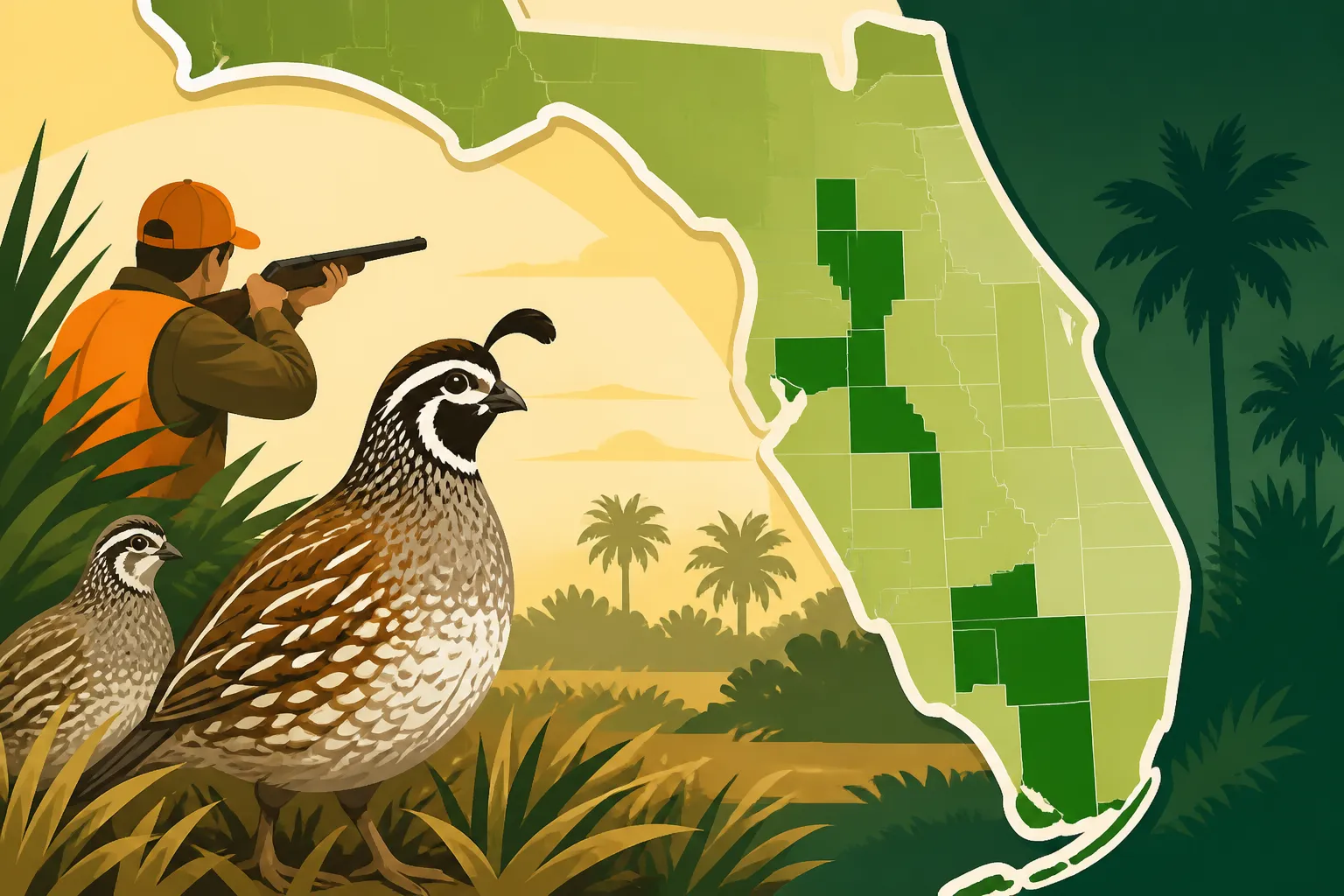
When you talk about Florida quail, the conversation inevitably turns to the Panhandle. This region, particularly the "Red Hills" area that straddles the Florida-Georgia line, is arguably the best shot for wild bobwhite quail in the entire state. We're talking about counties like Jefferson, Leon, Madison, and parts of Gadsden. What makes these areas so special?
Much of it comes down to a legacy of land use. These counties are home to some of the South's largest, privately owned quail plantations – properties that have been meticulously managed for generations specifically for bobwhite habitat. These landowners understand the critical need for frequent prescribed burning, selective timber thinning to maintain an open pine canopy, and planting native seed-producing plants. It’s a science, and it’s an art. The sheer scale of these operations creates vast, contiguous blocks of ideal habitat that simply don't exist in many other parts of the state. While access to these private lands is largely restricted, the healthy populations on them can sometimes spill over into adjacent, less intensely managed areas, offering a glimmer of hope for hunters willing to knock on doors or work with smaller landowners.
Central Florida's Remaining Remnants
Moving south into Central Florida, finding truly wild, self-sustaining quail populations becomes significantly more challenging, but it's not entirely impossible. Counties like Polk, Highlands, Hardee, and Okeechobee occasionally yield pockets of birds. These areas still have large agricultural operations, particularly cattle ranches, which can provide a patchwork of suitable habitat.
However, the key difference here is often scale and fragmentation. Instead of vast, unbroken pine savanna, you might find quail coveys on the edges of large pastures, in unkempt fencerows, or within smaller, isolated stands of native habitat that have escaped development. These populations tend to be smaller, more scattered, and highly dependent on specific management practices by individual landowners. It's not uncommon for a rancher to manage a few hundred acres primarily for cattle but also incorporate rotational burning or brush control that inadvertently benefits quail. For the intrepid hunter, this means more legwork, more asking for permission, and a recognition that success here might mean finding one or two coveys rather than several in a day. It’s a grind, but the satisfaction of finding truly wild birds in these areas is immense.
The Importance of Private Land Management
It cannot be stressed enough: the vast majority of stable, huntable wild quail populations in Florida exist on private land. This isn't just about land ownership; it's about active, intentional habitat management. Think about it: when you drive through many parts of Florida, you see pine forests that are either too dense for birds to move through or agricultural fields that are monocultures devoid of diverse cover.
On well-managed private lands, the focus is on creating that perfect mosaic of habitat. This includes:
- Prescribed Burning: Controlled fires are essential for clearing out woody undergrowth, promoting the growth of herbaceous plants, and cycling nutrients. Many private landowners run burns on a 1-3 year rotation to keep the habitat "young" and accessible for quail.
- Timber Thinning: Pine plantations can be managed for both timber production and quail by thinning trees to allow sunlight to reach the forest floor, encouraging groundcover growth.
- Edge Feathering & Field Borders: Creating soft transitions between different habitat types, like fields and woodlands, provides crucial cover and food.
- Native Plantings: Supplementing natural forage with specific plantings like partridge pea, lespedeza, or various legumes can boost food availability, especially in leaner times.
This kind of management is a commitment, often requiring significant resources and expertise. It's why places like Tall Timbers Research Station, a renowned leader in quail ecology and land management, are so influential in these Panhandle strongholds. They set the gold standard for what it takes to bring back and maintain wild quail. The reality is that hunting wild quail often means seeking out these dedicated landowners or understanding that preserves and guided hunts on private land are the most reliable options.
Strategies for Finding and Hunting Wild Quail
Okay, so you know where to start looking for wild quail in Florida. Now, how do you actually find them, and what does a successful hunt look like? It's not like deer hunting where you can often rely on trail cameras and food plots. Quail hunting is a dynamic, dog-dependent endeavor, and it requires a different kind of preparation.
Scouting and Research
The first step is always thorough scouting and research, even if you don't have boots on the ground yet. Start by looking at aerial maps. You're looking for that mosaic pattern: open pine timber with hints of grassy understory, transitions into palmetto or oak hammocks, and proximity to agricultural fields. Areas that show evidence of recent prescribed burns are a huge plus, as fresh burns often mean fresh forage and easier movement for birds. Tools like GoHunt can be invaluable for pinpointing property boundaries and understanding land cover, helping you visualize the habitat even before you arrive.
Beyond maps, local knowledge is golden. Talk to other hunters, local landowners, or even agricultural extension agents. Sometimes, the best information comes from folks who spend a lot of time in the rural areas, whether they're cowboys, farmers, or foresters. You're trying to identify those specific parcels that haven't been swallowed by development or turned into dense, impenetrable pine monocultures. Don't forget to check FWC resources for public lands that might have small, dedicated quail management areas, though these are often quota hunts and few and far between. The Scouting With the Florida FWC App can also be a helpful tool for identifying public land boundaries and specific regulations.
Working with Landowners and Guides
Let's be candid: finding truly wild quail on public land in Florida is exceptionally challenging. While there are a few WMAs that have active quail management programs, they are often heavily pressured and require a quota permit. For a consistent, rewarding wild quail hunt, private land is almost a necessity. This means either having established relationships with landowners or being prepared to pay for access through a guided trip or a preserve hunt.
- Private Land Access: This route often involves old-fashioned networking and showing respect. If you can identify private landowners with suitable habitat, a polite knock on the door, a clear explanation of your intentions, and an offer to help with land management (like fence repair or even helping with a controlled burn, if you have the skills and proper training) can sometimes open doors. Emphasize that you're looking for wild birds, not released ones, as this often resonates with landowners who cherish their natural resources. Remember the importance of Getting Private Land Permission in Florida and always following their rules.
- Guided Hunts and Preserves: This is often the most reliable way to experience wild quail hunting in Florida. Many outfits specialize in quail, offering hunts on hundreds or thousands of acres of managed habitat. While these hunts come with a price tag, they provide access to prime areas and often include experienced guides and well-trained bird dogs. These experiences can vary from truly wild coveys to "put-and-take" operations with released birds, so be sure to clarify what kind of experience you're booking. For a real taste of what Florida's "plantation country" offers, exploring Quail Hunting Florida Plantation Country can give you an idea of these premium experiences.
Understanding Quail Behavior
Once you've secured access, understanding quail behavior is paramount. Wild bobwhites are masters of camouflage and escape. They prefer to run rather than fly, often flushing only as a last resort.
Here’s what to keep in mind:
- Covey Locations: Quail coveys typically stay together, especially outside of breeding season. They'll have preferred roosting areas (dense cover for protection at night) and feeding areas (open ground with seeds and insects). Look for signs like dusting bowls (small, shallow depressions where they dust themselves) and droppings.
- Flushing Behavior: When a covey flushes, it’s usually explosive, scattering birds in all directions. Mark where individual birds land, as they will often hold tight after the initial flush, allowing you to work singles with your dog.
- Weather Impact: Quail activity can be influenced by weather. They may be more active foraging on mild, clear days and less so during cold snaps or heavy rain. Wind can also make it harder for dogs to pick up scent.
- Dog Work: A good bird dog is absolutely essential for wild quail hunting. They're trained to quarter the ground, pick up scent, point the birds, and retrieve downed game. Watching a well-trained pointer work through prime quail cover is a thing of beauty and significantly increases your chances of success. Quail Hunting Behind Pointing Dogs is not just a method; it's a core component of the experience.
Supporting Wild Quail Conservation Efforts
If you cherish the idea of future generations experiencing the thrill of wild quail, then supporting conservation efforts is not just a nice idea—it's essential. The decline of the bobwhite is a symptom of broader habitat loss, and reversing that trend requires sustained, collective action.
Habitat Restoration on Your Own Land
Even if you don't own thousands of acres, you can still contribute to quail habitat if you have any amount of land, even a suburban backyard. Every little bit helps create connectivity and provide refuge for these birds, and countless other species, for that matter.
Consider these actions:
- Plant Native Species: Ditch the ornamental exotics and embrace Florida's native plants. Choose species that provide food (seeds, berries, insects) and cover (dense shrubs, tall grasses). Examples include partridge pea, native sunflowers, various bluestems, and native legumes. These plants form the base of the quail's diet and provide crucial insect forage for chicks.
- Create Soft Edges: If you have property bordering woodlands or fields, don't create a sharp line. Instead, feather the edges with shrubs and taller grasses. These transitional areas offer fantastic cover from predators and easy access to different food sources.
- Consider Controlled Burns (Professionally Managed): This isn't for everyone, but if you own acreage in a rural area and have the proper permits, training, and equipment, prescribed fire is arguably the single most effective tool for managing quail habitat. Always consult with forestry experts and ensure you follow all local regulations and safety protocols. For most homeowners, this means advocating for your neighbors or local land managers to utilize fire appropriately.
- Leave "Messy" Areas: Resist the urge to have a perfectly manicured landscape. Brush piles, thickets of native shrubs, and uncut grassy areas provide invaluable cover, nesting sites, and foraging opportunities for quail and other wildlife. It's about letting nature do its thing a bit more.
Partnering with Conservation Groups
For those who want to make a bigger impact or don't have land to manage directly, partnering with dedicated conservation groups is incredibly effective. These organizations are on the front lines, conducting research, advocating for policy changes, and implementing large-scale habitat restoration projects.
Groups like Quail Forever (QF) are specifically dedicated to the bobwhite. QF works with private landowners to implement habitat improvements, provides technical assistance, and lobbies for conservation-friendly agricultural and land management policies. Supporting them through membership or donations directly translates to more acres of restored habitat and a stronger voice for quail.
Local land trusts and state-level organizations also play a crucial role. Many groups focus on acquiring and managing land for wildlife, including quail, or providing educational resources to landowners. By joining their efforts, you contribute to a larger, more impactful movement. The Florida Quail Habitat Restoration Efforts are ongoing, and these groups are vital to their success. Every membership, every donation, every volunteer hour helps push the needle towards a healthier future for Florida's wild bobwhite quail.
Florida Counties with Notable Wild Quail Activity
While "best" is always relative and can change year to year based on weather and management, here's a general overview of counties in Florida where wild quail are most frequently encountered or where significant habitat management efforts support them.
| Region | Counties | Typical Habitat Characteristics | Likelihood of Wild Quail Encounter (Private Land) | Notes |
|---|---|---|---|---|
| North Florida (Panhandle) | Jefferson, Leon, Madison, Gadsden, Jackson, Calhoun | Expansive managed pine plantations, longleaf pine savannas, prescribed fire regimes, mature oak hammocks, agricultural edges | High | Home to historic quail plantations; large contiguous habitat blocks. Often requires private land access or guided hunts. |
| Central Florida | Polk, Highlands, Hardee, Okeechobee, Osceola, Levy | Cattle ranches, citrus groves with natural areas, palmetto scrub, isolated pine flatwoods, less intensive management | Moderate | Pockets often found on large ranch properties; more fragmented habitat. |
| Southwest Florida | Collier, Hendry, Glades, Desoto | Ranchland, cattle operations, some remaining cypress and pine flatwoods, transition zones | Low to Moderate | Limited opportunities, but large ranches can still hold birds. Challenges with water levels and development. |
| Other WMA/State Forest | Various across state (e.g., Blackwater, Apalachicola, Three Lakes) | Managed public lands with specific habitat projects for quail. Often high pressure. | Low to Moderate (often quota restricted) | Public access, but challenging hunting due to pressure and limited prime habitat. Requires specific permits. |
This table provides a general guide, but remember, wild quail populations are dynamic. Success often comes down to specific parcels of land and the dedication of the people managing them.
Disclaimer
This article is for general informational purposes only and does not constitute professional advice. Laws, prices and regulations vary by location and change over time. Consult a qualified professional for guidance on your specific situation.