Florida Hog Damage to Agriculture
Anyone who's spent time driving through Florida's agricultural heartland or even tried to maintain a backyard garden knows the relentless destruction feral hogs can wreak. These animals aren't just a nuisance; they're a full-blown ecological and economic disaster, especially for our hardworking farmers and landowners. This guide is here to shed light on the pervasive problem of wild hog damage to agriculture across Florida, detailing the specific ways they harm crops and livestock, the financial toll, and the ongoing battle to protect our vital food sources.
The Pervasive Problem of Feral Hogs in Florida
Florida is a paradise, but it's also home to an uninvited guest that has long overstayed its welcome: the feral hog. These intelligent, resilient, and incredibly destructive animals pose one of the biggest challenges to agricultural producers and natural resource managers across the state. They are literally everywhere, from the deepest swamps to the edges of urban sprawl, leaving a trail of chaos in their wake.
Understanding Florida's Feral Hog Population
If you've ever wondered why you see so many signs of hog activity, it's because Florida's feral hog population is staggering. Estimates suggest there are hundreds of thousands, if not millions, of these animals across the state. They breed year-round, often having multiple litters annually, and a sow can start reproducing at just six months old. This incredible reproductive rate means that even aggressive removal efforts often just keep the population from exploding even further, rather than reducing it significantly. They've been a part of Florida's landscape for centuries, first introduced by early Spanish explorers as a food source, and they've adapted incredibly well to our diverse ecosystems. You can delve deeper into their numbers by checking out How Many Feral Hogs Roam Florida.
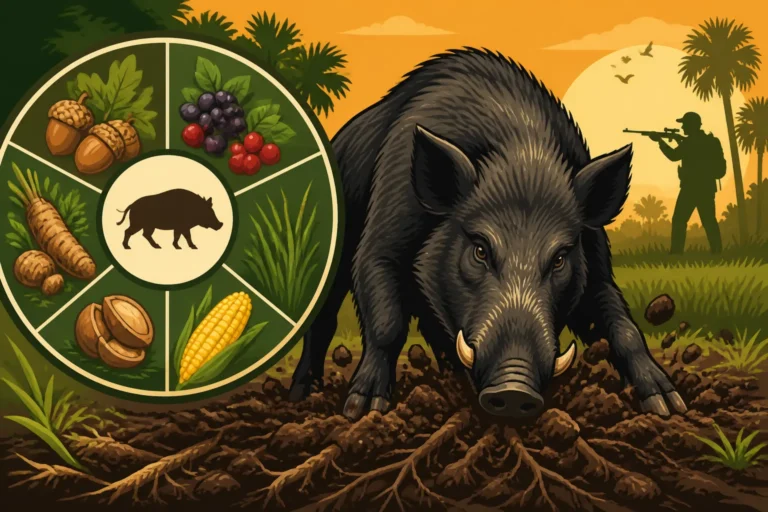
Their ability to thrive in such varied habitats, from dense palmetto thickets to pine flatwoods and cypress swamps, makes them incredibly difficult to manage. They're opportunistic feeders, meaning they'll eat just about anything – roots, tubers, insects, small animals, even carrion – which contributes to their success in colonizing new areas and exploiting available resources. This adaptability is precisely what makes them such a formidable foe for farmers trying to protect their livelihoods.
The Hog's Destructive Nature
A feral hog's entire existence revolves around foraging for food, and their primary tool for doing so is their powerful snout. They use it like a plow, "rooting" through the soil in search of delectable roots, bulbs, and insects. This rooting behavior is incredibly destructive. Imagine trying to grow a delicate crop when a team of bulldozers, or rather, a sounder of hogs, comes through and turns your field upside down in a single night. They're not just looking for food; they're also wallowing in muddy areas to cool down and remove parasites, which further compacts soil and contaminates water sources.
Beyond rooting, hogs are incredibly strong and persistent. They'll push through fences, destroy watering troughs, and generally disregard any human-made barrier in their quest for sustenance or comfort. Their intelligence, combined with their sheer physical power, means that farmers are constantly engaged in a high-stakes game of cat and mouse, trying to outsmart and outmaneuver animals that learn quickly and adapt even faster.
Direct Agricultural Damage Caused by Feral Hogs
The impact of feral hogs on Florida's agriculture isn't abstract; it's a very tangible, expensive, and heartbreaking reality for countless farmers. The damage manifests in several critical ways, directly hitting their bottom line and threatening the viability of their operations.
Rooting and Crop Destruction
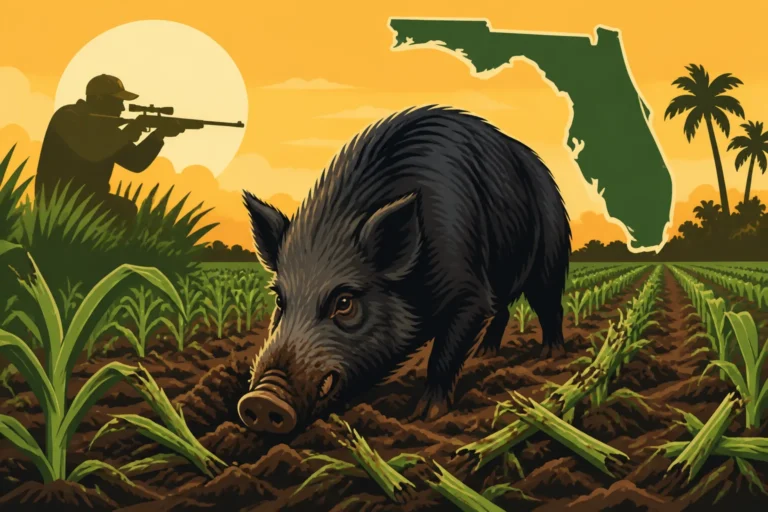
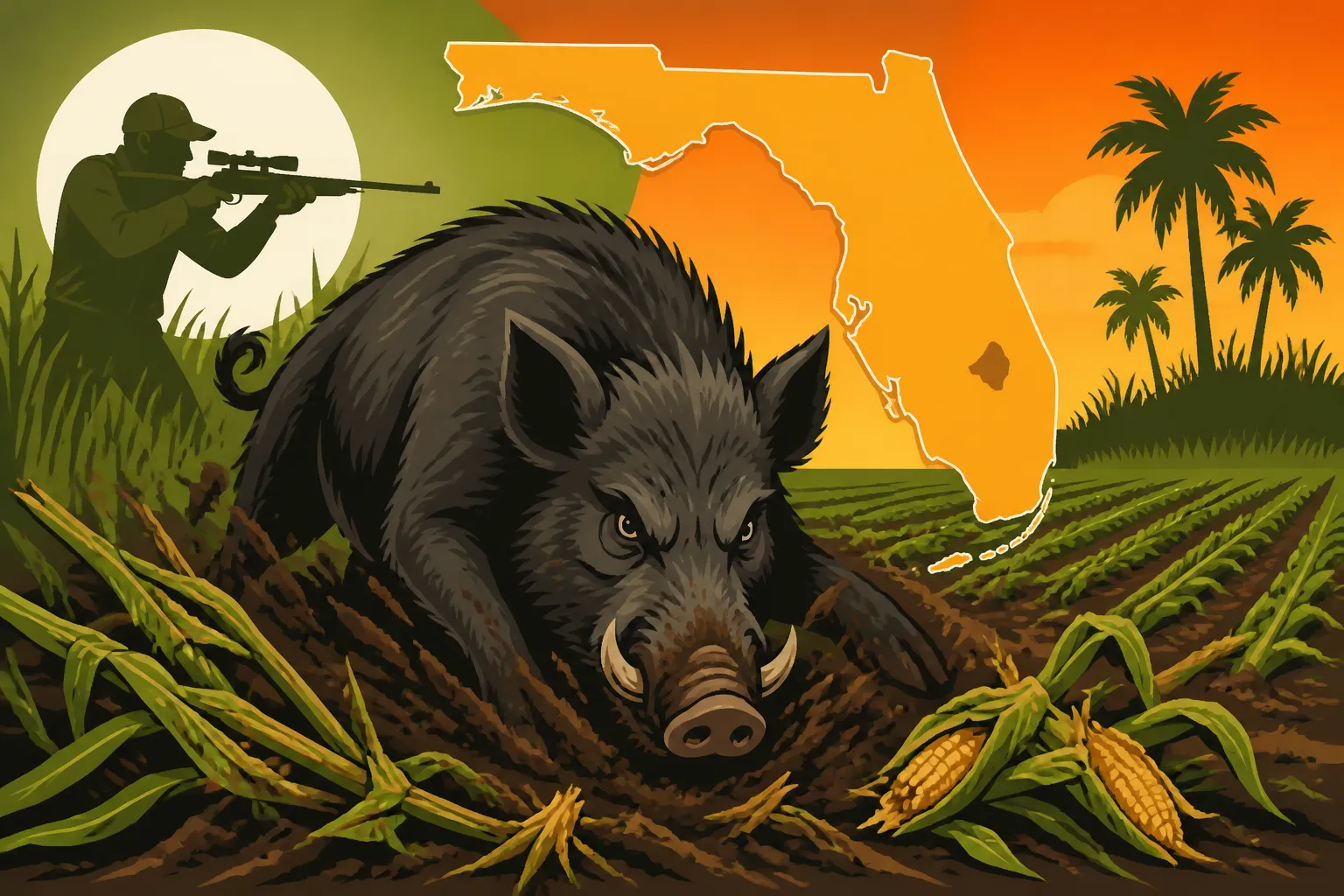
Rooting is arguably the most recognizable and devastating form of hog damage. When a sounder of hogs invades a field, they don't just nibble on a few plants; they systematically churn up the soil, often destroying entire rows of crops in a single night. This is particularly problematic for crops that grow underground, like peanuts, potatoes, and sweet potatoes, as well as those with valuable root systems or seeds close to the surface, such as corn and soybeans. The hogs root up the plants, eat what they want, and leave the rest trampled and exposed, rendering it unsellable. The direct loss of yield is immediate and severe.
Farmers spend immense amounts of time and money preparing fields, planting, irrigating, and nurturing their crops. To see that investment literally plowed under by wild hogs is devastating. It's not uncommon for a farmer to wake up to a field that looked perfectly healthy the day before, only to find it decimated by hog activity. This damage can occur at any stage of crop growth, from newly planted seeds to mature, ready-to-harvest produce. For a deeper dive into which crops are most vulnerable, check out Florida Hog Damage to Row Crops.
Contamination and Secondary Damage
The destruction doesn't stop at rooting. Feral hogs also carry and spread numerous diseases, including pseudorabies, brucellosis, leptospirosis, and toxoplasmosis, which can affect both livestock and humans. When hogs defecate and urinate in fields, they contaminate crops, making them unfit for human consumption and potentially transmitting diseases to grazing animals. This contamination risk means that even crops not directly rooted up might be rendered worthless.
Beyond biological contamination, hogs cause significant secondary damage to farm infrastructure. They'll break through fences, allowing livestock to escape or other pests to enter. They damage irrigation lines and equipment by rooting around them or simply running them over. Wallowing in ditches and canals can erode banks, silt up water bodies, and compromise crucial drainage systems. All these issues require additional time, labor, and money for repairs, adding another layer of financial burden onto already struggling agricultural operations.
Specific Crops and Agricultural Sectors Most Affected
While feral hogs are indiscriminate eaters, certain agricultural sectors and specific crops in Florida are particularly vulnerable to their destructive habits. The Sunshine State's diverse agricultural landscape, from vast citrus groves to tender vegetable farms, offers an all-you-can-eat buffet for these opportunistic omnivores.
Field Crops and Produce
Florida is a major producer of various field crops and fresh produce, and these are often the first targets for hungry hogs. Corn fields, especially when the ears are still tender and developing, are magnets for sounders. Hogs will break stalks, eat the kernels, and trample much of what they don't consume, leaving a messy, unharvestable wasteland. Similarly, peanut fields, with their valuable pods growing underground, are a prime target for rooting. Farmers report significant losses to their peanut harvests annually because of hogs.
Beyond large-scale field crops, Florida's extensive truck farming industry, which produces everything from watermelons and tomatoes to green beans and peppers, suffers tremendously. These tender, high-value crops are often grown in open fields, making them easily accessible. A single sounder can destroy acres of ripe produce overnight, wiping out a farmer's income for an entire season. Even citrus groves aren't immune; while adult trees are generally safe, hogs will root around the base of young trees, damaging their delicate root systems or even uprooting them entirely.
Pastureland and Livestock Operations
It's not just row crops that suffer; Florida's extensive cattle industry also takes a hit. Hogs degrade pastureland by rooting up grasses and forage plants, reducing the amount of feed available for cattle. This forces ranchers to either supplement feed, which is an additional cost, or reduce their herd size. The rooted-up ground can also lead to uneven terrain, posing a tripping hazard for livestock and equipment.
Even more concerning, feral hogs have been known to prey on newborn calves and other small livestock. While not their primary food source, an opportunistic hog will certainly take advantage of a vulnerable young animal. This predation, combined with competition for feed and the potential for disease transmission to cattle, creates a multifaceted threat to ranchers. While coyotes are often seen as the primary predator of livestock in some areas, hogs contribute to this problem, making it harder for ranchers to protect their investments. For related concerns about predation, you might be interested in reading about Florida Coyote Attacks on Livestock.
Economic and Ecological Impacts Beyond Direct Loss
The financial and environmental ramifications of feral hog activity in Florida extend far beyond the immediate, visible damage to crops and infrastructure. These widespread impacts create a ripple effect, affecting everything from property values to the delicate balance of native ecosystems. It’s a complex problem with deep, long-lasting consequences for the state.
Financial Strain on Florida Farmers
The direct monetary losses from destroyed crops and livestock are just the tip of the iceberg for Florida farmers. The U.S. Department of Agriculture estimates that feral hogs cause over $2.5 billion in damages nationally each year, and Florida contributes significantly to that figure. Farmers face expenses for replanting, repairing fences, fixing irrigation systems, and purchasing supplemental feed for livestock when pastures are degraded. These recurring costs erode profit margins and can make it incredibly difficult for smaller farms to stay afloat.
Consider a small, family-owned farm in a county like Polk or Collier that relies heavily on a single crop. If hogs consistently decimate a significant portion of their yield, it could easily mean the difference between making a living and going out of business. This financial strain can also lead to reduced land values in areas heavily impacted by hogs, affecting property owners even if they aren't actively farming. The ongoing battle against hogs becomes an embedded cost of doing business in Florida agriculture, requiring constant vigilance and investment in mitigation strategies.
Ecosystem Disruption and Wildlife Impacts
Beyond the agricultural sphere, feral hogs are an ecological bulldozer, significantly altering Florida's sensitive ecosystems. Their incessant rooting activity disrupts natural soil profiles, leading to increased erosion, especially in sandy soils. This can degrade water quality in wetlands, streams, and lakes by increasing sediment and nutrient runoff. The disturbance also impacts native plant communities, as hogs consume native seeds and seedlings, and their rooting can provide opportunities for invasive plant species to take hold.
Furthermore, hogs compete directly with native wildlife for food sources like acorns, palmetto berries, and native tubers. This competition affects deer, turkey, bears, and other animals that rely on these natural foods, potentially impacting their health and reproductive success. They also prey on the nests and young of ground-nesting birds, including endangered species, and consume reptile eggs. Understanding how these animals impact native populations is crucial, and you can learn more about specific threats like Florida Ground-Nesting Bird Predation by Hogs. This ecological cascade highlights that feral hog management is not just an agricultural concern, but a critical component of broader wildlife conservation efforts in the state.
Mitigation and Management Strategies for Agricultural Protection
Living with feral hogs means constantly battling their destructive tendencies. While completely eradicating them from Florida is a monumental, if not impossible, task, effective mitigation and management strategies are crucial for protecting agricultural interests. Farmers and landowners often employ a combination of tactics, recognizing that a multi-pronged approach yields the best results against such a resilient pest.
Trapping and Removal Efforts
Trapping is one of the most effective methods for reducing feral hog populations, especially in localized areas where damage is concentrated. Various types of traps are used, from simple box traps to large, sophisticated corral traps that can capture an entire sounder at once. Modern traps often incorporate cellular technology, allowing landowners to remotely monitor and trigger the trap when a sounder is inside, maximizing efficiency. The key to successful trapping lies in consistent baiting and patient observation to learn the hogs' patterns and habits.
While trapping requires an initial investment in equipment and consistent effort, it can quickly remove multiple animals and significantly alleviate pressure on crops or pastures. However, hogs are intelligent and can become trap-shy, so rotating trap types and locations, and even varying bait, is often necessary. Many landowners find great success by focusing their efforts during times of the year when natural food sources are scarce, making their bait more appealing. If you're looking into setting up a system on your property, Trapping Feral Hogs on Florida Private Land offers some great practical advice. Platforms like GoHunt can also be a valuable resource for finding community discussions and advice on effective trapping techniques and equipment reviews.
Fencing and Exclusion Methods
When it comes to protecting specific fields or valuable crops, physical exclusion through fencing can be a highly effective, albeit often costly, strategy. Traditional woven wire fences, when properly installed and maintained, can deter hogs. However, hogs are notoriously strong and persistent, and they will exploit any weakness or gap. Electric fences, particularly multiple strands placed at varying heights (e.g., 6, 12, and 18 inches off the ground), can be very successful. The key is to ensure consistent voltage and to keep vegetation cleared from the fence lines to prevent grounding.
The main challenge with fencing is the expense and the sheer scale required for large agricultural operations. Installing miles of hog-proof fencing can be a significant upfront investment, and maintenance is ongoing. However, for smaller plots, high-value specialty crops, or around livestock pens, a robust fence might be the most reliable defense against hog incursions. While it may not be feasible for every acre, strategic fencing around particularly vulnerable areas can be a game-changer.
Hunting as a Management Tool
Hunting plays a vital role in feral hog management in Florida, serving as both a recreational activity and a critical control measure. Florida wisely treats feral hogs as an unprotected species, meaning there are no closed seasons or bag limits on private lands. This allows landowners and hunters to pursue hogs year-round, at any time of day or night, using a variety of legal weapons. This flexibility is essential for keeping populations in check. Whether it's through still-hunting, stalking, or using dogs, consistent hunting pressure can help disperse sounders and reduce their numbers in specific areas.
Many hunters are eager to help landowners with hog control, often for little or no fee, recognizing the benefit to both the land and their freezer. Night hunting, often done with thermal or night vision optics, can be particularly effective because hogs are largely nocturnal. You can find more specific strategies for hunting hogs without limits in Hunting Hogs Without a Bag Limit and for specialized techniques like Night Hunting Hogs With Lights in Florida. For those interested in traditional methods, Dog Hunting Hogs in Florida also provides insight into a time-honored approach. Resources like GoHunt can connect hunters with landowners, or provide advice on the best hunting techniques and gear to maximize success in the field, further aiding in agricultural protection.
The Future of Agricultural Protection in Florida
The battle against feral hogs is continuous, and there's no silver bullet solution. However, by understanding the challenges and embracing comprehensive strategies, Florida's agricultural sector can better adapt and protect itself from this pervasive threat. It requires ongoing innovation, collaboration, and a steadfast commitment from all stakeholders.
Integrated Pest Management Approaches
The most effective approach to managing feral hog damage is through an integrated pest management (IPM) strategy. This means combining multiple control methods rather than relying on just one. For example, a farmer might use trapping to remove large numbers of hogs, then maintain hunting pressure to deter new sounders, and strategically fence high-value crops. This layered defense is much more robust than any single method alone.
IPM also involves understanding the hogs' behavior and adapting tactics accordingly. This includes scouting for fresh sign, identifying travel corridors, and knowing when different crops are most vulnerable. By being proactive and flexible, landowners can significantly reduce the impact of hogs. Collaboration with local wildlife agencies, extension services, and even neighboring landowners is also crucial, as hogs don't respect property lines. A coordinated effort across a larger area will always be more effective than isolated attempts.
Policy and Research Initiatives
The Florida Fish and Wildlife Conservation Commission (FWC) plays a significant role in managing feral hogs, not just by setting lenient hunting regulations but also through research and landowner assistance programs. As an unprotected species, hogs can be hunted and trapped year-round on private lands, which is a key policy allowing for aggressive management. This designation is critical to the ongoing fight, as explained further in Why Florida Treats Hogs as Unprotected.
Ongoing research into hog biology, population dynamics, and new control technologies continues to inform management strategies. This includes studying new bait formulations, developing more efficient trapping devices, and exploring biological controls, though the latter often comes with significant ethical and ecological considerations. While complete eradication is unlikely, continued investment in research, combined with proactive policies that empower landowners and hunters, offers the best hope for minimizing the devastating impact of feral hogs on Florida's vital agricultural industry.
Summary of Hog Damage and Affected Sectors
| Type of Damage | Affected Agricultural Sector | Specific Examples of Impact |
|---|---|---|
| Rooting & Foraging | Field Crops (Corn, Peanuts, Soybeans) | Destruction of entire rows, reduced yield, direct crop loss. |
| Vegetable Farms (Tomatoes, Watermelons) | Damage to delicate plants, unmarketable produce. | |
| Pastureland & Forage | Digging up grasses, reduced grazing capacity for livestock. | |
| Trampling & Walloping | Young Orchards (Citrus) | Damage to root systems of young trees, soil compaction. |
| Any Crop Field | Flattened plants, muddy areas, increased erosion. | |
| Contamination | All Crop Fields & Pastures | Spread of diseases (brucellosis), fecal contamination of food. |
| Infrastructure Damage | Fences, Irrigation Systems, Roads | Breakage, costly repairs, disrupted farm operations. |
| Predation | Livestock Operations (Cattle) | Preying on newborn calves, competition for feed. |
Disclaimer
The information provided in this article is for general guidance and informational purposes only and does not constitute professional advice. Hunting regulations, agricultural practices, and wildlife management strategies can change, and readers should always consult the latest Florida Fish and Wildlife Conservation Commission (FWC) regulations and local experts before engaging in any hunting or land management activities. Engage in hunting and wildlife management safely and ethically.