Florida Feral Hog Diet and Rooting Damage
If you've spent any time at all on a Florida property, especially one with woodlands, wetlands, or even just some unkempt edges, you've likely seen the tell-tale signs: churned-up earth, trampled vegetation, and a general sense of chaos. That's the work of Florida's prolific feral hog population, and understanding what drives these creatures – specifically their diet and the damage their relentless rooting causes – is the first step toward managing their impact. This guide will take a deep dive into the culinary preferences of these wild swine and the extensive ecological and economic havoc they wreak across our beautiful state.
The Opportunistic Palate of Florida's Feral Hogs
Florida's feral hogs are the ultimate opportunists when it comes to finding their next meal. Their digestive systems are incredibly adaptable, allowing them to thrive on a vast array of food sources that change with the seasons and the available landscape. This incredible dietary flexibility is a major reason why they've spread so widely and are so difficult to control, making them a constant challenge for landowners and wildlife managers alike.
A Feast of Forage: Native Vegetation and Agricultural Crops
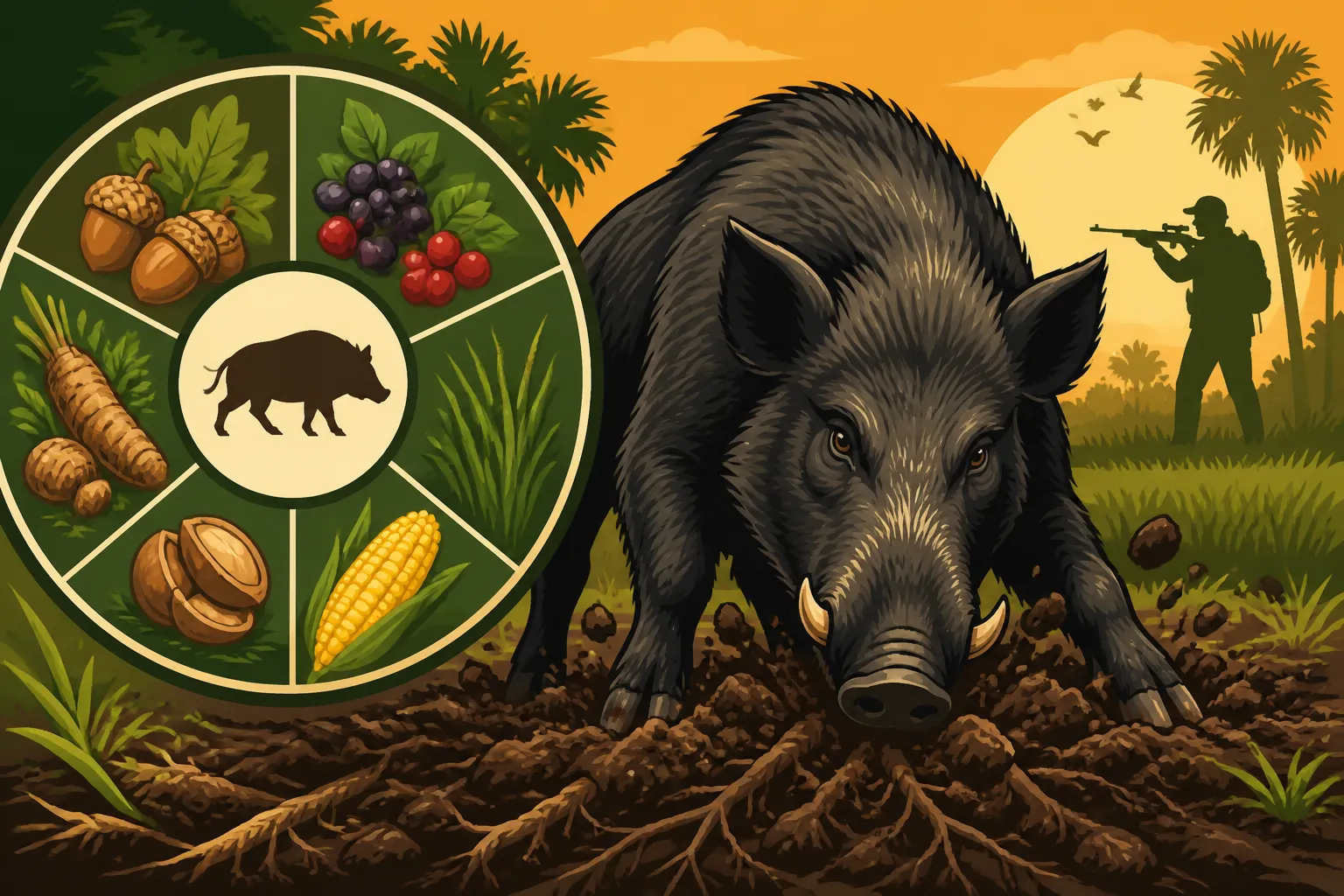
When feral hogs aren't feasting on cultivated fields, they're digging deep into the natural buffet that Florida's diverse ecosystems provide. They possess a powerful snout, perfectly designed for rooting, which allows them to unearth a smorgasbord of underground delicacies. This includes the carbohydrate-rich roots and tubers of various plants, which provide essential energy. During the fall and winter, acorns from our many oak species become a primary food source, often drawing sounders from miles around into oak hammocks. Palmetto berries, another common Florida fruit, are also high on their list, along with fallen fruits from wild citrus trees or other native fruit-bearing shrubs. These natural food sources are abundant, offering a consistent supply that helps sustain large hog populations.
However, the real trouble begins when these natural food sources start to wane, or when hogs simply develop a taste for something easier to acquire. Florida is an agricultural state, and our fields of corn, peanuts, sugarcane, and a variety of vegetables are irresistible magnets for hungry hogs. They don't just graze; they rampage, often destroying far more than they consume. Imagine a farmer's frustration after cultivating a pristine field, only to wake up the next morning and find it looking like a rototiller went wild, with rows of crops decimated and entire sections trampled. Florida Hog Damage to Agriculture is a well-documented and devastating problem across the state. This destruction can lead to significant financial losses for farmers, impacting local economies and even food prices.
The seasonal shift in available food plays a huge role in their movements and diet. In the spring and summer, when tender new growth is abundant and agricultural crops are maturing, hogs will readily switch their focus. They'll spend more time in swamps and wetlands, rooting for aquatic plant roots or fresh shoots, and then shift to fields when crops are ripe. It's a continuous cycle of exploitation, where the hogs adapt to whatever bounty the landscape and human agriculture offer, showcasing their incredible resilience and proving why How Many Feral Hogs Roam Florida is such a staggering number.
Unearthing the Earth: Invertebrates and Small Vertebrates
While plants form a large part of the feral hog diet, these animals are truly omnivores, and a significant portion of their nutritional intake comes from animal matter, much of which they find by, you guessed it, rooting. They are relentless excavators, constantly digging and turning over soil in search of grubs, earthworms, and other insects. This isn't just a casual snack; entire fields can be torn up as a sounder systematically works through an area, seeking out protein-rich invertebrates. It's like a free protein shake buried right beneath their feet. This constant search for buried treasure contributes heavily to the visible damage seen across Florida's landscapes.
Beyond insects, feral hogs are also opportunistic predators, and this is where their impact on native wildlife becomes particularly concerning. They will actively hunt and consume small vertebrates, including snakes, lizards, frogs, and rodents. More alarmingly, they are notorious for preying on the eggs and young of ground-nesting birds, such as turkeys, quail, and various waterfowl. Imagine a wild turkey nest, carefully camouflaged, only to be discovered and ravaged by a hungry sounder. This predatory behavior significantly impacts the reproductive success of these native species, adding another layer of ecological stress. Ground-Nesting Bird Predation by Hogs is a serious issue that directly contributes to declining populations of vulnerable species.
Their omnivorous nature is a key factor in their success. Unlike herbivores or carnivores with more specialized diets, hogs can survive and thrive in almost any environment, adjusting their menu as needed. If acorns are scarce, they'll turn to grubs. If grubs are hard to find, a farmer's peanut field becomes a prime target. This ability to switch between plant and animal matter, coupled with their sheer numbers, makes them an incredibly destructive force. It's a testament to their evolutionary adaptability, but it's also why they pose such a persistent threat to Florida's natural balance.
The Visible Scars: Understanding Rooting Damage
The most immediate and visually striking impact of feral hogs is their rooting behavior. It's not just a messy habit; it's a profound alteration of the landscape, leaving behind a trail of ecological and economic devastation that often takes years, if not decades, to recover from. Anyone who's walked through a field or forest after a sounder has passed through can attest to the sheer scale of disruption.
Ecological Devastation: Habitat Alteration and Soil Erosion
The act of rooting is essentially the hog equivalent of plowing. With their powerful snouts and strong neck muscles, they literally dig up the earth, turning over topsoil in search of roots, tubers, and invertebrates. What often starts as small, localized disturbances can quickly expand into vast expanses of churned-up soil. This is particularly damaging in delicate ecosystems like Florida's wetlands, where the intricate balance of water flow and specific plant communities is easily disrupted. When hogs root through a marsh or cypress swamp, they can destroy the fibrous root mats that hold the soil together, leading to increased sedimentation in water bodies.
Forest floors, especially in sensitive areas like longleaf pine ecosystems or oak hammocks, are also highly vulnerable. Hogs tear up the understory, consuming native plant seedlings and disturbing the delicate fungal networks vital for tree health. This habitat alteration directly impacts other wildlife species that rely on specific vegetation for food and cover. Furthermore, this disturbance creates perfect opportunities for invasive plant species to take hold. With the native flora disturbed, non-native plants often outcompete, further degrading the ecosystem. A land manager might use tools like the GoHunt app to map areas of high rooting damage to prioritize restoration efforts or monitor hog movement.
Beyond the immediate disruption, rooting leads to significant soil erosion. When the protective layer of vegetation and root systems is stripped away, the bare soil is exposed to wind and rain. This is particularly problematic in sandy Florida soils, which are already prone to erosion. Rain washes away the exposed topsoil, carrying sediment into streams, rivers, and lakes. This not only degrades water quality, making it murkier and less habitable for aquatic life, but it can also fill in critical aquatic habitats and reduce the capacity of waterways. It's a domino effect, where one destructive behavior triggers a cascade of negative environmental consequences.
Economic Fallout: Agricultural Losses and Infrastructure Damage
For Florida's agricultural community, feral hog rooting damage isn't just an aesthetic problem; it's a massive financial burden. As mentioned earlier, rows of crops can be wiped out overnight, leading to direct losses in yield and revenue. Farmers invest significant time, money, and effort into preparing fields, planting seeds, and nurturing crops, only to have much of that investment literally dug up and destroyed. The cost isn't just in lost crops; it's also in the expense of replanting, repairing damage, and implementing costly mitigation measures like fencing. When a rancher's pasture is rooted up, it reduces the available forage for their cattle, requiring supplemental feeding and increasing operational costs.
The damage extends far beyond just crops and pastures. Feral hogs are indiscriminate destroyers. They frequently damage critical infrastructure on farms and ranches. Irrigation lines, which are often buried just beneath the surface, are routinely ruptured by rooting hogs seeking moisture or food. Fences, essential for containing livestock and delineating property lines, are pushed over, dug under, or broken as sounders muscle their way through. Dikes and levees, crucial for water management in agricultural and conservation areas, can be compromised by their relentless digging, leading to potential flooding or water diversion issues. Imagine the cost and labor involved in constantly repairing hundreds of yards of fencing or multiple irrigation breaks.
The financial strain caused by feral hogs is immense and widespread. It affects small family farms struggling to make ends meet and large agricultural operations alike. While Florida allows for Hunting Hogs Without a Bag Limit and Trapping Feral Hogs on Florida Private Land year-round, the sheer numbers and adaptability of these animals mean that controlling their populations and the resulting damage is an ongoing, expensive battle. Landowners often have to budget specifically for hog damage repair and control efforts, diverting funds that could otherwise be invested in crop improvements or other farm enhancements.
Beyond the Rooting: Other Forms of Feral Hog Impact
While rooting damage is the most visually obvious sign of feral hogs, their impact extends far beyond just turning up the soil. These animals are vectors for disease, direct predators of native wildlife, and fierce competitors for food sources. Their multifaceted destructive capabilities make them a truly formidable invasive species, posing threats that aren't always immediately apparent but are deeply detrimental to Florida's ecosystems and economies.
Disease Vectors: A Hidden Threat to Livestock and Wildlife
Feral hogs are unfortunately notorious carriers of a variety of diseases, some of which can be transmitted to domestic livestock, native wildlife, and even humans. This makes them a silent but significant threat to animal health and agricultural biosecurity. Two of the most concerning diseases they carry are swine brucellosis and pseudorabies. While these don't typically cause severe illness in adult hogs, they can be devastating to pigs in domestic herds, leading to reproductive failure and economic losses for farmers. The close proximity of wild hogs to farm operations, especially in rural Florida, creates a constant risk of transmission.
Leptospirosis and E. coli are other pathogens commonly found in feral hog populations. These can contaminate water sources and feed, potentially spreading to cattle, deer, and other animals that share the same habitat or water holes. For hunters, handling infected carcasses without proper precautions can also pose a minor health risk. The challenge with these diseases is that they are often asymptomatic in hogs, meaning an animal can appear perfectly healthy while actively shedding pathogens into the environment. This makes disease monitoring incredibly difficult, and the sheer number of hogs roaming Florida's diverse landscapes only exacerbates the problem.
The implications for native wildlife are equally concerning. While some native species may have developed resistances or immunities to certain local pathogens, the introduction of novel diseases from feral hogs can further stress already vulnerable populations. For instance, deer populations sharing range with infected hogs could theoretically be at risk for certain bacterial diseases. The Florida Fish and Wildlife Conservation Commission (FWC) monitors these issues closely, but with Why Florida Hogs Have No Closed Season, and their ability to roam freely, managing disease transmission is an ongoing, complex challenge.
Competition and Predation: Pressuring Native Species
Beyond disease, feral hogs directly compete with and prey upon Florida's native wildlife, disrupting the delicate food web and putting pressure on species that are already facing habitat loss and other environmental stressors. Let's think about a prized Florida game animal like the white-tailed deer. Hogs consume many of the same food sources as deer: acorns, various fruits, and tender shoots. When a sounder of hogs moves into an oak hammock, they can quickly decimate the acorn crop, leaving little left for deer, squirrels, and other mast-dependent species. This competition can force deer to expand their home ranges or go hungry, impacting their health and reproductive success.
Their predatory habits are perhaps even more damaging. Feral hogs are voracious omnivores, and unfortunately, this extends to preying on the young of other animals. Fawns, the vulnerable offspring of white-tailed deer, are an easy target for a hungry hog. Turkey poults, newly hatched and largely defenseless, also fall victim to hog predation, directly impacting the recruitment rates of these iconic game birds. Then there are the eggs and hatchlings of reptiles, including threatened species like gopher tortoises, which often create their nests in sandy, accessible areas that hogs love to root through.
This direct predation and competition for vital resources create a cascading effect throughout the ecosystem. It reduces the number of prey animals, which can impact predators further up the food chain, and it stresses populations of native herbivores. The long-term consequences are a less diverse and less resilient ecosystem. Many hunters use mapping tools like GoHunt to understand game movement and identify potential hog hotspots, recognizing that successful deer or turkey hunting often involves managing the local hog population.
Mitigating the Damage: Strategies for Control
Given the extensive damage and threats posed by Florida's feral hogs, active management and control are not just recommended, they're essential. While eradicating them completely is an unlikely goal due to their prolific breeding and adaptability, reducing their numbers and mitigating their impact is an ongoing effort that involves a combination of direct population management and habitat strategies.
Trapping and Hunting: Direct Population Management
One of the most effective and widely used methods for reducing feral hog populations is trapping. Unlike hunting, which typically accounts for individual animals or small groups, well-executed trapping operations can remove entire sounders (a group of hogs). Large corral traps, often baited with corn and equipped with smart triggers or remote monitoring, can capture dozens of hogs at once. This approach is particularly effective because it targets the social structure of hogs, allowing for a more significant impact on the local population. Landowners often find that consistent trapping efforts, especially after hogs have become accustomed to a bait site, yield the best results. Florida Hog Trapping Success Rates can be quite high with proper technique and persistence.
Hunting also plays a crucial role in feral hog control, and Florida's incredibly liberal hunting regulations reflect the need to manage these animals. There are Florida's Year-Round Hog Hunting Rules, with no closed season or bag limits on private land, and very generous seasons on most Wildlife Management Areas (WMAs). This allows hunters to pursue hogs continuously, keeping pressure on local populations. Still-hunting, stalking, and especially Dog Hunting Hogs in Florida are popular methods. Dog hunting can be particularly effective at flushing hogs out of dense cover where they might otherwise be impossible to find. Night hunting with lights is also permitted in some areas, offering another avenue for control. Hunters often utilize apps like GoHunt to scout areas, identify potential hog trails, and understand land boundaries, which is invaluable for both private and public land hunting.
Both trapping and hunting require dedication and a good understanding of hog behavior. Hogs are intelligent and can quickly become wary of human presence or repeated trapping attempts. Varying tactics, moving traps, and approaching hunting efforts with stealth and strategy are key to sustained success. It's a continuous battle, but one that dedicated hunters and landowners embrace to protect Florida's natural resources and agricultural interests.
Habitat Modification and Exclusion: Long-Term Solutions
Beyond directly removing hogs, modifying their habitat and physically excluding them from sensitive areas are crucial long-term strategies for damage mitigation. Exclusion fencing is perhaps the most direct method, albeit often the most expensive for large areas. Heavy-duty fencing, often incorporating mesh wire and electric strands, can be installed around agricultural fields, gardens, or protected ecological sites. While the initial investment can be substantial, especially given the hogs' strength and persistence, a well-maintained fence can provide a high level of protection, saving significant money in crop losses or ecological restoration over time.
Strategic habitat modification can also make an area less appealing to hogs or redirect their activity. For instance, some landowners might create targeted food plots designed specifically to attract hogs to a certain area, making them easier to hunt or trap, and drawing them away from more valuable crops or sensitive wetlands. This is a common tactic where baiting is legal, and it's a way to concentrate their activity. Conversely, removing dense, impenetrable cover that hogs use for bedding and escape can make an area less hospitable to them, although this must be balanced with the needs of native wildlife.
Working with land management organizations or using robust mapping tools can help in planning these strategies effectively. Apps like GoHunt, for instance, can help identify property lines, topographic features, and vegetation types, aiding in the strategic placement of fences or the planning of cover removal. Understanding the landscape is key to effective control. Combining these long-term solutions with consistent trapping and hunting efforts creates a comprehensive management approach that, while demanding, is essential for minimizing the significant impact of Florida's feral hogs on our environment and economy.
| Damage Type | Description | Impacted Areas/Species |
|---|---|---|
| Rooting (Tillage) | Digging and turning over soil with snout | Agricultural fields (corn, peanuts), pastures, forests, wetlands, lawns |
| Crop Destruction | Eating and trampling cultivated plants | All agricultural crops, gardens |
| Habitat Alteration | Destruction of vegetation, soil disturbance | Wetlands, forest understory, grasslands, native plant communities |
| Soil Erosion | Exposure of bare soil to wind and water | Sloping terrain, sandy soils, stream banks |
| Water Quality Degradation | Increased sedimentation and nutrient runoff into waterways | Rivers, lakes, ponds, springs, aquatic life |
| Infrastructure Damage | Breaking fences, rupturing irrigation lines, undermining dikes | Farm infrastructure, property boundaries, water management systems |
| Predation | Direct consumption of eggs and young | Ground-nesting bird nests (turkey, quail), fawns, reptile nests |
| Competition | Consuming shared food sources | White-tailed deer, turkeys, squirrels, native herbivores |
| Disease Transmission | Spreading pathogens (brucellosis, pseudorabies) | Domestic livestock (pigs, cattle), native wildlife, humans (rare) |
Disclaimer
This article is for general informational purposes only and does not constitute professional advice. Laws, prices and regulations vary by location and change over time. Consult a qualified professional for guidance on your specific situation.