Hunting Hogs Without a Bag Limit
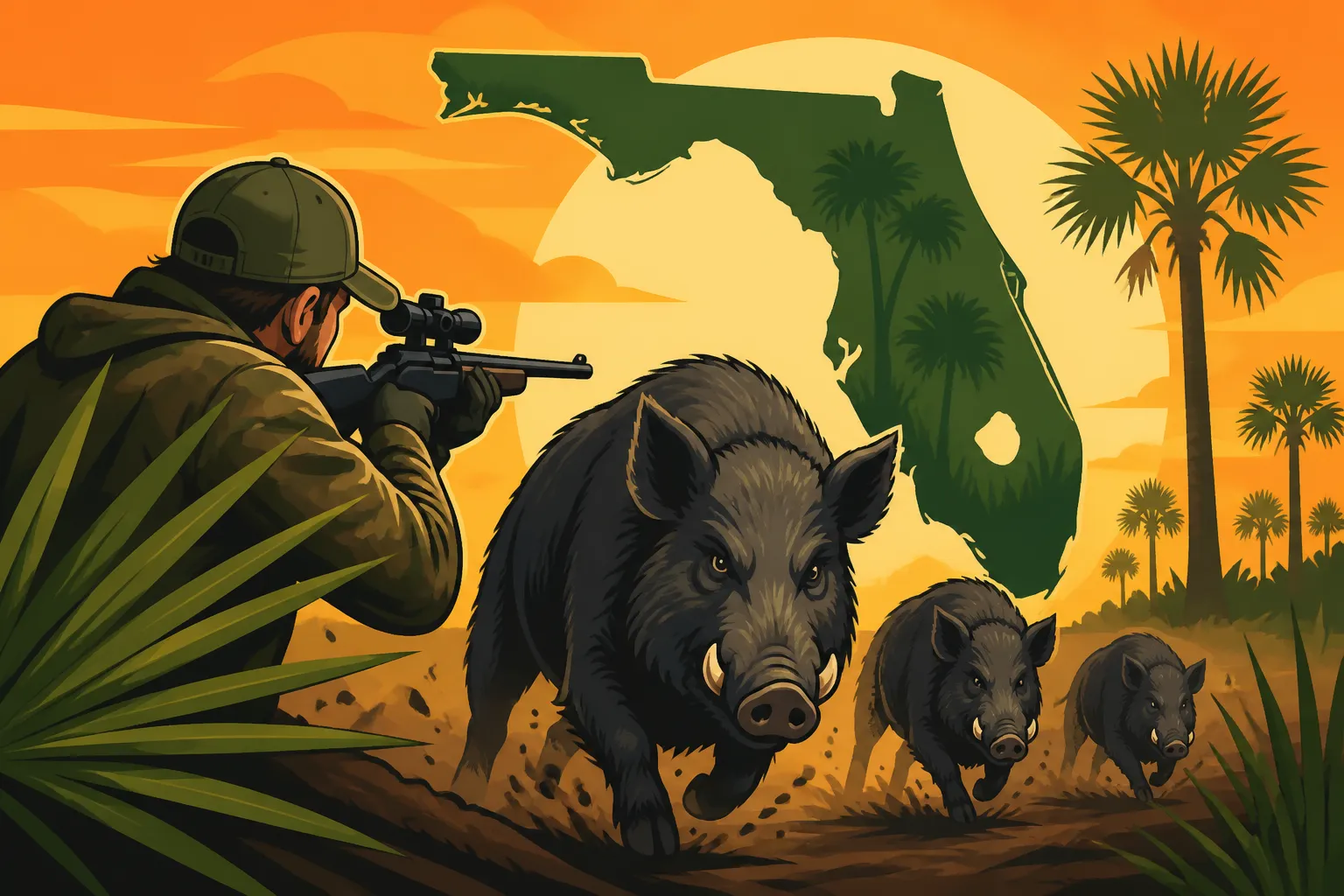
There's nothing quite like the sight of a sounder of feral hogs tearing up a pristine piece of Florida landscape to make a hunter's blood boil. These animals are a real nuisance, causing immense damage to agriculture, natural habitats, and even private property. If you've ever dealt with the aftermath of their rooting, you know the frustration. The good news? In Florida, pursuing these destructive creatures comes with unparalleled freedom: there's no bag limit, and for the most part, no closed season on private land. This guide is all about diving deep into how you can effectively hunt hogs in the Sunshine State, taking full advantage of those liberal regulations.
The Unique Status of Florida Feral Hogs
Unlike our native white-tailed deer or the iconic Osceola turkey, feral hogs in Florida exist in a unique regulatory space. They are often seen more as a pest than a game animal, and this classification opens up a lot of opportunities for hunters.
Why Florida Has No Bag Limit or Closed Season
The reason Florida, and many other states, takes such a liberal approach to feral hog hunting boils down to their biology and impact. These aren't native animals; they're descendants of domestic pigs brought over by early European explorers, including the Spanish. Over centuries, they've adapted to the wild, thriving in Florida's diverse ecosystems. Their presence, however, comes at a steep cost.
Feral hogs are ecological bulldozers. They root up massive tracts of land, destroying delicate plant communities and impacting agricultural fields. Imagine a farmer watching an entire season's work, like a planted cornfield, decimated overnight by a sounder of hogs. It's a heartbreaking and economically devastating experience. Beyond the rooting, they compete with native wildlife for food sources, and worse, they can prey on the fawns of deer, nests of ground-nesting birds like wild turkeys and quail, and even sea turtle eggs along coastal areas. Furthermore, hogs are carriers of various diseases, some of which can be transmitted to livestock and even humans. Given this relentless destruction, the Florida Fish and Wildlife Conservation Commission (FWC) classifies feral hogs as an "unprotected" species, meaning you don't need a hunting license to hunt them on private land, and there are no statewide bag limits or closed seasons. This is why when you hear about Year-Round Hog Hunting in Florida, it's true, especially on private property.
Understanding FWC Regulations for Hog Hunting
While the general rule is "no bag limit, no closed season," it's crucial to understand that specific regulations do apply depending on where you're hunting. This is where many hunters, especially those new to Florida, can get tripped up.
On private land, the rules are incredibly straightforward. If you have permission from the landowner, you can hunt hogs any time of year, with virtually any legal weapon, and take as many as you can. This is the ultimate freedom, and it’s why many hog hunts take place on vast cattle ranches or timber company lands. Baiting is also legal on private land, which can be a highly effective tactic for drawing in sounders. If you're considering Baiting Hogs Legally in Florida, private land is where you'll find the fewest restrictions.
However, when you venture onto public lands, such as Wildlife Management Areas (WMAs) or National Forests, the situation changes significantly. Here, feral hogs are treated more like game animals, and you will need a Florida hunting license, a WMA Management Area Permit, and potentially other permits depending on the specific area and season. Public lands also have specific hunting seasons, designated legal weapons, and restrictions on baiting or night hunting. For example, you might be limited to archery equipment during archery season, or shotguns during general gun season. There are even specific regulations for Hunting Hogs on WMA Land in the Off-Season, which can still be a productive time, but requires careful attention to the rules. Always, and I mean always, check the specific regulations for the WMA or public land you plan to hunt before heading out. The FWC website and individual WMA brochures are your best friends here.
Essential Gear for Bag-Limit-Free Hog Hunting
Since you're not restricted by bag limits, your goal might be to take down multiple hogs, or at least be prepared for the opportunity. This means having the right gear is paramount for both effectiveness and safety.
Firearms and Ammunition Choices
Hogs are tough animals, no doubt about it. They have thick hide, gristle plates over their shoulders, and a determined will to survive. This isn't the time to skimp on caliber or bullet construction.
For rifles, popular choices abound. Many deer hunters find their trusty .308 Winchester or 6.5 Creedmoor perfectly adequate, especially with well-constructed, heavy-for-caliber bullets. These rounds offer excellent penetration and knockdown power. Even smaller, faster calibers like the .223 Remington can be effective if you're using premium, bonded bullets and focusing on head or neck shots. If you're looking for more punch, especially for larger boars or if you're engaging at closer ranges, cartridges like the .45-70 Government or even a 12-gauge slug gun can deliver devastating results. The key is shot placement. Aim for the ear, directly behind the shoulder (not as far forward as a deer's vitals due to the hog's anatomy), or a head shot if confident. A good resource for understanding which calibers Florida allows for deer, which often translates to hog hunting on public lands during deer season, is Which Shotgun Gauges Florida Allows for Deer. The better your ammunition and your shot placement, the more ethical and efficient your harvest will be.
Optics, Lights, and Thermal Gear
Depending on when and where you hunt, your optical needs will vary dramatically.
For daytime hunting, a good quality rifle scope with appropriate magnification for your typical engagement ranges is essential. Don't forget a solid pair of binoculars; spotting hogs in dense Florida cover can be a challenge, and glassing distant feeding areas is much easier with good binos. When the sun goes down, however, a whole new world of opportunity (and gear) opens up. Night Hunting Hogs With Lights in Florida is a highly effective method, and legal on private land. This means investing in powerful spotlights, red or green hunting lights, or even advanced night vision or thermal optics. Thermal scopes are a game-changer for hog hunting, as they allow you to detect the heat signatures of hogs even in complete darkness or dense brush, giving you a significant advantage. Just remember, while legal on private land, using artificial lights to hunt hogs on public land is generally prohibited unless specifically stated otherwise.
Other Crucial Equipment
Beyond your primary weapon and optics, a few other items can make your hog hunting experience much more successful and comfortable. Florida's environment is notoriously tough on gear and bodies.
First, durable clothing is a must. Think long sleeves, sturdy pants, and snake boots, especially if you're going to be pushing through palmetto thickets or cypress swamps. The vegetation can be brutal, and those boots offer peace of mind against the various critters that call Florida home. Scent control, while perhaps not as critical as for deer hunting, can still be beneficial, especially if you're stalking in close. A good field dressing kit with sharp knives, game bags, and rubber gloves is essential, as you'll often be processing animals in warm temperatures. Most importantly, a reliable navigation tool is non-negotiable. Whether it's a dedicated GPS unit or a smartphone app like GoHunt with downloaded offline maps, knowing exactly where you are and how to get back is crucial, especially when you're deep in unfamiliar territory or tracking a hog through dense cover. And don't forget plenty of water and a first-aid kit, because Florida's heat and humidity can sneak up on you fast.
Strategies for Unlimited Hog Harvesting
With no bag limits, the goal shifts from just harvesting a hog to potentially harvesting many hogs, or at least significantly impacting their local population. This requires a multifaceted approach to scouting and hunting.
Locating Hog Hotspots
Finding hogs in Florida is usually less about finding them and more about finding their sign. These animals are masters of concealment, often bedding down in the thickest, nastiest cover they can find.
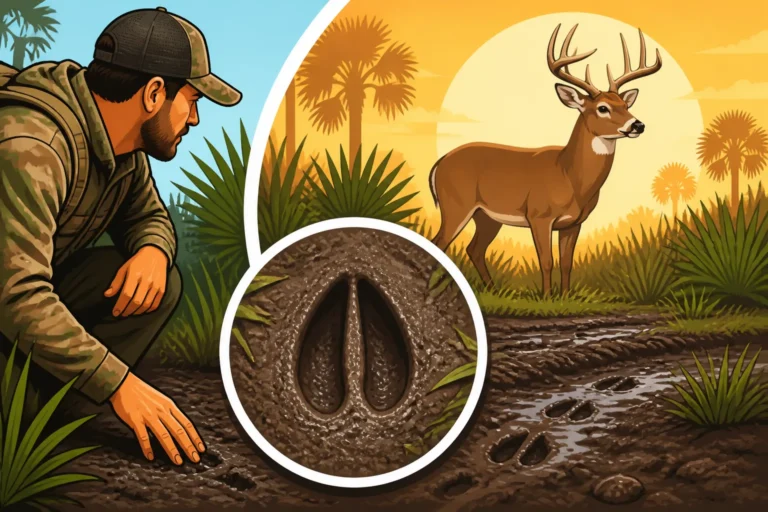
Look for areas with fresh rooting—the ground torn up as if a tractor plowed through it. This is a tell-tale sign of recent activity. Wallows, muddy depressions where hogs cool off and rid themselves of parasites, are another clear indicator, especially near water sources. Tracks, distinct cloven hooves, will be prevalent in soft soil or along trails. Don't overlook rubs on trees or fence posts, where boars mark their territory. Finally, their scat is another clue. Preferred habitats often include cypress swamps, oak hammocks, dense palmetto flatwoods, and the edges of agricultural fields. During the fall, focus on areas with abundant acorn crops, as these are a primary food source. For hunters learning to read the land, utilizing aerial photos, much like you would for deer as described in Reading Aerial Photos for Florida Deer, can help you identify these key habitat features from above, like dense cover next to open feeding areas or water.
Hunting Tactics for Success
Once you've located some hog sign, it's time to put a strategy into action. The specific tactic you choose will depend on the time of day, the terrain, and your personal preferences.
Still-hunting involves moving slowly and deliberately through the habitat, constantly scanning and listening for hogs. This works exceptionally well in dense cover like a Still-Hunting Florida Palmetto Flatwoods where hogs might be bedded down. The key is patience and an ability to spot small details – a flicking ear, a patch of black hide, or the subtle movement of palmetto fronds. Stand hunting over bait piles (on private land where legal) or natural food sources is another highly effective method. By patterning hogs coming to a consistent food source, you can intercept them from an elevated stand or a ground blind.
For those who enjoy the thrill of the chase, Dog Hunting Hogs in Florida is a long-standing tradition, primarily on private land. This involves using bay dogs to locate and hold hogs in place, allowing catch dogs and hunters to move in for the dispatch. This is a very active and often adrenaline-pumping method. And, as mentioned before, night hunting is incredibly productive since hogs are largely nocturnal, especially in warmer months. Using thermal optics or spotlights can give you a significant advantage during these hours. Regardless of the method, understanding hog behavior – their tendency to travel in sounders, their feeding patterns, and their escape routes – will significantly increase your success.
Processing and Utilizing Your Harvest
With no bag limit, you could potentially harvest a lot of meat! Knowing how to properly process your hogs is crucial for ensuring a quality meal.
Field dressing in Florida's often hot weather is a race against the clock. The sooner you can get the guts out and the carcass cooling, the better. Carry plenty of water to rinse out the cavity and keep your hands clean. For larger hogs, dragging them out of thick cover can be a real workout; consider bringing a game cart or even a small ATV if allowed. Just like with deer, understanding Field Dressing a Deer in Hot Weather provides excellent guidance. Once the hog is out, rapid cooling is paramount. Get it on ice quickly, or in a walk-in cooler if available. Butchering wild hog is similar to domestic pork, but the meat can be leaner and more robust in flavor. There are countless delicious recipes for Cooking a Wild Florida Hog, from slow-smoked pulled pork to pan-fried backstraps. Remember to cook wild hog thoroughly to at least 160°F to mitigate any potential health risks, especially from trichinosis.
Public vs. Private Land: Navigating Access and Rules
The choice between public and private land for hog hunting in Florida drastically changes the rules of engagement. Both offer unique opportunities and challenges.
Hunting Hogs on Florida WMAs
Hunting hogs on Florida's extensive Wildlife Management Area system can be incredibly rewarding, offering vast tracts of wild land and a genuine challenge. However, it requires careful attention to the FWC's specific regulations for each WMA. These regulations often mimic those for deer or other game species. For instance, during archery season, you're usually limited to archery equipment, even for hogs. During general gun season, rifles might be allowed. Always check the specific WMA's rules for legal weapons, hunting hours, and whether baiting is permitted (it rarely is on public land).
Many WMAs also operate under a quota hunt system, meaning you need to apply for and draw a permit to hunt during specific periods. Even if a WMA has "general gun" days, it's vital to confirm if those days allow for hog hunting and what the associated rules are. The FWC website offers an excellent Public Hunting Lands interactive map, and apps like GoHunt can overlay land boundaries and help you understand access points, although GoHunt's primary strength is often with Western states, its Florida mapping can still be useful for identifying general public land. Just ensure you're referencing official FWC documents for regulations. These regulations are in place to manage wildlife populations and hunting pressure effectively, and while they might seem restrictive compared to private land, they help ensure sustainable hunting for all species on public property.
Maximizing Opportunities on Private Land
If your primary goal is to take down as many hogs as possible without worrying about weapon restrictions, season dates, or bag limits, private land is where you want to be. The freedom here is unparalleled. With landowner permission, you can employ a much wider range of tactics.
Baiting hogs with corn or other attractants is legal and highly effective on private land, drawing in sounders and allowing for more consistent opportunities. As discussed, Trapping Feral Hogs on Florida Private Land is another highly efficient method, often used by landowners or professional trappers to significantly reduce hog populations. This involves setting up large traps designed to capture entire sounders. Night hunting with lights and thermal optics is also permitted, making it possible to target these nocturnal animals when they are most active. Many outfitters and hunting clubs lease large tracts of private land specifically for hog hunting, offering guided or semi-guided experiences where all these methods can be utilized. Getting access to private land often means networking, knocking on doors, or joining a hunting lease or club. The opportunities on private land are truly limitless when it comes to hog removal.
| Feature | Private Land Hunting | Public Land (WMA) Hunting |
|---|---|---|
| Hunting License | Not required for hogs | Required for hogs and other game |
| WMA Permit | Not required | Required |
| Bag Limit | None (unlimited) | None (unlimited) in most WMAs, but verify specific area rules |
| Closed Season | None (year-round) | Specific seasons apply (check WMA brochure) |
| Legal Weapons | Generally any legal firearm/archery (verify landowner rules) | Restricted to WMA-specific seasons (e.g., archery, gun) |
| Baiting | Legal | Generally prohibited (check WMA rules) |
| Night Hunting | Legal with artificial lights | Generally prohibited with artificial lights (check WMA rules) |
| Dog Hunting | Legal (with landowner permission) | Permitted only in specific WMAs and seasons |
| Access | Requires landowner permission | Open to public with required licenses/permits |
Disclaimer
Please remember that hunting regulations can change, and it is your responsibility to stay informed. Always consult the most current Florida Fish and Wildlife Conservation Commission (FWC) regulations before planning any hunting trip. This guide is for informational purposes only and should not be considered legal advice.