Which Shotgun Gauges Florida Allows for Deer
Trying to figure out which shotgun you can actually use for deer hunting in Florida can feel like navigating a maze of conflicting information, especially when you’re just trying to get ready for opening day. Nobody wants to show up to the woods with the wrong gear and risk a citation or, worse, an unsafe situation. This comprehensive guide is here to cut through the confusion and clearly lay out which shotgun gauges are legal for deer in the Sunshine State, so you can hunt with confidence and comply with all regulations.
Which Shotgun Gauges Florida Allows for Deer
Understanding the specific legal requirements for shotguns when deer hunting in Florida is crucial, not just for compliance but for effective and ethical hunting. The Florida Fish and Wildlife Conservation Commission (FWC) sets these rules with safety and humane harvest in mind, ensuring that hunters use appropriate firearms and ammunition for big game.
The Specifics of Legal Shotgun Gauges
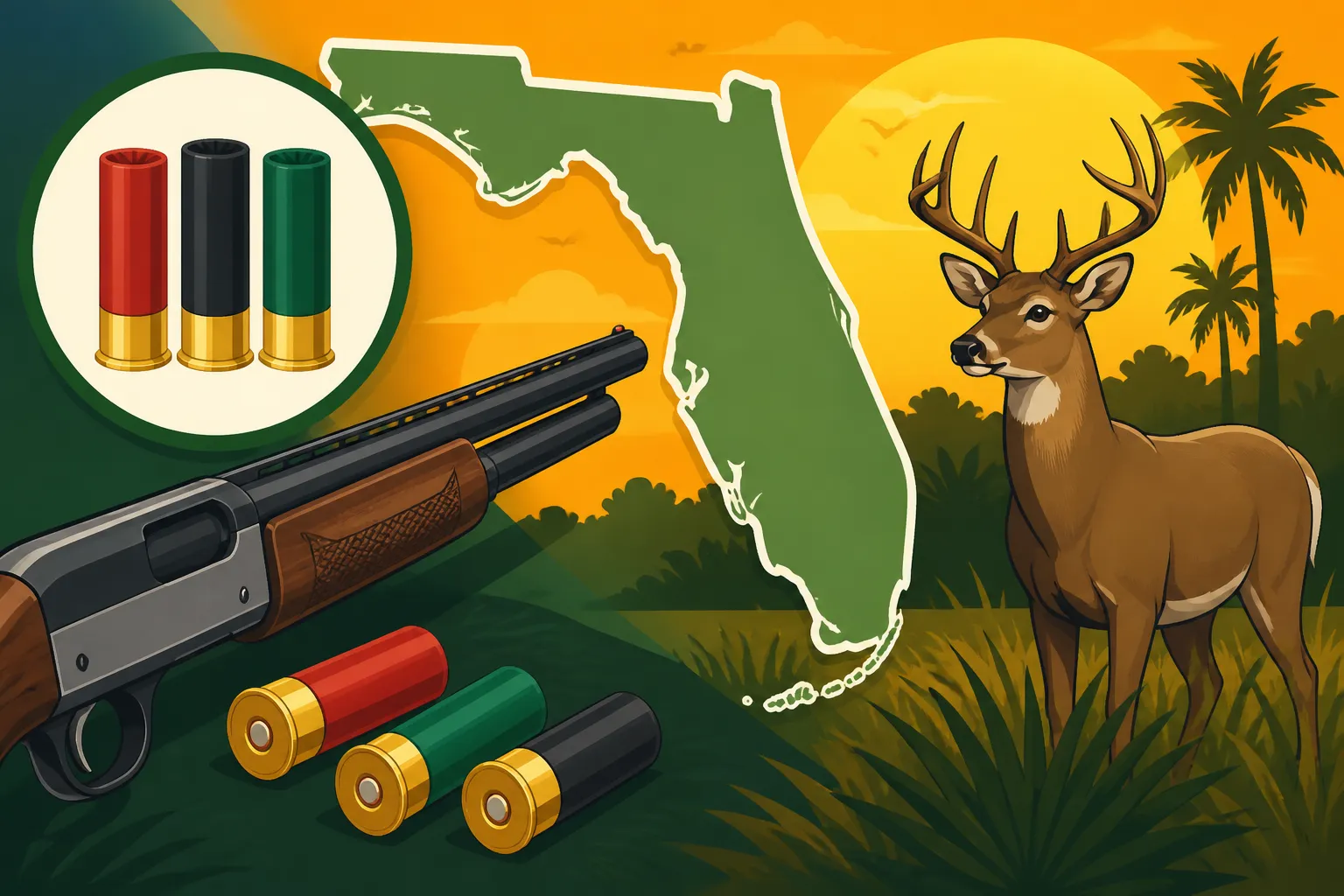
Florida's FWC regulations are quite clear, but sometimes people get lost in the details, or assume rules from other states apply. For deer, shotguns must be 10-gauge, 12-gauge, 16-gauge, or 20-gauge. You might be surprised that some of the smaller gauges like the .410 are not permitted for deer, even though they can be devastating on smaller game. The key here is the minimum energy required to ethically harvest a deer. The regulations are designed to ensure a clean, humane kill, which is something every responsible hunter strives for. It's not about making things difficult; it's about responsibility to the animal and the resource.
This means if you've got that reliable 12-gauge pump your grandad passed down, you're absolutely in business. The same goes for a 20-gauge, which many hunters, especially newer or younger hunters, prefer due to its lighter recoil and sufficient power for deer at reasonable distances. A 16-gauge is a bit less common these days but remains perfectly legal and effective. And for those who prefer serious stopping power, the 10-gauge is also an option, though you rarely see them in the deer woods anymore, as they are mostly reserved for waterfowl hunting. The flexibility in these choices allows hunters to pick a firearm that they can handle safely and accurately, which is paramount.
Remember, these gauges are specifically for shotguns firing single projectiles, not shotshells filled with birdshot. We're talking slugs here, or sometimes buckshot in specific, limited scenarios depending on the hunting area, but for general deer hunting in Florida, think slugs. If you're coming from another state where rifles are common for deer, or where specific rifle zones are the norm, Florida's often shotgun-only zones can be a bit of a transition. It really forces you to think about your effective range and shot placement, emphasizing precise, closer-range shooting.
It's always a good idea to double-check the latest Florida FWC regulations before heading out, as rules can sometimes be updated or clarified annually. A quick visit to their website or a call to a local FWC office can clear up any last-minute questions. This diligence ensures you're always hunting legally and ethically, giving you peace of mind in the field.
Understanding Shotgun Shell Types for Deer
Beyond the gauge of your shotgun, the type of ammunition you load into it is equally crucial for deer hunting in Florida. For deer, your shotgun must be loaded with single projectiles. This primarily means slugs. Slugs are solid projectiles designed to deliver maximum energy and penetration for a clean, quick kill on larger game like deer. They come in various designs, such as Foster slugs, Brenneke slugs, and saboted slugs, each with different performance characteristics tailored to different shotgun barrel types.
Now, about buckshot: while legal for deer in some states and under specific conditions in Florida, buckshot use is much more restricted for deer here. Generally, buckshot is not permitted for deer hunting on Wildlife Management Areas (WMAs) and most other public lands, with very few exceptions for specific hunt types or areas. On private lands, the rules can be a little more lenient, but it's still best practice to verify local ordinances and the FWC regulations. The intention behind restricting buckshot is to ensure a humane kill, as buckshot patterns can spread significantly, making clean, ethical shots harder to guarantee at typical deer hunting distances.
For anyone considering buckshot, it’s imperative to pattern your shotgun thoroughly at various distances to understand its spread. Buckshot has a much shorter effective range than slugs, usually under 40 yards, and even then, achieving dense, deer-killing patterns can be challenging. For hunters venturing out with their shotgun, focusing on slugs is the safest and most broadly accepted method for deer in Florida. Companies like Federal, Remington, and Winchester all make excellent deer slugs in the legal gauges, offering a wide array of choices for different shotgun types and preferences.
A word to the wise: always match your ammunition to your shotgun's barrel type. Smoothbore barrels typically perform best with Foster or Brenneke-style rifled slugs, which feature external rifling to stabilize them. Rifled barrels, either dedicated slug guns or those with rifled chokes, are designed for saboted slugs. Using the wrong slug type can significantly impact accuracy and even cause safety issues, so pay close attention to the manufacturer's recommendations on the ammunition box and your firearm's manual.
Why Florida's Regulations Matter for Deer Hunters
Florida's unique environment, coupled with its growing population, necessitates specific hunting regulations. These rules, particularly regarding firearms like shotguns for deer, aren't arbitrary; they are carefully considered to ensure safety, promote ethical hunting, and manage wildlife resources effectively.
Safety and Ethical Harvest Considerations
Florida's landscape is unique, often flat and dense with thick cover, but also interspersed with populated areas. The regulations concerning shotgun gauges and ammunition types are largely rooted in public safety. Unlike high-powered rifle rounds that can travel for miles across open terrain, shotgun slugs, while still dangerous, generally have a much shorter maximum range, especially when impacting vegetation or the ground. This significantly reduces the risk of stray projectiles traveling into residential areas or hitting unintended targets on busy public lands or WMAs.
Beyond safety, ethical harvest is a paramount concern for wildlife management. The goal is always to minimize suffering and ensure a quick, clean kill. Requiring specific gauges (10, 12, 16, 20-gauge) and single projectiles (slugs) helps achieve this by ensuring hunters use ammunition with sufficient energy and ballistic performance to humanely take down a deer. Using an undersized gauge or improper ammunition, like birdshot, dramatically increases the risk of wounding an animal without recovering it, which no responsible hunter ever wants.
This focus on ethical take aligns with the broader principles of conservation. When hunters demonstrate responsible practices, it strengthens public support for hunting and ensures the health of deer populations for future generations. It’s a collective responsibility, and understanding why these rules exist makes adherence much more meaningful than simply memorizing them. This emphasis on responsible hunting is a cornerstone of Florida Hunter Education Requirements, which all new hunters must complete.
Public Land Versus Private Land Nuances
Navigating Florida's hunting regulations isn't always a one-size-fits-all situation. The rules, especially concerning weapon types and ammunition, can sometimes differ subtly between public lands, such as Wildlife Management Areas (WMAs) or National Forests, and private lands. On many WMAs, you'll find strict adherence to shotgun-only zones for deer, often requiring slugs exclusively, to manage safety in areas with higher hunter densities or close proximity to trails and camping. If you're looking to hunt on a WMA, securing a Florida WMA Management Area Permit is usually step one, followed by a deep dive into that specific WMA's rules.
Private land, on the other hand, can sometimes offer more flexibility, though it's never a free-for-all. While rifles are generally permitted for deer on private lands (unless specifically prohibited by local ordinance or the landowner), hunters still have to adhere to statewide legal firearm requirements, which for shotguns means sticking to the legal gauges discussed. The key here is always asking for explicit permission and understanding the landowner's specific rules, which might be even stricter than state law. Never assume what's allowed.
The variance means you really need to do your homework depending on where you plan to hunt. A shotgun might be your go-to on a public WMA near Ocala, but if you're hunting a private tract in the Panhandle, a rifle might be an option. This is why tools like GoHunt, with its mapping features and regulation breakdowns, can be incredibly useful for hunters trying to keep all these different rules straight, whether you're planning a trip to Hunting Florida's Zone A Split Gun Season or targeting a specific WMA.
Beyond the Gauge: Important Shotgun Hunting Considerations
While knowing the legal gauges is fundamental, successful and enjoyable shotgun deer hunting in Florida involves much more than just compliance. Proper ammunition selection, continuous practice, and having the right supporting gear are equally important for a positive experience.
Ammunition Selection and Performance
Choosing the right slug for your shotgun and hunting situation is more critical than just grabbing any box off the shelf. As mentioned earlier, smoothbore barrels pair well with rifled slugs like Foster or Brenneke types, which feature external fins to help stabilize them. Rifled barrels, either dedicated slug guns with fully rifled barrels or those with rifled choke tubes, are designed for saboted slugs. These projectiles often have a plastic sabot that separates after leaving the barrel, allowing the slug itself to spin and fly more accurately, much like a rifle bullet.
The performance difference can be significant. A good rifled slug out of a smoothbore might be accurate enough for deer out to 75-100 yards, while a saboted slug from a fully rifled barrel can extend that effective range to 150 yards or even more for skilled shooters. This extended range makes a huge difference in open areas or across food plots, allowing you to cover more ground efficiently. However, in Florida's typically dense palmetto and oak hammocks, where shots are often close and quick, accuracy at shorter ranges is often more valuable than maximum reach.
Don't forget to test different brands and types of slugs in your specific shotgun. What shoots great in your buddy's Remington 870 might keyhole in your Mossberg 500. This trial and error at the range is crucial for confidence and accuracy in the field. Also, consider the terminal performance—how the slug behaves upon impact. Look for slugs designed specifically for deer, as they are engineered to expand or remain intact for maximum energy transfer and penetration on a whitetail, ensuring a quick and humane harvest.
Practice, Proficiency, and Shot Placement
Owning a legal shotgun and the right ammunition is only half the battle; knowing how to use it proficiently is the other, often overlooked, part. Shotgun slugs, particularly out of a smoothbore, can have a noticeable trajectory drop and require careful aiming, especially past 50 yards. Regular practice at the range is non-negotiable for anyone serious about ethical hunting. Shoot from various positions you might encounter in the field—off-hand, kneeling, leaning against a tree—to build muscle memory and confidence under different scenarios.
Understanding deer anatomy and aiming for the vital zone (heart and lungs) is absolutely critical for ethical shot placement. A broadside shot, aiming just behind the shoulder, offers the best chance for a quick, humane kill. While slugs pack a punch, they don't offer the same forgiveness for marginal hits that a high-velocity rifle bullet might. Every shot counts, especially when Hunting a Cypress Head at Last Light or trying to make a clean harvest under pressure.
Consider adding optics to your shotgun, especially if you plan to extend your effective range with a rifled barrel and saboted slugs. A low-power variable scope or a red dot sight can dramatically improve accuracy and allow for more precise shot placement compared to open sights, particularly in low light conditions common at dawn and dusk. This upgrade can transform a basic hunting shotgun into a much more capable deer-harvesting tool, allowing you to make more confident shots.
Essential Gear for Shotgun Deer Hunters
Beyond the firearm itself, a few other pieces of gear can make your Florida shotgun deer hunt more successful, safer, and certainly more comfortable. A good sling is essential for carrying your shotgun through dense cover, leaving your hands free for Scouting Florida Public Land Before Season or packing in your gear. Eye and ear protection are non-negotiable for range time and highly recommended for the field, especially with the louder report of shotgun slugs, ensuring your safety and long-term hearing health.
For those still-hunting or sitting patiently, a comfortable hunting vest or backpack that allows easy access to ammunition and calls is invaluable. If you're Using a Ground Blind on Florida Public Land, make sure it's brushed in well and offers clear shooting lanes for your shotgun's effective range. Mapping tools, like those offered by GoHunt, can help you identify prime locations, understand the terrain when Reading Aerial Photos for Florida Deer, and navigate efficiently, which is vital when planning your approach and escape routes.
Lastly, proper field dressing and game recovery gear are crucial, particularly in Florida's warm climate. A sharp knife, sturdy game bags, and perhaps a small tarp or dragging sled can make the difference between spoilage and delicious venison. Knowing the Florida Deer Reporting Requirements and having a plan for Field Dressing a Deer in Hot Weather are just as important as the gun you carry, ensuring you respect your harvest and comply with state rules.
Navigating Florida's Hunting Zones and Seasons
Understanding Florida's deer hunting regulations requires more than just knowing what gun to use; it also means knowing when and where you can use it. The state's diverse geography leads to distinct hunting zones, each with its own season framework, which you'll need to consider when planning your shotgun deer hunt.
How Regulations Vary by Zone and Season
Florida isn't just one big hunting ground; it's divided into four distinct deer management zones—A, B, C, and D—each with its own specific season dates and, sometimes, unique regulations. While the legal shotgun gauges (10, 12, 16, 20-gauge) remain consistent statewide, the application of these rules can vary based on the zone and specific season (e.g., archery, muzzleloader, general gun). For example, during general gun season, shotguns are a primary weapon choice, but during archery season, very different Legal Weapons During Florida Archery Season apply.
Understanding Florida's Four Deer Management Zones Explained is fundamental for any hunter planning a deer hunt. Zone A, primarily in the southwest, has some of the earliest openings, while Zone D, in the Panhandle, follows a more traditional fall/winter schedule. These zone distinctions often dictate when you'll be putting your shotgun to use. Always consult the most current FWC hunting regulations handbook for the specific zone and season you plan to hunt; dates and rules can shift slightly year to year.
The good news is that for shotgun users, the legal gauges are fairly universal across these zones for general gun seasons. The primary changes you'll encounter will relate to when you can use that shotgun, not which gauges are permitted. This consistency simplifies weapon choice somewhat, allowing hunters to invest in a reliable shotgun knowing it will be legal across various areas and seasons for deer, providing a consistent tool in your hunting arsenal.
The Importance of Checking Local WMA Rules
While statewide regulations provide a baseline, Wildlife Management Areas (WMAs) often have additional, more specific rules that supersede or add to the general regulations. This is particularly true for weapon types and ammunition. Many WMAs are shotgun-only or even bow-only to manage hunter density, ensure safety, and cater to specific habitat types. You might find a WMA that allows buckshot in one area but prohibits it entirely in another, or a WMA that limits magazine capacity for shotguns, so a deep dive into the specific WMA regulations is paramount.
Before you ever set foot on a WMA, you must check the current WMA-specific regulations. These are typically available on the FWC website, often as downloadable PDFs for each specific area. Neglecting to do so can lead to citations, fines, and even the loss of hunting privileges. This due diligence is part of being a responsible hunter and ensuring you have a positive, legal, and safe experience on public land.
For instance, when utilizing digital mapping tools or scouting your chosen area, pay close attention to the WMA's specific unit boundaries and any special weapon restrictions noted. Sometimes, adjacent units within the same WMA might have different rules. It's a bit of extra work, and can be frustrating to keep track of, but it's absolutely essential for staying legal and safe, preventing an oversight from ruining your carefully planned hunt, especially when Hunting Deer After a Cold Front when you're focused on the game.
Legal Shotgun Gauges for Florida Deer Hunting
| Gauge | Common Ammunition Type | Recommended Use | Smoothbore Effective Range (yards) | Rifled Barrel Effective Range (yards) |
|---|---|---|---|---|
| 10-Gauge | Slugs (Foster, Sabot) | Large game, limited use for deer | 75-100 | 125-175 |
| 12-Gauge | Slugs (Foster, Brenneke, Sabot) | Most popular deer choice | 75-100 | 125-175+ |
| 16-Gauge | Slugs (Foster, Brenneke) | Less common, still effective | 60-85 | 100-150 |
| 20-Gauge | Slugs (Foster, Brenneke, Sabot) | Lighter recoil, youth/smaller hunters | 60-85 | 100-150+ |
| .410-Gauge | Slugs (Limited options) | NOT LEGAL FOR DEER IN FL | N/A | N/A |
Note: Buckshot is generally prohibited for deer on most Florida WMAs and public lands. Always verify specific area regulations, as exceptions are rare but can exist.
Disclaimer
The information provided in this guide is for informational purposes only and is not a substitute for checking the official Florida Fish and Wildlife Conservation Commission (FWC) regulations. Hunting laws and regulations can change, and it is the hunter's responsibility to ensure compliance with all current state and local rules before participating in any hunting activity.