Florida’s Reinstated Bear Hunting Season
The conversation around bear hunting in Florida has been a real rollercoaster for many years, full of passionate debates and changing regulations that can leave even the most seasoned hunter scratching their head. It's tough to keep up when seasons open, then close, then reopen with new rules. This guide is here to cut through the confusion and give you a crystal-clear understanding of Florida's reinstated black bear hunting season, from its contentious history to how you can legally and ethically participate.
The Long Road to Reinstatement for Florida Black Bears
It wasn't that long ago that Florida's black bear population was a real concern, with numbers dwindling to critical levels. Thanks to dedicated conservation efforts over decades, these magnificent animals have made an incredible comeback, leading to both celebration and, for some, new challenges. When the Florida Fish and Wildlife Conservation Commission (FWC) proposed reinstating a bear hunt after more than 20 years, it sparked a firestorm of discussion across the state, highlighting the complex relationship between wildlife management and public sentiment.
From Endangered to Abundant: A Conservation Success Story
Back in the 1970s, Florida's black bear population was estimated to be only a few hundred individuals, largely due to habitat loss and unregulated hunting. They were placed on the state's threatened species list, leading to a complete ban on hunting and intensive management strategies. What followed was a remarkable success story. Through habitat protection, underpasses for safer road crossings, and public education, bear numbers steadily climbed. Today, the latest estimates suggest a thriving population well into the thousands, with bears expanding their range into areas they haven't occupied in generations. This rebound, while fantastic for the species, inevitably led to more human-bear interactions, which became a significant factor in reconsidering management strategies.
Addressing Human-Bear Conflicts and Public Safety
As bear numbers grew and their territories expanded, so too did encounters with people. We've all heard the stories, or maybe even experienced them ourselves: bears raiding trash cans, breaking into screen porches, or even wandering through suburban neighborhoods. These incidents, while often non-aggressive, cause understandable concern for public safety and property damage. The FWC began to view a limited, regulated hunting season as one tool, among many, to help manage these conflicts, reduce nuisance bear populations in specific areas, and slow their growth in places where interactions were becoming too frequent. It wasn't just about hunting; it was about trying to balance a thriving bear population with the safety and peace of mind of Florida residents. The goal was never to decimate the population, but to responsibly manage it, which is often a difficult tightrope walk for any wildlife agency.
Decoding Florida's Bear Management Zones
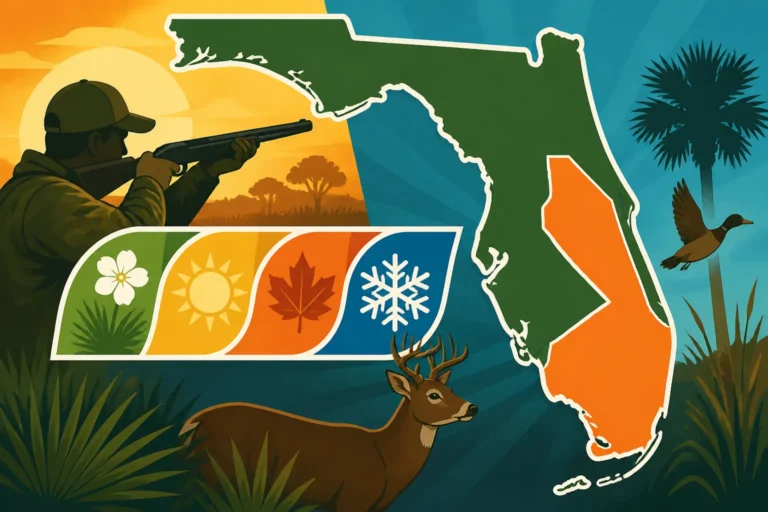
Just like with deer, where you have distinct zones for hunting like Florida's Four Deer Management Zones Explained, Florida isn't treated as one big, uniform area when it comes to bear management. The state is divided into specific Bear Management Units (BMUs), each with its own population estimates, habitat characteristics, and, crucially, specific hunting regulations and quotas. Understanding these zones is absolutely critical because where you can hunt, and the likelihood of drawing a permit, will vary dramatically based on these distinctions.
Bear Management Units and Their Unique Characteristics
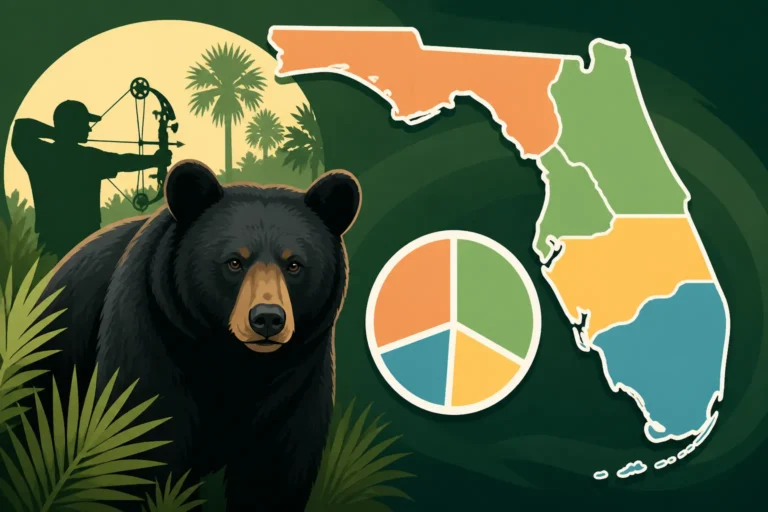
Florida currently has seven designated Bear Management Units: Apalachicola, Baker, Eglin, North Central, Osceola, St. Johns, and South. These units aren't just arbitrary lines on a map; they represent areas with distinct bear populations, habitat types, and human development levels. For instance, the Apalachicola BMU in the Panhandle, home to a robust population, might have different dynamics than the St. Johns BMU, which covers more fragmented habitats closer to denser human populations. Each unit has its own management goals, often reflecting the unique challenges and opportunities for bear conservation and hunting within that specific region. This localized approach allows FWC to tailor its strategies, ensuring that the hunt is sustainable and effective in addressing local bear issues without impacting the statewide population negatively.
Where Hunting is Permitted and Quota Allocation
Not all BMUs are open to hunting every year, and even within open units, specific WMAs or private lands may have different regulations. The FWC determines which units will be open based on scientific data, population assessments, and an evaluation of human-bear conflicts. For instance, in recent seasons, hunting has often been focused on the Panhandle (Apalachicola, Baker, Eglin) and North Central BMUs, which tend to have larger, more stable populations. Each open BMU is assigned a specific quota, representing the maximum number of bears that can be harvested. This quota, typically determined through extensive research and modeling, is a hard cap – once it's met or projected to be met, the season in that BMU closes immediately, even if it's before the scheduled end date. This ensures that the harvest remains well within sustainable limits and directly reflects Florida's One-Hundred-Eighty-Seven Bear Quota or whatever the current limit might be. It’s imperative for hunters to constantly check FWC updates on harvest numbers during the season.
Navigating the Florida Bear Permit Application Process
So, you've done your homework, understand the zones, and you're ready to try for a bear permit. Let me tell you, it's not like walking into a store and buying a deer tag. The bear permit system is a lottery, designed to control harvest numbers strictly and allocate limited opportunities fairly. This process can be a little intimidating, especially if you're new to applying for quota hunts, but with a clear understanding of the steps, you can increase your chances of participation.
The Application Window and Lottery System
The application period for Florida bear permits typically opens a few months before the season itself, often in early summer. It's a relatively short window, so marking your calendar is crucial. All applications must be submitted online through the FWC website. This isn't a first-come, first-served situation; it's a true lottery. Everyone who applies within the window has an equal chance of drawing, regardless of when they submit their application. It's similar to applying for other limited entry hunts, and tools like GoHunt can be invaluable for keeping track of these critical dates and even analyzing draw odds if they provide such data for Florida. Remember, you'll need a valid Florida hunting license before you can even apply for a bear permit. The cost for the bear permit itself is separate from your base hunting license and varies for residents and non-residents. Keep a close eye on the FWC's official publications for the precise Florida Bear Permit Application Window each year.
Increasing Your Odds and Understanding Preference Points
Unfortunately, there's no secret trick to guarantee a bear permit in Florida's lottery system. However, the state does implement a preference point system, which can slightly improve your odds over time. For every year you apply for a bear permit but don't draw one, you typically accumulate a preference point. These points are then factored into subsequent lottery draws, giving you a statistical advantage over applicants with fewer points. It's a way to reward persistent hunters who keep trying. This doesn't mean you'll automatically draw with enough points; it just means you're in a slightly better position. Understanding Florida Bear Permit Lottery Odds is helpful, but ultimately, it still comes down to the luck of the draw. Many veteran hunters I know religiously apply every year, even if they can't hunt, just to build up those preference points for a better chance in the future. It's a long-term game, but it's often the only way to eventually get your name called.
Essential Regulations for Bear Hunting in Florida
Once you've secured that coveted bear permit, the real work begins. But before you even think about stepping into the woods, you need to be absolutely crystal clear on all the regulations. Florida's bear hunting rules are specific, and designed to ensure a safe, ethical, and sustainable hunt. Ignorance of the law is never an excuse, and violating these rules can lead to serious penalties, not to mention jeopardizing the future of the season for everyone.
Legal Weapons, Ammunition, and Caliber Requirements
Florida has strict requirements for what you can use to hunt bears. Generally, legal firearms include rifles, shotguns, muzzleloaders, and bows or crossbows. For rifles, you're usually looking at centerfire calibers of .30 caliber or larger, ensuring enough knockdown power for a clean, ethical kill. Shotguns must be 20-gauge or larger, loaded with slugs – buckshot is almost never permitted for big game like bear. Muzzleloaders typically need to be .40 caliber or larger. Archery equipment has its own specifications regarding draw weight and broadhead types, usually mandating fixed-blade or mechanical broadheads with specific cutting diameters. It's important to consult the FWC's latest regulations booklet for the exact specifications, as these can be updated. For instance, Minimum Bullet Diameter for Florida Rifles applies here, as does the rule for Which Shotgun Gauges Florida Allows for Deer, often mirroring or being more restrictive for bear. Using bait for bears is strictly prohibited, as is the use of dogs (though dog hunting for other species is allowed in Florida, it's not for bears). Understanding these details is paramount for a legal hunt.
Hunting Hours, Bag Limits, and Season Length
The bear hunting season in Florida is notoriously short, often lasting only a few days, and sometimes even less if a BMU quota is met quickly. This is a critical point that differentiates it from longer deer or hog seasons. Hunting hours are generally from a half-hour before sunrise to a half-hour after sunset, consistent with most big game hunting in the state. However, always double-check the specific regulations for the year, as these can occasionally change. The bag limit is extremely restrictive: one bear per permit holder, per season. This is a statewide limit, meaning even if you could hypothetically hunt in two different BMUs, you can only harvest one bear. Once you harvest a bear, your season is over. The FWC closely monitors harvest numbers, often providing real-time updates during the season. If a BMU approaches its quota, it can be closed with as little as 12 hours notice, which means hunters must be vigilant. Knowing Florida Bear Season Length in Days and understanding Florida Bear Hunting Hours is non-negotiable for a successful and legal hunt.
Ethical Hunting Practices and Bear Safety
Hunting isn't just about pulling a trigger; it's about responsibility, respect for the animal, and ensuring your actions reflect positively on the entire hunting community. When it comes to bears, ethical practices and safety considerations take on an even greater importance due to the animal's size, strength, and the intense public scrutiny surrounding bear hunting.
Fair Chase and Responsible Hunter Behavior
The principle of fair chase is at the heart of ethical hunting. This means giving the animal a reasonable chance to escape and avoiding methods that give the hunter an unfair advantage. In Florida's bear season, this translates to strict prohibitions against baiting and hunting over food plots specifically for bears. It also means actively tracking and recovering any wounded animal, no matter how difficult the terrain. A responsible hunter ensures a quick, clean kill by knowing their weapon, understanding shot placement, and waiting for the right opportunity. Furthermore, respecting private property boundaries, adhering to all WMA rules if hunting public land, and properly disposing of any waste or trash are all part of being a responsible ambassador for hunting. Resources available through FWC and organizations like the National Rifle Association offer comprehensive hunter education, covering these critical aspects. Many experienced hunters use mapping software like GoHunt to understand property boundaries and public land access points, which is invaluable for staying within legal hunting areas and practicing respectful hunting.
Minimizing Risks and Ensuring Personal Safety in Bear Country
While Florida's black bears are generally not aggressive, they are powerful wild animals, and caution is always warranted. When hunting in bear country, especially in areas like the Apalachicola National Forest or parts of the Ocala National Forest, always be aware of your surroundings. Carry bear spray and know how to use it. Make noise while walking to avoid surprising a bear, particularly if you're alone. Field dressing a bear can also present risks; be prepared for the size and weight of the animal, and process it quickly to avoid attracting other bears or scavengers. If you encounter a bear, never approach it, especially if cubs are present. Make yourself look big, make noise, and back away slowly. Proper food storage at camp and secure disposal of game waste are also crucial to prevent conditioning bears to associate humans with food, which can lead to dangerous encounters later.
After the Harvest: Reporting and Processing Your Bear
Harvesting a bear is a unique experience, but the work doesn't stop once the animal is down. There are very specific reporting requirements and practical steps you need to take immediately after a successful hunt to ensure legality and proper meat and hide care. Skipping any of these steps can lead to penalties and compromise the quality of your trophy and meat.
Mandatory Checking and Biological Data Collection
This is perhaps the most critical post-harvest step. In Florida, all harvested bears must be reported to the FWC and checked at a designated bear check station within a specific timeframe, typically 12 hours. This isn't just a formality; it's vital for biological data collection. FWC staff at these stations will collect important information such as sex, weight, and a premolar tooth for aging the bear. This data is indispensable for the FWC to monitor the bear population, assess the health of the herd, and make informed management decisions for future seasons. They'll also apply a CITES tag if required, which is crucial for legal interstate or international transport of bear parts. You cannot quarter, skin, or dismember your bear before it has been checked at an official FWC station. This rule ensures the integrity of the biological data.
Field Dressing, Meat Care, and Trophy Preservation
Once your bear is harvested and, if allowed, you've moved it to a suitable location for field dressing, proper care is essential, especially in Florida's warm climate. Bears have a thick layer of fat, and their body heat needs to dissipate quickly to prevent spoilage. Gutting the bear promptly is paramount. You'll need a sharp knife, gloves, and a plan for disposal of the entrails. Once field-dressed, if you can't get it to a check station immediately, try to cool the carcass as much as possible with ice. For the meat, skinning and butchering should happen as soon as possible. Bear meat can be excellent if handled correctly, but it's often richer and requires different cooking methods than deer. Many hunters opt for grinding it into sausage or stew meat. For trophy preservation, whether it's the hide for a rug or the skull for a European mount, getting it cooled and to a taxidermist promptly is key. Improper handling can lead to hair slippage on the hide or damage to the skull.
The Future Trajectory of Florida's Bear Hunting Season
The reinstatement of Florida's bear hunting season has been, and continues to be, a dynamic issue. It’s not a static decision, but rather one that the FWC evaluates regularly based on data, public input, and changing environmental conditions. Understanding this ongoing process is key to appreciating the complexities of wildlife management in a densely populated state like Florida.
Ongoing Population Monitoring and Management Adjustments
The FWC is committed to the sustainable management of Florida's black bear population. This means continuous monitoring of bear numbers, distribution, and health through various scientific methods, including den studies, capture-mark-recapture programs, and harvest data collected at check stations. Should these studies indicate a significant decline in bear numbers, or if human-bear conflicts shift dramatically, the FWC has the authority to adjust or even temporarily suspend the hunting season. This adaptive management approach is designed to ensure the long-term health of the bear population while also addressing public safety concerns. Discussions often revolve around Florida Bear Population by Subpopulation Zone, which allows for granular management.
Public Opinion, Policy Debates, and Conservation Outreach
Beyond the biological data, public opinion plays a significant role in the ongoing discussions about Florida's bear hunt. There are strong voices on both sides—those who advocate for hunting as a necessary management tool and those who oppose it on ethical or conservation grounds. These debates often influence policy decisions and can lead to public protests or legislative action. The FWC, along with conservation groups and hunting organizations, engages in extensive outreach and education to inform the public about bear biology, responsible living in bear country, and the role of hunting in modern wildlife management. It’s a constant effort to bridge gaps in understanding and find common ground. The future of bear hunting in Florida will undoubtedly continue to be shaped by this interplay of science, policy, and public sentiment, making it a truly living and evolving issue.
Responsible Engagement with Florida's Wildlife
Hunting, when done correctly, is a powerful tool for conservation and an age-old tradition that connects us deeply to the natural world. It demands respect for the animals, adherence to regulations, and an ongoing commitment to ethical behavior. As Florida's black bear population continues to thrive, our responsibility as stewards of the land and its wildlife only grows.
Supporting Bear Conservation Beyond Hunting
Even if you don't hunt bears, or if you're simply interested in their well-being, there are numerous ways to contribute to bear conservation in Florida. Supporting organizations dedicated to habitat preservation, participating in community programs that educate residents about living in bear country, and advocating for policies that reduce human-bear conflict (like bear-resistant trash cans) are all vital. Your actions, big or small, can help ensure that Florida's black bears continue to flourish for generations to come. Programs focused on habitat restoration or maintaining wildlife corridors are particularly important in a developing state.
The Role of Hunter Education in Wildlife Stewardship
For those who choose to hunt, hunter education is not just a legal requirement but a fundamental aspect of becoming a responsible wildlife steward. Florida requires Florida Hunter Education Requirements for most hunters, and these courses cover not only safety and regulations but also wildlife biology, ethical hunting practices, and the importance of conservation. An educated hunter understands their impact and strives to be a positive force in the ecosystem. This holistic approach ensures that hunters are not merely participants in a season, but active contributors to the health and sustainability of Florida's diverse wildlife populations.
Disclaimer
The information provided in this guide is for informational purposes only and is based on general regulations and common practices. Hunting regulations, season dates, and permit requirements in Florida can change annually. It is the hunter's sole responsibility to consult the most current official regulations published by the Florida Fish and Wildlife Conservation Commission (FWC) before participating in any hunting activity. Failure to comply with FWC regulations can result in penalties.