Florida’s Osceola and Eastern Turkey Zones
If you’ve ever dreamed of a Grand Slam, or just experiencing some truly unique turkey hunting, Florida is probably high on your list. But let's be honest, figuring out the specific zones, distinguishing between our two distinct subspecies, and understanding how the season dates apply can feel like trying to untangle a fishing line after a strong gust of wind. It’s not as straightforward as just "turkey season." This comprehensive guide is here to unravel all those complexities, walking you through everything you need to know about Florida's Osceola and Eastern turkey zones, from bird identification to regulations and the best hunting tactics.
Understanding Florida's Unique Turkey Hunting Experience
Florida offers a turkey hunting adventure unlike almost anywhere else in the country, primarily because it's home to two distinct wild turkey subspecies: the highly sought-after Osceola and the more widespread Eastern. Many hunters from across the globe make the pilgrimage here, especially for the chance at an Osceola, which is exclusive to our peninsula. But it’s not just about the birds; it’s about the entire experience in Florida’s diverse and often challenging ecosystems.
The Allure of Florida's Wild Turkeys for Hunters
For many, Florida represents the pinnacle of turkey hunting – not just a chance to fill a tag, but to complete a significant achievement in the world of wild turkeys. The Osceola, often considered the toughest leg of the Grand Slam (which also includes the Eastern, Rio Grande, and Merriam's subspecies), draws hunters from far and wide. This pursuit isn't just about bagging a bird; it's about connecting with a truly wild animal in an environment that often feels primordial. From the deep cypress swamps to the palmetto flatwoods, hunting here forces you to adapt, to listen, and to truly become part of the landscape. The gobble of an Osceola resonating through a foggy swamp at dawn is a sound that hooks hunters for life, a testament to the wildness that still thrives here.
Differentiating Between the Osceola and Eastern Subspecies
While both are wild turkeys, the Osceola and Eastern subspecies have distinct differences that are crucial for hunters to understand, not just for identification but also for understanding their behavior and habitat preferences. The Osceola, also known as the Florida wild turkey, is generally smaller and darker than its Eastern cousin, with less white on its wing barring. Its primary wing feathers will show more black and iridescent green-purple barring, while the Eastern's will have more pronounced white and black bands. Tail feathers on an Osceola are typically dark with brownish tips, often without the chestnut or buff tips you see on the Eastern. Observing these subtle color differences, particularly in the wing and tail feathers, is key to positively identifying your quarry and confirming you're in the correct zone. Understanding these nuances is part of what makes Osceola Turkey Range and Genetics such a fascinating topic for dedicated hunters.
Navigating the Sunshine State's Distinctive Turkey Habitat
Florida's varied ecosystems play a huge role in how and where these turkeys live. The habitats range from dense pine flatwoods and cypress swamps to expansive oak hammocks and palmetto scrub. Each environment presents its own set of challenges and opportunities for hunters. In the central and southern parts of the state, where Osceolas roam, you might find yourself wading through knee-deep water in a cypress slough or navigating thick palmetto heads that seem impenetrable. Up in the Panhandle, the Eastern turkeys prefer the more traditional mixed pine and hardwood forests, similar to what you’d find in Georgia or Alabama. The sheer diversity means your scouting, calling, and setup strategies need to be incredibly adaptable. It's not just about the bird; it's about the unique Florida wilderness you find yourself in, which can be both beautiful and brutal.
Deciphering the Osceola Turkey Zone
The Osceola turkey is the crown jewel for many turkey hunters, an iconic bird found only on the Florida peninsula. Its distinct coloration and challenging nature make it a prized target, but successfully hunting an Osceola requires a deep understanding of its characteristics, its specific geographic range, and the unique regulations surrounding its pursuit.
Key Characteristics and Behavior of the Osceola Gobbler
Osceola gobblers are often described as warier and more elusive than their Eastern counterparts, a reputation well-earned. They are typically smaller in body size, with adult gobblers weighing anywhere from 12 to 18 pounds, though bigger ones are certainly taken. Their iridescent black bodies shimmer with green and reddish-purple highlights under the Florida sun. The key identifier, as mentioned, is the lack of prominent white barring on their wing feathers. Instead, you'll see more dark, uniform barring. Their vocalizations can also differ; while they gobble robustly, they can also be notoriously tight-lipped, especially when pressured. Their home ranges tend to be smaller, and they are incredibly adept at navigating thick cover, often using dense palmetto or cypress heads to evade detection. When pursuing these birds, patience and stealth are paramount, as they can pinpoint the slightest unnatural movement or sound. Learning tactics like Calling an Osceola Off the Roost can make all the difference on a tough morning hunt.
Pinpointing the Geographic Range of True Osceolas
The "Osceola Zone" isn't just a regulatory boundary; it represents the native range of this unique subspecies. Generally, Osceolas are found south of a line that roughly runs from Jacksonville in the northeast to Cedar Key on the Gulf Coast. This includes the vast majority of peninsular Florida. It's critical for hunters to understand that outside of this specific region, you are likely encountering Eastern turkeys, even if they share some physical similarities. Some of the prime Osceola country includes sprawling cattle ranches, vast pine plantations, and public lands like the Green Swamp Wilderness Preserve or the Kissimmee Chain of Lakes region. Using scouting tools like GoHunt can be invaluable here, allowing you to pour over satellite imagery, identify potential roost sites, and mark areas of accessible public land or private properties where you might secure permission. Knowing the exact Where the Osceola and Eastern Turkey Zones Divide is crucial to avoid mistakenly hunting the wrong subspecies or being out of compliance.
Permitting and Licensing for Osceola Hunting
Hunting Osceola turkeys, like any other game in Florida, requires the appropriate licenses and permits. You'll need a Florida hunting license, of course, and typically a Florida turkey permit. For non-residents, these costs can add up, so it’s wise to plan ahead. There's no separate "Osceola Permit" per se, but the turkey permit generally covers both subspecies within their respective zones and seasons. However, special quota permits might be required for certain Wildlife Management Areas (WMAs) in the Osceola zone, which are often highly sought after and require application well in advance. Always check the current FWC regulations booklet or website for the most up-to-date information on costs and application periods. For example, some WMAs might have extremely limited hunting days or require successful lottery applications, adding another layer of complexity to your hunt planning. Understanding the Florida Osceola Zone Turkey Permit Rules is fundamental before you even think about setting foot in the woods.
Exploring the Eastern Turkey Zone in Florida's Panhandle
While the Osceola often gets the spotlight, the Eastern wild turkey population in Florida's Panhandle offers fantastic hunting opportunities for those who appreciate the classic gobbler. These birds, genetically similar to their counterparts across the southeastern U.S., provide a different, yet equally rewarding, challenge within Florida's diverse landscapes.
Identifying the Eastern Subspecies in Florida
Florida's Eastern turkeys are generally larger and more robust than Osceolas, with mature gobblers often tipping the scales at 18-25 pounds. Their plumage is also distinct: while they share the iridescent body feathers, the Eastern has prominent, alternating bands of black and white on its primary wing feathers. This "white barring" is the most reliable visual cue for differentiation in the field. The tips of their tail feathers are typically a chestnut or buff color, in contrast to the darker, brownish tips of the Osceola. Their gobble is strong and resonant, and their behavior, while still cautious, can sometimes be a bit more responsive to aggressive calling sequences, especially in less pressured areas. However, don't mistake their traditional appearance for an easy hunt; these Panhandle gobblers are just as wily as any other Eastern, and adapting to their specific habits in pine forests and hardwood bottoms is crucial.
The Panhandle's Eastern Turkey Territory
The Eastern turkey in Florida is primarily found in the Panhandle region, roughly north and west of the imaginary line that defines the Osceola zone. This includes counties from Escambia in the west, stretching east through areas like Gadsden, Leon, Liberty, and across to Baker and Columbia counties. The habitat here is often characterized by expansive pine plantations, mature hardwood hammocks, agricultural fields, and river bottomlands – environments that closely resemble classic Eastern turkey country found in neighboring states. Public lands such as the Apalachicola National Forest and various WMAs in the Panhandle offer significant access for hunters. These areas provide excellent opportunities for pursuing Easterns, though scouting pressure can be high. Utilizing advanced mapping platforms like GoHunt can help you pinpoint overlooked pockets of habitat and identify access points that might see less traffic, giving you an edge in these popular hunting grounds. Diving into Eastern Turkey Range in the Panhandle can give you even more insights into these birds' preferred locales.
Regulations and Permits for Eastern Zone Hunts
Just like for Osceolas, hunting Eastern turkeys in Florida's Panhandle requires a valid Florida hunting license and a Florida turkey permit. The general turkey permit covers hunting in the Eastern zone during its designated season. However, as with the Osceola zone, many popular public lands, particularly WMAs, may operate under a quota permit system. These quota hunts are often awarded through a lottery drawing, and application periods usually occur months before the season opens. It's paramount to be aware of these specific WMA regulations, as showing up without the proper quota permit can lead to disappointment and potential fines. Always double-check the FWC hunting regulations handbook for the specific WMA you plan to hunt to confirm all permit requirements, season dates, and bag limits. The Florida Eastern Spring Season Dates are often slightly different from the Osceola zone, so paying close attention to these details is critical.
Mapping Florida's Turkey Zone Boundaries
Understanding the precise geographical lines that separate the Osceola and Eastern turkey zones is not just an academic exercise; it's a fundamental requirement for legal and ethical hunting in Florida. Misidentifying your location or the subspecies you're pursuing can lead to significant issues.
The Official Line: Where Osceola Meets Eastern
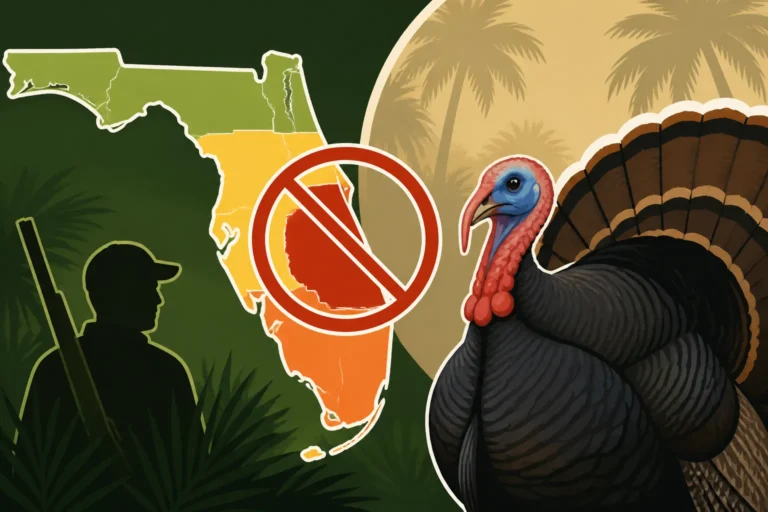
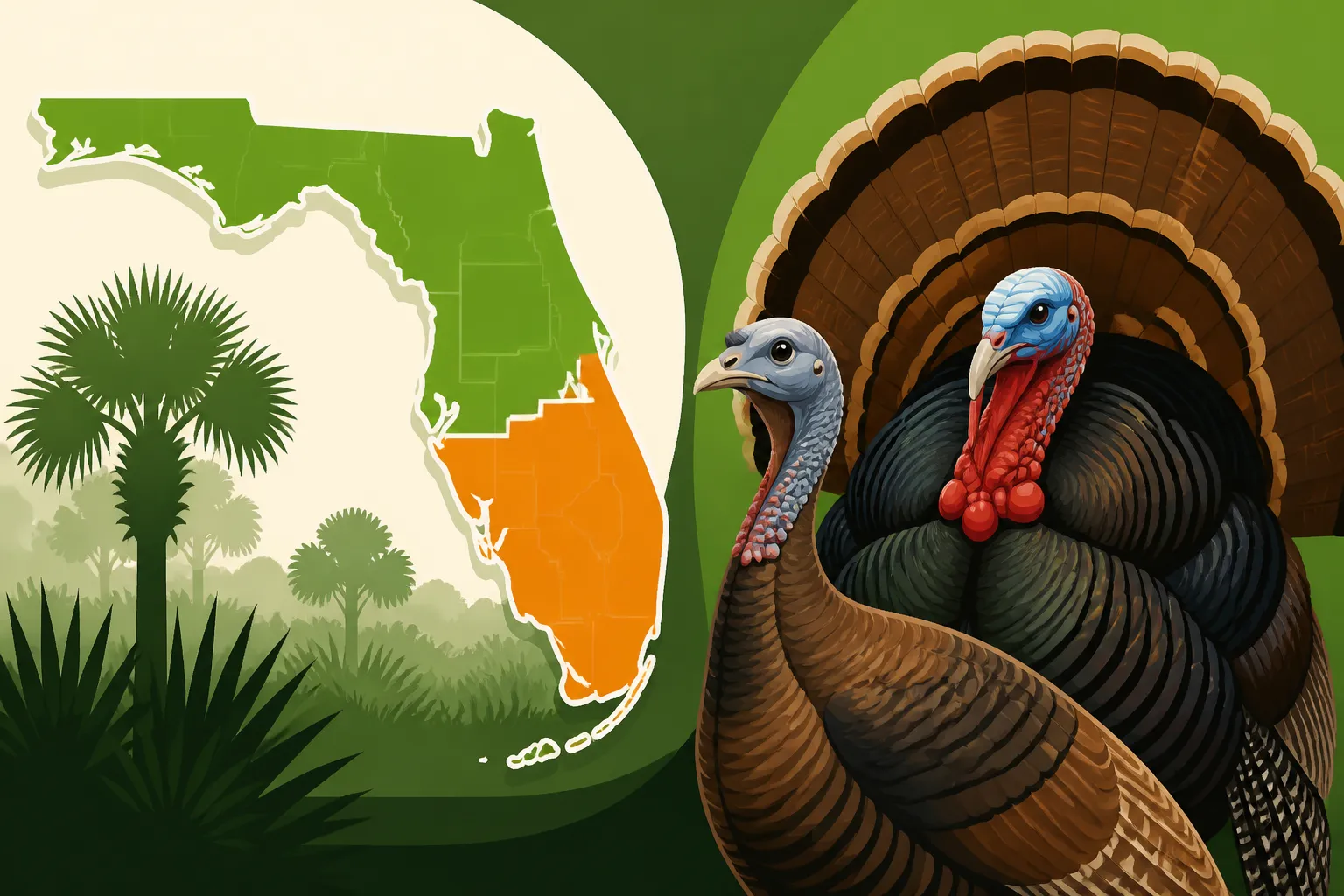
The Florida Fish and Wildlife Conservation Commission (FWC) designates a clear boundary line that separates the Osceola and Eastern turkey zones. This line is generally understood to follow the Suwannee River east to I-75, then south on I-75 to I-10, then east on I-10 to the St. Johns River, and finally south along the St. Johns River. However, for precise legal definitions, it’s always best to consult the current FWC hunting regulations map. This line isn't just a casual demarcation; it represents the scientific and genetic separation recognized by wildlife biologists. Hunting on one side of this line requires you to identify the bird as belonging to that zone's subspecies. For those attempting a Grand Slam, crossing this boundary intentionally to bag an Osceola after hunting an Eastern (or vice-versa) is a key logistical step. Understanding Where the Osceola and Eastern Turkey Zones Divide is your first step in responsible planning.
| Feature | Osceola (Florida Wild Turkey) | Eastern Wild Turkey (Florida Panhandle) |
|---|---|---|
| Geographic Range | Peninsular Florida (south of the FWC designated line) | Florida Panhandle (north and west of the FWC designated line) |
| Size | Generally smaller (12-18 lbs for gobblers) | Generally larger (18-25 lbs for gobblers) |
| Wing Barring | Darker, mostly black with iridescent green/purple, less white | Prominent alternating black and white bands on primary feathers |
| Tail Tips | Dark, brownish tips (often lacking distinct lighter bands) | Chestnut or buff-colored tips |
| Plumage | Often darker overall | More varied, with richer bronze and copper iridescence |
| Behavior | Warier, more elusive, can be tight-lipped, utilizes dense cover | Cautious but can be more responsive to aggressive calling in less pressured areas |
| Habitat | Cypress swamps, palmetto scrub, pine flatwoods, oak hammocks | Mixed pine/hardwood forests, river bottoms, agricultural fields |
Counties Designated for Each Turkey Zone
To make it easier for hunters, the FWC clearly lists which counties fall into each zone. Broadly speaking, counties in North Florida west of the Suwannee River and north of Interstate 10 will be in the Eastern zone. Counties roughly east of the Suwannee River and south of the I-10 corridor, encompassing the vast central and southern parts of the state, are considered the Osceola zone. This means if you're hunting in, say, Collier County, you're squarely in Osceola territory. If you're in Jackson County, you're targeting Easterns. This county-by-county breakdown simplifies planning but always cross-reference with the latest FWC map, especially if you're on a county line. Using a mapping app like GoHunt with public land and county line overlays can be incredibly helpful for confirming your location and ensuring you're in the correct zone.
Special Considerations for Borderline Hunting Areas
Hunting near the official zone boundary presents a unique set of challenges and demands extra diligence. It’s not uncommon for hunters to find themselves in areas where the habitat begins to transition, and potentially, where the genetic lines of the subspecies might blur slightly. The FWC's designation is legally binding, so you must know which zone you are physically in. If you're hunting a WMA that straddles the line, or private land very close to it, you must adhere to the regulations of the specific zone you are hunting within. This means paying attention to specific season dates, legal shooting hours, and, critically, making an accurate identification of the bird itself. In these transitional areas, positively identifying the wing and tail feather characteristics becomes paramount. When scouting or setting up, always carry a copy of the regulations and a reliable map to confirm your location, ensuring you comply with the correct zone's rules.
Florida Turkey Season Dates and Essential Regulations
Florida's turkey seasons are carefully structured to manage populations and provide ample opportunity for hunters. However, these dates and regulations vary significantly between the Osceola and Eastern zones, as well as between public and private lands, making careful planning essential.
Spring Turkey Season Openers and Closers by Zone
Florida's spring turkey season is the highlight for most gobbler hunters. The season dates are split by zone to align with the different phenology and breeding cycles of the Osceola and Eastern subspecies. Generally, the Osceola Zone (south of the designated line) opens earlier, often in mid-March, and runs for a continuous period. The Eastern Zone (Panhandle) typically opens a bit later, usually in late March, and also runs for a continuous stretch. These dates can shift slightly year to year, so always check the FWC's current hunting regulations booklet. For instance, the Florida Osceola Spring Season Dates might open March 9th and run through April 14th, while the Florida Eastern Spring Season Dates could open March 23rd and run through April 28th. These subtle differences prevent hunters from simply shifting zones to extend their season and are vital for biological management.
Fall Turkey Season Availability and Rules
Unlike spring, fall turkey hunting in Florida is much more limited. It's available only in specific zones and counties, primarily those in the Eastern zone of the Panhandle. There is no open fall turkey season in the traditional Osceola range. Where a fall season is open, the legal hunting methods are often restricted to shotguns only, and specific bag limits apply, usually one bird per day, two per season. The fall season is designed to allow harvest of any legal turkey, including hens, and is a completely different hunting experience than the spring gobbler pursuit. It's often focused on breaking up flocks and calling them back in, mimicking lost birds. Hunters need to pay very close attention to the specific county regulations and open areas for fall turkey, as they are much more restrictive than the spring seasons. Understanding Florida Fall Turkey Zone Availability is key for those looking for a different turkey hunting experience.
Understanding Statewide Bag Limits and Hunter Requirements
For spring turkey season, the statewide bag limit in Florida is generally two gobblers per season. This means you can harvest two adult gobblers with visible beards across both zones combined, regardless of where you kill them. However, you can only harvest one gobbler per day. For instance, if you kill an Osceola gobbler in the central zone, you then have one more gobbler remaining for the season, which you could take from either zone later. On public lands, especially WMAs, specific quota hunts may have even more restrictive bag limits, sometimes allowing only one gobbler per quota permit. You'll need a valid Florida hunting license and a Florida turkey permit. For migratory bird hunters, the Florida Migratory Bird Certification might also be necessary, though wild turkeys are upland game birds, not migratory. Always carry proof of your licenses and permits while hunting.
Youth Turkey Weekend Dates by Zone
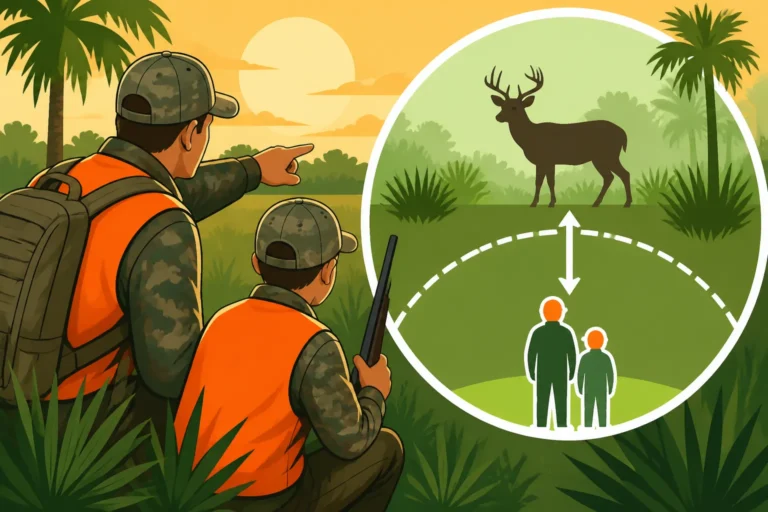
Florida is dedicated to fostering the next generation of hunters, and part of that commitment is seen in its Youth Turkey Weekend. This special weekend typically occurs before the general statewide spring turkey season opener in both zones, offering young hunters (usually 16 years old and younger) an exclusive opportunity to hunt. During this special weekend, youth hunters must be accompanied by a licensed adult (18 years or older) who has a valid hunting license and turkey permit, but the adult cannot harvest a turkey during this specific youth period. This is an incredible initiative designed to give kids a less pressured experience and instill a love for the outdoors. Like the regular seasons, the Florida Youth Turkey Weekend Dates by Zone will vary slightly, with the Osceola zone typically opening its youth weekend before the Eastern zone. It’s an amazing opportunity for parents or mentors to create lasting memories with their young hunters.
Tailored Tactics and Gear for Florida Turkey Hunts
Hunting Florida turkeys successfully, whether you're after an Osceola or an Eastern, requires a blend of traditional turkey hunting skills and adaptations specific to our unique environment. From dense cover to unpredictable weather, hunters need to be prepared for anything.
Calling and Decoy Strategies for Each Subspecies and Habitat
Florida turkeys, especially the Osceolas, can be notoriously wary. While aggressive calling can sometimes work, often a more subtle approach is best. For Osceolas in thick palmetto or cypress, short, soft yelps, clucks, and purrs can be more effective than loud, drawn-out sequences. Sometimes, simply letting out a few soft tree yelps from your setup before daylight, and then remaining silent, can be the key to drawing in a bird that's already heard plenty of loud locator calls. When it comes to decoys, simplicity often wins. A single hen decoy, or even just a jake decoy, can be enough. In pressured areas, many experienced hunters forgo decoys entirely, relying solely on their calling and concealment. For Easterns in the Panhandle's more open pine woods, more traditional calling, including cutts and aggressive yelps, can be effective, especially early in the season. However, even these birds will shut down quickly with heavy pressure. Learning the nuances of Decoy Placement for Pressured Osceola Birds can significantly improve your odds.
Mastering Scouting and Roosting in Florida's Terrain
Effective scouting is absolutely non-negotiable for Florida turkey hunting. This isn't a state where you can just wander into the woods opening morning and expect success. You need to know where the birds are roosting, what travel corridors they use, and where they tend to feed or strut. Public lands can be vast, making pre-season scouting essential. Look for tracks in sandy roads, droppings, feather piles, and dusting bowls. Listen for gobblers on the roost at dawn and dusk. GoHunt can be a powerful ally here, allowing you to mark potential roost trees, track turkey sightings, and analyze terrain features from your couch before you ever set foot in the woods. For public land, pay attention to signs of other hunters and try to find those overlooked pockets of habitat. Identifying a turkey's primary roosting area, especially when Hunting an Osceola Gobbler in Palmetto Scrub, can provide the critical first step in a successful morning hunt. Similarly, understanding how Easterns utilize the Hunting an Eastern Gobbler in Panhandle Pines for roosting and feeding patterns can be a game-changer.
Adapting to Florida's Unique Weather and Hunting Pressure
Florida's weather during turkey season can be unpredictable and challenging. Early spring often brings warm, humid days, which can make long sits uncomfortable and scent control difficult. Afternoon thunderstorms are common, especially later in the season, and you need to be prepared for sudden downpours. Insects, particularly mosquitoes and ticks, can be a major nuisance, so proper repellent and protective clothing are essential. Hunting pressure, especially on popular public lands, is another significant factor. Gobblers, particularly Osceolas, quickly become "educated" and can shut down or become extremely wary after the first few days of the season. This means adapting your tactics – hunting later in the morning, focusing on less accessible areas, or even trying a quiet mid-day hunt when other hunters have left. Flexibility and resilience are key attributes for any hunter pursuing turkeys in the Sunshine State.
The Future of Florida's Wild Turkeys: Conservation and Challenges
Florida's wild turkeys are a vital part of the state's natural heritage, and ensuring their continued health and abundance is a shared responsibility. The FWC, along with hunters and conservation organizations, plays a crucial role in managing these populations amidst ongoing challenges.
FWC's Management Efforts and Population Monitoring
The Florida Fish and Wildlife Conservation Commission (FWC) is at the forefront of wild turkey management in the state. Their efforts include extensive research, habitat management programs on public lands, and careful regulation of hunting seasons and bag limits to ensure sustainable populations. FWC biologists conduct annual turkey brood surveys, track harvest data, and analyze population trends to make informed decisions about future seasons. This scientific approach helps maintain healthy turkey numbers across both the Osceola and Eastern zones. Hunters contribute directly to these efforts through license and permit fees, which fund conservation initiatives, and by accurately reporting their harvests, which provides vital data for FWC. Understanding Florida Turkey Population Trends is a continuous effort, and hunter participation is a cornerstone of this process.
Habitat Protection and Predation Management
Like many wild game species, Florida's turkeys face significant challenges from habitat loss and fragmentation due to development, as well as predation. Protecting and restoring key turkey habitats, such as pine forests, oak hammocks, and cypress swamps, is paramount. This includes prescribed burning programs that enhance foraging opportunities and create ideal nesting cover, as well as efforts to prevent large-scale conversion of wild lands to urban or agricultural uses. Additionally, FWC monitors predator populations, such as raccoons, opossums, bobcats, and coyotes, which can impact turkey nesting success and poult survival. While predator management is complex, maintaining a healthy balance in the ecosystem is crucial for robust turkey populations. Conservation organizations like the National Wild Turkey Federation also partner with FWC and private landowners to implement habitat improvement projects across the state.
The Role of Hunters in Florida's Turkey Conservation
Hunters are, without a doubt, the most important advocates and financiers of wild turkey conservation in Florida. Through their purchase of hunting licenses and turkey permits, they provide the direct funding necessary for FWC's management and research programs. Beyond financial contributions, hunters are often the first to notice changes in turkey populations or habitat conditions, acting as vital eyes and ears on the ground. Ethical hunting practices, such as accurate identification of subspecies, adherence to bag limits, and responsible scouting, are all part of being a good steward of the resource. By sharing knowledge, mentoring new hunters, and participating in conservation initiatives, hunters ensure that the unique experience of pursuing a Florida Osceola or Eastern gobbler will be available for generations to come. It’s a privilege to hunt these birds, and with that privilege comes a profound responsibility to protect them.
Disclaimer
Please note: Hunting regulations and season dates are subject to change. Always consult the latest Florida Fish and Wildlife Conservation Commission (FWC) official regulations handbook or website before planning and participating in any hunting activity. This content is for informational purposes only and does not constitute legal advice or replace official FWC guidance.