Why Zone E Has No Fall Turkey Season
It can be incredibly frustrating to pore over Florida's hunting regulations, meticulously planning your fall adventures, only to hit a wall when you realize that certain areas, like the infamous Zone E, simply don't offer a fall turkey season. You've got your gear ready, perhaps even a new call you've been practicing with, and then discover your favorite hunting grounds are off-limits for autumn gobblers. This guide is here to unravel that mystery, explaining why Zone E stands apart when it comes to fall turkey hunting and what the Florida Fish and Wildlife Conservation Commission (FWC) considers when setting these critical season dates.
Unpacking Florida's Turkey Management Zones
Florida might seem like one big, flat state, but when it comes to wild turkeys, it's actually a nuanced patchwork of distinct populations and management strategies. The FWC has carefully divided the state into different zones to address these unique biological and ecological considerations. Understanding this larger framework is key to grasping why Zone E has its particular regulations.
Breaking Down the Zones: Osceola Versus Eastern
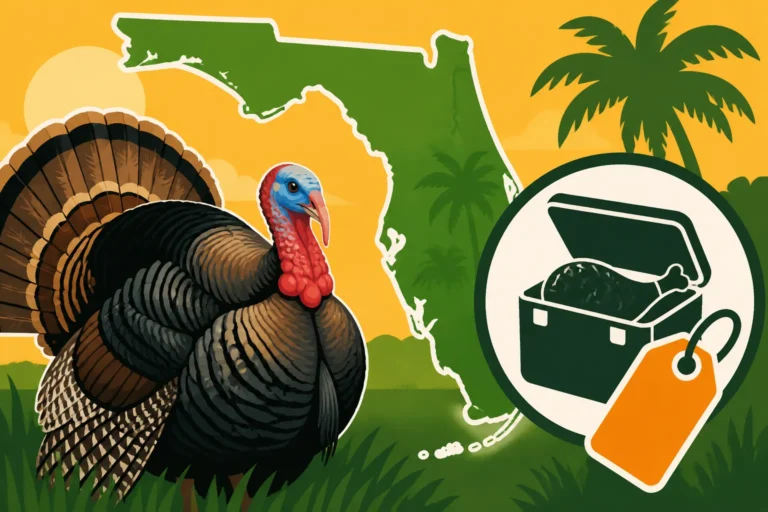
First and foremost, Florida is home to two primary subspecies of wild turkey: the Osceola and the Eastern. The Osceola turkey, known for its darker plumage and distinct gobble, is a true Florida native, found almost exclusively in the peninsula south of a line generally demarcated by State Road 70. This is the bird that often brings hunters from across the country to complete their "Grand Slam." North of that imaginary line, and extending into the Panhandle, you'll find the Eastern wild turkey, a more common subspecies across the eastern United States, but still a formidable and exciting quarry here in Florida.
The FWC's turkey management zones are largely drawn with these subspecies in mind, but also incorporate factors like habitat, population density, and historical harvest data. Zones A, B, C, and D are the primary deer management zones, but for turkeys, the FWC uses a slightly different demarcation, often referring to specific management units or delineating between the core Osceola range and areas where Easterns are prevalent. It’s a dynamic system designed to ensure the long-term health of both populations. If you're planning a trip, using a reliable mapping application like GoHunt, or consulting the official FWC public hunting maps, can clearly show you where these zones fall.
Where Zone E Fits Into the Florida Turkey Puzzle
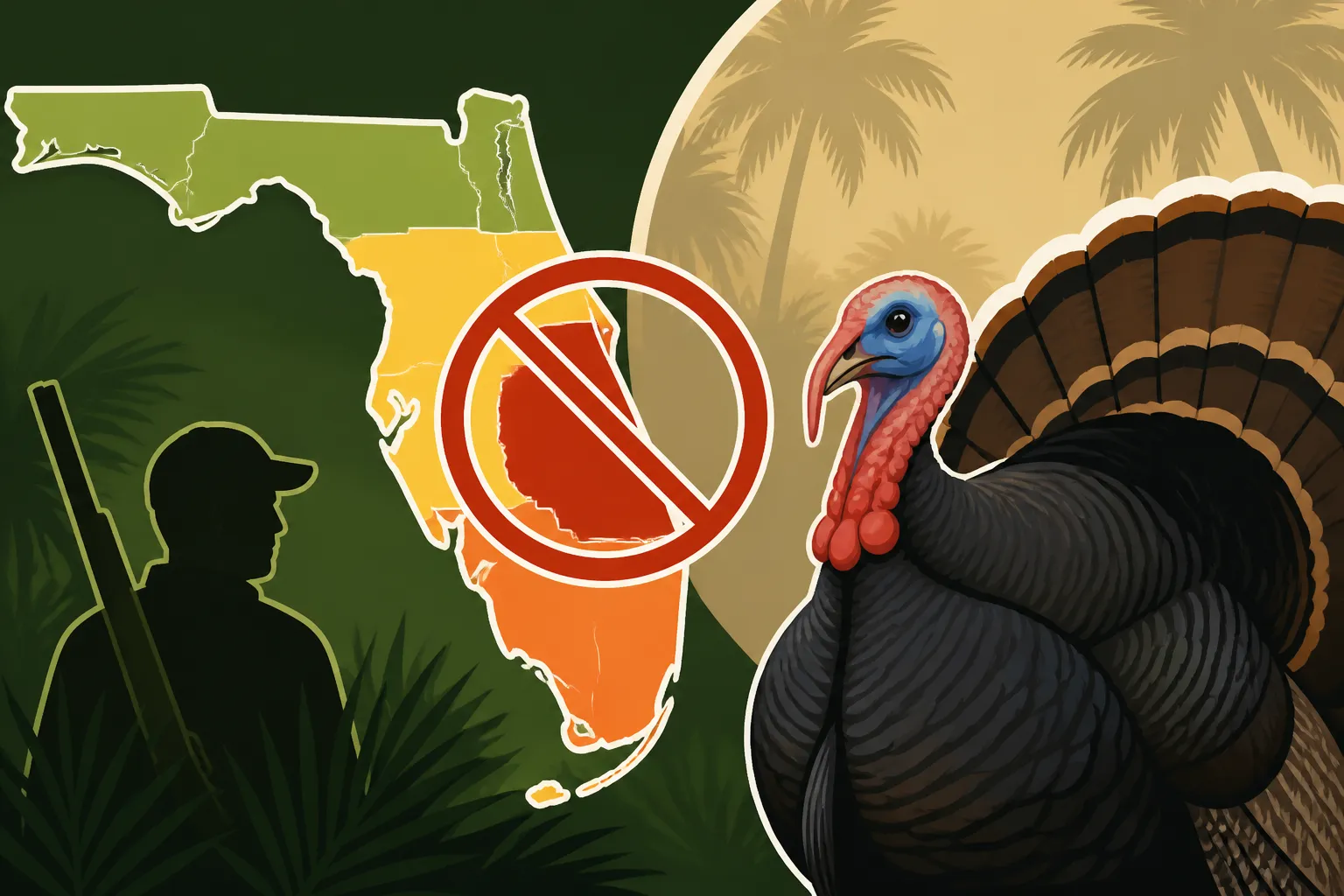
Now, let's talk about Zone E. Unlike the more commonly recognized zones for other game, Zone E for turkey management isn't a geographical area with distinct borders in the same way Zone A, B, C, or D are for deer. Instead, "Zone E" often refers to areas, primarily within the core Osceola turkey range, where fall hunting seasons are completely absent. This isn't a geographical zone you'd point to on a map; rather, it's a regulatory designation applied to specific management units or broad swaths of the peninsula.
The primary reason for this absence lies in the FWC's deeply conservative approach to managing the unique and highly prized Osceola turkey. While Eastern turkeys can sustain some level of fall harvest due to broader populations and different ecological pressures, the FWC takes extra precautions with Osceolas. The goal is simple: maximize reproductive success and minimize any potential impacts on breeding populations heading into the critical spring nesting period. It means that while the rest of the state might be preparing for some autumn turkey action, hunters in the Osceola stronghold are usually out for other game, knowing their turkey opportunities are reserved solely for the spring. This is one of the key distinctions that makes Florida turkey hunting regulations somewhat complex compared to other states.
Biological Underpinnings for Restricting Fall Turkey Seasons
The decision to restrict fall turkey hunting in areas designated as "Zone E" isn't arbitrary; it's deeply rooted in the biology and ecology of the wild turkey. Wildlife managers at the FWC look at a complex array of factors to ensure that hunting opportunities remain sustainable, especially for a subspecies as unique and prized as the Osceola.
Maximizing Reproductive Success and Recruitment
The primary biological driver behind the absence of a fall turkey season in Zone E is the absolute priority given to maximizing the reproductive success and recruitment of Osceola turkeys. Unlike many other game species, turkeys have a relatively complex social structure, and the presence of mature gobblers is seen as crucial for stimulating hens into breeding behavior and defending nesting territories. In the fall, turkeys often congregate in larger, mixed-sex flocks, making them more vulnerable to harvest. Removing a significant number of birds, particularly mature gobblers, during this period could theoretically impact the overall health and breeding dynamics of the population when spring rolls around.
Furthermore, Florida's milder climate means that turkeys don't face the same severe winter mortality pressures seen in northern states. However, this also means that factors like disease, predation, and habitat loss can have a more consistent, year-round impact. By limiting harvest to the spring, when gobblers are actively displaying and breeding, the FWC aims to ensure that birds that survive through the lean periods of the year have the best chance to contribute to the next generation. This approach helps maintain a healthy age structure within the flock, ensuring enough adult birds are present for successful nesting seasons. This strategy is critical for the long-term viability of the population.
The Impact of Habitat and Population Density
The type and quality of habitat also play a significant role in turkey management decisions. While Florida boasts diverse landscapes, from pine flatwoods to oak hammocks and cypress swamps, the specific habitats favored by Osceola turkeys can sometimes be fragmented or under pressure from development. These turkeys rely on mature mast-producing oaks, open pine forests for foraging, and dense palmetto or scrub for nesting and roosting cover. When prime habitat is limited, or turkey populations are not as dense as in other regions, managers become even more conservative with harvest quotas and season lengths.
In areas where Zone E applies, turkey populations might be more susceptible to localized impacts from over-harvest, even if the overall numbers seem stable. A lower density of birds, combined with the behavioral changes that occur in fall (like flocking up), means a fall season could disproportionately affect a small area. The FWC continually monitors population trends, brood surveys, and habitat quality to make informed decisions. A crucial aspect of this monitoring includes assessing the success of "Florida Turkey Brood Survey Results" to gauge reproductive output and inform future regulations. If the FWC’s data, perhaps even aided by advanced analytics from platforms like GoHunt, suggests that fall hunting could put undue stress on these localized populations, closing the season becomes a necessary conservation measure.
Historical Context and FWC Decision-Making
Understanding why Zone E exists for fall turkeys requires a look back at how Florida has historically managed its wild turkey populations and the careful, often collaborative, process the FWC employs for setting regulations today. It's a journey shaped by conservation triumphs, scientific research, and public input.
FWC's Approach to Turkey Conservation
For many decades, wild turkeys faced significant declines across North America, including in Florida. The FWC, along with conservation partners like the National Wild Turkey Federation (NWTF), undertook massive restoration efforts, including trap-and-transfer programs that relocated healthy birds to suitable, unoccupied habitats. These efforts, combined with strict hunting regulations and habitat improvement, allowed Florida's turkey populations to rebound dramatically, turning what was once a rare sight into a conservation success story.
However, the FWC's commitment to conservation didn't stop there. They recognized the unique status of the Osceola turkey and the responsibility to protect its genetic integrity and robust numbers. This long-term, science-driven approach means that regulations are not static; they evolve with the health of the populations. The absence of a fall turkey season in what we informally call "Zone E" is a testament to this proactive, cautious management. It's about prioritizing the health of the resource over maximizing immediate recreational opportunity, especially for a subspecies that exists nowhere else on Earth. This philosophy underpins many of their regulations, including those for "Florida's Osceola and Eastern Turkey Zones".
Public Input and Data-Driven Decisions
The FWC doesn't just make these decisions in a vacuum. Their process involves a blend of cutting-edge wildlife science and extensive public engagement. Biologists conduct detailed studies on turkey population dynamics, reproductive rates, habitat use, and harvest impacts. They analyze data from hunter harvest reports, brood surveys, and field observations. This robust data collection, often bolstered by tools available through mapping and data platforms like GoHunt, provides the scientific foundation for regulatory proposals.
Once data is analyzed, the FWC proposes regulation changes, which are then opened up for public comment. Hunters, landowners, conservationists, and other stakeholders have the opportunity to weigh in, share their experiences, and offer feedback. This democratic process ensures that diverse perspectives are considered. While the final decision rests on scientific recommendations, the FWC values and incorporates public sentiment where appropriate, especially when it aligns with conservation goals. The consensus that fall hunting for Osceolas might be too impactful, given the unique nature of the subspecies, has been a long-standing position supported by both science and a significant portion of the hunting community.
What Fall Turkey Hunting Looks Like Elsewhere in Florida
While Zone E (the Osceola range where fall hunting is prohibited) is off-limits for autumn gobblers, it's important to remember that fall turkey hunting does exist in other parts of Florida. The state's diverse turkey populations and management strategies mean opportunities exist further north, typically in areas predominantly inhabited by Eastern wild turkeys.
Fall Seasons in Florida's Eastern Turkey Zones
If you're dead set on a fall turkey hunt in the Sunshine State, you'll need to turn your attention to the panhandle and other areas north of the Osceola boundary. These regions, which fall under the Eastern turkey management designation, often have a specific fall season. The season dates can vary slightly year to year, but generally, they occur during a specific window in the fall, allowing hunters to pursue gobblers and sometimes even hens, depending on the specific regulations for that year.
These seasons are typically much shorter than the spring season, and bag limits are very conservative, often just one turkey per hunter. The FWC carefully sets these limits to ensure that the harvest doesn't negatively impact the following spring's breeding efforts. This allows for a unique hunting experience, different from the spring's thunderous gobbling. Many hunters enjoy the challenge of calling turkeys in during the fall, when they are typically in larger flocks and often more focused on foraging than breeding. Learning "Fall Turkey Tactics in the Panhandle" can be a rewarding endeavor.
Legal Methods for Fall Turkey Hunting
For those fortunate enough to hunt a fall turkey season in Florida, the regulations on legal methods are generally consistent with what's allowed during the spring, though it's always critical to double-check the most current FWC regulations.
Here's a general overview of common legal methods:
- Shotguns: Typically, shotguns are allowed, often limited to specific gauges like 10-gauge, 12-gauge, 16-gauge, and 20-gauge, using shot sizes no larger than No. 2.
- Archery Equipment: Bows, including crossbows, are legal.
- Muzzleloaders: Muzzleloading shotguns and rifles are also permitted, offering a unique challenge for those seeking a more traditional hunt.
- Rifles: Centerfire and rimfire rifles are generally not permitted for turkey hunting in Florida, even in the fall, to prevent accidental harm to other game or non-target species.
Regardless of the weapon, hunters must possess the appropriate Florida hunting licenses and permits, including a Florida hunting license, a turkey permit, and a migratory bird permit (if applicable, though generally not for wild turkey). Always refer to the FWC's official regulations handbook for the most up-to-date and specific rules for the zone and WMA you plan to hunt. A powerful mapping tool like GoHunt can display public land boundaries and sometimes even WMA-specific rules, which is incredibly helpful.
Here's a quick comparison of fall turkey season availability by general turkey zone:
| Turkey Zone/Region | Subspecies Predominant | Fall Turkey Season Availability | Typical Bag Limit (Fall) | Primary Rationale for Season Status |
|---|---|---|---|---|
| Peninsular Florida (South of SR-70) – "Zone E" | Osceola | No | N/A | Maximize Osceola breeding success, conservative management. |
| North Florida / Panhandle | Eastern | Yes (Specific Dates) | 1 turkey | Sustainable population, different biological pressures. |
Alternatives for Hunters in Zone E During Fall
So, you're in the heart of Florida's Osceola country, the leaves are starting to hint at cooler weather, and the desire to be in the woods is strong, but you know there's no fall turkey season. Don't despair! Florida offers a wealth of other hunting opportunities, and for the turkey enthusiast, there's always the promise of spring.
Spring Season Opportunities in Zone E
The good news for turkey hunters in Zone E is that the spring season is robust and highly anticipated. This is the prime time to pursue the magnificent Osceola gobbler, and it's why the fall season is foregone – to ensure these birds are at their peak for spring breeding. Florida's spring turkey season typically kicks off in early March in the Southern Zone (which aligns with much of the "Zone E" territory) and later in the month for the Northern Zone. This timing puts hunters squarely in the breeding window, when gobblers are most vocal, displaying, and responsive to calls.
Hunting an Osceola in the spring is an experience unlike any other. The swamps and palmetto flats come alive with sound, and the challenge of calling in a wary gobbler against the backdrop of a Florida sunrise is truly special. Many hunters dedicate significant time to scouting during the late winter months, trying to locate "Florida Turkey Roost Tree Preferences" and patterns of movement. The FWC's careful management means that come spring, the Osceola population is healthy and ready to be pursued ethically and sustainably.
Traveling to Other Zones for Fall Turkeys
If the craving for a fall turkey hunt is simply too strong to ignore, your best bet is to plan a trip to the northern parts of Florida. As discussed, the Panhandle and other Eastern turkey zones often have a dedicated fall season. This means packing up your gear and heading north could be a fantastic way to experience a different kind of turkey hunt.
A fall hunt for Eastern turkeys presents its own unique challenges. Instead of focusing on gobblers in full strut, you'll often be targeting flocks that are feeding and moving together. This might involve different calling strategies, perhaps trying to "break up a flock" and then calling birds back to you, or identifying prime feeding areas. Using a sophisticated mapping application or satellite imagery from GoHunt can be invaluable for identifying potential fall feeding zones and public land access in these northern regions, which often consist of vast national forests like the Apalachicola and Osceola. Be sure to research the specific season dates and regulations for your chosen zone and Wildlife Management Area (WMA) well in advance, as they can vary.
Focusing on Other Game Species During Fall
While turkeys may be off the table in Zone E during the fall, Florida's hunting calendar is packed with other exciting opportunities. The fall months coincide with peak deer season across much of the state, especially during the archery, muzzleloader, and general gun seasons. Depending on which of Florida's four deer management zones you are in, the rut can be in full swing, offering thrilling encounters with mature bucks. You could explore methods like "Still-Hunting Florida Palmetto Flatwoods" or even try "Rattling and Grunting Florida Bucks".
Beyond deer, feral hogs are an abundant and challenging quarry with no closed season or bag limits on private land, making them a fantastic option for a fall hunt. You could also explore small game like squirrels and rabbits, which offer fast-paced action and delicious table fare. Waterfowl season also kicks off in the fall, drawing hunters to Florida's marshes and wetlands for ducks and geese. Even predators like coyotes are fair game year-round. So, while Zone E may not offer fall turkeys, the Florida woods are far from quiet during the autumn months.
Disclaimer
The information provided in this article is for general guidance and informational purposes only. Hunting regulations in Florida are set by the Florida Fish and Wildlife Conservation Commission (FWC) and can change. It is the sole responsibility of the hunter to review and comply with all current FWC regulations, season dates, bag limits, and licensing requirements before engaging in any hunting activities. Always consult the official FWC website or their current hunting regulations handbook.