Florida Turkey Population Trends
It can be incredibly disheartening to walk into your favorite public land block expecting gobblers, only to find it eerily quiet, or conversely, stumble into a flock thriving where you least expected them. Trying to understand why turkey numbers seem to fluctuate year to year, or even decade to decade, can be a real head-scratcher for even the most seasoned Florida hunter. This comprehensive guide will dive deep into Florida's wild turkey population trends, exploring the unique subspecies we have, what factors drive these changes, and what it all means for your next spring hunt in the Sunshine State.
Understanding Florida's Wild Turkey Species
Florida is a truly special place for turkey hunters, primarily because it's the exclusive home of the Osceola subspecies. But we also share our northern territories with the more widespread Eastern wild turkey. Knowing the distinctions between these birds and their preferred habitats is the first step in appreciating their population dynamics.
The Elusive Osceola: Range and Characteristics
Ah, the Osceola. Mention that name to any turkey hunter, and you'll likely see their eyes light up with a mix of reverence and frustration. These birds are unique, found only in the Florida peninsula, generally south of a line running from Jacksonville to Cedar Key. They are often smaller and darker than their Eastern counterparts, with less white barring on their wing feathers and sometimes a deep rust color on their primary feathers. Their calls can be a bit softer, and they often feel like they've earned their reputation as incredibly wary, especially on public land.
Their habitat is classic Florida: palmetto flatwoods, pine forests, cypress swamps, and oak hammocks. Unlike other subspecies that might rely heavily on vast expanses of hardwoods, Osceolas are adept at navigating the dense, often swampy, terrain that defines much of central and south Florida. Understanding their specific range is crucial, especially if you're chasing that coveted Grand Slam. If you're looking to target these iconic birds, you'll need to know about Hunting Florida's Osceola Turkey.
The Robust Eastern Turkey: Panhandle Strongholds
Head north into the Florida Panhandle, and you'll encounter the Eastern wild turkey. These are the same birds found throughout much of the eastern United States, and they're generally larger, with more pronounced white barring on their wings. The Panhandle offers more mixed pine and hardwood forests, similar to neighboring Alabama and Georgia, which is classic Eastern turkey country. Here, you'll find extensive timberlands, river bottom swamps, and agricultural fields that provide abundant food and cover.
While perhaps not as "exotic" as the Osceola, Eastern turkeys in Florida offer fantastic hunting opportunities. Their behavior can sometimes be a bit more predictable, especially where food sources are concentrated. The populations here benefit from larger contiguous blocks of habitat, including parts of the Apalachicola National Forest and other state forests. For those interested in pursuing these birds, detailed information on Hunting Florida's Eastern Panhandle Turkey can be invaluable.
Hybrid Zones and Genetic Purity
It's not a hard-and-fast line, of course. There are areas, particularly where the Osceola and Eastern ranges meet, where you might encounter what are often referred to as "hybrid" birds. These turkeys display characteristics of both subspecies, making positive identification a challenge even for experts. For hunters chasing the Grand Slam, this can be a real sticking point, as genetic purity is often a debate.
The Florida Fish and Wildlife Conservation Commission (FWC) uses genetic testing and careful monitoring to help define the boundaries of the Osceola range to ensure proper management. These transitional areas, often around the Big Bend region, offer a fascinating glimpse into the natural intermixing of wildlife. Hunters should be aware that while the FWC outlines general zones, nature doesn't always read the rule book perfectly.
Historical Overview of Florida Turkey Populations
Like many game species across the United States, Florida's wild turkey populations faced significant challenges in the past, primarily due to unregulated hunting and drastic habitat alteration. However, incredible conservation efforts have led to a remarkable comeback story.
Early 20th Century Decline and Restoration Efforts
Rewind to the early 1900s, and the picture for Florida's wild turkeys was bleak. Market hunting, coupled with widespread deforestation and habitat destruction for agriculture and timber, pushed wild turkey numbers to critically low levels. It wasn't just Florida; this was a nationwide crisis for wild turkeys. Estimates suggest that at their lowest point, there might have been fewer than 25,000 wild turkeys left in the entire country, and Florida's share was certainly small and fragmented.
Thankfully, the advent of modern wildlife management in the mid-20th century, fueled by hunter-generated funds from excise taxes on hunting equipment (Pittman-Robertson Act), brought hope. Wildlife agencies across the nation, including the FWC, began to implement science-based conservation strategies.
The Role of Trap and Transfer Programs
The cornerstone of wild turkey restoration in Florida, and indeed across the continent, was the incredibly successful "trap and transfer" program. This ingenious method involved live-trapping wild turkeys from areas where populations were healthy and robust, then relocating them to suitable habitats where turkeys had been extirpated or were in low numbers.
Florida was a leader in this effort. Using methods like cannon nets, wildlife biologists would capture entire flocks, check their health, and then release them into carefully selected restoration sites. These programs were painstakingly planned, often involving cooperation with private landowners and federal agencies. Over several decades, this relentless effort literally seeded the state with wild turkeys, allowing them to re-establish and thrive in areas they hadn't been seen for generations. This wasn't a quick fix; it was a long-term, dedicated conservation success story that hunters largely funded.
Population Recovery and Stabilization
By the late 20th century, these restoration efforts had paid off handsomely. Wild turkey populations in Florida rebounded dramatically, reaching robust, huntable numbers across their traditional ranges. The FWC could then shift its focus from pure restoration to sustainable management, ensuring healthy populations for future generations of hunters and wildlife enthusiasts.
This period of recovery led to the establishment of the modern hunting seasons and regulations we have today. It's a testament to how effective, science-based conservation, supported by the hunting community, can bring a species back from the brink. While populations aren't uniformly distributed, and localized fluctuations still occur, the overall health of Florida's wild turkey numbers today is a direct result of these historical efforts. The management focus today involves careful monitoring, habitat improvement, and adapting to new challenges, ensuring that the legacy of these wild birds continues.
Key Factors Influencing Turkey Populations
Even with successful restoration, wild turkey populations are constantly influenced by a myriad of environmental factors. These elements can cause local and regional fluctuations that sometimes leave hunters scratching their heads, wondering why their favorite spot isn't producing like it used to.
Habitat: The Foundation of Survival
If there's one overarching theme in wildlife management, it's that habitat is king. For wild turkeys in Florida, this means a mosaic of open pine woodlands, palmetto scrub, hardwood hammocks, and swamp edges, all providing different things throughout the year. They need roosting sites, foraging areas with diverse food sources (acorns, insects, seeds), and crucial nesting cover to protect hens and their eggs.
The biggest threat to consistent turkey populations, particularly for the Osceola, is habitat loss and fragmentation due to Florida's rapid development. Every new housing community, every new commercial center, means less contiguous habitat for turkeys to roam, roost, and breed. Even when parcels aren't fully developed, dividing large tracts with roads and infrastructure can isolate populations, making them more vulnerable. Prescribed fire is also a critical tool for maintaining healthy habitat, especially in pine flatwoods, by reducing brush and promoting the growth of native forage plants that turkeys depend on. Without good habitat, even perfectly healthy birds will struggle to thrive. Many of Florida's Wildlife Management Areas focus heavily on maintaining this critical habitat.
Predation: A Constant Threat
While turkeys are impressive birds, their eggs and poults (young turkeys) are highly vulnerable to predation. Florida is home to a diverse array of predators, and many of them have a taste for turkey eggs or tiny, helpless poults. Coyotes, bobcats, raccoons, opossums, and even snakes and raptors take their toll.
The impact of predation often fluctuates based on other factors. If nesting cover is sparse due to poor habitat management or drought, nests are more easily found. If alternative food sources for predators are scarce, they might focus more heavily on turkey nests. While predation is a natural part of the ecosystem, abnormally high predator numbers in conjunction with poor nesting success can lead to noticeable dips in turkey populations. It's a delicate balance that wildlife managers constantly monitor. A strong brood year with high poult survival is often the key to a healthy population the following seasons.
Weather Extremes and Disease Impact
Florida's weather is famous for being, well, extreme at times. And these extremes can have a significant impact on wild turkey populations. Prolonged droughts can reduce insect populations (a crucial food source for poults) and limit water availability. Conversely, excessively wet springs, particularly during the critical nesting and brooding period, can be devastating. Heavy rains can flood nests, chill poults, and reduce insect availability, leading to high mortality rates for the youngest birds.
Disease can also play a role, though it's less frequently a widespread population driver for turkeys compared to other species. Avian pox, blackhead disease, and other pathogens can certainly sicken individual birds and cause localized die-offs, especially in areas of high turkey density. The FWC monitors for these diseases to understand their prevalence and potential impact. While less common, a significant outbreak could certainly impact localized populations, which is why careful monitoring and good habitat management to reduce stress on birds are always a priority.
Current Population Trends and Data
Understanding exactly how many turkeys are out there is a complex task, but wildlife agencies like the FWC use a variety of scientific methods to estimate population trends and make informed management decisions. It’s not an exact headcount, but rather a robust system of indicators.
FWC Survey Methods and Data Collection
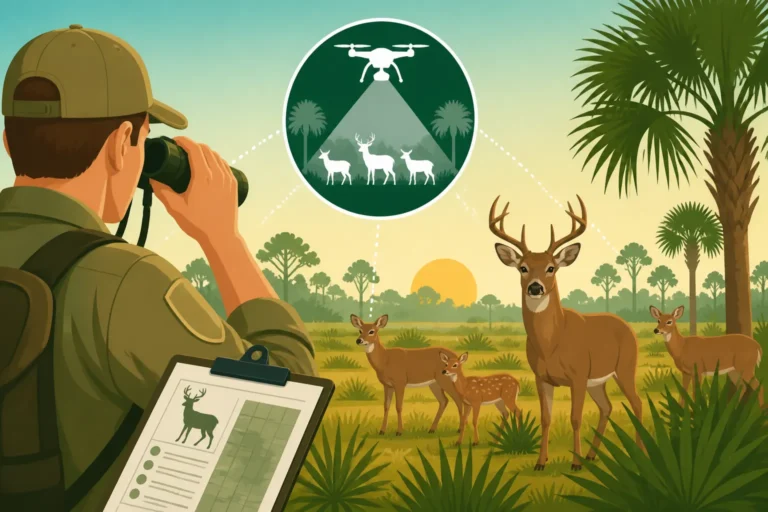
The FWC employs several methods to keep tabs on Florida's wild turkey populations. One of the primary tools is the annual summer wild turkey brood survey. During July and August, when hens are raising their poults, agency staff, volunteers, and even private landowners report sightings of turkey hens and the number of poults accompanying them. This data provides crucial insights into reproductive success and poult survival rates, which are key indicators of future population health. A good poult-to-hen ratio suggests a strong upcoming year class.
Beyond brood surveys, the FWC also uses gobbler surveys, harvest data reported by hunters, and habitat assessments to paint a comprehensive picture. These efforts help them analyze trends in Florida Turkey Brood Survey Results over time, allowing them to adjust season lengths, bag limits, or habitat management priorities as needed. You can often find detailed reports and summaries of this data on the FWC website, giving you a deeper look into the science behind the seasons.
Regional Variances in Turkey Numbers
It's a common misconception to think of "the Florida turkey population" as one monolithic entity. In reality, turkey numbers can vary significantly from one region to another, and even from one county to the next. What's booming in the Panhandle might be struggling in parts of Central Florida.
For instance, areas with extensive, well-managed public lands, like parts of the Osceola National Forest or the vast Apalachicola National Forest, might see more stable or even increasing populations due to consistent habitat work, including prescribed burns. Conversely, regions experiencing rapid urban sprawl, like some of the counties surrounding Orlando or Tampa, often see fragmented habitat and corresponding declines in turkey numbers, regardless of how good the weather was for poults. Factors like hunting pressure, private land management practices, and local predator populations also contribute to these regional differences. This means that while overall state trends might be positive, your local honey hole could be telling a different story.
Interpreting Long-Term Trends
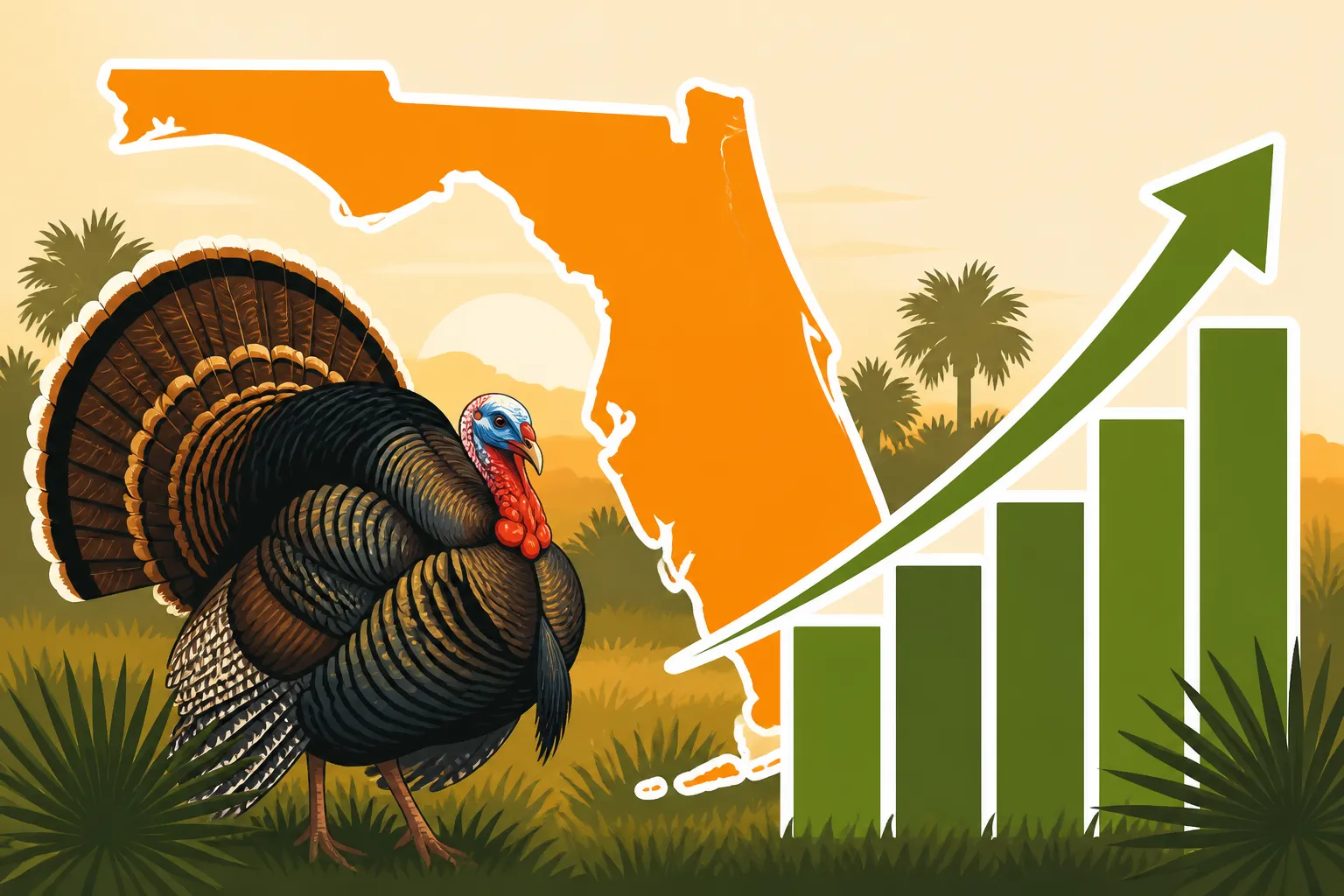
Looking at long-term trends is more informative than focusing on year-to-year fluctuations, which can be heavily influenced by a single good or bad spring. Over the past few decades, Florida's wild turkey populations, particularly the Osceola subspecies, have been generally stable to slightly increasing in many areas, thanks to successful restoration and ongoing management. The Eastern turkey populations in the Panhandle have also shown good stability.
However, the trend isn't universally upward. As mentioned, habitat loss remains a persistent challenge. The FWC continually works to secure and enhance habitat, both on public lands and through programs that incentivize private landowners to manage their property for wildlife. While there will always be ups and downs, the commitment to science-based management aims to ensure a robust, resilient wild turkey population for the long haul. Services like GoHunt can sometimes offer aggregated data insights or articles that break down these trends, helping hunters stay informed.
Hunter Impact and Management Strategies
Hunters often ask, "Am I part of the problem?" When it comes to wild turkeys in Florida, the answer is a resounding "No!" In fact, hunters are integral to the conservation success story, and the FWC relies on their participation and funding for effective management.
Hunter Harvest and Population Dynamics
Hunter harvest plays a relatively minor role in overall wild turkey population dynamics, especially compared to factors like habitat and weather. The FWC sets conservative bag limits (two bearded turkeys per spring season) and season lengths to ensure that harvest remains sustainable. Turkeys have a high reproductive rate, meaning they can bounce back quickly from natural mortality and regulated hunting pressure.
Male turkeys (gobblers) are the primary target during spring seasons, and removing a certain percentage of gobblers doesn't typically impact the overall reproductive capacity of the flock, as a few dominant gobblers can breed many hens. The real drivers for future populations are hen survival and poult production. By limiting harvest to bearded birds and having conservative limits, Florida's turkey management ensures that hunters contribute financially to conservation without negatively impacting the population's ability to thrive. This approach allows for continued hunting opportunities while maintaining healthy turkey numbers across the state.
FWC Conservation Efforts and Regulations
The Florida Fish and Wildlife Conservation Commission is the primary steward of our state's wild turkey resources. Their management strategies are multifaceted and constantly evolving based on scientific data. Key efforts include habitat restoration and enhancement, often through prescribed fire programs that create ideal foraging and nesting conditions. They also acquire new lands for public access and wildlife habitat, safeguarding areas from development.
Furthermore, the FWC sets and enforces hunting regulations, including season dates, bag limits, and legal methods, all designed to ensure sustainable harvest and protect breeding populations. They also conduct ongoing research, monitoring disease, genetics, and population trends to make informed decisions. Their work is largely funded by hunting license sales and federal excise taxes on hunting equipment, directly linking hunters to conservation. Understanding the Florida Osceola Spring Season Dates and Florida Eastern Spring Season Dates is crucial for any hunter participating in these conservation efforts.
Private Landowner Contribution to Management
While public lands are vital, a significant portion of Florida's prime turkey habitat lies on private land. This means that private landowners play a crucial, often unsung, role in wild turkey conservation. Ranchers, timber companies, and private individuals who manage their land with wildlife in mind contribute immensely to overall population health.
Many private landowners implement habitat improvements like thinning timber, planting food plots, and using prescribed fire to create better conditions for turkeys. Some participate in voluntary programs that provide technical assistance or financial incentives for wildlife-friendly land management. For instance, creating diverse fields and brushy edges can be excellent for nesting cover and insect production, critical for poult survival. The cumulative effect of these private land efforts, alongside public land management, creates the statewide network of habitat that supports Florida's thriving turkey populations.
What This Means for Hunters
Okay, so we've talked about the history, the factors, and the science. But what does all of this detailed information actually mean for you, the hunter, when you're out in the woods chasing those elusive longbeards?
Adapting Your Hunting Strategy
Understanding population trends and the factors that influence them can significantly refine your hunting strategy. If FWC brood surveys indicate a poor poult year a couple of seasons ago, you might anticipate fewer two-year-old gobblers this spring. This could mean you need to be more patient, scout even harder, or adjust your expectations.
Knowing the impact of habitat loss on the Osceola, for example, might lead you to focus your efforts on larger, more remote public lands or seek permission on private tracts known for good management. If you're Scouting Florida Public Land Before Season, use tools like GoHunt maps to identify critical habitat features like large pine stands for roosting, open areas for strutting, and dense palmetto for security and nesting. This knowledge helps you understand why certain areas might be hot one year and cold the next, and allows you to adapt rather than just hoping for the best. Don't be afraid to change up your tactics, whether it's trying Run-and-Gun Turkey Tactics on Florida Public Land or Setting Up Against a Big Live Oak in a different part of the woods.
The Future Outlook for Florida Turkey Hunting
The good news is that the future for wild turkey hunting in Florida remains bright, thanks to dedicated conservation efforts and the resilience of the birds themselves. While challenges like habitat loss will persist with Florida's growth, the FWC and its partners are committed to mitigating these impacts through strategic land acquisition, habitat management, and adaptive regulations.
Hunters will continue to be the primary beneficiaries and crucial financial supporters of these efforts. Staying informed about FWC updates, participating in public input opportunities, and supporting conservation organizations are all ways to ensure that future generations can experience the thrill of a Florida gobbler sounding off at dawn. We have a solid foundation, and with continued vigilance and effort, those gobblers will keep sounding off for years to come.
Resources for Scouting and Success
In today's hunting world, information is power. Leveraging available resources can dramatically increase your chances of success. The FWC website is a treasure trove of information, offering detailed WMA maps, regulations, and often, specific turkey hunting reports for different areas. Using their public hunting map can help you find new territories.
Additionally, modern mapping applications like GoHunt provide invaluable aerial imagery, property boundaries, and public land overlays that allow for detailed digital scouting from your couch. You can mark potential roosting sites, strut zones, and travel corridors before you ever step foot in the woods. Combining FWC data on population trends with a powerful scouting tool like GoHunt can give you a significant edge in deciphering where the birds are and how to approach them, whether you're trying to outsmart an Osceola Gobbler in Palmetto Scrub or an Eastern Gobbler in Panhandle Pines.
Disclaimer
Please note that hunting regulations, season dates, and specific wildlife management area rules are subject to change. Always consult the most current Florida Fish and Wildlife Conservation Commission (FWC) regulations before planning any hunting trip. This guide is for informational purposes only and should not replace official FWC guidelines.