How Many Feral Hogs Florida Has
If you've spent any time in Florida's wild spaces, or even near its agricultural fields, you've likely seen the tell-tale signs: rooted-up earth, muddy wallows, and trails through the thickest palmetto. Feral hogs are a ubiquitous, if often unseen, presence across the Sunshine State, leaving a path of destruction and frustration in their wake. Trying to pin down an exact number for their population feels like trying to count mosquitoes in a swamp – it's a monumental task. This guide will dive deep into understanding just how many wild hogs call Florida home, why those numbers are so hard to nail down, and what their pervasive presence means for our ecosystems and hunting traditions.
The Elusive Numbers Game of Florida's Feral Hogs
Florida's landscape is a mosaic of dense swamps, pine forests, agricultural fields, and even suburban fringes, all of which provide prime habitat for feral hogs. Unlike deer or turkeys, which have more predictable movements and can be counted through various census methods, hogs are a different beast entirely. They’re masters of evasion, incredibly adaptable, and breed at an astonishing rate, making precise population estimates a constant challenge for wildlife managers and researchers alike.
Why Exact Population Counts Are So Challenging
One of the biggest hurdles in getting a precise number for Florida's feral hog population is their biology itself. These animals are incredibly prolific breeders. A sow can become sexually mature as young as six months old and can have two to three litters per year, with each litter averaging four to six piglets, though litters of up to 10-12 aren't uncommon. Do the math, and a small population can explode in a very short amount of time. This rapid reproductive cycle makes any static count quickly obsolete.
Beyond their breeding prowess, hogs are also primarily nocturnal, especially in areas with high human activity or hunting pressure. They move under the cover of darkness, utilizing dense vegetation to remain hidden during the day. This secretive nature makes aerial surveys, camera trap studies, and even ground counts notoriously difficult. Imagine trying to count ghosts that move silently through the night and disappear into impenetrable scrub at dawn. Furthermore, their wide-ranging habits mean they don't stay put in one census block, constantly moving between different habitats in search of food and water, further complicating efforts to track and count them accurately.
Current Population Estimates and Trends
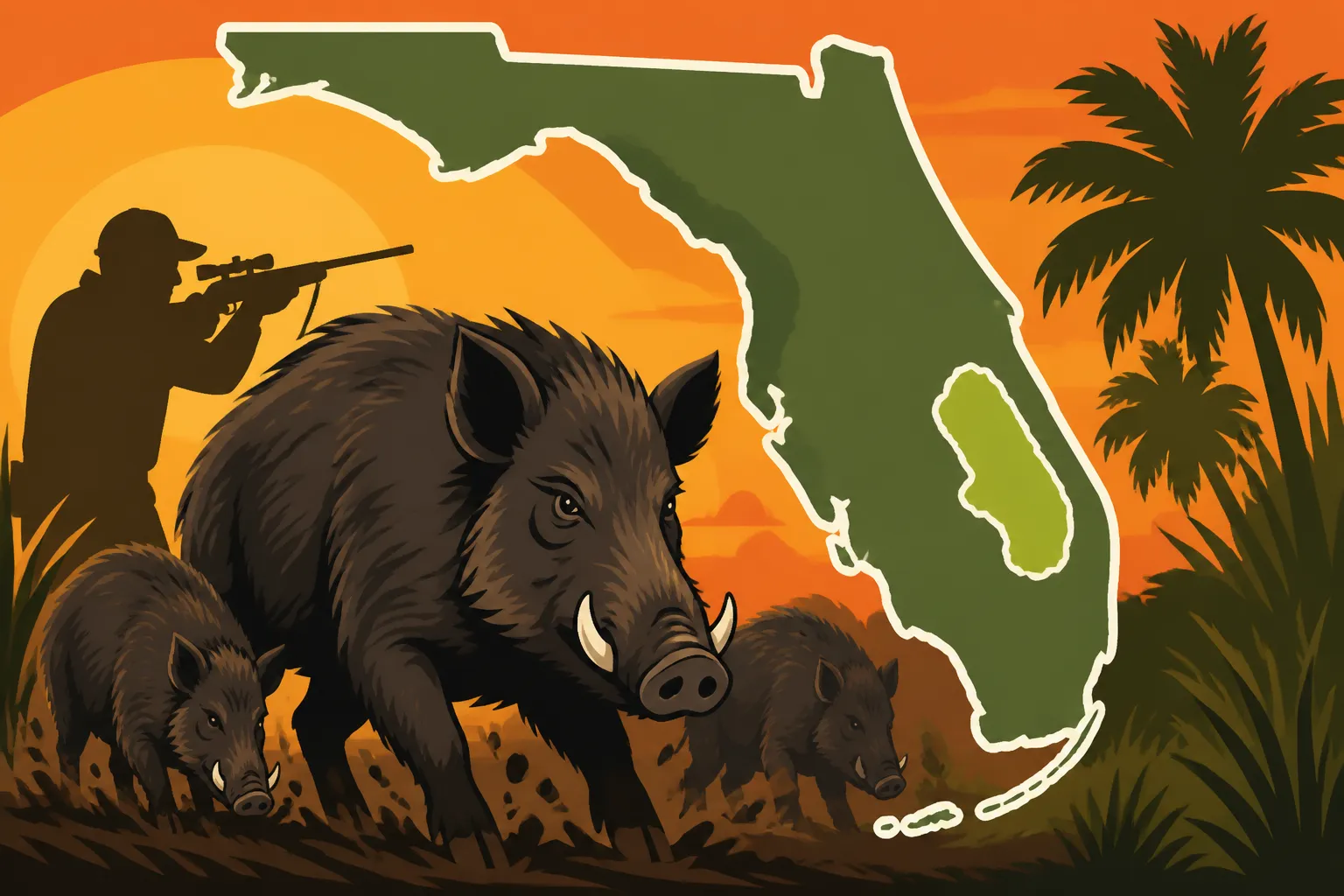
Despite the inherent difficulties, wildlife agencies and academic institutions do make their best efforts to estimate the sheer number of feral hogs. While specific, annually updated figures are often hard to come by due to the challenges mentioned, Florida is consistently ranked among the top states with the largest feral hog populations, often cited with estimates well over 500,000 to potentially more than a million. Some older estimates even put the nationwide number at 6 million, with Florida being a major contributor to that figure.
The trend for Florida's feral hog population generally points towards an increasing or at least stable trajectory, despite widespread hunting and trapping efforts. The animals' high reproductive rate effectively counteracts much of the mortality inflicted by humans. While localized control efforts can reduce numbers in specific areas, the overall statewide population remains robust. This means that if you're out Year-Round Hog Hunting in Florida, you're very likely to encounter sign, if not the hogs themselves, almost anywhere you go. This persistent abundance underscores the fact that feral hogs are a deeply entrenched part of Florida's wildlife landscape, and their numbers are likely to remain high for the foreseeable future.
Where Florida's Feral Hogs Roam and Thrive
Florida's diverse ecosystems, with their warm climate, abundant water, and varied vegetation, provide an ideal environment for feral hogs to not just survive, but truly thrive. From the deep, wet swamps to the high, dry pine forests, these opportunistic animals find everything they need to flourish, expanding their range and solidifying their presence across the state.
Preferred Habitats and Hotspots
Feral hogs are incredibly adaptable, but they certainly have their favorite haunts. They particularly gravitate towards areas with dense cover, readily available water, and a diverse food supply. This makes Florida's cypress swamps, hardwood hammocks, and river bottomlands prime real estate for these animals. These moist, shaded environments offer cool refuges from the intense Florida heat, crucial wallowing spots, and an abundance of roots, tubers, and invertebrates that make up a significant portion of their diet. You'll often find extensive rooting and tracks in these areas, indicating heavy hog activity.
Beyond natural forests, agricultural lands are also massive magnets for hogs. Areas rich in row crops like corn, peanuts, soybeans, or even citrus groves become irresistible buffets, especially during planting and harvesting seasons. Central Florida, with its mix of ranches and agricultural operations, and the Panhandle's fertile river valleys are known hotspots. The edges of the Everglades and Big Cypress National Preserve also hold enormous populations, where the vast, untamed wilderness provides ample space and protection. Even suburban areas bordering wildlands can see hog incursions, as they venture out of their core habitats to raid gardens or garbage. If you're looking for Best Public Ground for South Florida Hogs, areas like Big Cypress or Everglades WMA should be on your radar.
Understanding Their Movement Patterns
A key part of effectively managing or hunting feral hogs is understanding how they move through their environment. Hogs are creatures of habit but are also highly responsive to immediate needs and pressures. They typically follow well-worn trails, often called "hog highways," that connect bedding areas (dense cover) to feeding grounds and water sources. These trails can often be found along creek bottoms, through thick palmetto heads, or paralleling field edges.
Their movement patterns are heavily influenced by the availability of food. For instance, during acorn season in the fall, hogs will concentrate in oak hammocks, gorging themselves on the protein-rich nuts. Once acorns are gone, they'll shift to rooting for tubers or moving into agricultural fields. Water is another critical factor; in dry periods, hogs will be found closer to permanent water sources like ponds, sloughs, or rivers. Conversely, excessive hunting pressure can make hogs even more nocturnal and push them into the densest, most inaccessible cover during daylight hours. Observing these patterns, perhaps even using mapping tools like GoHunt to analyze terrain features and identify potential travel corridors, can be a game-changer for hunters trying to intercept them.
The Significant Impact of a Prolific Species
The sheer number of feral hogs in Florida isn't just an interesting biological fact; it represents a profound ecological and economic burden. Their constant presence and destructive behaviors have far-reaching consequences, disrupting native ecosystems, threatening vulnerable species, and inflicting heavy financial losses on Florida's agricultural community.
Ecological Damage and Habitat Destruction
The most visible sign of a feral hog problem is often the extensive rooting damage they leave behind. Hogs use their powerful snouts to dig, or "root," through the soil in search of roots, tubers, grubs, and fungi. This rooting behavior can be incredibly destructive, turning pristine forest floors and delicate wetlands into churned-up messes resembling a rototilled garden. This disrupts soil structure, leading to increased erosion and sedimentation in waterways, which can degrade water quality and harm aquatic life. Native vegetation, especially slow-growing plants and tree saplings, can be completely destroyed, altering plant communities and reducing biodiversity.
Furthermore, feral hogs are known predators of ground-nesting birds and their eggs. Species like wild turkeys and bobwhite quail, which lay their eggs in nests on the ground, are particularly vulnerable to hog predation. This directly impacts the reproductive success of these native game birds and can contribute to population declines. They also compete with native wildlife, such as deer, bears, and other small mammals, for critical food resources like acorns and other mast crops, putting additional stress on an already complex food web. The article Florida Ground-Nesting Bird Predation by Hogs delves deeper into this particular issue.
Agricultural Losses and Economic Burden
For Florida's farmers and ranchers, feral hogs are more than just a nuisance; they are a direct threat to their livelihoods. Hogs cause millions of dollars in agricultural losses annually, raiding crops like corn, soybeans, peanuts, watermelons, and citrus. They can devastate an entire field overnight, trampling and consuming crops that farmers have invested heavily in planting and cultivating. Imagine working tirelessly to bring in a peanut crop, only to wake up and find an entire section of your field rooted up and destroyed by a sounder of hogs. This can be absolutely heartbreaking and financially ruinous.
Beyond direct crop damage, hogs also carry and transmit diseases that can affect livestock. Pseudorabies and swine brucellosis are two significant concerns, posing risks to domestic swine and cattle herds. These diseases can lead to abortions in livestock, reduced growth rates, and necessitate costly testing and quarantine measures, adding another layer of economic burden to Florida's agricultural sector. The ongoing costs of fencing, trapping programs, and crop replanting further compound the financial strain, making the management of Florida Hog Damage to Agriculture a constant battle.
Managing Florida's Feral Hog Problem
Given the substantial ecological and economic damage caused by feral hogs, effective management is not just a preference—it's a necessity. Florida employs a multi-faceted approach, with hunting playing a crucial role, complemented by intensive trapping efforts. The goal isn't necessarily eradication, which is largely considered impossible given their numbers and reproductive rate, but rather population control and mitigation of their impacts.
Hunting as a Primary Management Tool
Hunting is arguably the most widespread and accessible method for controlling feral hog populations in Florida, particularly on private lands. The state's regulations reflect the pressing need for control: on private lands, there's no closed season, no bag limit, and no size restrictions for feral hogs. This means hunters can pursue them year-round, day or night, using a variety of legal weapons. This liberal approach empowers landowners and hunters to exert continuous pressure on local hog populations.
Hunters utilize various techniques, each effective in different scenarios. Still hunting, where a hunter moves stealthily through hog-frequented areas, is popular in dense cover. Dog hunting, a long-standing tradition in Florida, involves hounds tracking and baying hogs for the hunter to dispatch. Night hunting with the aid of artificial lights or thermal imaging has become increasingly popular and effective, especially for wary, nocturnal hogs feeding in open fields. Regardless of the method, consistent hunting pressure is key to keeping numbers down in specific locales. Tools like GoHunt can be incredibly valuable here, allowing hunters to study satellite imagery for prime bedding areas, identify feeding patterns, and mark hog activity, ultimately helping to plan more effective hunts. Want to learn more? Check out Night Hunting Hogs With Lights in Florida and Dog Hunting Hogs in Florida.
Trapping and Control Efforts
While hunting provides significant recreational opportunities and contributes to control, trapping is often the most effective method for sustained, high-volume removal of hogs, especially for landowners experiencing heavy agricultural damage. Trapping allows for the capture of entire sounders (groups of hogs) at once, and when done consistently, can significantly reduce localized populations. Common trapping methods include building large corral traps, often with a rooter door or drop gate, which are baited heavily with corn. Smaller box traps are also used for individual hogs or smaller groups.
The success of trapping hinges on strategic placement, consistent baiting, and patience. Hogs are intelligent and can become trap-shy, so rotating trap locations and designs can be beneficial. Professional trappers are often employed by landowners and government agencies for large-scale control operations, utilizing advanced techniques and often smart traps that can be remotely triggered. These efforts are particularly critical in sensitive ecological areas or on lands where hunting is restricted. When you combine consistent hunting with well-executed trapping, you start to see a real dent in hog numbers, even if it's just a localized effect. Read more on Trapping Feral Hogs on Florida Private Land.
Hunting Feral Hogs in Florida: A Closer Look
Hunting feral hogs in Florida is a unique experience, offering year-round opportunities that differ significantly from regulated deer or turkey seasons. Understanding the specific rules, choosing the right approach, and practicing ethical methods are crucial for a successful and responsible hunt in the Sunshine State.
Rules, Regulations, and Opportunities
Florida's regulations for feral hogs are notably less restrictive than for native game species, reflecting their status as an invasive pest. On private lands, you generally need a hunting license if you're using a gun, but no special permits for hogs themselves. There are no bag limits, no size limits, and no closed season – you can hunt them 365 days a year, day or night. This incredible flexibility makes Florida a prime destination for hog hunters.
However, the rules are different on public lands, primarily Florida's Wildlife Management Areas (WMAs) and certain national forests. On these lands, specific WMA regulations often apply, which might include specific hunt dates, legal weapons, and sometimes even bag limits or check-in requirements. It's absolutely essential to consult the FWC WMA regulations handbook for the specific area you plan to hunt. A general hunting license is always required on public lands, and often a WMA permit too. Using an app like GoHunt can be immensely helpful here, as it provides detailed maps with WMA boundaries, allows you to overlay public/private land ownership, and often links directly to the relevant regulations, ensuring you stay legal and informed. Before heading out, make sure you understand Florida's Year-Round Hog Hunting Rules.
Best Practices for Ethical and Effective Hog Hunting
Successful hog hunting in Florida starts with thorough scouting. Look for fresh rooting, tracks, rubs (where hogs rub against trees or posts), and wallows (muddy depressions where they cool off). These signs will tell you where hogs are active and their likely travel routes. Pay attention to food sources like oak hammocks during acorn drops or agricultural fields.
When it comes to the shot, remember that hogs are incredibly tough animals. Their vital organs are located further forward and lower in the chest compared to deer. Aim for a shot directly behind the ear for an immediate brain shot, or a shoulder shot for a heart/lung hit. A powerful, accurate caliber is highly recommended to ensure a clean kill and minimize tracking. Speaking of tracking, always follow up on every shot, even if you think you missed. Hogs can travel a surprising distance, even when mortally wounded, and their dark blood can be hard to spot in Florida's dense vegetation.
Given Florida's often scorching temperatures, proper field dressing is critical. Get the hog gutted as quickly as possible to allow the meat to cool down. If you plan to process the meat yourself, consider bringing a cooler with ice to preserve the quality. Wild hog meat, when handled correctly, is absolutely delicious. If you’re looking for ideas, check out Cooking a Wild Florida Hog. Always respect the land you're hunting on and adhere to all ethical hunting principles.
Hog Hunting Methods: A Quick Comparison
| Method | Description | Pros | Cons |
|---|---|---|---|
| Trapping | Setting large corrals or box traps baited with corn. | Highly effective for removing entire sounders. | Requires significant time, bait, and monitoring. Hogs can become trap-shy. |
| Still Hunting | Walking slowly and quietly through known hog areas. | Minimal equipment needed, offers a fair chase experience. | Requires extreme stealth, can be difficult in thick cover. |
| Stalking | Actively moving to approach a spotted hog, often in open country. | Exciting, allows for selective harvesting. | Requires good visibility, favorable wind, and skill. |
| Dog Hunting | Using trained hounds to track, bay, and hold hogs for hunters. | Highly effective in dense cover, thrilling experience. | Can be controversial, requires well-trained dogs and handlers, often noisy. |
| Night Hunting | Using artificial lights or thermal/night vision for nocturnal hunts. | Exploits hogs' nocturnal nature, highly effective in fields. | Requires specialized (and often expensive) equipment, safety concerns in darkness. |
| Stand Hunting | Waiting in a blind or treestand over bait or travel routes. | Less physical effort, allows for patient observation. | Can be slow, reliant on hogs visiting specific spots, baiting rules vary. |
Disclaimer
Please note that hunting regulations, seasons, and licensing requirements can change. Always consult the latest official regulations from the Florida Fish and Wildlife Conservation Commission (FWC) before planning any hunting trip. This guide is for informational purposes and should not be considered a substitute for official FWC resources.