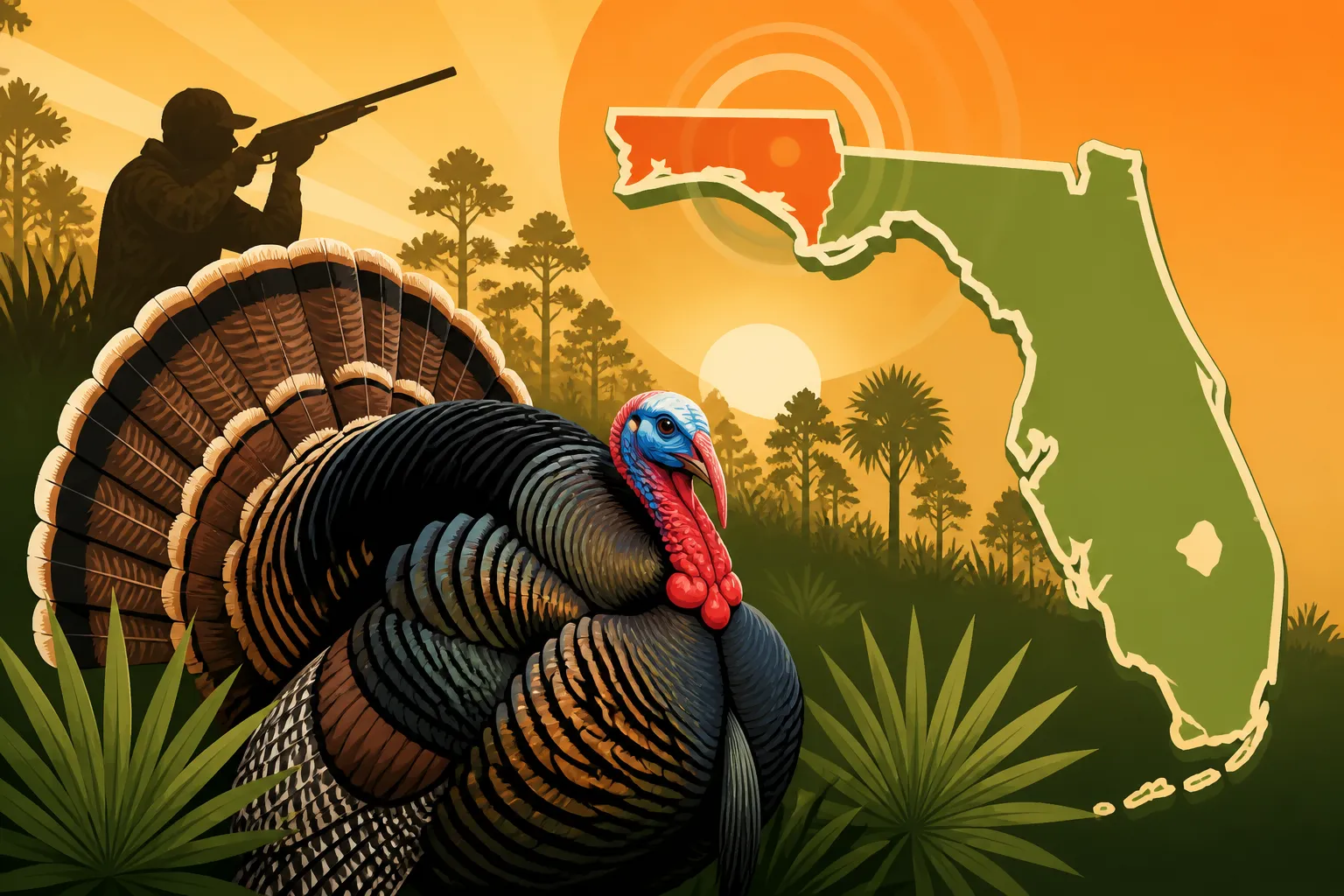
Hunting Florida’s Eastern Panhandle Turkey
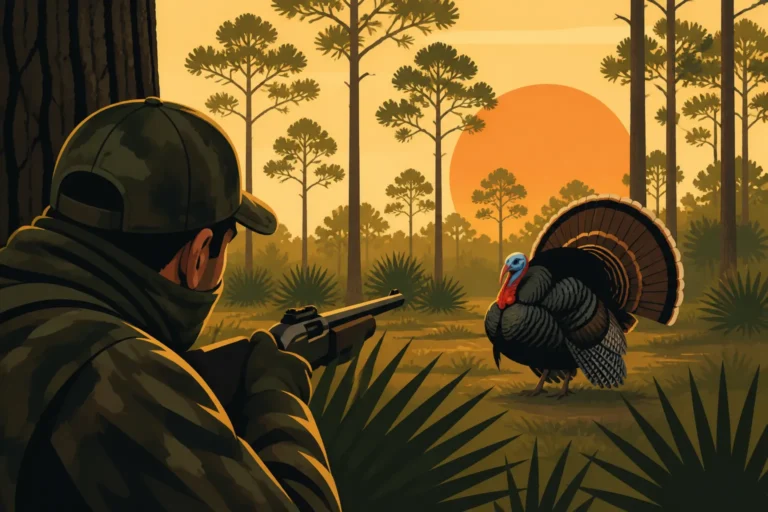
Chasing a gobbler in Florida's Panhandle can be a truly unique experience, a world away from the classic midwestern timber or the open plains out west. You're facing diverse ecosystems, from sprawling pine plantations to thick hardwood bottoms and cypress swamps, all while dealing with a bird that can be as cooperative as he is notoriously tight-lipped. This comprehensive guide is here to walk you through every aspect of hunting Eastern wild turkeys in the Florida Panhandle, helping you understand their behavior, navigate the terrain, and refine your tactics for a successful hunt.
Understanding the Eastern Turkey in Florida's Panhandle
When you talk about turkey hunting in Florida, most folks immediately picture the elusive Osceola. But up in the Panhandle, it's a completely different ballgame. Here, we're after the Eastern wild turkey, a subspecies with its own distinct characteristics and behaviors, shaped by the unique landscapes of Northwest Florida. Understanding these nuances is the first step toward filling your tag.
Eastern vs. Osceola: Genetic and Behavioral Differences
While both are wild turkeys, the Eastern and Osceola subspecies are separated by more than just geography; they have identifiable genetic and behavioral traits that impact how you hunt them. The Eastern turkey, found across much of the eastern United States, is generally larger and darker than its Osceola cousin, which is endemic to peninsular Florida. Easterns typically have chestnut-brown tips on their tail feathers, a stark contrast to the chocolate-brown tips of Osceolas. Their overall iridescent plumage can appear more bronze and copper in the sunlight.
Behaviorally, Easterns in the Panhandle often face different pressures. While Osceolas are accustomed to the sprawling palmetto and flatwoods of South Florida, Panhandle Easterns inhabit a landscape that's frequently more rugged and diverse, including significant timber operations and agricultural lands. They can be incredibly wary, often having encountered human presence more regularly, whether from logging, recreation, or previous hunting pressure. This can make them less eager to commit to calls, requiring more patience and subtle tactics. Understanding that you're not dealing with an "Osceola with brown tips" but a distinct bird altogether is crucial for setting your expectations and adapting your strategy.
Preferred Panhandle Habitats
The Florida Panhandle offers a rich tapestry of habitats, all of which the Eastern turkey utilizes throughout the year. You'll find these birds thriving in mature pine forests, especially those managed with prescribed burns that create open understories rich in insects and forb growth. These open pine woods, particularly areas of Hunting Florida Panhandle Pine Plantations, provide excellent visibility for gobblers to strut and for hens to feed. However, they also frequent mixed pine-hardwood forests, where majestic oaks, hickories, and sweetgums provide crucial mast crops like acorns, which are vital food sources, especially in the fall and winter months.
Don't overlook the edges of agricultural fields, such as peanut or corn fields, where turkeys will forage for leftover grains. River bottoms and creek swamps, with their dense cover and often abundant insect life, serve as excellent roosting sites and escape cover, particularly during the heat of the day. The mosaic of these habitats — open pines for strutting, hardwoods for food, and thick bottoms for refuge — is what makes the Panhandle so appealing to Eastern turkeys and, consequently, so dynamic for hunters. Learning to read these diverse landscapes and anticipate how turkeys move between them is a cornerstone of successful hunting here.
Population Trends and Distribution
Florida's Panhandle maintains a healthy and robust Eastern turkey population, thanks to diligent management by the Florida Fish and Wildlife Conservation Commission (FWC) and extensive habitat suitable for these birds. While specific numbers fluctuate annually based on nesting success and environmental factors, the region consistently offers some of the best opportunities for hunting Easterns in the state. The areas north of Interstate 10, particularly counties like Leon, Gadsden, Jackson, and Holmes, are well-known hotspots. However, solid populations can be found throughout the entire Panhandle, extending westward toward Pensacola and eastward into the Big Bend region.
The distribution of birds is often tied directly to habitat quality and public land availability. Large tracts of national forest land, such as the Apalachicola National Forest, and numerous Wildlife Management Areas (WMAs) provide significant opportunities for public land hunting. On private lands, which dominate much of the region, turkeys also flourish, often benefiting from agricultural practices and timber management that create ideal habitat. To get a better sense of local populations and success rates, checking the latest FWC Florida Turkey Population Trends reports or WMA-specific harvest data can offer valuable insights and help you pinpoint areas with higher bird densities.
Key Seasons and Regulations for Panhandle Easterns
Before you even think about setting foot in the woods, it's absolutely critical to familiarize yourself with Florida's specific hunting seasons and regulations for Eastern turkeys in the Panhandle. These rules are in place to ensure sustainable populations and ethical hunting practices. While some general statewide rules apply, there are often subtle but important differences that impact how and when you can hunt.
Spring Season Dates and Bag Limits
The spring turkey season in the Florida Panhandle, which falls within the "Eastern Zone," typically opens in mid-March and runs through late April. These dates are specifically designed to coincide with the peak of gobbling activity and breeding, providing hunters with the best chance to encounter vocal, strutting longbeards. It's important to remember that these dates can shift slightly year to year, so always check the most current FWC regulations for Florida Eastern Spring Season Dates.
The bag limit for the spring season is generally two gobblers or bearded turkeys per hunter. This means you can harvest two adult male turkeys, or any turkey with a visible beard, during the entire spring season. However, there's also a daily bag limit, which is typically one gobbler or bearded turkey per day. This requires hunters to make smart decisions and manage their tags responsibly throughout the season. Remember, once you harvest a bird, you must attach your tag immediately and report the harvest according to FWC guidelines. Understanding and adhering to these limits is fundamental to legal and ethical hunting in the Panhandle.
License and Permit Requirements
Hunting Eastern turkeys in Florida requires more than just showing up with a shotgun. You'll need the appropriate licenses and permits. For Florida residents, a valid hunting license is the baseline. On top of that, you'll need a Florida turkey permit. This permit specifically grants you the privilege to hunt wild turkeys. Non-residents face similar requirements but with higher license fees. Non-residents will also need a Florida hunting license and a Florida turkey permit.
If you plan to hunt on one of Florida's numerous Wildlife Management Areas (WMAs), which offer fantastic public land opportunities across the Panhandle, you'll also need a The Florida WMA Management Area Permit. This permit is crucial for accessing most public hunting grounds managed by the FWC. Always ensure you have all necessary licenses and permits physically or digitally on your person while hunting. The FWC website is the best resource for purchasing these and understanding the specific requirements for Florida Eastern Zone Turkey Permit Rules based on your residency status and chosen hunting grounds. Don't forget, if you were born after May 31, 1975, you'll also need to have successfully completed a Florida Hunter Education Requirements course.
Youth Turkey Weekend Considerations
Florida makes a concerted effort to introduce younger generations to hunting, and the youth turkey weekend is a prime example of this commitment. This special weekend, usually held a week or two before the general spring season opens, allows youth hunters (15 years old and younger) to hunt gobblers or bearded turkeys under the supervision of a licensed adult. It's a fantastic opportunity for kids to get out in the woods without the added pressure of adult hunters. The adult supervisor does not need a turkey permit but must possess a valid hunting license.
For families planning to hunt in the Panhandle, understanding these dates and rules is paramount. It allows you to focus solely on the youth hunter, providing valuable mentorship and an unforgettable experience. This early access gives young hunters a chance at unpressured birds, often leading to higher success rates and stronger connections to the outdoors. It's a wonderful tradition and one that encourages the responsible stewardship of our wildlife resources.
Essential Scouting and Pre-Season Preparation
Successful turkey hunting, especially for the wary Easterns of the Panhandle, rarely happens by chance. It's the culmination of dedicated scouting and meticulous pre-season preparation. You wouldn't go into an important exam without studying, and hunting turkeys is no different. The more you know about your hunting area and the birds inhabiting it, the higher your odds of success.
Utilizing Aerial Photos and On-the-Ground Reconnaissance
In today's hunting world, digital tools like aerial photos and satellite imagery are indispensable for scouting. Platforms like GoHunt provide incredibly detailed satellite maps that allow you to virtually explore vast tracts of land from your couch. You can identify potential roosting areas, often tall pines or cypress trees along creek bottoms or swamp edges. Look for clearings or field edges that might serve as strut zones, and pinpoint travel corridors between different habitat types. Pay close attention to subtle changes in elevation, water sources, and the transition lines between different types of timber. This digital reconnaissance, often referred to as Reading Aerial Photos for Florida Deer (though equally applicable to turkeys), can save you countless hours of aimless walking.
However, nothing truly replaces boots on the ground. Once you've identified promising areas on your maps, it's time to hit the woods. Walk the areas you intend to hunt several weeks or even months before the season opens. Look for actual turkey sign: droppings, shed feathers, tracks in sandy roads or mud, and dusting bowls. Listen for distant gobbling at dawn, even out of season, to confirm bird presence. Note potential ambush points, natural funnels, and areas of dense cover where turkeys might feel secure. The more intel you gather firsthand, the better equipped you'll be to make informed decisions when the season finally arrives.
Identifying Roosting Areas and Strut Zones
Locating roosting areas is often the key to getting on birds early in the morning. Turkeys typically fly up to roost in tall, sturdy trees an hour or so before dark and fly down around dawn. In the Panhandle, these often include large pine trees, cypress trees in or near swamps, or mature hardwoods offering strong limbs and good visibility. Scouting for these involves listening at dawn and dusk for gobbling or the distinctive "wing beats" as birds fly up or down. Once you've identified a likely roost, approach with extreme caution, well before dawn, and set up within hearing distance but far enough away not to spook the birds off the limb.
Strut zones are equally important. These are typically open areas where gobblers display for hens: logging roads, food plots, open pine stands, field edges, or even clear-cut regrowths. Look for fresh tracks, wing drag marks in soft soil, and concentrations of droppings. Often, gobblers will use the same strut zones repeatedly, especially if hens are frequenting the area. Identifying these locations allows you to position yourself strategically, either for a fly-down hunt from a roost or for a mid-morning setup where a gobbler is likely to bring his hens. Understanding the daily routine of the birds in your specific hunting block, whether on Public Hunting Land in Florida or private tracts, is paramount to consistent success.
Navigating Public Land Access and Pressure
Hunting public land in the Florida Panhandle presents both incredible opportunities and unique challenges, primarily due to hunting pressure. While areas like the Apalachicola National Forest and various WMAs offer vast tracts of huntable land, they can also see significant traffic, especially on opening day and weekends. Successful public land hunting often hinges on scouting areas that others overlook or are unwilling to access. This might mean hiking deeper into remote sections, using a kayak or canoe to access swamp edges, or focusing on less accessible corners of a WMA.
A good mapping app on your phone, like GoHunt, or a dedicated GPS unit is invaluable for navigating these large areas and staying within public land boundaries. Pay close attention to vehicle access points, designated camping areas, and established trails. Often, the farther you get from these common access points, the less pressure you'll encounter. Consider Scouting Florida Public Land Before Season to find those hidden gems and escape the crowds. Remember, respecting other hunters and adhering to all WMA-specific rules (which can vary) is essential for a positive public land experience.
Effective Calling Strategies for Panhandle Easterns
Calling a wild turkey is an art form, a conversation you're trying to orchestrate with one of nature's most wary creatures. For the Easterns of the Florida Panhandle, your calling strategy needs to be adaptable, nuanced, and realistic. There's no single magic call, but rather a repertoire of sounds and a deep understanding of when and how to deploy them.
Mastering the Diaphragm, Pot, and Box Calls
A well-rounded turkey hunter in the Panhandle carries a variety of calls, each with its own strengths.
-
Diaphragm Calls (Mouth Calls): These are perhaps the most versatile, allowing for hands-free calling which is critical when a gobbler is close and you need to remain absolutely still. With practice, you can produce everything from soft clucks and purrs to sharp cutts and yelps. Brands like Zink Calls and Primos offer a wide array of diaphragm calls. The key is to find one that fits comfortably in your mouth and allows you to produce realistic sounds without straining. Mastering the diaphragm call takes dedication, but its hands-free advantage is unmatched in crunch time.
-
Pot Calls (Slate or Glass): Pot calls, made from slate, glass, or aluminum surfaces, produce incredibly realistic turkey sounds. They offer excellent volume control, making them suitable for both loud, long-distance yelps and soft, close-range purrs. Carrying a selection of different strikers (wood, carbon, plastic) allows you to vary the tone. They are often easier for beginners to learn than diaphragm calls. A Lynch Mob or a Hooks Custom Calls pot call can be deadly in the right hands.
-
Box Calls: These are perhaps the easiest to learn and can produce loud, resonant yelps that carry a long distance, making them ideal for locating birds. They are great for producing loud cutts and clucks to get a gobbler to shock gobble. However, they are not hands-free and can be cumbersome to operate when a bird is in close. Brands like Quaker Boy have been producing reliable box calls for decades.
The real mastery comes from knowing when to use each, and how to combine them to create a convincing sequence. Often, starting with a loud box or pot call to locate a bird, and then switching to a soft diaphragm call as he approaches, is a highly effective tactic.
Aggressive Calling vs. Soft Talk Tactics
The temperament of Panhandle gobblers can vary wildly, even within the same day, dictating whether you need an aggressive approach or subtle "soft talk."
-
Aggressive Calling: When a gobbler is distant, perhaps just a faint gobble on the horizon, or when you're trying to fire up a bird that seems reluctant, aggressive calling can be very effective. This involves loud, sharp cutts, rapid yelps, and excited clucks. The goal is to sound like a hot hen, ready to breed, creating a sense of urgency and competition. This approach is particularly useful in large, open pine stands or when you're trying Run-and-Gun Turkey Tactics on Florida Public Land to cover a lot of ground quickly. Be careful not to overdo it, however; too much aggressive calling can sometimes spook wary birds, especially on heavily pressured public land.
-
Soft Talk Tactics: Once a gobbler is in close, within 100-150 yards, or if he's "hung up" and refusing to come closer, it's time to switch to soft talk. This means quiet clucks, purrs, and soft tree yelps. The idea is to make him think the hen is losing interest or moving away, forcing him to close the distance. This is where a diaphragm call really shines, allowing for subtle, hands-free sounds. Often, silence is your best call at this stage. A few soft purrs and then nothing can be incredibly enticing, playing on the gobbler's curiosity and desire to find the "hen" he just heard. Learning to read the bird's response and adjust your calling accordingly is what separates consistent turkey hunters from those who just get lucky.
Decoy Setups for Panhandle Terrain
Turkey decoys can be a game-changer, but their effectiveness often depends on the scenario and terrain. In the more open environments of the Panhandle, like pine plantations or field edges, decoys offer visual confirmation that can pull a reluctant gobbler the last few yards.
-
Single Hen Decoy: A lone hen decoy is often all you need. Place it in an open area where an approaching gobbler can see it from a distance. The key is to position it so the gobbler will present a clean shot when he comes to investigate. Quartering away from your setup, approximately 20-25 yards out, is a common and effective placement.
-
Hen and Jake/Gobbler Decoy: Adding a jake or submissive gobbler decoy alongside a hen can really fire up a dominant gobbler, triggering his aggressive instincts. He'll often come in spoiling for a fight, presenting a great shot opportunity. Place the jake decoy facing away from you, as if he's trying to breed the hen, and position the hen decoy slightly in front. Ensure the jake or gobbler decoy's head is upright and dominant-looking to maximize its challenge to a live gobbler.
-
Fan Decoys/Stalking Decoys: These have gained popularity, allowing hunters to slowly stalk birds by hiding behind a fan of real or artificial turkey feathers. While highly effective in some situations, especially for drawing in wary birds, they carry inherent risks, particularly on public land where another hunter might mistake your fan for a live turkey. Always exercise extreme caution and be aware of your surroundings if using this method. Brands like Avian-X and Mojo Outdoors produce highly realistic decoys.
Regardless of your setup, always position decoys in a way that encourages the gobbler to come into your shooting lane, and always be aware of your backdrop to ensure maximum concealment for yourself.
Hunting Tactics for Diverse Panhandle Terrain
The Florida Panhandle is a patchwork of distinct ecosystems, and a successful turkey hunter understands that a "one-size-fits-all" approach simply won't cut it. Adapting your hunting tactics to the specific terrain you're in—whether vast pine plantations, dense hardwood hammocks, or wet cypress swamps—is crucial for consistent success on Eastern gobblers.
Still-Hunting Pine Plantations and Hardwood Hammocks
Still-hunting is a highly effective tactic in the right Panhandle environments, particularly in more open pine plantations or within mature hardwood hammocks. This involves moving incredibly slowly, stopping frequently, and using your eyes and ears far more than your calls.
In pine plantations, which can span thousands of acres, the open understory (especially after a prescribed burn) allows for good visibility. Still-hunt into the wind, taking one or two deliberate steps, then pausing for several minutes to scan for movement and listen for subtle sounds—a distant gobble, the drumming of a strutting bird, or the rustle of leaves as a turkey feeds. Turkeys often feed slowly through these areas, so patience is key. The tall pines provide excellent cover for you to lean against and break up your silhouette. Look for subtle terrain features like slight rises or breaks in the timber that might funnel birds.
Hardwood hammocks, often found along creek bottoms or adjacent to agricultural fields, offer different challenges and opportunities. The thicker canopy and understory can limit visibility but also provide more cover for both you and the turkeys. Still-hunting here means moving even slower, focusing on transition zones, acorn flats, and the edges of dense cover. Use the contours of the land and the trees to your advantage, always trying to keep a tree trunk between you and where you expect a turkey to appear. This method requires intense concentration and a willingness to be utterly silent, but it can be incredibly rewarding when you slip in on an unsuspecting longbeard.
Run-and-Gun Tactics on Large Public Tracts
For vast expanses of public land, such as the Apalachicola National Forest or large WMAs, Run-and-Gun Turkey Tactics on Florida Public Land can be your most productive approach, especially if birds are scattered or pressured. This method involves covering a lot of ground, stopping frequently to call, listening for a response, and then quickly moving towards any birds that answer.
Start by making loud, aggressive locator calls—sharp cutts and loud yelps with a box or pot call—to try and elicit a shock gobble. Once you hear a response, resist the urge to immediately set up and call more. Instead, quickly but quietly move in the direction of the gobble, trying to close the distance as much as possible without spooking the bird. Your goal is to get within 150-200 yards before setting up your final ambush. Once you've moved closer, you can transition to more subtle calling, trying to coax the gobbler into your setup.
This tactic demands good physical conditioning, an intimate knowledge of your hunting area (often gleaned from GoHunt maps), and the ability to make quick decisions. It's about being proactive rather than reactive, constantly seeking out birds and aggressively pursuing them. While it can be exhausting, it's often the best way to find and engage with gobblers that aren't tied to a specific roost or strut zone and are simply roaming large territories.
Ambushing Birds Along Creek Bottoms and Field Edges
Creek bottoms and field edges are classic turkey hotspots in the Panhandle, offering predictable travel routes and excellent feeding opportunities. Setting up an ambush in these areas can be highly effective, especially during mid-morning when birds are often on the move or in the afternoon as they head back toward roosting areas.
Creek bottoms provide essential water sources, dense cover, and often act as natural corridors for turkeys moving between different habitat types. Look for areas where the creek makes a bend, creating a natural pinch point, or where a logging road or game trail crosses the creek. Set up on high ground overlooking these features, ensuring you have a clear shot and a solid backdrop. Calling softly can draw birds along the creek, or you can simply wait for them to pass through naturally. Turkeys often roost in the tall trees bordering these bottoms, so they can be great places for early morning fly-down setups as well.
Field edges, particularly those bordering corn, peanut, or chufa fields, are prime feeding grounds for turkeys. Set up along the edge of the woods, where you have good concealment but a clear view of the field. Position yourself 15-20 yards back from the edge of the field, allowing the birds to commit to the open before entering your effective range. Decoys can be particularly effective here, drawing birds out into the open for a clean shot. Be mindful of the sun's position, setting up so it's not in your eyes, and so the turkeys are looking into it as they approach, making it harder for them to spot you. These transition areas are where turkeys often feel secure enough to feed and strut but still have easy access to cover, making them excellent spots for strategic ambushes.
Gear and Equipment for Florida Eastern Turkey Hunting
Hunting Eastern turkeys in the Florida Panhandle means preparing for diverse weather conditions and often challenging terrain. Having the right gear isn't just about comfort; it's about increasing your chances of success and ensuring your safety in the field. From what you wear to the firearm you carry, every piece of equipment plays a role.
Camouflage and Concealment for Florida Greenery
Florida's natural environment is vibrant and diverse, requiring camouflage that blends seamlessly with its unique colors and textures. Forget the snow camo; you'll want patterns designed for lush green foliage, palmetto, and pine forests. Brands like Mossy Oak Bottomland, Realtree APG, or a good all-purpose green pattern are excellent choices.
Layering is crucial due to Florida's unpredictable weather, which can range from chilly mornings to hot, humid afternoons, even in spring. Start with a moisture-wicking base layer, add an insulating layer if mornings are cool, and top it with a quiet, breathable outer layer. Look for fabrics that won't make noise as you move or brush against palmetto fronds. Head nets, face paint, or a full facemask are non-negotiable; a turkey's eyesight is legendary, and any exposed skin will give you away. Gloves are also essential for concealing hand movement. Remember, the goal is to disappear into the landscape, becoming just another shadow in the Florida greenery.
Shotguns, Chokes, and Ammunition Selection
For Eastern turkeys, a 12-gauge or 20-gauge shotgun is the standard. Many hunters prefer a 12-gauge for its wider range of load options and heavier payload, but modern 20-gauges with specialized turkey loads are incredibly effective and lighter to carry, which can be a huge plus when covering a lot of ground. Pump-action and semi-automatic shotguns are common choices, offering reliability and quick follow-up shots if needed.
The choice of choke is critical for maximizing your pattern density at turkey-hunting ranges. A full or extra-full choke is almost universally recommended, as it concentrates the pellets into a tight pattern, increasing your chances of a clean head and neck shot. Brands like Carlson's Choke Tubes and Trulock Chokes offer excellent aftermarket options tailored for turkey hunting.
Ammunition has seen significant advancements, with high-density pellets like Tungsten Super Shot (TSS) becoming incredibly popular. While more expensive, TSS loads deliver superior pellet count and penetration compared to traditional lead or even heavier-than-lead bismuth, extending your effective range and creating devastating patterns. Fiocchi and Apex Ammunition are popular choices for TSS loads. Always pattern your shotgun with your chosen choke and ammunition before the season to understand its effective range and point of impact. Knowing your gun's capabilities will build confidence and ensure ethical shots in the field.
Essential Field Accessories and Safety Gear
Beyond your primary weapon and camouflage, a few essential accessories can make or break your hunt:
- Comfortable Seat/Cushion: You'll be spending a lot of time sitting still, often against trees or stumps. A small, lightweight seat cushion or portable stool can make hours of waiting much more bearable.
- Decoy Bag: If you're using decoys, a separate bag to carry them, preferably with soft fabric dividers, will protect them and keep them quiet.
- Water and Snacks: Florida weather can be draining. Always carry enough water to stay hydrated, and a few high-energy snacks will keep your focus sharp.
- First-Aid Kit: A small, personal first-aid kit with essentials for cuts, scrapes, and insect bites is a smart addition to any hunting pack.
- Headlamp: For pre-dawn setups and post-dark retrieves, a reliable headlamp with a red light option (to preserve night vision) is indispensable.
- Mapping Device: Whether it's a dedicated GPS unit or a smartphone app like GoHunt with downloaded offline maps, navigation is critical, especially on large public tracts.
- Thermacell: Mosquitos and no-see-ums are a reality in Florida. A Thermacell unit can be a literal lifesaver, creating a scent-free zone of protection that allows you to sit still without constant swatting.
- Blaze Orange: While not always required while hunting turkey (check specific WMA rules), it's highly recommended to carry a piece of blaze orange clothing to wear when walking in or out of your hunting area, especially on public land, for safety. Knowing Florida Blaze Orange Requirements is essential for general hunting safety, even if turkey hunting has specific exemptions.
- Knife/Game Shears: For tagging and field dressing, a sharp knife or a sturdy pair of game shears will make quick work of your harvest.
- Bug Spray: Even with a Thermacell, a good insect repellent is always wise to have on hand.
Proper preparation with the right gear ensures you're ready for whatever the Florida Panhandle throws your way.
Post-Harvest Steps and Ethical Considerations
Harvesting an Eastern gobbler in the Florida Panhandle is a moment of triumph, the culmination of scouting, calling, and patience. But the work isn't over once the shot is fired. Ethical hunters understand their responsibilities continue, from proper tagging to respectful meat care and adherence to conservation principles.
Proper Tagging and Reporting Requirements
Congratulations on your harvest! The very first thing you must do after harvesting an Eastern turkey in Florida is to immediately attach your turkey tag to the bird. This tag, which comes with your turkey permit, must be securely affixed through the leg or beard. Failure to tag your bird immediately can result in serious penalties, as it's a critical step in the FWC's management and enforcement process.
Once tagged, you are also required to report your harvest to the FWC. This can typically be done through the FWC's website, via a mobile app, or by phone. The reporting process usually requires you to provide details such as the date of harvest, the county where the turkey was taken, and potentially some biological data like beard length and spur length. This data is invaluable to wildlife managers for monitoring turkey populations and setting future hunting regulations. Always make sure to report your harvest within the specified timeframe, usually within 24-48 hours.
Field Dressing and Meat Care in Warm Weather
Florida's spring turkey season often means dealing with warm, humid weather, which can rapidly spoil game meat if not handled properly. Prompt field dressing is essential to cool the carcass as quickly as possible.
- Gutting: Carefully remove the entrails as soon as possible after harvest. This significantly reduces body heat and prevents bacteria from contaminating the meat. Be gentle to avoid puncturing the intestines.
- Plucking or Skinning: Many hunters prefer to pluck their turkeys for the best culinary experience, as the skin adds flavor and moisture. However, plucking can be time-consuming. Skinning is a quicker alternative, especially in hot weather, though it does remove the flavorful skin. If you plan to mount the bird, only skin it from the breast down, leaving the wings, tail, and head intact for the taxidermist.
- Cooling: Once field dressed, get the bird into a cooler with plenty of ice as soon as possible. Even a short drive in warm temperatures can start to degrade the meat. If possible, submerge the carcass in an ice bath. The goal is to bring the internal temperature down rapidly and keep it cold until you can process it further. This is similar to best practices for Field Dressing a Deer in Hot Weather.
- Processing: Back at camp or home, you can further break down the bird into breasts, thighs, legs, and wings. Package the meat in vacuum-sealed bags or freezer paper, label it with the date, and freeze it. Properly cared-for turkey meat is a delicious reward for your efforts.
Responsible Hunter Conduct and Conservation
Being a responsible hunter extends beyond just following the law; it encompasses a deep respect for the animal, the land, and fellow outdoorsmen. This means always striving for ethical, clean kills, and never taking risky shots that could wound a bird without recovering it.
Conservation is at the heart of responsible hunting. Your license and permit fees directly fund wildlife management and habitat conservation efforts across Florida, helping to ensure healthy turkey populations for future generations. Participate in FWC surveys if asked, and report any illegal activity you witness to help maintain the integrity of hunting.
On public lands, practice Leave No Trace principles. Pack out everything you pack in, and leave the woods as you found them, or better. Be courteous to other hunters, hikers, and recreational users. Remember that you are an ambassador for the hunting community, and your actions reflect on all of us. By upholding these standards, you not only ensure the longevity of our hunting heritage but also contribute to the health of Florida's incredible natural resources.
Dealing with Challenging Scenarios
Turkey hunting in the Florida Panhandle, while rewarding, often throws curveballs. From gobblers that suddenly go quiet to unpredictable weather patterns and crowded public lands, being prepared for challenging scenarios is part of the game. A flexible mindset and a few strategic adjustments can often turn a tough hunt into a successful one.
Strategies for Silent or Hung-Up Gobblers
Every turkey hunter has experienced the frustration of a silent gobbler or a bird that hangs up just out of range. These situations test your patience and calling prowess.
- The Silent Treatment: If a gobbler suddenly stops gobbling, don't panic or overcall. Sometimes, less is more. Switch to very soft clucks and purrs, almost whisper-like, and then go completely silent. He might be trying to slip in quietly, or he might be expecting the "hen" to come to him. Maintain vigilance, scanning constantly for movement, as he could appear at any moment. You might also try a "fly-down cackle" if you think he's still on the roost but quiet; this mimics a hen flying off the limb and can sometimes coax a response.
- The Hung-Up Gobbler: This is perhaps the most common frustration. The gobbler is strutting and gobbling, but he won't commit to those last 50-70 yards.
- "Go Away" Call: A counter-intuitive but often effective tactic is to make a soft "go away" call—a few quiet clucks and purrs, then immediately turn your back to the bird (while still watching from the corner of your eye) as if you're slowly walking away. His ego might kick in, forcing him to close the distance.
- Circle and Re-engage: If terrain allows, silently circle around the hung-up bird, trying to get ahead of him or position yourself to ambush him if he continues on his current path. Be extremely cautious not to spook him during your move.
- Decoy Adjustment: If you're using decoys, and the bird is hung up, sometimes a slight adjustment, or even taking them down if you suspect he's seen them and is wary, can make a difference. If he's already seen them, try adding a jake decoy to challenge him more aggressively.
- Patience and Stealth: Often, the best strategy is simply to stay put, remain silent, and wait him out. A hung-up gobbler might eventually get bored or decide to investigate if he thinks the hen has left. This requires ironclad patience and absolute stillness.
Adapting to Unpredictable Florida Weather
Florida's spring weather can be a rollercoaster, from sunny and warm to torrential downpours and sudden cold fronts. Being prepared and adaptable is key.
- Rainy Days: Turkeys often go quiet during heavy rain, but they will still gobble, especially after a drizzle or light shower. If it's raining, focus on areas with good cover like dense pine stands or hardwood bottoms. Birds might stick to established logging roads or field edges that offer easier travel than soaked undergrowth. Waterproof gear is essential.
- Cold Fronts: A sudden drop in temperature can make birds less vocal, but they still need to feed. Focus on food sources like acorn flats or freshly burned areas where insects might be more exposed. Consider moving more and calling less, using your eyes to locate birds that are feeding silently.
- Hot Afternoons: As the day heats up, gobbling often slows. Turkeys will seek shade and water. Focus your efforts on creek bottoms, swamp edges, or dense hammock islands where they might be resting. Mid-day can be a good time to still-hunt or post up along travel corridors leading to these cooler spots.
- Windy Conditions: Wind can make hearing gobblers incredibly difficult and can also make birds less vocal. On windy days, try to hunt areas with natural windbreaks like dense timber or deep ravines. Use louder calls to cut through the wind, and focus on moving more slowly and visually scanning for birds. Being downwind of where you expect birds to be is critical, as the wind will carry your scent.
Always check the local forecast before heading out and pack accordingly. Layers are your best friend, allowing you to adjust to changing conditions.
Overcoming Hunting Pressure on Public Land
Hunting public land in the Panhandle means sharing the woods, and often dealing with other hunters. High pressure can make gobblers extremely wary and less responsive to calls.
- Go Deep, Go Early: The most common advice, but it's true: most hunters don't venture far from access points. Use tools like GoHunt to identify remote corners of WMAs or national forests, and be willing to put in the miles to get there. Getting to your spot well before dawn also gives you a head start on any other hunters.
- Hunt Mid-Week: If your schedule allows, hunting on weekdays rather than weekends can drastically reduce pressure. Birds that are shut down on Saturday might be more responsive on a Tuesday.
- Be Patient and Observe: Instead of charging in on the first gobble, sometimes it pays to sit back, listen, and observe. Let other hunters push birds around. You might be able to intercept a gobbler that's been bumped off another hunter's setup.
- Silent Approach: On pressured land, often the best "call" is silence. Gobblers quickly learn to associate human calls with danger. Focus on getting into position quietly, without calling, and let a few soft clucks and purrs be your only offering if you absolutely need to.
- Hunt Overlooked Habitats: While everyone else might be focusing on open pine flats, explore the thickets, the cypress edges, or the less accessible areas that other hunters avoid. These can be sanctuaries for pressured birds.
- Safety First: When hunting pressured public land, always prioritize safety. Wear Florida Blaze Orange Requirements when moving between spots (if not actively calling), and identify yourself verbally to other hunters if you see them. Assume every sound could be another hunter.
By understanding the challenges and adapting your approach, you can still find success on Eastern turkeys, even in the most demanding conditions of the Florida Panhandle.
Disclaimer
Hunting is an inherently dangerous activity. This guide provides general information and recommendations for hunting Eastern wild turkeys in the Florida Panhandle. Always prioritize safety, adhere to all local, state, and federal hunting regulations, and obtain proper landowner permission if hunting private land. The Florida Fish and Wildlife Conservation Commission (FWC) is the ultimate authority for all hunting rules and regulations in Florida. It is the individual hunter's responsibility to verify all current seasons, bag limits, license requirements, and WMA-specific rules before hunting.