Spot-and-Stalk Bear Hunting in Florida
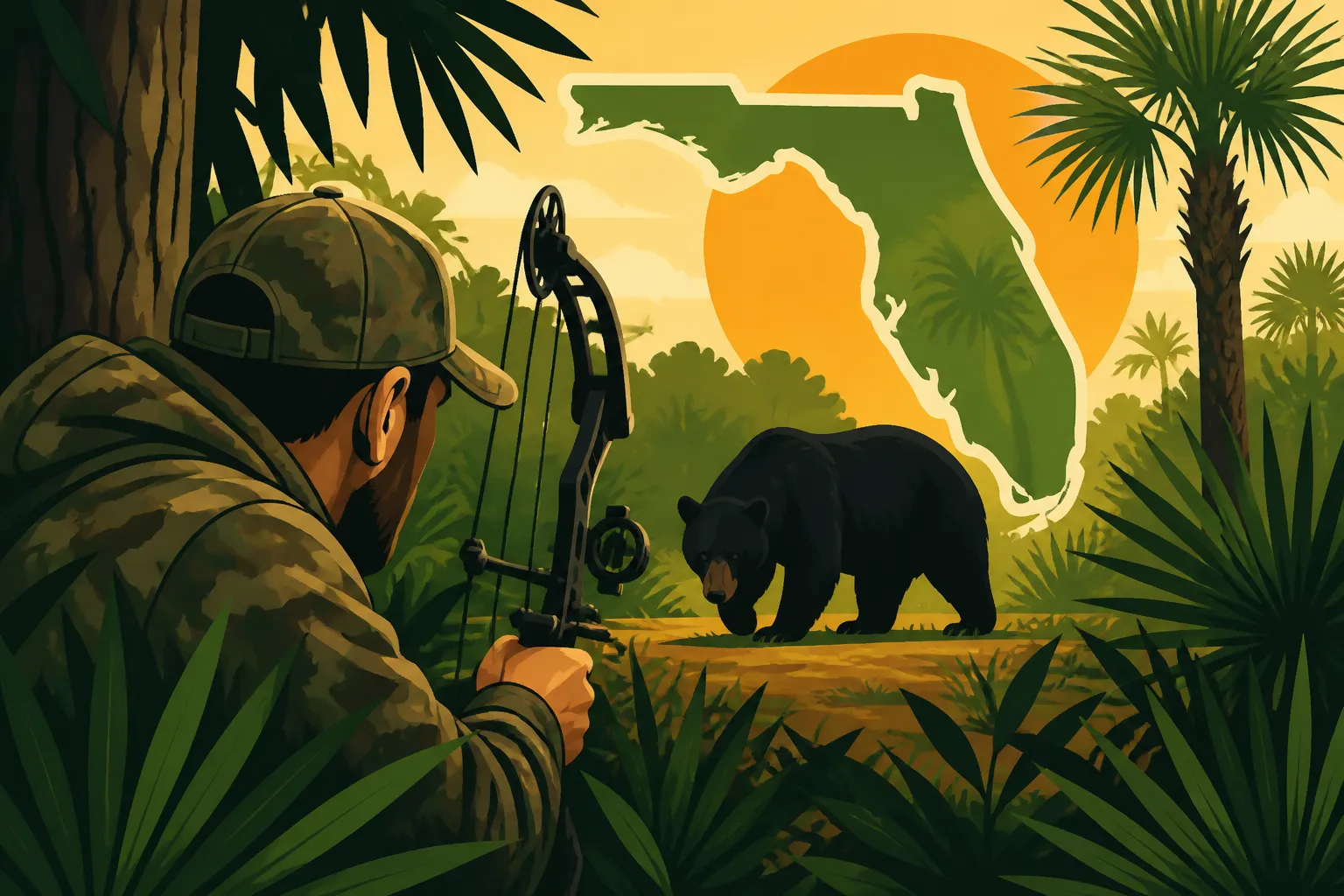
For many hunters, the very idea of "spot-and-stalk" hunting a black bear in Florida might sound like a tall tale, or at least a monumental challenge. With our dense palmetto scrub, thick cypress swamps, and humid air, it's a far cry from the open landscapes of the West. But let me tell you, it's not only possible, it's an incredibly rewarding experience if you know how to approach it. This guide is dedicated to breaking down the intricacies of successfully spot-and-stalking a black bear in Florida, offering practical advice to help you navigate our unique terrain and hopefully, fill your tag.
Understanding Florida's Black Bears and Their Habitat
Florida black bears are a unique subspecies, adapted to our subtropical environment, and if you're going to hunt them effectively, you first have to understand them. They aren't the grizzly bears of Yellowstone; they're smaller, often shier, and master navigators of thick cover. Knowing their habits and the places they call home is the absolute bedrock of a successful spot-and-stalk hunt.
Florida Black Bear Subspecies Explained
Our Florida black bears, Ursus americanus floridanus, are one of the smaller subspecies of American black bears. They've adapted to a diet rich in berries, nuts, insects, and even palmetto hearts, unlike their northern cousins who might rely more heavily on salmon or large game. This means their movements are often tied directly to seasonal food sources. For instance, when acorns are dropping in an oak hammock, you can bet bears will be focused there. When saw palmetto berries ripen, the bears will be in those dense, often impenetrable, flats. This dietary flexibility and reliance on specific mast crops means their movements can shift dramatically throughout the hunting season, making scouting for current food sources paramount.
Despite their smaller stature compared to some other black bear subspecies, a mature Florida black bear is still a formidable animal, often weighing in at 200-350 pounds for males, with some pushing 500 pounds or more in areas with abundant food. Their coats are typically jet black, though occasionally a cinnamon phase might be seen, especially in the Panhandle. They have a more slender build than bears in mountainous regions, an adaptation for moving through thick undergrowth and navigating wet terrain. Understanding these physical characteristics and their adaptive behaviors will greatly influence how you approach your hunt. You're not looking for a lumbering giant, but rather a sleek, intelligent creature perfectly at home in the Florida wilderness. For a deeper dive into their characteristics, you might find more information on Florida Black Bear Subspecies Explained.
Florida Bear Population Estimate and Typical Bear Behavior
The Florida Fish and Wildlife Conservation Commission (FWC) closely monitors our bear population, and the numbers show a remarkable recovery over the past few decades. The latest estimates place the statewide population at over 4,000 bears, a significant increase from just a few hundred in the 1970s. This success story is why we even have a bear season today. The highest densities of bears are found in areas like the Ocala National Forest, Apalachicola National Forest, and the vast Big Cypress Swamp. Knowing the approximate number of bears and their density in certain regions gives you a starting point for where to focus your efforts. You can usually get current figures from the FWC, and a detailed look at How Many Black Bears Live in Florida can give you even more context.
Typically, Florida black bears are crepuscular, meaning they are most active during dawn and dusk. However, during specific mast crop seasons, or in areas with less human pressure, they can be seen throughout the day. They are generally solitary animals, except for sows with cubs, or during the breeding season. They are incredibly wary and possess an exceptional sense of smell, keen hearing, and surprisingly good eyesight at close range. Spotting a bear in Florida’s dense cover requires patience and a deep understanding of how they use the landscape. They'll often follow game trails through palmetto thickets, utilize dry creek beds, or cross open areas quickly between cover. Your strategy needs to account for their stealth, their superior senses, and their preference for thick bedding areas where they feel secure.
Legal Framework and Season Specifics
Before you even think about stepping into the woods with a bear tag, you absolutely must be intimately familiar with Florida's bear hunting regulations. The season is highly regulated, often short, and specific to certain zones. Missing a key detail could turn a successful hunt into a costly mistake.
Florida's Reinstated Bear Hunting Season
Florida's bear hunting season has a history of starts and stops. After a long hiatus, the FWC reinstated a managed hunt in 2015 to address growing bear populations and increasing human-bear conflicts, particularly in certain zones. This decision was not made lightly and involved extensive research and public input. The season is designed to be highly conservative, with strict quotas to ensure the long-term health and stability of the bear population. It's a testament to successful conservation efforts that we even have this opportunity.
The season is typically very short, often lasting only a few days, or even less if regional quotas are met quickly. This creates a unique pressure, as hunters need to be prepared to act fast and efficiently. It's not a season where you can procrastinate or take multiple weeks off work. You need to be ready to go on opening day, often with a specific plan already scouted. For a comprehensive overview of the rules and historical context, understanding Florida's Reinstated Bear Hunting Season is a must.
Florida Bear Permit Application Process
Unlike deer or turkey, bear hunting in Florida is usually conducted under a quota system, meaning you need to apply for and draw a special bear permit. This isn't a guaranteed tag you can just buy over the counter. The application period usually opens well in advance of the season, often in late spring or early summer. You’ll apply through the FWC’s licensing system, and it's essential to stay on top of the application deadlines. This process helps the FWC manage harvest numbers and ensure the hunt remains sustainable.
The cost of the permit, especially for non-residents, can be substantial, so it's a significant investment that adds to the pressure of success. You’ll want to ensure all your information is correct and submitted on time. Odds of drawing a permit can vary greatly depending on demand and the number of permits allocated for each Bear Management Unit (BMU). It's always a good idea to research the previous year's draw odds to gauge your chances. If you're serious about bear hunting, start by understanding the Florida Bear Permit Application Process early.
Which Counties Are Open to Florida Bear Hunting
Florida is divided into several Bear Management Units (BMUs), and not all of them are open to hunting every year. The FWC designates specific counties or portions of counties within these BMUs where hunting is permitted. These decisions are based on local bear population densities, human-bear conflict data, and the overall management goals for each unit. For example, the North Management Unit (including much of the Panhandle) and the Central Management Unit (around the Ocala National Forest) have historically been key areas, but this can change.
It is absolutely critical to check the most current FWC regulations every year to confirm which counties are open for hunting. Do not rely on information from previous seasons, as boundaries and open areas can change. Hunting outside an open BMU or county is a serious violation. This detail cannot be overstated. Before you plan your scouting trips or apply for a permit, verify Which Counties Are Open to Florida Bear Hunting to ensure you are focusing your efforts legally and effectively.
Gear Essentials for Spot-and-Stalk
Spot-and-stalk hunting in Florida's unique environment demands specific gear choices that cater to our dense cover, heat, and humidity. This isn't a high-mountain sheep hunt; it's a swamp-and-scrub stealth operation. Having the right tools won't guarantee success, but the wrong ones will almost certainly lead to frustration.
Optics for Long-Range Scouting
You might think "long-range" scouting is impossible in Florida's thick woods, but that's where good optics become even more critical. While you won't be glassing across vast canyons, you will be using your binoculars or spotting scope to pick apart distant palmetto heads, scan the edges of cypress sloughs, or examine distant food plots and clear-cuts. High-quality binoculars (10×42 or 10×50 are excellent all-around choices) are invaluable for identifying subtle bear sign, like overturned logs, scat, or rubbed trees from a distance without disturbing the area. They're also essential for confirming if that dark lump under the oak tree is a stump or a bedded bear.
Consider a compact spotting scope if you're hunting larger, more open areas like sprawling pastures adjacent to dense cover or reclaimed phosphate mines. A rangefinder is also non-negotiable for ethical shooting, especially if you plan to use archery equipment or a muzzleloader where shot distance is critical. Brands like Vortex, Leupold, or Swarovski offer robust optics that can handle Florida's humidity and occasional rain. A good set of binos allows you to stay hidden and observe, crucial for the "spot" part of the equation when hunting such a wary animal in our challenging habitat. You can also use tools like GoHunt's mapping features to mark potential spots identified with your optics during scouting.
Footwear and Clothing for Florida Terrain
This is where many hunters go wrong. Forget the heavy insulation and wool of northern hunts. Florida bear hunting means lightweight, breathable, moisture-wicking clothing. Think technical fabrics that dry quickly. Long pants are a must to protect against thorns, palmetto fronds, and insects. Earth tones or camouflage patterns that blend with our greens, browns, and grays are ideal. A good snake-proof gaiter or even snake boots are highly recommended, as you'll be traversing dense, often unmanicured terrain where rattlesnakes and cottonmouths are common.
Your footwear is paramount. You need waterproof boots that offer excellent ankle support for uneven ground, but they also need to be comfortable enough for miles of walking in swampy, sandy, or muddy conditions. Many hunters opt for rubber boots (16-18 inches high) to protect against water and snake bites, especially when venturing into areas like the Big Cypress or Green Swamp. Layering is still wise, even in Florida, as mornings can be cool, especially in late fall, but the midday sun can quickly bring stifling heat. You want to be able to shed layers easily to regulate your body temperature and minimize sweating, which only amplifies scent.
Scent Control and Wind Awareness
If you take one thing away from spot-and-stalk bear hunting, it's that scent control and wind awareness are king. A bear's nose is its most powerful tool, far superior to a deer's. They can detect human scent from incredible distances, and once they do, your hunt is over. Start with scent-free laundry detergent for your hunting clothes. Shower with scent-eliminating soap. Use a carbon-lined bag to transport your hunting clothes. All these small steps add up.
However, no amount of product can completely eliminate human scent. This makes playing the wind absolutely non-negotiable. You must know the prevailing wind direction and how thermals will affect it. In flat Florida terrain, thermals are less about elevation changes and more about temperature differentials between open areas and dense cover, or between land and water bodies. Carry a wind checker bottle or powder and use it constantly. Your approach must always be into the wind or with a quartering wind that carries your scent away from the bear's likely location. If the wind isn't right for an approach, back out and try again later, or from a different angle. Impatience with the wind will guarantee a blown stalk. Understanding Wind and Thermals in Flat Florida Terrain is critical for any serious Florida hunter.
Mastering the Spot-and-Stalk Technique in Florida
Spot-and-stalk bear hunting in Florida is a game of patience, observation, and meticulous execution. It's often slow, deliberate, and requires a profound understanding of the landscape and the animal you're pursuing.
Identifying Bear Sign and Travel Corridors
The "spot" in spot-and-stalk isn't always about seeing the bear directly; it's often about spotting fresh sign that tells you a bear is here and now. Look for torn-up logs and stumps where bears have dug for grubs, fresh scat (often full of palmetto berries or acorns depending on the season), claw marks on trees (especially pines, where they'll often rub or climb), and tracks in soft dirt or mud. Overturned rocks or disturbed leaf litter can also indicate recent feeding activity. Pay particular attention to fresh mud rubs on trees, where bears will scratch and rub, leaving behind hair.
Once you find fresh sign, you need to extrapolate their travel corridors. Bears will often use the path of least resistance: old logging roads, utility easements, dry creek beds, or natural funnels between dense hammocks and water sources. These are prime areas to set up and wait, or to follow very slowly. Identifying these subtle indicators is like reading a story written by the bear itself, guiding you to its current whereabouts. A good scouting app, like those from GoHunt, can help you visualize these travel corridors on aerial maps, allowing you to plan your approach even before you step foot in the woods.
Reading the Wind in Dense Cover
We touched on wind awareness, but it deserves another deeper dive, especially in Florida's dense cover. The wind swirls and eddies in ways that are hard to predict when you're deep in a palmetto thicket or a cypress strand. What feels like a steady breeze above the canopy can be a chaotic swirl at ground level. This is where those little squeeze bottles of wind-check powder become your best friend. Use them constantly, even every few yards, to understand exactly how your scent is dispersing.
Dense vegetation can also create mini-thermals. A sunny patch of palmetto will heat up faster than a shaded, damp slough, creating subtle air movements. Always try to keep your scent cone from reaching areas where you suspect a bear might be bedded or feeding. If you're on a stalk and the wind shifts, you have two options: either retreat and find a new approach, or wait it out. Pushing forward when the wind is wrong is a guaranteed bust. Sometimes the best move is no move at all, just patiently waiting for the wind to favor you.
The Art of the Approach and Final Stalk
Once you've spotted a bear or definitive fresh sign, the stalk begins. This is where stealth and patience are paramount. Florida's terrain is notoriously noisy – crunchy palmetto fronds, dry leaves, snapping twigs, and squishy mud. Every step needs to be deliberate and quiet. Lift your feet high, test your footing, and place your weight down slowly, almost like a cat. Move slowly, taking five minutes to cover thirty yards if necessary. Use every bit of available cover: large palmetto clumps, fallen trees, brush piles, or even standing water.
The final approach is often the most challenging. Bears are incredibly sensitive to movement. Avoid direct eye contact if possible, as it can feel threatening. Keep your silhouette broken up against the background. If the bear is feeding, try to time your movements with its head down. If it's bedded, identify escape routes it might take and try to cut them off, or approach from a direction that puts you in a shooting lane quickly. Your heart will be pounding, but try to control your breathing and movements. Remember, it’s not a race. A slow, deliberate, well-executed stalk is far more likely to end in success than a rushed, noisy one.
Choosing Your Hunting Ground
Florida offers a variety of public lands that hold strong bear populations. Understanding the characteristics of these areas is key to selecting the right spot for your spot-and-stalk adventure. Each has its own unique challenges and opportunities.
Ocala National Forest Hunting
The Ocala National Forest, located in Central Florida, is arguably one of the most iconic bear hunting destinations in the state. It boasts a robust bear population and vast expanses of wild land. The terrain here is characterized by sand pine scrub, longleaf pine flatwoods, and numerous spring-fed lakes and swamps. The "big scrub" areas, with their dense, often impenetrable saw palmetto, provide excellent cover and food for bears. Hunting here requires an intimate knowledge of the area, as it's easy to get turned around. Many of the internal roads are sand, and access can be challenging in wet conditions.
Spot-and-stalk in Ocala often involves finding subtle openings or travel corridors within the dense palmetto. Bear activity is particularly high during the acorn drops in the oak hammocks that dot the landscape, and during the saw palmetto berry season. You'll often find yourself walking old tram roads or fire lines, scanning the dense edges for movement or fresh sign. It’s a truly wild experience, but it demands careful planning and a good mapping system to avoid getting lost. For detailed information, you can research Ocala National Forest Hunting.
Apalachicola National Forest Hunting
In the Florida Panhandle, the Apalachicola National Forest offers another prime bear hunting opportunity. This expansive forest features vast areas of longleaf pine, cypress swamps, and hardwood bottoms along its numerous rivers and creeks. The landscape here can feel a bit more varied than Ocala, with more distinct changes in elevation (though still relatively flat by most standards) and a greater prevalence of bottomland hardwood habitats. Bear populations here are strong, and the terrain offers a different set of challenges and opportunities for spot-and-stalk hunters.
Hunting the Apalachicola often involves focusing on river bottoms, cypress sloughs, and areas with dense gallberry and titi thickets. Bears here are also heavily reliant on seasonal mast crops, particularly acorns from the various oak species. Access can sometimes be easier than in Ocala due to a more developed network of forest roads, but the deep, mucky swamps can quickly become impassable. This area is also known for its strong hog populations, so you might encounter other game while on your bear hunt. Learning more about Apalachicola National Forest Hunting will give you insights into this distinct region.
Florida Wildlife Management Areas
Beyond the National Forests, Florida also manages numerous Wildlife Management Areas (WMAs) across the state that can offer bear hunting opportunities, typically as part of a quota hunt system. These WMAs are diverse in habitat, ranging from vast tracts of pine flatwoods and cypress swamps to more agricultural or managed landscapes. Examples include the Green Swamp Wilderness Preserve, Big Cypress WMA, and various state forest WMAs. Each WMA will have its own specific rules and regulations regarding access, vehicle use, and hunting methods, so a deep dive into the FWC regulations for your chosen WMA is critical.
Spot-and-stalk hunting on WMAs requires even more meticulous planning, as hunting pressure can be higher, and huntable areas might be smaller or have more restrictive rules. Many WMAs are designed to manage multiple species, meaning you'll need to understand the specifics of what's allowed during bear season. Use tools like the FWC's interactive public lands map and consider an app like GoHunt to scout aerial imagery, identify access points, and understand the terrain features of specific WMAs. For a broader understanding of what these areas offer, check out Florida Wildlife Management Areas.
Safety First: Encountering Bears and Other Wildlife
Hunting bears, especially on foot in dense cover, inherently comes with risks. While Florida black bears are generally not aggressive, encounters can happen, and you'll share the woods with other potentially dangerous wildlife. Being prepared and knowing how to react is as important as your hunting skills.
Bear Attack Prevention and Response
The vast majority of Florida black bears are shy and will avoid humans. However, a surprise encounter, especially with a sow and cubs, or a food-habituated bear, can lead to defensive behavior. The best prevention is to make noise as you move through dense cover (except when actively stalking) and be observant of your surroundings. Carry bear spray (holstered and easily accessible) and know how to use it. A loud air horn can also be an effective deterrent for bears that follow or show curiosity.
If you do encounter a bear at close range:
- Do not run. Running can trigger a chase response.
- Stand your ground and make yourself look large. Raise your arms, open your jacket, and speak in a loud, firm voice.
- Back away slowly. Give the bear plenty of space to retreat.
- If a bear charges defensively (bluff charge), stand your ground. It's usually a warning.
- If a bear attacks you, fight back. Black bears are not typically predatory towards humans, and fighting back can deter an attack. Aim for the face and eyes.
Always tell someone where you are hunting and when you expect to return. This is non-negotiable for safety, especially when deep in remote areas.
Dealing with Alligators and Snakes
Florida's woods are not just bear territory; they're also home to alligators and numerous species of snakes, some venomous. You will encounter them. Alligators are most common near water bodies, so be extra vigilant when crossing sloughs, creeks, or hunting near ponds. Give them a wide berth. They are generally more interested in avoiding you than confronting you, but they can be quick and powerful if surprised or feeling threatened, especially if you get too close to a nest.
Snakes are everywhere. Venomous species like rattlesnakes (eastern diamondback, timber), cottonmouths (water moccasins), and coral snakes are present in various habitats. Snake boots or gaiters are highly recommended, as mentioned earlier. Always watch where you step, where you place your hands when moving through thick brush, and where you sit. Never step over a log without first checking the other side. If you see a snake, give it space. Most bites occur when people try to handle, harass, or kill snakes. Your best defense is awareness and proper footwear.
Communicating with Your Hunting Partner
Hunting with a partner, especially for a challenging pursuit like bear hunting, adds a layer of safety and can significantly improve your chances of success. But effective communication is key. Before the hunt, establish clear hand signals, emergency plans, and a designated check-in schedule. Discuss how you will communicate during a stalk – whispers, gestures, or even staying completely silent while one person approaches.
Carry reliable communication devices. Cell service can be spotty or non-existent in many remote Florida hunting areas. Consider satellite communicators (like a Garmin inReach or a Zoleo) for emergency signaling or check-ins with family if you're truly off-grid. If you're hunting within range of each other, two-way radios can be invaluable for coordinating movements and relaying information without disturbing game with shouts. Always have a first-aid kit, and ensure at least one person in the party is trained in basic wilderness first aid.
Post-Harvest Considerations
Taking down a Florida black bear is a significant accomplishment, but the work isn't over when the shot is fired. Proper handling of the animal, adherence to reporting requirements, and ethical processing are crucial steps.
Field Dressing a Bear in Hot Weather
Florida's bear season, even in December, can still be warm, and bears are heavily insulated. This means rapid field dressing and cooling are absolutely essential to prevent meat spoilage. As soon as the animal is down and confirmed deceased, begin field dressing immediately. You'll want to remove the entrails as quickly as possible to allow the body cavity to cool.
Carry plenty of disposable gloves and sharp knives. Some hunters bring a game bag or even a portable tarp to keep the carcass off the ground during dressing. If possible, quarter the bear in the field to facilitate cooling and transport. Pack out the meat in game bags designed for breathability. Having a cooler with plenty of ice ready at your vehicle is non-negotiable. Get the meat on ice as soon as possible. Consider bringing a sturdy game cart if you're hunting in accessible areas to reduce the physical strain of dragging such a heavy animal, which can further heat the meat.
Processing Meat and Hides
Once the bear is field-dressed and cooled, you'll need to decide on further processing. You can either process the meat yourself or take it to a professional game processor. Bear meat can be excellent if handled properly, but improper handling can lead to a strong, undesirable flavor. Many hunters choose to grind much of their bear meat for sausages, chili, or stew. Be aware of the possibility of trichinosis in bear meat, and ensure it is cooked thoroughly to an internal temperature of at least 160°F (71°C).
If you plan to keep the hide, it also needs immediate attention. Skinning should be done as soon as possible after field dressing. If you're having it tanned, roll the hide flesh-side in and salt it thoroughly, then get it to a reputable taxidermist or tannery as quickly as you can. The hide is a heavy, thick trophy that needs meticulous care to preserve it from spoilage. Discuss your plans with a taxidermist before the hunt to understand their requirements for caping and preservation in the field.
Florida Bear Reporting Requirements
Florida has strict reporting requirements for harvested bears. This is a critical part of the FWC's management program, helping them track harvest numbers and ensure quotas aren't exceeded. Typically, you must report your harvest within 12 hours of the bear being taken and before it is moved more than an insignificant distance from the point of harvest. This can often be done through a dedicated phone number or the FWC's Go Outdoors Florida app.
After reporting, you may also be required to present the bear for biological sampling within a certain timeframe or at a designated check station. This allows FWC biologists to collect valuable data on age, sex, and health of the population. Failing to report your bear promptly and correctly can result in fines and penalties, and it undermines the very conservation efforts that allow us to have a bear season. Be sure to understand Florida bear reporting requirements fully before your hunt, and have the necessary contact information handy in the field.
Ethical Hunting and Conservation
Hunting isn't just about the harvest; it's about being a responsible participant in conservation. Especially with a species like the Florida black bear, which has seen such a significant recovery, ethical behavior and adherence to regulations are paramount to ensuring future hunting opportunities.
Respecting the Resource
Every bear taken is a valuable part of Florida's wildlife legacy. As hunters, we have a responsibility to treat the animal with respect, from the moment of the shot to the final processing. This means taking ethical shots, ensuring a quick and humane harvest, and making every effort to recover the animal. If you wound a bear, dedicating all available resources to tracking and recovering it is an absolute moral imperative.
Respect also extends to the land and other users. Leave no trace, pack out all your trash, and be mindful of your impact on the environment. Remember that Florida's public lands are shared resources. Your actions reflect on the entire hunting community, and demonstrating respect for the resource helps maintain public support for hunting and conservation. It's about being an ambassador for our sport.
Supporting Florida's Bear Management
The opportunity to hunt black bears in Florida exists because of sound scientific management by the FWC. This management relies on data collected from hunters, research, and public input. By following all regulations, accurately reporting your harvest, and participating in any required biological sampling, you are directly contributing to the ongoing health and management of Florida's bear population.
Additionally, a portion of your hunting license and permit fees goes directly to wildlife conservation efforts. This is the "hunter-conservationist" model in action. Supporting organizations that advocate for science-based wildlife management and ethical hunting practices also plays a role. We all want to see healthy bear populations thrive, and by being responsible, informed, and ethical hunters, we help ensure that future generations can also experience the thrill of hunting Florida's magnificent black bear.
Disclaimer
Please remember that hunting regulations, seasons, and permit requirements can change. Always consult the latest official Florida Fish and Wildlife Conservation Commission (FWC) regulations and advisories before planning or undertaking any hunting activity. This guide is for informational purposes only and does not supersede state laws or regulations.