Layout Blind Hunting a Flooded Rice Field
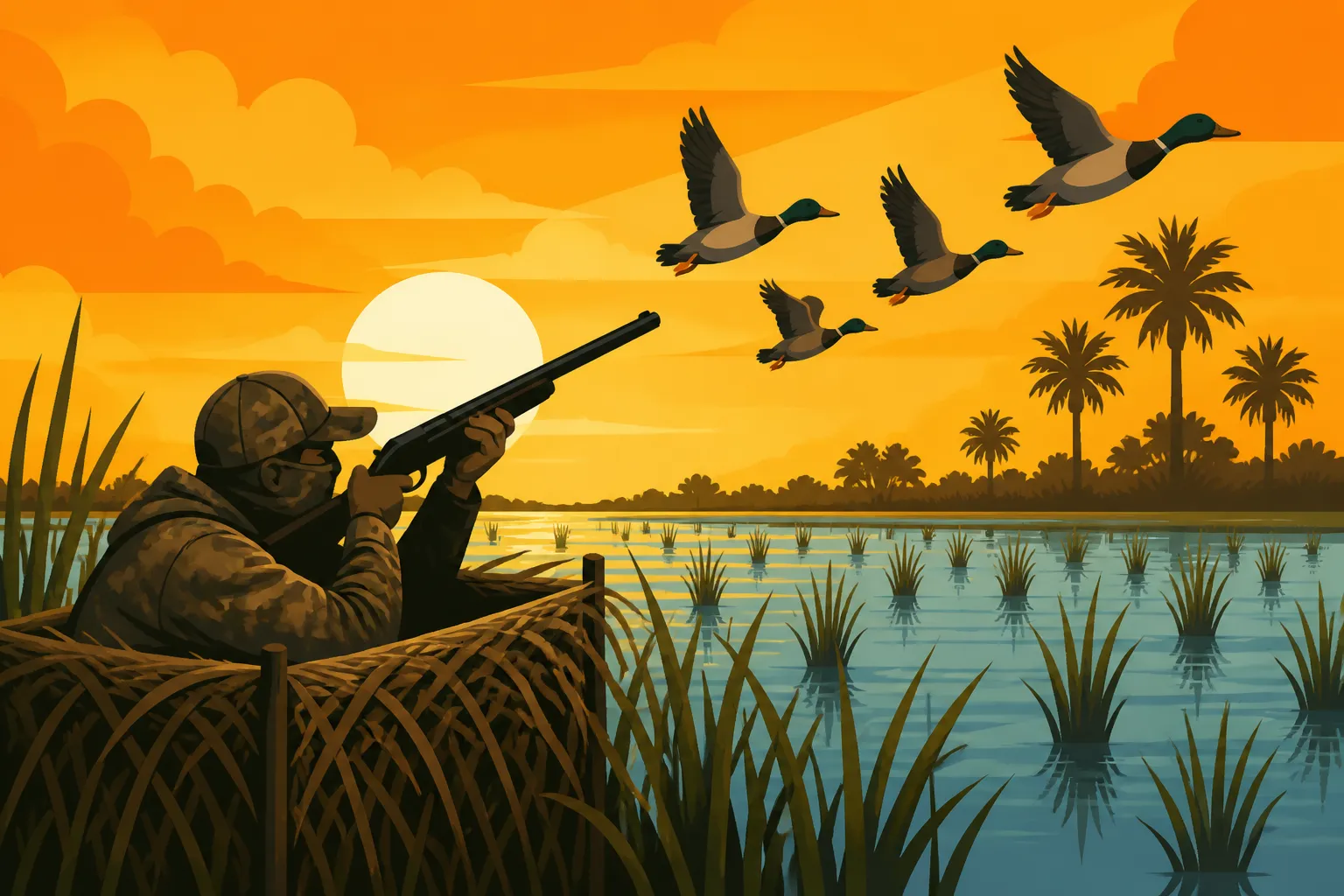
Hunting ducks in Florida's flooded rice fields can be one of the most rewarding yet frustrating experiences for a waterfowler. You've scouted, you've seen the birds piling in, but trying to disappear in what feels like an endless sheet of shallow water and stubble is a unique challenge. This guide aims to pull back the curtain on effectively hunting these specific environments using layout blinds, helping you blend seamlessly and decoy those wary birds right into your spread.
Understanding Flooded Rice Fields as Waterfowl Habitat
There's a reason ducks, especially dabblers, absolutely flock to flooded agricultural fields, and rice is often at the top of their menu. These managed wetlands, even if temporary, offer an irresistible combination that waterfowl simply can't pass up.
The Allure of the Ag Field for Waterfowl
Think about it: after a long migration, or even just a tough night dodging predators, what does a duck want? Easy food and safe, shallow water to rest and refuel. Rice fields provide exactly that. As the rice is harvested, or sometimes even before, fields are often flooded, either intentionally for different agricultural cycles or by natural rainfall, creating vast expanses of ideal duck habitat. The leftover rice grains, along with abundant insects and aquatic invertebrates that thrive in the shallow, still water, become a buffet for weary birds. It's a goldmine for caloric intake, essential for birds like teal and pintails that are either passing through or overwintering.
What makes these flooded fields so incredibly appealing is this perfect storm of readily available food, paired with shallow water depths that allow dabbling ducks to feed comfortably. Unlike deep natural marshes where food might be harder to reach, rice fields often have just a few inches to a foot of water, making it effortless for ducks to tip up and grab submerged grains or invertebrates. This combination often leads to huge concentrations of birds, especially during peak migration periods when the Duck Migration Timing Through Florida is in full swing. These fields, though man-made, mimic the best aspects of natural wetlands, providing both sustenance and a relative sense of security away from deeper, more open water bodies.
Florida's Agricultural Footprint for Ducks
While Florida is famous for its natural wetlands and coastal marshes, many don't realize the significant role agricultural areas play for waterfowl, especially in regions like the Panhandle and some parts of Central Florida where larger farming operations exist. These aren't always sprawling, industrial operations, but often include smaller, privately managed fields that become waterfowl magnets.
You’re likely to encounter a diverse mix of species in these fields. While you might see some larger ducks like mallards, pintails are a common sight, often seen silhouetted against the sky. Various species of teal, especially blue-winged and green-winged, can swarm these fields, particularly during the early seasons. Wood ducks also frequent the edges, seeking out cover, and you might even spot ringnecks or gadwall, depending on the field's proximity to larger bodies of water. These agricultural zones integrate seamlessly into the broader patterns of Florida's Place on the Atlantic Flyway, acting as crucial waypoints and wintering grounds for thousands of birds making their journey south. Understanding these flight patterns and local concentrations is key to successful hunting.
Why Layout Blinds Shine in Rice Fields
When you're hunting vast, flat landscapes like a flooded rice field, traditional blinds often stick out like a sore thumb. This is precisely where the versatility and effectiveness of a layout blind truly come into its own, offering concealment that's practically invisible to passing waterfowl.
The Low-Profile Advantage
One of the biggest frustrations for waterfowl hunters in open country is trying to hide from birds with an incredibly high vantage point. Ducks and geese approaching a spread from above can easily spot anything that breaks the natural horizon, and a full-size pit blind or A-frame can be a dead giveaway, no matter how well it's brushed in. This is where the layout blind truly earns its stripes; it’s designed to allow you to literally lay flat on the ground, or in this case, just above the shallow floodwaters, presenting an absolute minimum profile.
This low concealment is critical in flat, open environments where there's little natural cover to begin with. Imagine a freshly flooded rice field with only sparse stubble remaining – a traditional blind would scream "hunter!" from a mile away. A layout blind, however, when properly camouflaged, becomes just another lump in the field, blending in with the irregular contours of the ground and the remaining crop residue. Beyond just concealment, layout blinds also offer surprising ergonomic benefits. Spending hours hunched over in a bucket or cramped blind can be brutal, but many modern layout blinds are designed for comfort, allowing you to recline with adequate back support during those long waits between flights. This also means less movement when birds are working, which is often the biggest killer of a good setup.
Mobility and Adaptability on the Fly
One of the often-overlooked benefits of layout blinds, especially for those who hunt dynamic environments like rice fields, is their sheer mobility. Unlike a fixed pit blind that requires significant digging and construction, or a massive panel blind that's a pain to move, a layout blind is relatively lightweight and portable. This allows you to quickly adjust your setup based on changing conditions.
Have you ever set up decoys for a north wind, only for it to shift unexpectedly to the east halfway through the morning? It's a common frustration that can ruin a hunt. With layout blinds, you can pack up your small group of blinds and reposition them to take advantage of the new wind direction, placing yourself perfectly downwind of your spread where ducks want to finish. This adaptability also extends to bird movement. If you notice birds consistently favoring one corner of a large field, or if a new flight path develops, you can pick up and move with relative ease. Whether you're setting up on a subtle levee, tucked into a slight depression that offers a bit more natural cover, or directly in shallow water where you become part of the low-lying vegetation, the layout blind offers unparalleled flexibility. This is a huge advantage when you're Reading a Marsh for a Morning Flight and realizing the ducks aren't doing what you expected.
Essential Gear and Setup for Flooded Rice Field Hunts
Getting everything dialed in for a flooded rice field hunt means selecting the right tools for the job. It's not just about showing up with a shotgun; it's about being prepared for the unique environment, and that starts with your blind and how you're going to make yourself invisible.
Choosing the Right Layout Blind
Not all layout blinds are created equal, and for flooded rice fields, some features are absolutely non-negotiable. First and foremost, you need a blind that offers excellent waterproofing. While you're not swimming in it, sitting in standing water, even if shallow, means the bottom of your blind will be constantly wet. A blind with a robust, watertight bottom and sides will keep you dry and comfortable. Brands like Avery, Final Approach (FA), and Rogers Sporting Goods offer excellent options that are often designed with these conditions in mind.
Look for blinds with ample stubble straps. These are loops or pockets sewn onto the blind’s fabric, specifically designed to hold natural vegetation, which is absolutely crucial for blending in. The comfort factor is also key; you'll be lying down for hours, so consider the padding and back support. Ease of deployment and packability are also important – you don't want to wrestle with your blind in the dark before legal shooting hours. In Florida's often warm climate, even in winter, ventilation can be a consideration. While you want to be concealed, you don't want to overheat, so look for features like mesh face openings or breathable fabrics if possible. Being able to access scouting tools on an app like GoHunt on your phone from within the blind is a definite plus for checking current conditions or last-minute flight patterns.
Concealment and Blending Techniques
This is arguably the most critical step for success with a layout blind in a flooded rice field: becoming part of the landscape. Without proper concealment, even the best blind will fail. The primary goal is to break up your silhouette and match the immediate surroundings.
Start by gathering natural vegetation from around your hunting spot. Rice stubble, local grasses, and weeds are your best friends here. Stuff these generously into all the stubble straps on your blind. Don't be shy – over-stuffing is usually better than under-stuffing. The idea is to eliminate straight lines and hard edges, making the blind look like a random clump of vegetation. Some hunters even bring small bundles of rice stalks or dried grasses from home if the field they're hunting is particularly barren. If natural cover is sparse, synthetic camo material in patterns that match the local vegetation can be a good substitute, but always prioritize natural blending. Take a few steps back after you've brushed in your blind and look at it from different angles – if it looks like a blob, you need more texture and natural breaks. Remember, a duck's eyes are incredible, and they’re looking for anything out of place.
Waders, Decoys, and Other Must-Haves
Successfully hunting flooded rice fields requires more than just a blind and a shotgun. Waders are absolutely non-negotiable. You'll be wading through water to set up decoys, brush in your blind, retrieve downed birds, and pack out. Chest waders are typically preferred to keep you dry and warm, especially if you're dealing with deeper pockets or colder mornings.
When it comes to decoys, you'll want a mix. Floating decoys are essential for the open water, but consider adding some full-body field decoys on stakes if there are exposed mudflats or levees, mimicking resting birds. Motion decoys, like spinning-wing decoys (mojos) or jerk strings, can add crucial realism, especially on calm days. For the Early Teal Season Tactics in Florida, smaller teal decoys mixed in with standard duck decoys can be very effective. A good decoy bag or a sled is also vital for hauling everything through the mud and water. Always remember to carry your Florida Federal Duck Stamp Requirement and your Florida HIP Certification for Bird Hunters on your person. These aren't just legal requirements; they're essential parts of responsible waterfowl hunting that contribute to conservation efforts.
Here's a quick look at some common layout blind options and their general characteristics:
| Blind Type | Key Features | Pros | Cons | Best Use Case |
|---|---|---|---|---|
| Traditional Layout | Low profile, stubble straps, backpack straps | Excellent concealment, portable, widely available | Can be heavy, limited comfort for very long hunts | Flooded fields with moderate stubble |
| Backpack Layout | Lightweight, compact, integrates with backpack | Highly portable, quick setup, good for long walks | Less comfort, limited stubble straps, smaller footprint | Scouting intensive hunts, quick setups |
| Chair/Chair-Style | Elevated seat, backrest, mesh top | Excellent comfort, good visibility of birds | Higher profile, requires more brushing, heavier | Longer hunts, fields with taller cover |
| Hybrid Layout | Blend of traditional and chair, often convertible | Versatile, good balance of comfort/concealment | Can be more expensive, potentially more complex to set up | Varied field conditions, adaptable hunting styles |
Decoy Spreads and Calling Tactics
Getting ducks to commit to your spread in a flooded rice field requires more than just putting out decoys and blowing a call. It's an art form that blends visual appeal with auditory cues, all tailored to the specific environment.
Crafting an Effective Decoy Spread
The aim of any decoy spread is to create an illusion of safety and abundance that draws birds in. In a flooded rice field, the "landing strip" concept is often incredibly effective. This involves creating a clear, open patch of water directly in front of your blinds where the ducks feel comfortable landing. This open water should be framed by your decoys, appearing as a natural spot for birds to alight. You'll want to deploy a good number of decoys, but not necessarily an overwhelming amount. Depending on the size of the field, anywhere from two to five dozen can be effective.
Mixing species in your spread can add realism. While most of your decoys might be common dabblers, adding a few pintail, wigeon, or even wood duck decoys can make the spread look more natural and appealing to a wider variety of birds. Understanding Florida Duck and Goose Bag Limits and properly identifying birds before shooting is critical. The role of motion decoys cannot be overstated, especially on calm, windless days where static decoys look lifeless. Spinning-wing decoys, often placed near the edges of your open water, create a flashing motion that catches distant birds' attention. Jerk strings, manually operated by a hunter in the blind, can make a handful of decoys splash and move, mimicking feeding activity. Adapt your spreads to the wind direction – ducks almost always land into the wind, so ensure your landing zone allows them to do this directly in front of your blinds. For pressured birds, or later in the season, sometimes smaller, more natural spreads with minimal motion can be more effective as birds become warier.
Calling Ducks into the Pocket
When it comes to calling, remember that in most hunting situations, less is often more. This is particularly true for ducks that have been called at constantly throughout their migration. While a loud greeting call might grab distant birds' attention, once they start working your spread, subtlety often wins.
Focus on mastering the basic calls: the greeting call, the steady quack, and the comeback call. Your goal isn't to mimic a brass band; it's to sound like a few content ducks feeding in the field. When birds are working, watch their reaction closely. If they start to turn away, a soft comeback call might draw them back. If they're coming straight in, sometimes just a few contented quacks are all you need. The importance of realism can't be stressed enough. Listen to real ducks, and try to replicate their cadence and tone. Knowing your target species' calls helps immensely; a perfect mallard hen call might not convince wary pintails. Practice before the season, and certainly before you step into a flooded field.
The Crucial Role of Scouting
Let's be real: no amount of fancy gear or expert calling will compensate for poor scouting. Finding where the ducks want to be is the single most important factor in a successful hunt. This means putting in the legwork (or windshield time) before the season even starts.
Utilize aerial maps, which are invaluable for identifying flooded areas, access points, and potential flight paths. Tools like GoHunt or similar mapping apps allow you to mark potential spots, understand property lines, and plan your entry and exit routes without disturbing the birds. Look for areas with fresh duck sign – droppings, dabble marks, and feathers. Pay attention to water levels and accessibility. Are there levees you can use for cover? Are there areas of deeper water that might hold different species? Understanding these nuances, especially when considering Waterfowl Hunting Florida's Marshes, can be the difference between a memorable hunt and a frustrating blank. Always plan your entry and exit routes carefully, especially in muddy conditions, to avoid spooking birds or getting stuck. Watching how birds enter and leave a field, and at what times of day, will give you invaluable information to set up your blinds for optimal success.
Disclaimer
Hunting is an inherently dangerous activity. Always prioritize safety, adhere to all Florida Fish and Wildlife Conservation Commission (FWC) regulations, and ensure you have the necessary licenses and permits. This guide is for informational purposes only and does not substitute for professional hunting instruction or a thorough understanding of local laws and ethical hunting practices. Conditions in Florida's wetlands can be unpredictable; always be prepared for changing weather and water levels.