Early Teal Season Tactics in Florida
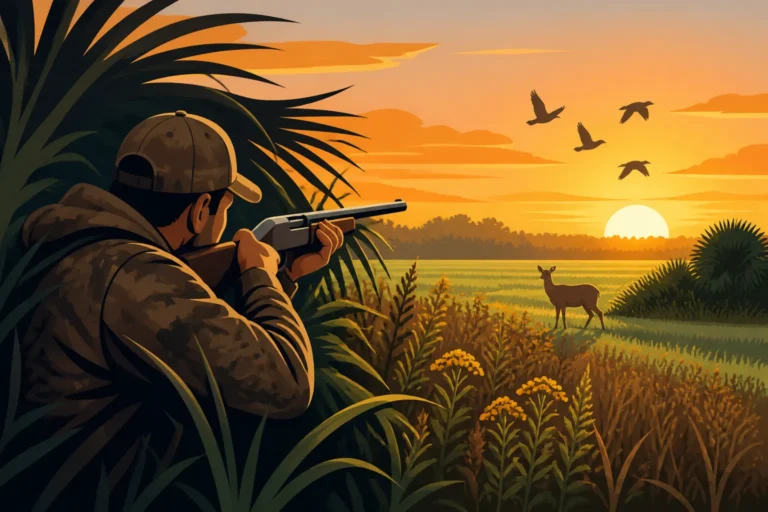
The early teal season in Florida presents a unique and often frustrating challenge for waterfowl hunters. These diminutive, lightning-fast birds dart through our warm, shallow wetlands, making them incredibly difficult targets, especially when the oppressive late summer heat and swirling mosquitoes test even the most seasoned hunter's resolve. This guide is dedicated to helping you unravel the mysteries of this fleeting season, providing detailed tactics and insights to increase your chances of a successful and memorable early teal hunt in the Sunshine State.
Understanding Florida's Early Teal Season
Florida's early teal season isn't just another duck hunt; it's a specialized pursuit of some of the fastest-flying waterfowl on the continent, all happening before the main winter migration truly kicks in. It demands a different approach, a keen eye for subtle signs, and a deep understanding of these small ducks' habits.
Why Early Teal Season is Special
What makes Florida's early teal season so distinct is its timing and target species. Unlike the later regular duck season when a wider variety of birds are present, this short window, typically in September, focuses almost exclusively on blue-winged and sometimes green-winged teal. These birds are among the first to migrate south, often pushed by early cold fronts up north, but they arrive in Florida while our temperatures are still soaring, often well into the 90s. This means you're hunting in conditions more akin to summer than fall, battling heat, humidity, and the ever-present swamp insects. It’s a true test of grit and preparation, but the reward of a limit of these delicious, acrobatic flyers is incredibly satisfying. Plus, it serves as a fantastic warm-up for the longer season ahead, shaking off the rust and getting your gear dialed in. You'll want to check the official Florida Early Teal Season Dates annually to ensure you're squared away.
Key Teal Species and Their Habits
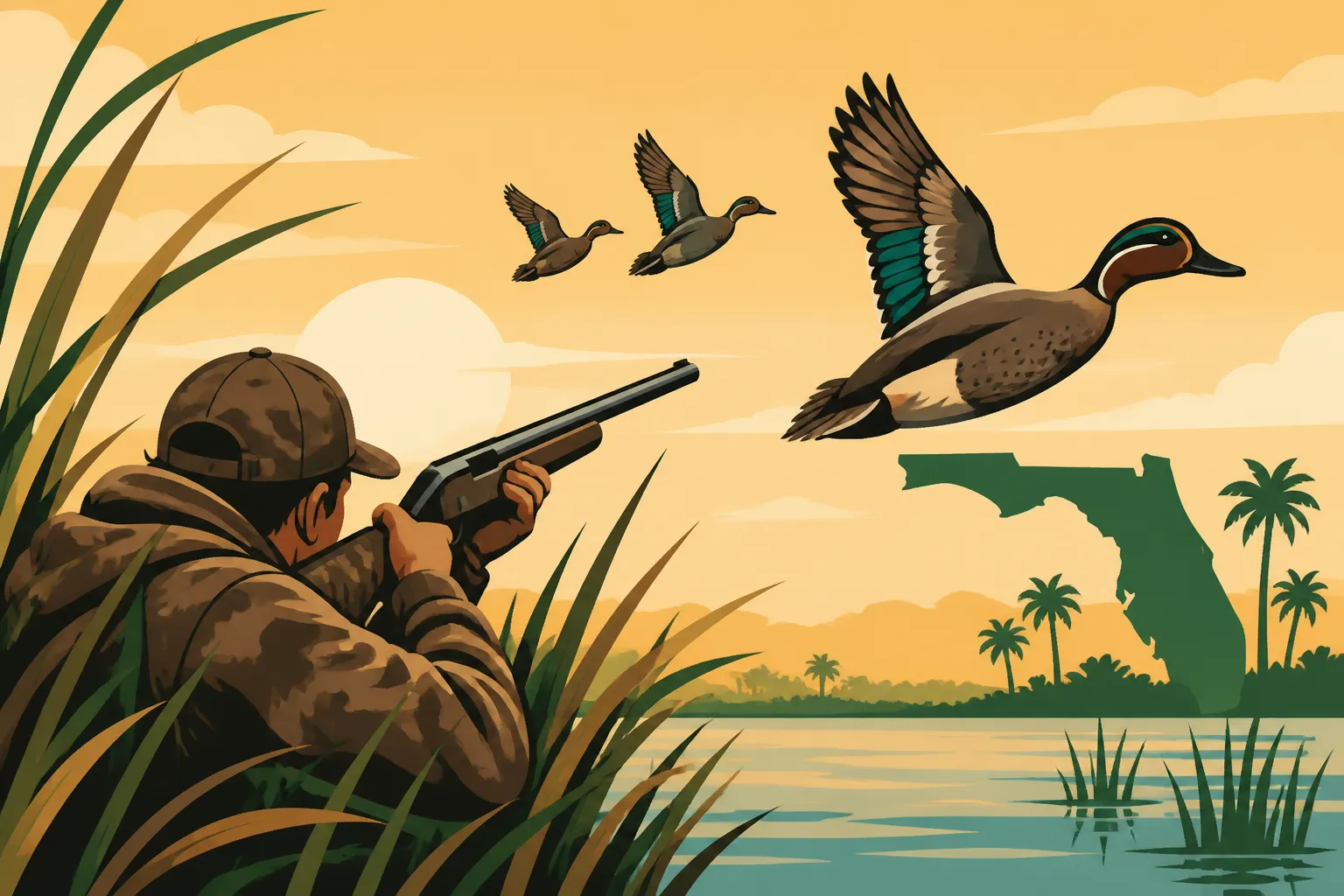
In Florida, you're primarily pursuing blue-winged teal, with green-winged teal making up a smaller, though still significant, portion of the early migration. Blue-wings are easily identifiable by the distinct sky-blue patch on their forewings, especially noticeable in flight. They are small, averaging around a pound, and possess an incredible turn of speed, often seeming to appear out of nowhere and vanishing just as quickly. Green-winged teal, while similar in size, display an iridescent green speculum on their wings and often have a rich chestnut head with a green eye patch. Both species are dabblers, preferring shallow water where they can tip up to feed on seeds, aquatic insects, and vegetation. They're often found in tight flocks, zipping around in synchronized flight patterns, making them a challenging but exhilarating target. Understanding their preference for shallow, vegetated water is key to predicting where they’ll feed and loaf during the day.
Florida's Unique Teal Habitat
Florida's landscape offers a diverse array of habitats that appeal to migrating teal, from vast freshwater marshes to cypress sloughs and flooded agricultural fields. Unlike the large, deep lakes that might attract bigger ducks, teal seek out shallow, often ephemeral wetlands where food is abundant. Think of the expansive sawgrass and cattail marshes of Central Florida, the floodplains along major rivers, or even seasonally flooded pastures and rice fields. These areas, particularly those with plenty of emergent vegetation like smartweed, millet, and maidencane, provide both food and crucial cover. The key is finding areas with consistent shallow water, typically only a few inches to a foot or two deep. These spots are often overlooked by hunters focusing on larger ducks, but they are goldmines for early teal. Identifying these specific micro-habitats within larger bodies of water is paramount to success.
Scouting for Early Teal Success
You can't just show up on opening morning and expect teal to be there. These birds are particular, and their movements can be influenced by local water levels, food sources, and even minor changes in weather. Dedicated scouting is the cornerstone of a productive early teal hunt.
Locating Prime Teal Hotspots
The first step in locating prime teal hotspots is to understand that these birds are drawn to ephemeral water sources and newly flooded areas. Start by studying aerial maps, looking for areas with a mosaic of shallow water and dense vegetation. Focus on publicly accessible Wildlife Management Areas (WMAs) known for their waterfowl habitat, but don't overlook less obvious spots like flooded ditches or edges of larger lakes that might have recently received rain. Pay close attention to water levels; teal prefer areas they can easily access and feed in. Before the season, take several early morning or late evening drives, stopping to glass potential areas. Look for small, fast-moving silhouettes zipping across the skyline or splashing down into distant water. Sometimes, a quick walk along a levee or through a public marsh will reveal fresh teal droppings or a sudden flurry of activity that tells you birds are using the area. Apps like GoHunt are invaluable for identifying land ownership, topo features, and even recent satellite imagery to gauge water levels on public lands.
Reading the Water and Habitat
Once you've identified potential areas, it's time to get boots on the ground (or waders in the water) and truly read the habitat. Teal thrive in shallow water, often just a few inches deep, that might be too shallow for larger ducks. Look for signs of active feeding: small ripples, upended vegetation, and muddy water in otherwise clear areas. Identify the dominant plant species; smartweed, knotgrass, wild millet, and sedges are all excellent food sources. The density and type of vegetation also tell you about concealment options for blinds. Too much open water, and you'll struggle to hide; too dense, and the birds won't have room to land. Ideally, you want a balance: pockets of open water surrounded by ample cover. Pay attention to how water flows into and out of these areas, as this can influence bird movement. A little current can make a big difference, creating fresh feeding opportunities. During your scouting missions, you might even consider methods like Reading a Marsh for a Morning Flight to observe patterns before the season starts.
Utilizing Technology for Scouting
In today's hunting world, technology is your best friend, especially when scouting for elusive early teal. Online mapping platforms, including robust features found in apps like GoHunt, provide invaluable satellite imagery that can reveal hidden ponds, flooded timber, or subtle changes in vegetation density that aren't apparent from the road. You can mark potential access points, pinpoint ideal blind locations, and even measure distances to ensure you're not disturbing other hunters. Additionally, the Florida Fish and Wildlife Conservation Commission (FWC) website offers detailed maps of WMAs, including specific rules and sometimes even recent habitat reports. Use weather apps to track rainfall and predicted water levels, as recent rains can quickly create new teal habitat. Don't forget to leverage online forums and social media groups where local hunters might share general conditions, although specific hotspots are, understandably, kept under wraps. Combining satellite reconnaissance with on-the-ground investigation creates the most comprehensive scouting plan, allowing you to maximize your limited time in the field.
Essential Gear and Setup for Teal Hunting
Successfully hunting early teal in Florida requires not just knowledge, but also the right gear and a strategic setup tailored to their unique behavior and the challenging environment. From decoys to shotguns, every piece plays a role in luring these speedy birds into range.
Decoy Spreads and Placement
Teal are social birds, and they respond well to decoys, but their small size and flight patterns mean your spread needs to be dialed in. Forget those massive spreads you might use for big ducks; for teal, a smaller, more realistic cluster is often more effective. Six to twelve teal decoys, or even a mix of teal and a few larger duck decoys like pintails or wigeon (which can add realism), are usually sufficient. Place them in tight, scattered groups, simulating feeding birds in shallow water, generally within 15-25 yards of your blind. Motion is absolutely key for teal; they're attracted to movement on the water. Jerk cords attached to a few decoys, or even a couple of spinning-wing decoys positioned slightly away from the main group, can work wonders to catch their eye from a distance. Consider placing your decoys with the wind, allowing incoming birds to land into it, facing your blind. Remember, you're trying to create a welcoming, natural scene that convinces these high-flying rockets to drop in.
Shotgun and Ammunition Choices
When it comes to firearms, a 12-gauge or 20-gauge shotgun is perfectly suitable for early teal, with semi-automatics or pumps being popular choices for quick follow-up shots. What's more critical than the gauge, however, is your ammunition and choke selection. Teal are small birds, but they are incredibly tough and fast, requiring a dense pattern to bring them down cleanly. Steel shot is mandatory for all waterfowl hunting, and for teal, a shot size of #6 or #7 steel is often ideal, providing plenty of pellets for a good pattern without being overkill. Some hunters even prefer #4 for a bit more punch on those longer shots. As for chokes, an improved cylinder or modified choke is generally preferred. This allows for a wider pattern at close ranges, which is essential given the teal's erratic flight and speed. Anything tighter, like a full choke, might be too constricting, leading to missed opportunities on these quick targets. Practice your swing and lead before the season opens; these birds demand precision.
Effective Camouflage and Blinds
Blending seamlessly into Florida's diverse and often vibrant green habitats is crucial for early teal success. Teal have excellent eyesight, and even a slight glint or an unnatural outline can send them flaring. Given the often-warm temperatures, heavy blind materials might be uncomfortable. Instead, focus on natural concealment. If you're in a marsh, consider a layout blind brushed in heavily with local vegetation like sawgrass, cattails, or palmetto fronds. In areas with cypress trees or buttonwood, a small, well-camouflaged boat blind or even just sitting against a sturdy cypress knee with good natural cover can be effective. Your clothing should match the environment; earthy tones, greens, and browns, ideally with a broken-up pattern that mimics the vegetation. Don't forget your face mask and gloves; exposed skin is a dead giveaway. The goal is to become an invisible part of the landscape, allowing the teal to focus on your decoys and commit to the landing zone. In a situation where you are hunting open water, consider tactics used for Layout Blind Hunting a Flooded Rice Field which can offer valuable insights into concealment.
Field Tactics for Bagging Teal
Once you're set up, the real fun (and challenge) begins. Teal require a different approach than bigger, slower ducks. Their speed, small size, and often nervous demeanor mean you need to be sharp, decisive, and understand their unique reactions.
Calling Strategies for Teal
Teal calling is typically less aggressive and lower in volume than calling for mallards or other large ducks. These aren't big, boisterous birds. For blue-winged teal, a high-pitched, rapid "krr-krr-krr" or a soft, almost whistling "peep-peep-peep" is often all you need. Green-winged teal have a higher-pitched, more rapid "tweet-tweet-tweet" or "pee-wee" sound. The key is subtlety and timing. Use short, sharp bursts of calls to get their attention as they pass, then transition to softer, contented feeding chuckles as they get closer. Don't overcall; a few well-timed calls are far more effective than blasting away at every passing flock. Sometimes, letting the decoys do the work is best, only calling to birds that seem hesitant. When flocks are working, a single, soft peep can be enough to draw them closer. It’s a finesse game, not a power game, and understanding the nuances of how these small birds respond is critical.
Mastering the Teal Shot
This is where many hunters get humbled. Teal are notoriously fast and erratic, often flying at speeds exceeding 50 mph with sudden changes in direction. Mastering the teal shot requires practice and discipline. The biggest mistake is stopping your swing. You need to lead these birds significantly, often more than you think, and then continue your swing smoothly through the shot. Aim for the front bird in a tight flock to maximize your chances, but always focus on one bird at a time. The phrase "double-tap" or even "triple-tap" isn't just a saying for teal; it's often a necessity. You might need to fire multiple shots in quick succession at a single bird or rapidly transition to others in a passing flock. Anticipate their movements, especially when they cup their wings to commit to the decoys. That moment of deceleration is your best chance. Remember that the window is small, and decisiveness is key. Don't hesitate; swing, lead, shoot, and repeat.
Working the Wind and Sun
Understanding and utilizing the wind and sun are paramount for early teal hunting. Teal, like most waterfowl, prefer to land and take off into the wind. This means you should position your blind downwind of your decoys so that incoming birds will naturally face you as they approach for a landing. Not only does this present a better shot opportunity as they slow down, but it also gives you more time to react. The sun, especially the intense Florida sun, is another critical factor. Always try to position yourself with the sun at your back. This puts the glare directly into the birds' eyes, making it harder for them to spot you, while simultaneously illuminating them for your shot. Hunting with the sun in your face will make it nearly impossible to track these speedy birds and spot them against a bright sky. Combining these two elements – wind and sun – into your setup gives you a significant advantage, helping you remain concealed and ensuring clearer, more effective shots.
Post-Hunt Considerations and Regulations
The hunt doesn't end when the birds are down. In Florida's often-hot early season, proper game care is vital, and staying on the right side of regulations is always non-negotiable.
Retrieval and Game Care
Given Florida's warm temperatures during the early teal season, rapid retrieval and proper game care are crucial to ensuring the quality of your harvest. Teal are small, and their meat can spoil quickly if left in the heat. As soon as a bird is down, send your dog or retrieve it yourself immediately. Once retrieved, get the birds on ice as soon as possible. A cooler filled with ice water works wonders for rapid cooling. Many hunters prefer to field dress their birds promptly, removing the entrails to aid in cooling, especially if they'll be out hunting for an extended period. If you plan to pluck and breast the birds later, ensure they are kept cold throughout transport. Clean, cool birds mean delicious table fare, so don't let the heat compromise your hard-earned success. Remember that these small birds can sometimes be hard to find in dense cover, so mark where they fall carefully.
Understanding Bag Limits and Regulations
Florida's early teal season has specific regulations that differ from the general duck season. Currently, the daily bag limit for blue-winged and green-winged teal during the early season is usually six birds per hunter. It's crucial to always consult the current FWC migratory bird regulations brochure before heading afield, as rules can change annually. Beyond the bag limit, remember that federal and state migratory bird hunting regulations apply. You'll need a valid Florida hunting license, a migratory bird permit, and a federal duck stamp. These are fundamental requirements for legal waterfowl hunting. For detailed information on these, you can look up resources like Florida Duck Daily Bag Limit and Florida Migratory Bird Stamp Cost. Failure to comply with these regulations can result in hefty fines and loss of hunting privileges, so always double-check everything before you head out.
Safety First on the Water
Hunting Florida's wetlands, especially during the early teal season's heat, comes with inherent risks that demand constant vigilance. Heatstroke and dehydration are serious concerns; drink plenty of water, wear light clothing, and take breaks. Wading in shallow marshes means navigating uneven terrain, often with hidden roots, holes, or even discarded debris. Always be aware of your footing and carry a stout wading staff if the bottom is soft. Alligators and snakes are also active in warm weather; keep an eye out, avoid unnecessary disturbances, and know their habits. When hunting from a boat, ensure all safety equipment is onboard, and always let someone know your float plan. Above all, firearm safety is paramount. Always identify your target clearly and be aware of your shooting lanes and any other hunters or individuals in the vicinity. The excitement of teal zipping through the air is intoxicating, but safety should always be your top priority.
| Teal Species | Average Size (lbs) | Distinctive Markings | Flight Speed (mph) | Typical Habitat | Primary Food Source |
|---|---|---|---|---|---|
| Blue-winged Teal | 0.8 – 1.1 | Sky-blue wing patch, white crescent on face (drake) | 30 – 50+ | Shallow marshes, flooded fields, slow rivers | Aquatic invertebrates, seeds, vegetation |
| Green-winged Teal | 0.7 – 0.9 | Iridescent green speculum, chestnut head with green eye patch (drake) | 30 – 50+ | Shallow wetlands, small ponds, sloughs | Small seeds, insects, snails |
It's a fantastic feeling when you've done your homework, set up just right, and those teal come buzzing in. Whether you're chasing them in the vast marshes of the Everglades or the smaller impoundments near the Panhandle, the speed and challenge of early teal make for some of the most exciting wingshooting Florida has to offer. Just be sure you understand Florida Waterfowl Season and Zones to pick the perfect time and location. You may also find it useful to review topics like Hunting the Early Teal Season Opener for a more in-depth look at starting strong. Don't forget that general Florida Duck and Goose Bag Limits might differ significantly from the early teal season.
Disclaimer
The information provided in this guide is for informational purposes only and is not a substitute for official regulations. Hunters are responsible for consulting the most current Florida Fish and Wildlife Conservation Commission (FWC) regulations annually before participating in any hunting activity. Seasons, bag limits, and rules are subject to change.