Hunting the Youth Turkey Weekend South of SR-70
The excitement of a young hunter on their first turkey hunt is something truly special, but navigating the specific regulations and challenges of Florida's youth turkey weekend, especially when you're hunting south of State Road 70, can feel like a maze. This guide is here to untangle those complexities, offering practical advice and insight to ensure a memorable, successful, and safe experience for you and your aspiring turkey hunter in the unique Florida landscape.
Understanding Florida's Youth Turkey Weekend South of SR-70
Florida's turkey seasons can be a bit of a puzzle, especially when you factor in the different zones and special youth hunts. For those looking to introduce a youngster to the thrill of spring gobblers south of SR-70, there are specific details you absolutely need to nail down. This isn't just about showing up with a shotgun; it's about understanding the nuances that make this hunt unique and, frankly, quite rewarding.
Specific Dates and Regulations for Youth Hunters
The Florida Fish and Wildlife Conservation Commission (FWC) sets aside special youth-only turkey weekends to give young hunters an exclusive opportunity before the regular season opens. For the area south of State Road 70, these dates typically precede the general statewide spring turkey season. It's crucial to consult the most current FWC regulations booklet or their website to confirm these dates each year, as they can shift slightly. Generally, youths under 16 years of age can participate, provided they are accompanied by a licensed adult 18 years or older. This accompanying adult cannot harvest a turkey during the youth weekend, meaning their primary role is to mentor and supervise. It’s a fantastic way to focus solely on the youth hunter's experience without the pressure of the adult also trying to fill a tag. Remember, a valid hunting license and a turkey permit are required for the youth, even during these special weekends. You can find detailed information on these requirements and more about Florida's Youth Turkey Weekend Dates by Zone.
Why the South of SR-70 Zone Matters
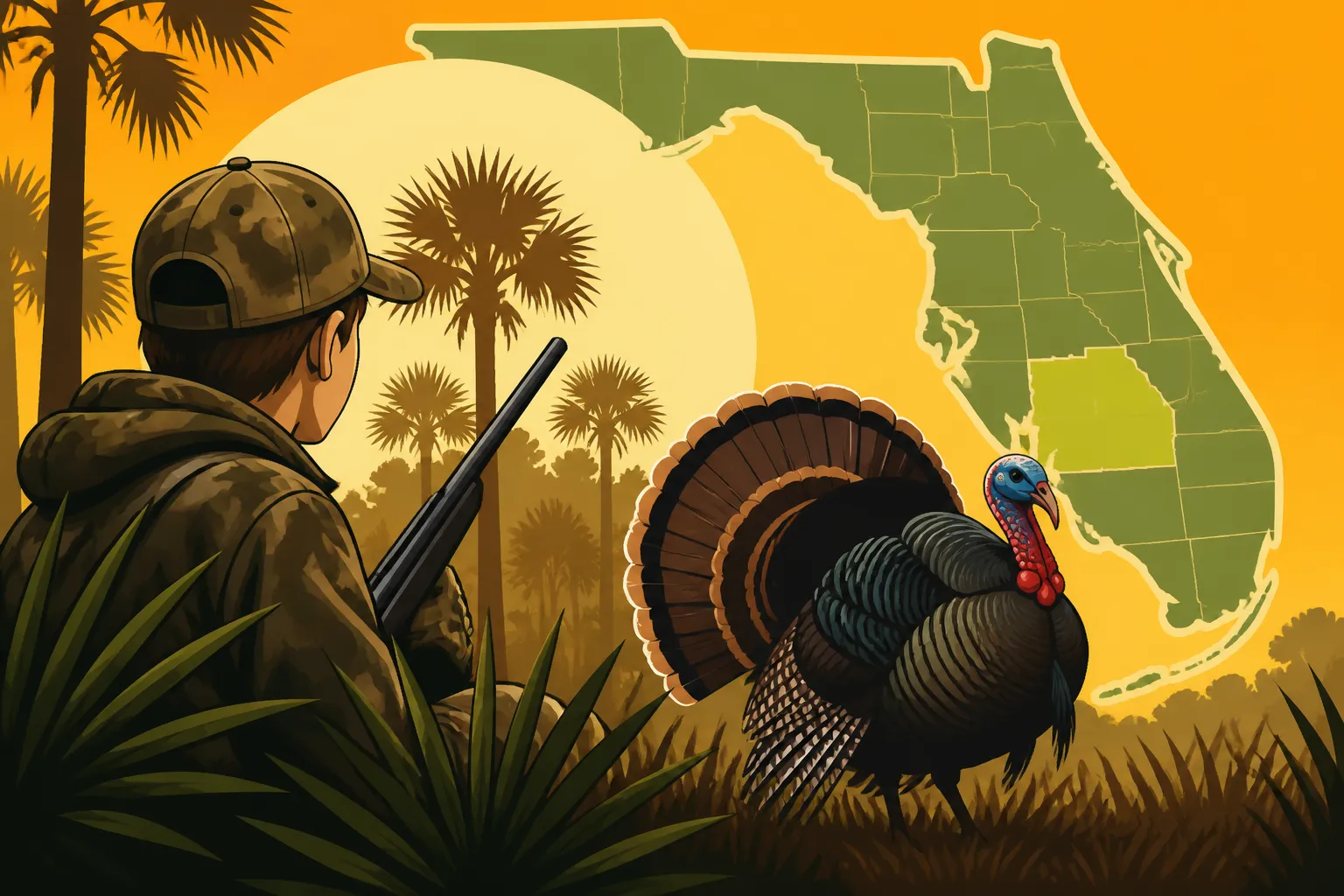
The geographical divide at State Road 70 isn't just an arbitrary line on a map; it represents a significant difference in turkey subspecies and habitat. South of SR-70, you're primarily hunting the legendary Osceola turkey, a subspecies found exclusively in Florida. These birds are renowned for being notoriously cunning and challenging, even for seasoned hunters. Their habitat often consists of vast palmetto flatwoods, cypress swamps, and pine forests, quite different from the rolling hills and hardwood bottoms of the Panhandle. This unique environment shapes their behavior, making local knowledge and specialized tactics all the more important. Understanding the Osceola Turkey Range and Genetics is key to appreciating this distinction. The south Florida terrain also means different considerations for scouting and setup compared to other parts of the state.
Key Differences from the North of SR-70 Zone
While both north and south of SR-70 offer youth turkey weekends, the experiences can vary significantly. North of SR-70, especially in the Panhandle, you're looking at Eastern turkeys, which, while still challenging, often respond to different calling strategies and inhabit a different kind of forest. The terrain up north can include more diverse hardwoods and elevations, impacting how birds move and where they might roost. South of SR-70, the flatter, often wetter landscape means gobblers might use different features for roosting, such as tall cypress trees or prominent pine islands within a swamp. Furthermore, the timing of the rut and gobbling activity can subtly differ between the two zones, though the youth weekends are strategically placed to hit a sweet spot for both. Being aware of these regional variations helps immensely in your preparation and increases your chances of success, whether you're Hunting the Youth Turkey Weekend South of SR-70 or hunting the other youth weekend.
Essential Gear and Preparations for Young Turkey Hunters
Setting a young hunter up for success means more than just handing them a shotgun; it requires careful consideration of their comfort, safety, and the specific demands of hunting Florida's wild turkeys. Proper gear and thorough preparation are paramount for a positive experience that will hopefully spark a lifelong passion.
Shotgun Selection and Fit for Youth
Choosing the right shotgun is perhaps the most critical gear decision for a youth turkey hunt. A child’s physical size and strength are paramount. A full-sized 12-gauge can be too heavy and have excessive recoil, leading to flinching, poor shooting, and a negative experience. Many manufacturers offer youth models in 20-gauge, which is an excellent choice for turkey hunting. A 20-gauge with appropriate turkey loads (like Federal Heavyweight TSS or Winchester Long Beard XR) delivers more than enough knockdown power for Osceola gobblers.
Look for a stock with a shorter length of pull (LOP) to fit their arm length comfortably. Ensure the gun has a good recoil pad, and consider aftermarket options to further reduce felt recoil. Using low-recoil practice loads during pre-season target practice is also a smart move to build confidence without the intimidation of heavy recoil. This also helps them learn proper form. It’s not just about hitting the target; it’s about making them feel comfortable and competent with their firearm. A shotgun that fits properly is safer and more enjoyable to shoot. For more details on safe hunting practices, be sure to check Florida Hunter Education Requirements.
Calling and Decoy Strategies for Success
When hunting with a youth, simplifying your calling strategy can be highly effective. Over-calling can spook birds, especially the pressured Osceolas south of SR-70. Focus on realistic hen yelps, clucks, and purrs. Let the youth practice these calls themselves, even if they aren't perfect; it adds to their engagement. Having a pot call or a box call that's easy for small hands to operate can be very empowering.
Decoys are your best friend when hunting with a youngster, as they can draw a gobbler closer and hold his attention, giving the young hunter more time to get into position and make a good shot. A single hen decoy or a jake/hen combination often works wonders. Place decoys where the gobbler will have to come into clear view, ideally within 20-30 yards, offering an ethical shot range for a youth. Keep decoys visible from a distance but positioned so the gobbler faces away from your setup as he approaches, allowing for a cleaner shot when he turns broadside. Brands like Avian-X and Primos offer lightweight, realistic decoys that are easy to pack in. When you're Decoy Placement for Pressured Osceola Birds, consider how they might approach.
Clothing, Safety, and Comfort in Florida's Climate
Florida's spring weather can be unpredictable, ranging from cool mornings to scorching afternoons, often with high humidity. Layering is key. Start with moisture-wicking base layers, adding a fleece or lightweight jacket for the cool morning. As the day warms, layers can be shed. Always opt for quiet, durable camouflage that blends with the local palmetto and pine scrub. Don't forget bug spray (with DEET for mosquitoes and ticks!), sunscreen, and a wide-brimmed hat.
Safety is non-negotiable. Beyond hunter education, reiterate basic firearm safety rules: always point the muzzle in a safe direction, treat every gun as loaded, be sure of your target and what’s beyond it, and keep your finger off the trigger until ready to shoot. Hearing protection is a must, even for just one shot. Eye protection is also highly recommended, especially when navigating dense brush. Ensure the youth is hydrated with plenty of water, and pack snacks. A comfortable, quiet hunting chair or cushion can make long waits much more bearable for a fidgety youngster. Apps like GoHunt can be invaluable for pinpointing property lines and safe shooting lanes, especially when navigating public lands.
Scouting and Hunting Tactics for South Florida Gobblers
Hunting Osceola turkeys in South Florida presents unique challenges and rewards. The vast, often dense habitat means that scouting is absolutely paramount. When you’ve got a young hunter in tow, having a solid plan based on good intel dramatically increases the chances of a successful and memorable hunt.
Identifying Prime Roosting and Feeding Areas
Before the youth weekend even begins, putting in the legwork to scout is vital. Osceola gobblers, like all turkeys, establish roosting and feeding patterns. Identifying these areas is your first step. Look for the tallest trees in a given area – cypress strands within swamps, towering pines on a ridge, or large live oaks in a hammock – these are prime roosting spots. Early morning or late evening trips to listen for gobblers flying up or down from the roost can tell you exactly where to set up. Use a locator call, like an owl hooter or crow call, at dawn or dusk to try and get a shock gobble without alerting the birds to your presence.
Feeding areas will often be adjacent to roosts or travel corridors. Look for fresh turkey scratching in pine needles, palmetto litter, or around oak hammocks where acorns might have fallen. Fields, food plots, or even firebreaks are also key feeding grounds. You'll want to find fresh tracks, droppings, and dusting bowls. The GoHunt app can be a game-changer here, allowing you to mark potential roosts, feeding zones, and travel routes on a satellite map, making your pre-hunt scouting much more efficient. Understanding these patterns is crucial for Calling an Osceola Off the Roost effectively.
Setting Up for the Shot with Youth Hunters
Once you've located a promising area, your setup is critical, especially with a youth hunter who might have limited patience and range. Find a spot with good concealment, preferably with a wide, clear shooting lane in front, but enough cover behind and to the sides to break up your silhouette. A ground blind is almost always the best option for youth hunters. It offers maximum concealment, allows for movement, and provides shelter from sun or sudden rain. Practice shooting from the blind beforehand so the youth is comfortable with the confined space and knows their shooting lanes.
Position your blind 20-30 yards from where you expect the gobbler to appear, facing the direction you anticipate the bird will approach. Ensure the youth has a comfortable rest for their shotgun – a bipod, tripod, or even a sturdy shooting stick works well. This stability is key for making an accurate shot when the moment arrives. Remember, turkeys have exceptional eyesight, so minimizing movement and ensuring your setup provides adequate camouflage is paramount. Consider a natural setup against a Big Live Oak if a blind isn't feasible, always prioritizing concealment.
Post-Shot Procedures and Tagging Requirements
The shot is just one part of the hunt; knowing what to do immediately afterward is vital. Once the youth has taken a shot, maintain situational awareness. If the bird drops, ensure it’s fully expired before approaching. If it runs or flies off, mark the spot where it was last seen. Stay put in your blind or position for a few minutes; sometimes, a bird that appeared to run will just be stunned and may quickly expire nearby.
Once you confirm the bird is down and secure, it's time for the legal requirements. In Florida, harvested turkeys must be tagged immediately with a carcass tag from the youth's hunting license. This tag must remain attached until the bird is processed for consumption or taxidermy. Additionally, all harvested turkeys must be reported to the FWC within 24 hours. This can usually be done online through the FWC website or their Fish|Hunt FL app. Reporting is critical for FWC to manage turkey populations effectively. Make this part of the lesson for the youth; understanding the full process, from harvest to reporting, instills responsible hunting ethics. You can learn more about Florida Turkey Checking Requirements.
Making the Most of the Youth Hunt Experience
A youth turkey hunt is about far more than just bagging a bird. It’s a profound opportunity to share valuable lessons, instill a deep appreciation for nature, and build memories that will last a lifetime. Focusing on the entire experience, not just the harvest, is key to fostering a lifelong love for hunting and conservation.
Building Skills Beyond Just the Harvest
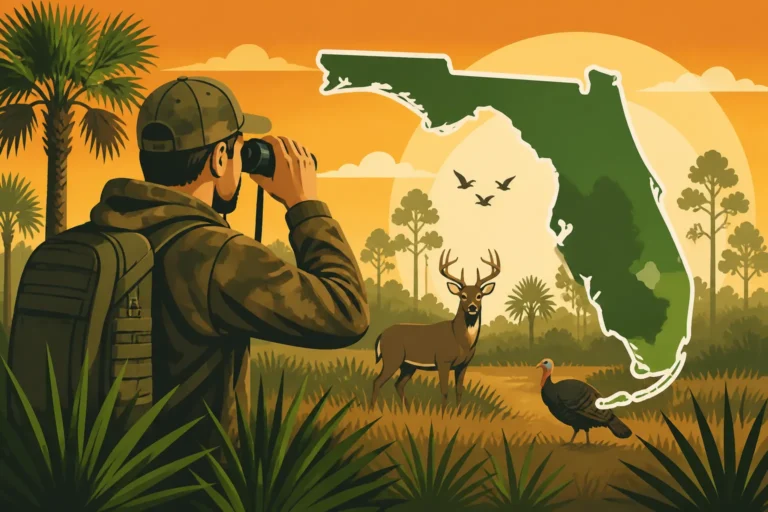
While the thrill of harvesting a turkey is undeniable, teachable moments extend far beyond pulling the trigger. Use the time in the woods to point out tracks, scat, and other signs of wildlife. Help them identify different bird calls and tree species. Explain the importance of habitat, how prescribed burns benefit turkeys, and why certain areas are managed the way they are. Let them help with calling, even if their yelps aren’t perfect, or tasked with scanning a specific field edge through binoculars. Involve them in reading maps – perhaps using the GoHunt app to understand terrain and property boundaries.
Teach patience; it’s one of the most important virtues in hunting. Some days, the birds just don’t cooperate. Use these quiet moments to discuss why the hunt might not be going as planned and what strategies you could try next time. These discussions help build resilience and a deeper understanding of animal behavior, which are skills that will serve them well in all aspects of life. It’s about building a competent and knowledgeable outdoors person, not just a trigger-puller.
Fostering a Love for Conservation
Hunting plays a vital role in conservation, and the youth weekend is an ideal time to pass this message along. Explain how hunting license fees and turkey permits directly fund wildlife management, habitat restoration, and research that benefits not just turkeys but all wildlife. Talk about ethical hunting practices, such as making clean shots and respecting bag limits.
Discuss the importance of public lands, like the Florida Wildlife Management Areas, where many youth hunters gain their first experiences. Explain that these areas are preserved and managed for everyone to enjoy, thanks in part to conservation efforts supported by hunters. You can even talk about organizations like the National Wild Turkey Federation (NWTF), which works tirelessly to conserve wild turkeys and preserve our hunting heritage. When you're in the field, show them how much work goes into managing land to ensure healthy Florida Turkey Population Trends. By connecting their hunting experience to the broader picture of conservation, you’re nurturing a sense of responsibility and stewardship that will hopefully endure for generations.
Safety First and Mentorship Role
As the accompanying adult, your primary role is mentorship and safety. Ensure that all firearm safety rules are followed rigorously. Review them before you even leave the house, and periodically throughout the hunt. Double-check that all gear is working correctly, from the gun's safety to the integrity of the ground blind. Always know your surroundings, including what lies beyond your target.
Mentorship also involves teaching respect for the animal. Explain the life cycle of the turkey, its habits, and its place in the ecosystem. Talk about the tradition and heritage of hunting. After a successful harvest, involve the youth in the field dressing and cleaning process, explaining where the meat comes from and how to properly care for it. This direct involvement reinforces the gravity of taking a life and the responsibility that comes with it. Remember, these early experiences shape their entire perception of hunting, so make it a positive, educational, and safe journey.
| Key Aspects for Youth Turkey Weekend (South of SR-70) | Details |
|---|---|
| Eligibility | Youth under 16, accompanied by licensed adult (18+), who cannot hunt. |
| License/Permit | Youth requires valid hunting license & turkey permit. |
| Target Species | Primarily Osceola Turkey, known for being challenging and unique to Florida. |
| Typical Habitat | Palmetto flatwoods, cypress swamps, pine forests. |
| Recommended Shotgun | 20-gauge youth model with appropriate turkey loads (e.g., Federal TSS, Winchester Long Beard XR) due to lighter recoil and sufficient power. |
| Calling Strategy | Simple, realistic hen yelps, clucks, purrs; involve youth. |
| Decoy Use | Highly effective for drawing birds close (20-30 yds), single hen or jake/hen combo. |
| Optimal Setup | Ground blind for concealment and movement, stable shooting rest for youth. |
| Safety Gear | Hearing & eye protection, blaze orange (when required outside of blind), bug spray, sunscreen, hydration. |
| Post-Harvest | Immediately tag with carcass tag, report harvest to FWC within 24 hours via app/website. |
| Mentorship Focus | Patience, understanding wildlife, conservation ethics, responsible firearm handling. |
Disclaimer
Hunting is an inherently dangerous activity. This guide provides general information and recommendations. It is crucial to always consult the current Florida Fish and Wildlife Conservation Commission (FWC) regulations for specific season dates, licensing requirements, bag limits, and legal hunting methods, as these can change annually. Safety should always be your top priority. Ensure you and any youth hunters complete required hunter education courses and adhere strictly to all firearm safety rules.