Hunting the Youth Turkey Weekend North of SR-70
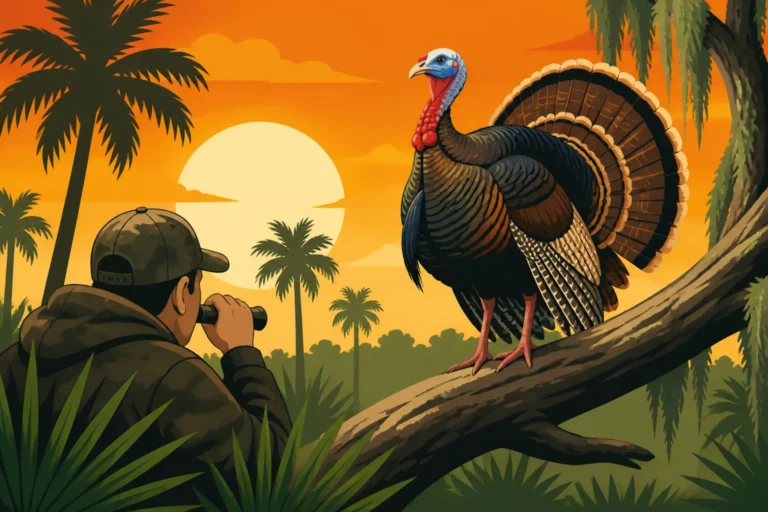
There’s nothing quite like the crack of dawn, the cool, crisp air, and the distant gobble of a wild turkey to stir the soul, especially when you’re sharing that moment with a young hunter. However, the dedicated Youth Turkey Weekend north of State Road 70 in Florida comes with its own set of rules and expectations, often leaving new mentors and young enthusiasts wondering how to make the most of this unique opportunity. This guide is designed to cut through the confusion and equip you with the knowledge and tactics for a memorable and successful hunt.
Understanding Florida's Youth Turkey Weekend North of SR-70
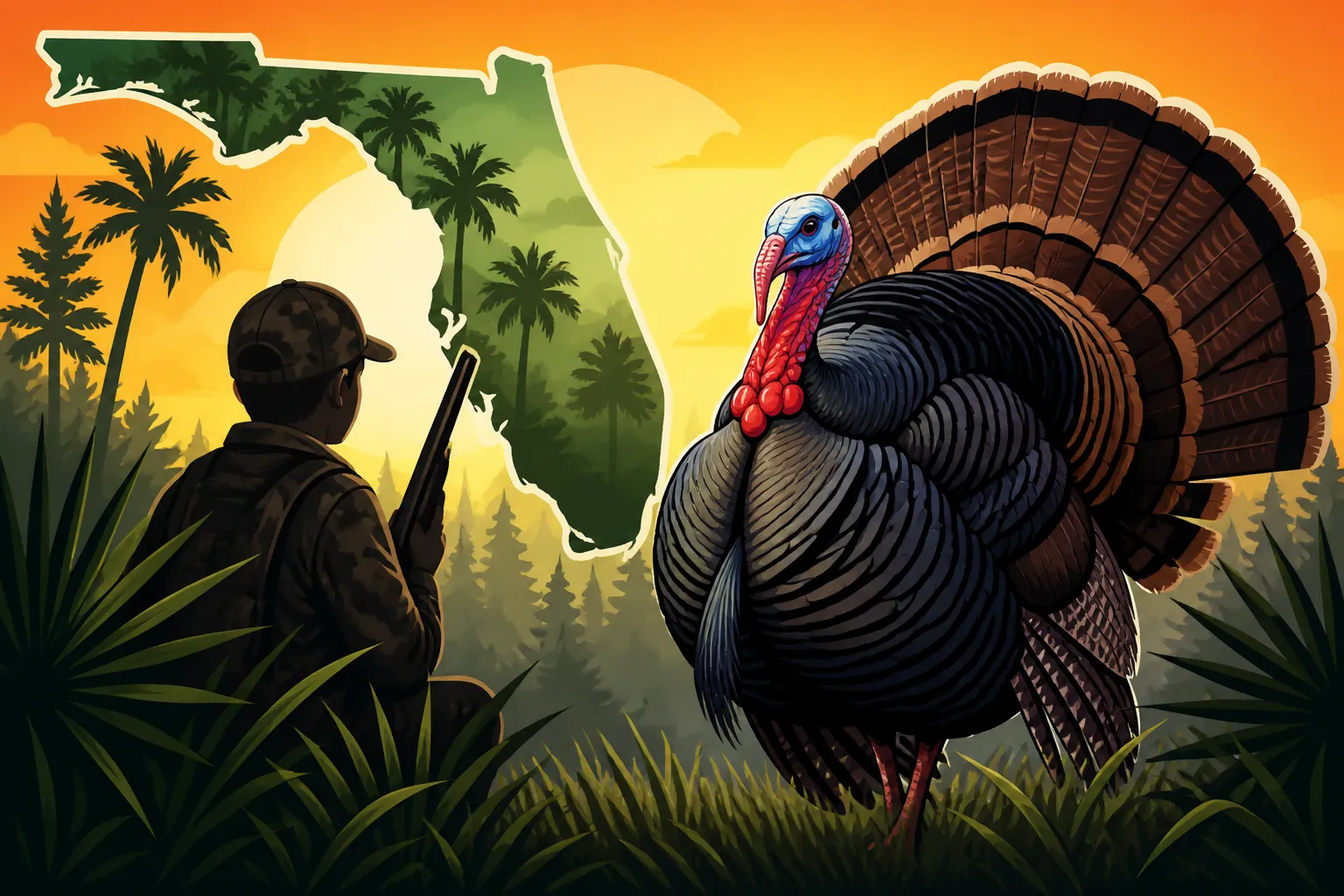
Florida offers an incredible chance for young hunters to get out into the field before the regular season kicks off for adults. This special weekend is designed to provide a less pressured environment, allowing kids to experience the thrill of turkey hunting without the added competition often found during general hunts. For those venturing north of State Road 70, you're primarily focusing on the Eastern turkey subspecies, known for their slightly different behaviors compared to their Osceola cousins found further south.
The Dates and Zones for Youth Hunters
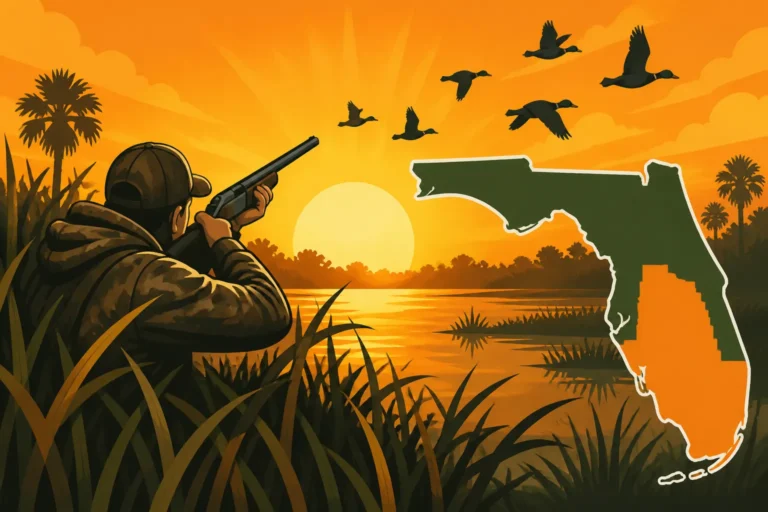
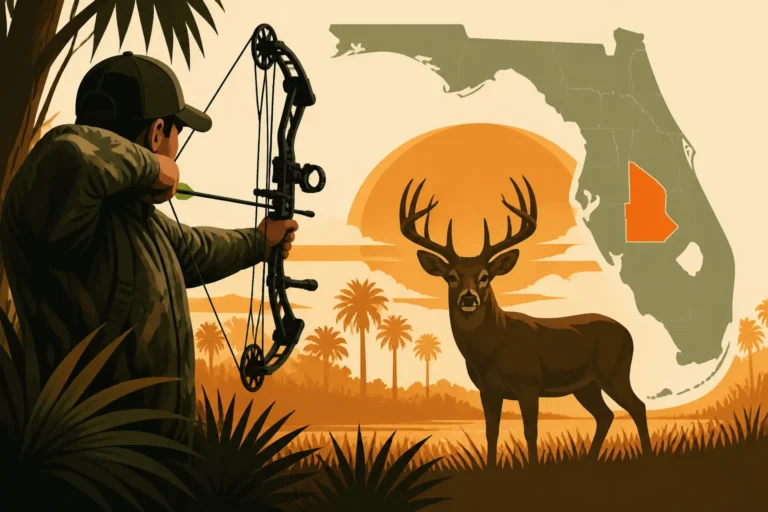
The Florida Fish and Wildlife Conservation Commission (FWC) sets specific dates for the Youth Turkey Weekend, which typically precedes the general spring turkey season by about a week or two. For hunters north of SR-70, this means you're generally hunting within the designated Eastern Turkey Zone. This geographic division is crucial because it influences not only the turkey subspecies you’ll encounter but also habitat types and specific regulations. It’s always paramount to double-check the current year’s FWC regulations booklet or website for the exact dates, as they can shift slightly year to year. You can find more specific information on these critical dates and zones in our comprehensive guide on Florida Youth Turkey Weekend Dates by Zone. Understanding Where the Osceola and Eastern Turkey Zones Divide can help you confirm you're in the right area for these special youth hunting opportunities.
This dedicated weekend is a fantastic initiative aimed at fostering new generations of conservationists and hunters. By giving youth first crack at the birds, it reduces the likelihood of them encountering other hunters, creating a more intimate and focused experience. This is particularly valuable in public land settings where pressure can sometimes be a challenge.
Eligibility and Supervision Requirements
To participate in the Youth Turkey Weekend, young hunters typically need to be 15 years old or younger. The FWC has clear guidelines for supervision, usually requiring an adult supervisor who is at least 18 years old and holds a valid hunting license. The adult supervisor cannot harvest a turkey during this youth-only period, meaning their role is solely to guide, instruct, and ensure the safety of the young hunter. This mentorship is vital, not just for compliance but for passing down hunting ethics and knowledge. It's about teaching safe firearm handling, tracking skills, and the art of calling, all while instilling a deep respect for wildlife. Many families use this opportunity to instill confidence in their young hunters, allowing them to take the lead in calling or spotting birds, with the adult acting as a supportive coach.
It’s also crucial for both the youth and the supervising adult to have completed a hunter education course, or for the youth to be hunting under an Apprentice Hunter License. You can learn more about these requirements in our detailed article on Florida Hunter Education Requirements. This ensures that fundamental safety and ethical considerations are understood before heading afield.
Preparing for a Successful Youth Turkey Hunt
Success in youth turkey hunting isn't just about bagging a bird; it's about the experience, the learning, and fostering a love for the outdoors. Proper preparation makes all the difference in achieving these goals, especially when hunting the Eastern turkey in the unique landscapes north of SR-70.
Scouting for Eastern Turkeys
Pre-season scouting is absolutely non-negotiable for a successful turkey hunt, and it's an invaluable lesson for young hunters. Eastern turkeys in North Florida tend to favor different habitats than their southern counterparts, often found in pine flatwoods, hardwood hammocks, and creek bottoms. Before the season opens, take your young hunter out to the intended hunting grounds. Look for fresh turkey sign: tracks in sandy roads or mud, droppings (larger and coiled for gobblers), and especially scratching in leaf litter where they've been feeding on acorns or insects.
Listen for gobbling activity at dawn or dusk from potential roost sites. These birds will often roost in tall pines or cypress trees near water. Identifying these areas ahead of time significantly increases your chances of a morning encounter. Tools like GoHunt can be incredibly useful for overlaying property lines, topo maps, and aerial imagery, helping you pinpoint these potential hotspots and identify good access points or natural funnels turkeys might use. Learning to interpret these maps with your youth hunter is a critical part of their development. For more detailed insights, you might want to check out Scouting Florida Public Land Before Season.
Essential Gear for Young Hunters
Having the right gear ensures comfort, safety, and effectiveness. For a youth hunter, simplicity and functionality are key.
- Shotgun: A properly fitted shotgun is paramount. Many manufacturers offer youth models in 20-gauge or even .410 bore, which are lighter and have less recoil, making them more manageable for smaller frames. Ensure the gun is patterned with the intended turkey load before the hunt to understand its effective range.
- Ammunition: High-density turkey loads designed for maximum pellet count and penetration are advisable. Practice shooting with these loads so the young hunter is accustomed to the recoil.
- Camouflage: Full camouflage is a must. Turkeys have exceptional eyesight. Head-to-toe camo, including a face mask and gloves, will help you blend into the surroundings. Opt for patterns that match Florida's varied terrain, from palmetto scrub to pine forests.
- Calls: Start with simple friction calls (pot calls or box calls) and mouth calls that are easy for a youth to learn. Focus on realistic hen yelps, clucks, and purrs. The goal is to entice a gobbler, not to sound like a world champion caller. Getting a bird to respond to their own call is a huge confidence booster for a young hunter.
- Comfort Items: Don't forget bug spray, plenty of water, snacks, and a comfortable seat or cushion. Patience is easier when you're comfortable. A lightweight blind or camo netting can also be helpful for concealment and to minimize movement.
| Item | Purpose | Notes for Youth Hunters |
|---|---|---|
| Shotgun | Delivering ethical shot | Youth model, 20-gauge or .410 for reduced recoil; proper fit crucial |
| Turkey Ammo | Effective harvest | High-density loads; practice before hunt |
| Full Camouflage | Blending with surroundings | Head-to-toe, including face mask & gloves; local patterns best |
| Turkey Calls | Attracting gobblers | Simple friction calls (pot/box) & easy mouth calls for practice |
| Comfortable Seat | Patience during long waits | Lightweight cushion or small stool; helps reduce fidgeting |
| Water & Snacks | Hydration & energy | Essential for maintaining focus and comfort |
| Bug Spray | Protection from insects | Florida's bugs can be relentless; permethrin-treated clothing helps |
| First-Aid Kit | Handling minor injuries | Basic supplies for cuts, scrapes, blisters |
| Binoculars | Scouting & spotting distant birds | Helps identify birds without excessive movement; great for learning |
The Role of the Mentor
As the adult supervisor, your role goes far beyond just accompanying the youth hunter. You are the teacher, the guide, and the safety officer. Patience is your most valuable asset. It's easy to get caught up in the desire for a harvest, but remember the primary goal is to create a positive, lasting memory for the child.
Encourage them to participate in every step: from scouting to setting up, to calling. Let them try the calls, even if they aren't perfect. Point out tracks, droppings, and natural turkey foods. Explain why you choose a particular setup or why you call a certain way. Celebrate small victories – a gobbler answering a call, spotting a hen, or simply sitting still for an extended period. Sometimes, the biggest frustration is when the plan doesn't come together, but turning those moments into learning opportunities is key. Your guidance on Setting Up Against a Big Live Oak could be invaluable for optimal concealment and shot angles.
Key Tactics for North Florida Youth Turkey Hunting
Hunting Eastern turkeys north of SR-70 requires specific strategies tailored to their behavior and habitat. While the basics of turkey hunting apply, focusing on clear, repeatable tactics for a young hunter will yield the best results.
Mastering the Morning Roost Approach
Many turkey hunts begin with trying to locate a gobbler on the roost. Before the youth weekend, listen for those unmistakable morning gobbles. Once you've pinpointed a general area, your approach needs to be incredibly stealthy. Turkeys have excellent hearing, and any unnatural noise can send them flying off the roost before legal shooting light.
Plan your approach route using a mapping app like GoHunt to avoid obstacles and minimize noise. Get into position well before first light, ideally within 100-150 yards of the roost tree if possible, though this can vary. Set up with your back against a wide tree or in a ground blind for maximum concealment and to break up your outline. Your goal is to be completely still and quiet as the woods awaken. Once the first gobble rings out, have your young hunter ready. A few soft tree yelps as light begins to break can be highly effective at enticing a gobbler to fly down in your direction. Our guide on Calling an Osceola Off the Roost provides excellent insights, and many of those techniques translate well to Eastern birds.
Strategic Calling and Decoy Use
When calling for a youth hunter, less can often be more. Start with soft, realistic hen yelps and clucks. A gobbler that hears aggressive calling from a new hunter might become wary. Gauge the bird's interest: if he's gobbling frequently and getting closer, he's interested. If he's silent or moving away, try varying your calls or moving slightly to a new position if conditions allow. Emphasize patience with your young hunter – it’s hard for kids to sit still, but it’s often what seals the deal.
Decoys can be a game-changer, especially for drawing in a gobbler that might be hung up just out of range. A single hen decoy or a jake/hen combination can work wonders. Place them in an open area where they can be easily seen, 20-30 yards from your setup, facing away from you. This presents a more inviting target for an incoming gobbler. The key is to make sure the decoy is visible and in an area that forces the gobbler to come into shooting range for the youth. The article on Decoy Placement for Pressured Osceola Birds offers fantastic advice that can be adapted for Eastern turkeys, especially on public lands. Remember, a gobbler approaching a decoy is often less focused on its surroundings, making it an ideal scenario for a young hunter to get a clean, ethical shot.
The Importance of Patience and Shot Placement
Patience is perhaps the hardest lesson for a young hunter, but it's the most critical. Turkeys can be unpredictable. They might gobble for an hour and never show up, or they might come in silently from an unexpected direction. Teach your young hunter to scan constantly, listen intently, and resist the urge to fidget or move. Emphasize that the hunt is just as much about observing nature and being present in the moment as it is about harvesting an animal.
When a gobbler does commit and comes into range, shot placement is paramount. Instruct the youth to aim for the head and neck. This area offers the quickest, most humane kill. Practice this extensively with targets beforehand so they understand the small target zone. Remind them to wait until the bird's head is up and clear, giving them the best chance for a clean shot. If the bird presents an opportunity, but the young hunter isn't confident in the shot, it's okay to let it walk. An ethical hunt is always the priority. After a successful harvest, reporting the deer through Reporting a Deer Through Florida's App will be for deer, but the principle of proper reporting applies to all game when required.
Safety and Regulations for Youth Hunters
Ensuring a safe and ethical hunting experience is the top priority for any mentor. Florida has clear regulations to protect hunters and wildlife, and adhering to them is non-negotiable, especially when guiding a youth.
Hunter Education and Safety Practices
As mentioned, completion of a state-approved hunter education course is generally required for anyone born after May 31, 1971, to hunt unsupervised. While youth hunters might be exempt if supervised by an adult, it's still highly recommended for them to take the course. It covers vital topics such as firearm safety, ethical hunting, wildlife identification, and game care. This knowledge forms the foundation of responsible hunting.
Beyond the course, instilling critical safety practices in the field is ongoing. The "Four Rules of Firearm Safety" should be recited and understood before every hunt:
- Treat every firearm as if it were loaded.
- Always point the muzzle in a safe direction.
- Be sure of your target and what is beyond it.
- Keep your finger outside the trigger guard until ready to shoot.
Teach your young hunter how to safely load, unload, and carry their firearm. Emphasize muzzle control at all times, especially when moving through thick vegetation. Constant vigilance from the supervising adult is key to preventing accidents.
Blaze Orange and Field Dress Considerations
While blaze orange isn't typically required for turkey hunting (because turkeys can see it), it's a wise consideration, especially if hunting on public lands during a period when other hunting seasons might overlap, or simply for walking to and from your setup in low light. For deer hunts, How Much Blaze Orange Florida Requires is a good reference, and the general principles of visibility apply to safety during other seasons. Many mentors choose to have their youth wear blaze orange while walking in and out, removing it once they are safely tucked into a blind or against a tree.
After a successful harvest, teach your young hunter the basics of field dressing the bird. This is a crucial skill for preserving the meat and honors the animal. In Florida’s warm climate, quick field dressing is important to cool the meat down rapidly. Explain the process, demonstrating how to remove the entrails cleanly. It’s a hands-on lesson in respect and resourcefulness, reinforcing the connection between the hunt and the table.
Legal Bag Limits and Reporting
Florida has a specific bag limit for turkeys, generally two gobblers or bearded turkeys per spring season, with restrictions often applied by zone and weekend. For the Youth Turkey Weekend north of SR-70, the FWC specifies the exact limits. It's crucial to know this number and ensure your young hunter stays within it.
After a successful harvest, all turkeys must be tagged and reported according to FWC regulations. This typically involves attaching a tag from their hunting license and then reporting the harvest either online, through the FWC Fish/Hunt Florida app, or by phone. This data is vital for wildlife management, helping FWC biologists monitor turkey populations and set future regulations. Make this reporting process a part of the hunting experience for the youth, explaining why it's important for conservation. Even though these birds are Eastern, understanding Florida Eastern Turkey Population Estimate and participating in reporting helps maintain healthy numbers for future generations.
Disclaimer
Please remember that hunting regulations, season dates, and permit requirements can change. Always consult the latest Florida Fish and Wildlife Conservation Commission (FWC) regulations directly before planning any hunt. This guide is for informational purposes only and does not supersede official FWC rules and regulations.