Florida Eastern Turkey Population Estimate
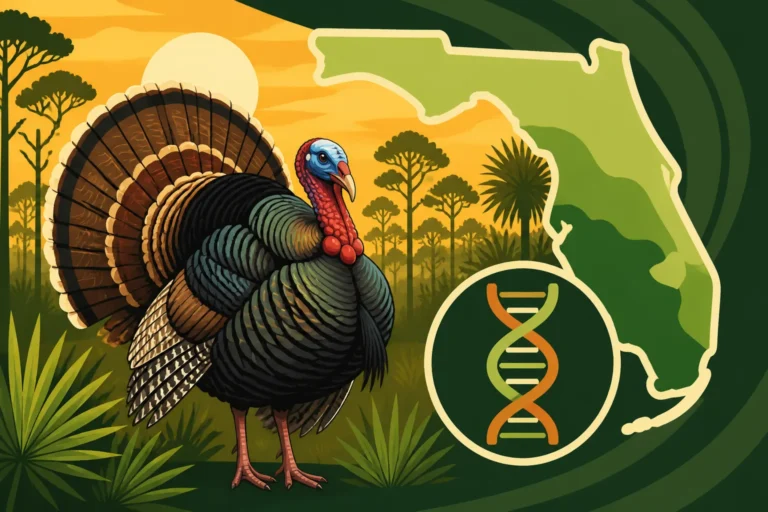
For many hunters, figuring out exactly how many Eastern turkeys roam Florida's Panhandle can feel like a guessing game. You scout hard, listen for gobblers, and sometimes you just come up empty, leaving you wondering if the birds are even there in good numbers. This guide is here to pull back the curtain on how Florida's Eastern turkey populations are estimated, what factors influence their numbers, and what that means for your next hunt in the pine flats and hardwood bottoms of North Florida.
Understanding Florida's Eastern Turkey Range and Habitat
Hunting Eastern turkeys in Florida is a unique experience, particularly when you compare it to chasing Osceolas further south. The habitat is different, the seasons are often different, and naturally, the birds themselves have adapted to this distinct environment. Knowing where these birds live and why they choose those spots is the first step to understanding their population.
Geographic Distribution in the Panhandle
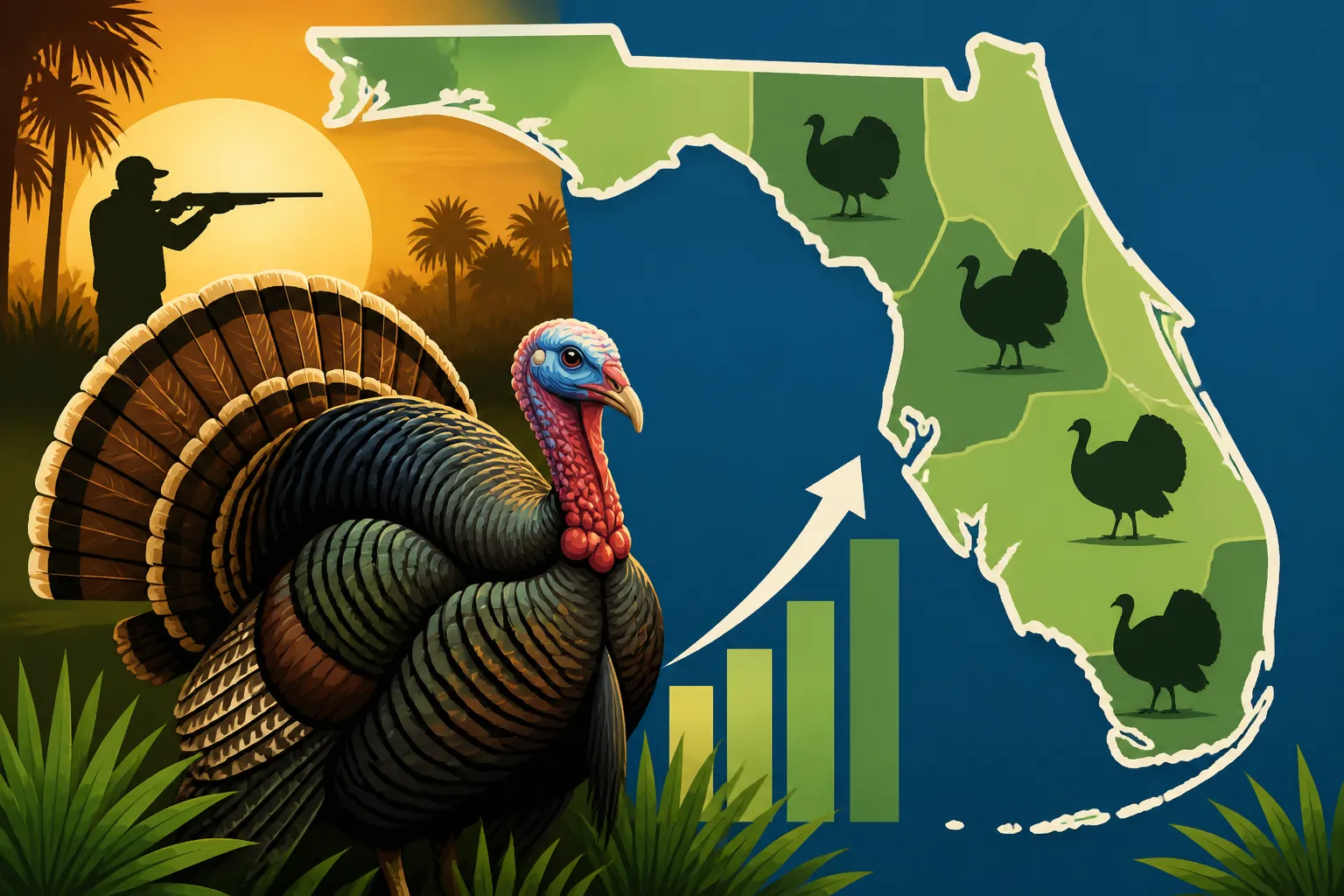
Florida's Eastern turkey population is primarily concentrated in the Panhandle, stretching from the Suwannee River westward to the Alabama and Georgia borders. We're talking about counties like Escambia, Santa Rosa, Okaloosa, Walton, Holmes, Washington, Bay, Jackson, Calhoun, Gulf, Liberty, Franklin, Gadsden, Leon, Wakulla, Jefferson, Madison, and Taylor. This vast area encompasses a significant portion of what we commonly refer to as "North Florida." The terrain here is a real mix, quite distinct from the central and south Florida landscapes. You'll find expansive tracts of pine plantations, often managed for timber, interspersed with mature hardwood hammocks along creeks and river bottoms. The rolling hills, a stark contrast to the flat central ridge, provide different hunting challenges and habitat niches. Hunters often spend their time navigating these diverse ecosystems, trying to pinpoint where the birds are using the land. For a deeper dive into the specific zones, you might want to read about Eastern Turkey Range in the Panhandle.
These diverse habitats mean that turkey populations aren't uniformly distributed. A hunter in the longleaf pine savannas of Blackwater River State Forest might encounter turkeys behaving differently than someone working the dense swamps of the Apalachicola River basin. The sheer scale of public lands like the Apalachicola National Forest or Eglin Air Force Base also plays a huge role in supporting these populations, providing large, relatively undisturbed areas for turkeys to thrive. However, this also means covering a lot of ground, and sometimes the birds seem to just vanish into the endless timber.
Preferred Habitats and Food Sources
Eastern turkeys are creatures of their environment, and their movements and population health are heavily tied to the availability of preferred habitats and reliable food sources. In the Panhandle, this often means areas with a mosaic of mature pine forests providing roosting cover and open understory for strutting, coupled with hardwood stands offering crucial mast crops. Oak hammocks, especially those with an abundance of red oaks and white oaks, are absolute magnets for turkeys when acorns start to drop in the fall and winter. These areas provide vital nutrition to help birds through leaner times.
Beyond acorns, Eastern turkeys in Florida also feast on a variety of other foods. Pine mast, particularly the seeds from longleaf and slash pines, can be a significant food source, especially in years when oak mast is scarce. They'll also forage for insects like grasshoppers and beetles, especially during the spring and summer when poults need high-protein diets to grow quickly. Agricultural fields, where they exist, can also draw birds in, offering waste grains like corn or peanuts. Understanding these dietary preferences and how they change throughout the year is key to anticipating turkey movements and can be a huge aid in Hunting an Eastern Gobbler in Panhandle Pines. A tool like GoHunt's mapping features can be incredibly useful for pinpointing these diverse habitat types and potential food sources before you even set foot in the woods.
How Population Estimates Are Made
Unlike deer or even hogs, which sometimes have aerial surveys, counting turkeys is a particularly tricky business. You can't just fly over and get an accurate tally. Instead, wildlife agencies rely on a combination of scientific methods and hunter contributions to piece together a population estimate. It's an ongoing effort, constantly refined, to give us the best possible picture of how many birds are out there.
Survey Methods and Data Collection
The Florida Fish and Wildlife Conservation Commission (FWC) uses several methods to estimate Eastern turkey populations. One of the primary tools is the annual summer brood survey. This involves wildlife biologists and even citizen scientists reporting sightings of turkey hens and their poults. By tracking the number of poults per hen, they can gauge nesting success and poult survival, which are critical indicators of future population trends. If you're seeing lots of small birds following a hen in late summer, that's a good sign for the next hunting season!
Another crucial method involves gobbling counts during the spring. Biologists will establish routes and listen for gobblers at dawn, noting the number of distinct gobblers heard. While not a direct count of every bird, it provides an index of the breeding population and activity levels. Hunter harvest data also plays a significant role. When hunters report their successful harvests, that information, combined with other survey data, helps biologists understand hunter success rates and overall population health. This collective data helps to give us a picture of Florida Turkey Population Trends over time. It's a complex puzzle, but each piece of data helps build a clearer image.
Factors Influencing Population Dynamics
Turkey populations are incredibly dynamic, constantly ebbing and flowing based on a multitude of factors. It's not just about how many birds are born; it's about how many survive to reproduce. Nesting success, for example, is highly dependent on weather conditions during the spring. A cold, wet spring can lead to significant poult mortality, as young turkeys are susceptible to hypothermia. Predators also play a massive role. Raccoons, opossums, bobcats, coyotes, and even feral hogs can raid nests and prey on young poults, making it tough for a flock to bounce back.
Habitat loss or degradation is another persistent challenge. While Florida has significant public lands, development and changing land-use practices on private lands can impact turkey habitat. Conversely, sound land management practices, such as prescribed burning in pine forests, can significantly improve turkey habitat by promoting new growth and controlling dense understory, making it easier for poults to navigate and find food. Understanding these factors helps explain why populations might boom in one area and struggle in another. When you're using a mapping tool like GoHunt to scout, keeping an eye on recent burns or timber cuts can help you predict where the birds might be concentrated due to habitat improvements.
Interpreting Florida's Eastern Turkey Population Trends
Knowing the methods behind the estimates is one thing, but what do those numbers actually tell us about the turkeys you'll be chasing next season? It's about looking at the bigger picture and understanding how various influences shape the opportunities for hunters.
Current Status and Historical Context
Generally speaking, Florida's Eastern turkey population in the Panhandle has been relatively stable, with some localized fluctuations based on habitat conditions, predation, and weather. This is thanks in large part to ongoing conservation efforts and responsible wildlife management over the decades. Back in the early 20th century, wild turkey populations across the country, including Florida, were at historic lows due to overhunting and widespread habitat destruction. Intensive restoration efforts, including trap-and-transfer programs, were instrumental in bringing these magnificent birds back to healthy numbers.
Today, while we don't often see the dramatic population booms of the past, the goal is sustained health. Biologists continually monitor factors like poult survival rates and hunter harvest data to ensure that populations remain robust. It's a delicate balance, and sometimes a particularly harsh winter or a series of wet springs can cause a dip, but the underlying trend aims for stability. For those interested in how state agencies manage game animals, understanding Florida Wildlife Disease Monitoring Program is also relevant, as diseases can impact population health.
Regional Variations and Hunting Implications
It’s easy to think of the Panhandle as one big turkey zone, but in reality, population density can vary quite a bit from one county to the next, or even from one side of a forest to another. Some areas, particularly those with a strong mix of mature pine and hardwood bottomlands, tend to hold more birds. Other areas, perhaps those with more fragmented habitat or higher predator populations, might see fewer turkeys. This is where local knowledge and diligent scouting really come into play.
| Habitat Type | Typical Turkey Density | Challenges for Hunters | Advantages for Hunters |
|---|---|---|---|
| Pine Plantations | Moderate to High | Dense understory, difficult visibility | Good roosting cover, predictable food sources |
| Hardwood Bottomlands | High | Thick cover, flooding potential | Abundant mast, crucial travel corridors |
| Mixed Pine/Hardwood | High | Varied terrain | Diverse food, cover, and strutting areas |
| Agricultural Edges | Variable | Limited access, private land bias | Concentrated birds, easy visibility |
For hunters, these regional variations mean that success isn't guaranteed just by showing up in the Panhandle. You really need to do your homework. Areas with a high concentration of mature acorns, for instance, might hold more birds in the fall, which can also influence Fall Turkey Tactics in the Panhandle. Conversely, in spring, understanding where those birds are roosting and where they might fly down to strut is paramount. Public lands like the various Wildlife Management Areas (WMAs) often provide excellent opportunities, but they can also see higher hunting pressure, pushing birds into thicker cover. This makes Scouting Florida Public Land Before Season an indispensable part of your strategy, allowing you to identify those less-pressured pockets.
Impact of Hunting Pressure and Management Strategies
Hunting isn't just a recreational pursuit; it's an integral part of wildlife management. Ethical hunting practices and sound regulatory frameworks help maintain healthy turkey populations, ensuring opportunities for future generations.
Hunter Harvest and Tagging Requirements
The annual hunter harvest of Eastern turkeys in Florida is carefully monitored and regulated. The FWC sets specific season dates and bag limits to ensure that hunting pressure remains sustainable and doesn't negatively impact the overall population. For instance, knowing the Florida Eastern Spring Season Dates is crucial for planning your hunt. Hunters are generally allowed to harvest a certain number of gobblers per season, and proper tagging and reporting are mandatory. This data, collected diligently by the state, is then folded back into the population estimates and helps inform future management decisions.
Ethical hunting practices are paramount here. This means not only adhering to bag limits but also practicing good sportsmanship and making clean, ethical shots. The goal is to harvest mature gobblers while minimizing disturbance to hens and young birds. Every piece of data, from your license purchase to your reported harvest, contributes to the overall understanding of the Eastern turkey population and helps ensure that Florida remains a premier destination for Hunting Florida's Eastern Panhandle Turkey.
Conservation Efforts and Future Outlook
The future of Florida's Eastern turkey population looks promising, largely due to ongoing conservation efforts. The FWC, along with partners like the National Wild Turkey Federation (NWTF) and private landowners, is continuously working on habitat improvement projects. This includes initiatives like prescribed burning, which is incredibly important for maintaining healthy pine forest ecosystems that turkeys thrive in. These controlled burns reduce fuel loads, prevent catastrophic wildfires, and stimulate new growth, creating better foraging opportunities and nesting cover.
Land acquisition programs also play a vital role, ensuring that critical habitat areas are protected from development and remain available for wildlife. When combined with smart regulations and hunter support, these efforts create a robust framework for sustaining Eastern turkey populations. The goal is not just to maintain current numbers but to ensure that these birds continue to flourish, offering hunters the chance to experience the thrill of a gobbler echoing through the Panhandle pines for years to come. If you're looking for more public land opportunities to pursue these birds, checking out Florida State Forests and Environmental Areas can often reveal new spots with active habitat management.
Disclaimer
This article is for general informational purposes only and does not constitute professional advice. Laws, prices and regulations vary by location and change over time. Consult a qualified professional for guidance on your specific situation.