Florida Coyote Range and Density
Many Florida landowners, hunters, and even suburban residents find themselves asking the same question: are coyotes really everywhere now? It can feel like these adaptable canids have popped up out of nowhere, bringing with them a mix of curiosity and concern. This comprehensive guide will pull back the curtain on the surprising journey of coyotes into the Sunshine State, exploring their current range, estimated populations, and what their pervasive presence means for Florida's diverse ecosystems and its human inhabitants.
The Unexpected Rise of Florida Coyotes
It’s easy to think of Florida as a place of alligators, panthers, and white-tailed deer, but a relatively new predator has established itself firmly across the entire state: the coyote. For many, their arrival seems sudden, a phenomenon that has changed the dynamics of local wildlife and even suburban living. But the truth is, their expansion into Florida has been a slow, steady march, driven by their incredible adaptability and a lack of natural competition.
Historical Context and Range Expansion
Coyotes, historically, were creatures of the American West. Their familiar howls echoed across prairies and deserts, far removed from Florida's swamps and pine flatwoods. However, as human populations expanded and altered landscapes across North America, coupled with the extirpation of larger predators like wolves in many areas, coyotes began to expand their territory. They are master opportunists, capable of thriving in a vast array of environments that would be inhospitable to more specialized predators. Their journey eastward across the continent was largely unhindered, a testament to their resilience.
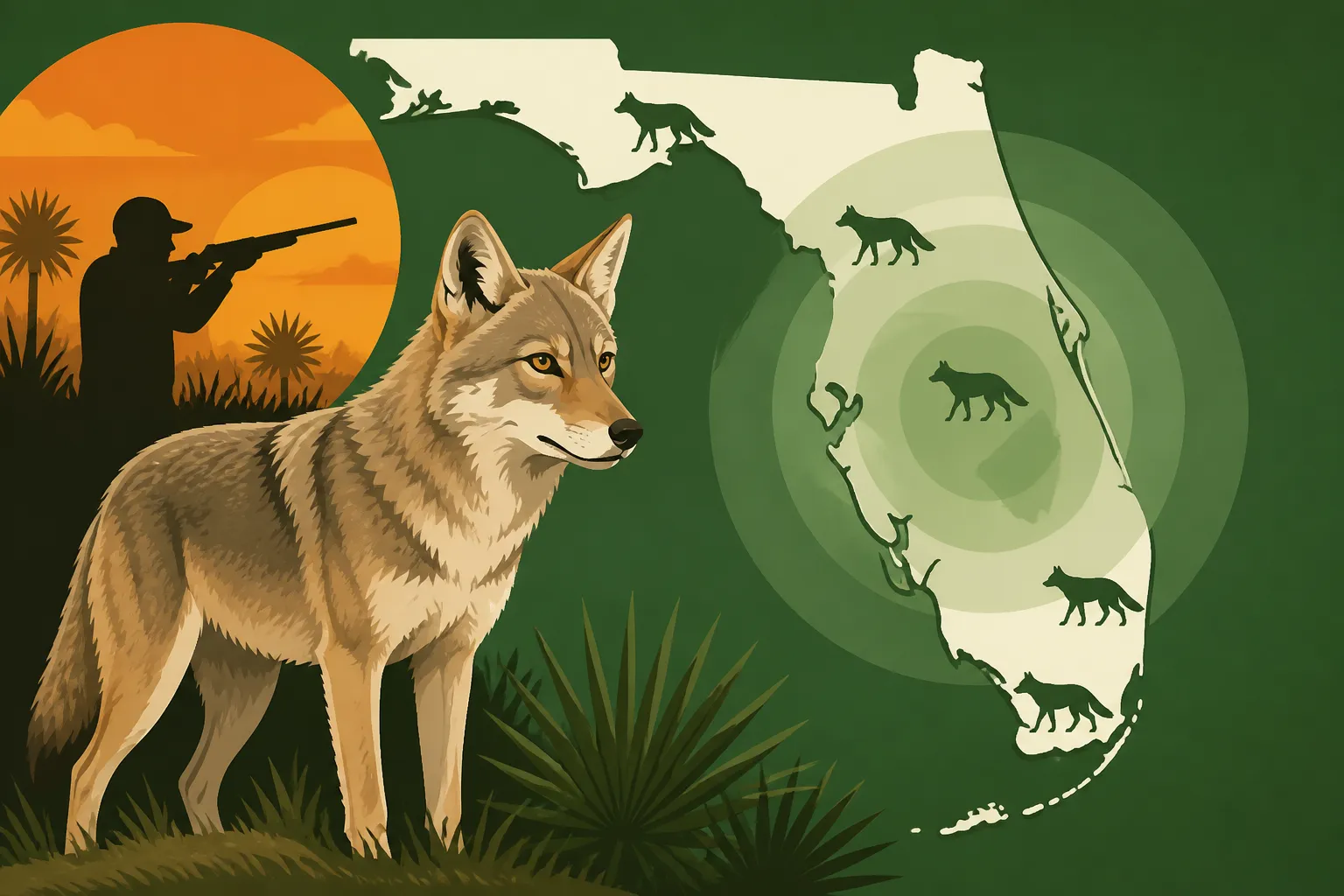
They likely entered Florida through the Panhandle, migrating from neighboring states like Alabama and Georgia, sometime in the 1970s or 80s. From there, they gradually spread southward, adapting to Florida's unique habitats. This wasn't a coordinated invasion but a natural dispersal driven by the search for new territories and food sources. Today, it's widely accepted that coyotes now inhabit every single county in Florida. This remarkable colonization, in a relatively short period, showcases their incredible ability to carve out a niche wherever they go. Understanding this historical spread helps us grasp why they are such a ubiquitous presence now, from the sugar cane fields of the Everglades to the suburban fringes of Orlando. If you're curious to dive deeper into their initial arrival, consider reading about When Coyotes First Arrived in Florida.
Dispelling Myths About Their Introduction
There are many misconceptions floating around about how coyotes came to be so widespread in Florida. A common myth suggests that state wildlife agencies or private landowners intentionally introduced them to control feral hog populations or other wildlife. This is simply not true. Florida Fish and Wildlife Conservation Commission (FWC) and other reputable wildlife agencies have consistently stated that coyotes are a naturally dispersing species. Their arrival was organic, a biological expansion rather than a human-facilitated relocation.
Another prevalent myth attributes their presence to illegal releases by individuals, perhaps for hunting or other purposes. While isolated incidents of illegal animal releases might occur, they would not account for the state-wide, consistent colonization seen with coyotes. The genetic evidence and observed dispersal patterns clearly point to a natural, continent-wide range expansion. These misunderstandings often fuel apprehension, but recognizing their natural spread helps us better understand and manage their role in Florida's ecosystems, rather than chasing phantom origins. It highlights their inherent drive to expand and adapt, a trait that has served them well.
Where the Wild Things Roam: Florida Coyote Habitat
One of the most remarkable things about coyotes is their incredible ability to thrive in almost any environment. Unlike many other predators that require vast, untouched wilderness, coyotes are generalists, perfectly content to live on the fringes of human development, in dense forests, or wide-open agricultural fields. This adaptability is key to understanding their pervasive range and density across the Sunshine State.
Adaptability Across Florida's Diverse Landscapes
Florida's landscape is a patchwork of incredibly diverse habitats, from the sprawling pine flatwoods and cypress swamps of the Panhandle to the scrublands of the central ridge and the vast Everglades marshes down south. Coyotes have successfully established themselves in all of these distinct environments. In the northern and central parts of the state, they roam through timberlands, oak hammocks, and cattle ranches. Here, they'll hunt deer fawns, rabbits, rodents, and even fruit, adapting their diet to whatever is available. A key aspect of their success is their opportunistic hunting style, which allows them to capitalize on fluctuating prey populations or even carrion. For hunters interested in similar areas, exploring strategies for Hunting Florida Panhandle Pine Plantations or Hunting Florida Central Ridge Sandhills might also offer insights into coyote territories.
Further south, where the landscape transitions into more open prairies and agricultural lands, coyotes continue to thrive. They utilize irrigation ditches, fencerows, and small patches of woods for cover and denning, venturing out into open fields to hunt. Their ability to blend into these varied habitats, coupled with their keen senses, makes them incredibly difficult to spot, even when their numbers are significant. This ubiquitous presence means that no matter where you are in Florida, from the most remote wilderness to the edge of a bustling city, a coyote is likely not far away.
Urban and Suburban Coyote Presence
Perhaps the most surprising aspect of Florida's coyote story is their comfortable presence in urban and suburban areas. It’s no longer uncommon to hear about coyote sightings in neighborhoods, golf courses, or even parks in cities like Jacksonville, Tampa, and Orlando. These aren't just transient animals passing through; many coyotes have established territories within urbanized landscapes, finding ample food and shelter. They scavenge from garbage, hunt small pets (like outdoor cats and small dogs), and prey on abundant urban wildlife such as raccoons, opossums, and rodents.
The appeal of these areas is clear: reliable food sources, often fewer traditional predators (like bobcats or larger raptors), and relatively safe denning sites in dense shrubbery, drain culverts, or under sheds. This proximity to humans, while often unsettling for residents, highlights the coyote's unparalleled adaptability. They have learned to navigate human infrastructure, often moving under the cover of darkness, making their presence known mostly through sightings or the occasional missing pet. This urban expansion is a national trend, and Florida's coyotes are no exception to this fascinating, and sometimes problematic, adaptation. For a broader view on predator interactions, consider exploring Coyotes and Predators in Florida.
Counting the Uncountable: Estimating Coyote Density
When you talk about a species as adaptable and elusive as the coyote, pinning down exact population numbers or precise densities becomes incredibly challenging. Unlike larger, more easily observed animals, coyotes are masters of stealth, often nocturnal, and their numbers can fluctuate based on food availability and local pressure. However, wildlife biologists employ a variety of methods to get a reasonable estimate of their presence across the state.
Challenges in Population Monitoring
Direct counts of coyotes are practically impossible due to their secretive nature and vast range. Imagine trying to count every squirrel in Florida; now imagine one that moves mostly at night and is wary of humans. Traditional methods like aerial surveys, effective for large ungulates like deer, are largely useless for coyotes hiding in dense cover. Track counts can provide some indication of presence, but don't translate easily into precise population figures. Even camera traps, while excellent for confirming presence and capturing behavior, require extensive deployment over long periods to yield meaningful density estimates.
Furthermore, coyote populations are highly dynamic. They respond quickly to changes in prey availability, human hunting or trapping pressure, and habitat alterations. A robust food source in one area might lead to higher densities, while an outbreak of disease or intense predator control efforts in another could significantly reduce numbers. This constant flux makes long-term monitoring and precise density calculations a continuous challenge for wildlife management agencies. While we can confidently say How Many Coyotes Florida Has is "a lot," arriving at a single, precise number is incredibly difficult, often requiring complex modeling based on multiple data points rather than direct counts.
Density Variations Across Geographic Regions
Despite the challenges, biologists can infer general density patterns across Florida's regions. For instance, areas with abundant small game, a healthy deer population (especially fawns), and good cover tend to support higher coyote densities. This often includes mixed agricultural and timberlands, as well as the transition zones between suburban developments and wilder areas, where food sources from both worlds are available.
Conversely, deep, inaccessible swamps or heavily urbanized cores with very limited green space might see lower densities, though even these areas can surprise you. Agricultural areas, particularly those with cattle or poultry, can also experience significant coyote presence, leading to concerns about predation on livestock. These localized variations mean that while coyotes are widespread, their numbers aren't uniform. A hunter in the Panhandle might encounter them differently than a rancher near Lake Okeechobee or a resident in a Central Florida subdivision. Understanding these regional nuances is crucial for both wildlife management and for anyone living or recreating in Florida's diverse landscapes. GoHunt, with its detailed mapping layers, can be a helpful tool for hunters and landowners looking to understand habitat features that might indicate higher coyote densities in specific areas.
Here's a simplified look at potential coyote density considerations by habitat type:
| Habitat Type | Typical Features | Expected Coyote Density | Common Food Sources | Associated Challenges |
|---|---|---|---|---|
| Rural Ranch/Farmland | Open fields, woodlots, cattle pastures, crops | Moderate to High | Rodents, rabbits, fawns, small livestock, carrion | Livestock depredation, crop damage |
| Pine Flatwoods/Forests | Dense timber, palmetto, scrub, swamps | Moderate | Deer fawns, rabbits, rodents, reptiles, birds | Impact on game populations |
| Suburban/Exurban | Residential areas, green spaces, parks, golf courses | Moderate to High | Pets, garbage, raccoons, opossums, rodents, birds | Pet safety, human-wildlife conflict |
| Wetlands/Everglades | Marshes, cypress swamps, sloughs | Low to Moderate | Rodents, reptiles, birds, amphibians | Less direct human conflict |
The Ecological Ripple Effect: Coyote Impacts in Florida
As apex predators (or at least mesopredators, given the Florida panther’s presence in some areas), coyotes exert a significant influence on the ecosystems they inhabit. Their widespread presence in Florida has led to both observed and anticipated changes in the state's wildlife populations, often creating complex challenges for wildlife managers and landowners alike. Understanding these impacts is crucial for appreciating the role coyotes now play in Florida's natural world.
Impact on Native Game Species
One of the most talked-about impacts of Florida's thriving coyote population is their effect on native game species, particularly white-tailed deer. Coyotes are opportunistic predators, and deer fawns are a relatively easy and highly nutritious food source, especially during the spring birthing season. Studies in other states, and increasingly in Florida, show that coyotes can be a significant source of fawn mortality, sometimes accounting for a large percentage of annual fawn losses. While adult deer are generally too large and agile for a single coyote, sick, injured, or very young deer can fall victim. Hunters are particularly sensitive to this, as they often report fewer fawns surviving to maturity in areas with high coyote activity. If you are interested in the broader picture of deer management, exploring Florida Deer Herd Size or Florida Fawn Survival Rates could offer more context.
Beyond deer, coyotes also prey on wild turkeys, especially poults and nesting hens. Small game like rabbits and quail also feature heavily in their diet, and while these populations have many other pressures, coyotes add another layer of predation. This doesn't mean coyotes are solely responsible for declines in game populations; habitat loss, disease, and other factors play significant roles. However, their pervasive and adaptable hunting strategy makes them a consistent pressure point on many of Florida's beloved game animals. For hunters aiming to manage their properties or understand game dynamics, recognizing this impact is essential.
Interactions with Livestock and Pets
The proximity of coyotes to human activity, especially in rural and suburban areas, inevitably leads to conflicts with livestock and domestic animals. Ranchers, particularly those raising calves, goats, or sheep, frequently face challenges with coyote depredation. While cattle are generally too large, young calves can be vulnerable, especially if separated from the herd. Poultry farmers are also at risk, as coyotes are adept at finding ways into coops. These incidents can lead to significant economic losses for agricultural producers. If you're managing ranchland, understanding Florida Coyote Diet in Ranch Country can help you predict and mitigate these issues.
For suburban homeowners, the biggest concern often revolves around the safety of their pets. Outdoor cats and small dogs left unsupervised are vulnerable to coyote predation. These animals are often easy targets, and a coyote won't distinguish between a wild rabbit and a domesticated pet. The unfortunate reality is that a coyote sees a potential meal, not a beloved companion. These interactions highlight the delicate balance of sharing space with wild predators and underscore the need for responsible pet ownership, such as keeping pets indoors or supervising them closely when outside, especially in areas with known coyote activity.
Living Alongside the Coyotes: Management and Coexistence
Given that coyotes are now a permanent fixture in Florida's ecosystems, the focus has shifted from eradication (which is largely impractical and often ecologically unsound) to effective management and fostering coexistence. This means adopting strategies that minimize conflict and allow both humans and coyotes to share the landscape, albeit with appropriate boundaries and protections.
Strategies for Reducing Conflicts
The most effective approach to reducing conflicts with coyotes, whether in rural or suburban settings, involves a multi-pronged strategy centered on deterrence and habitat modification. For homeowners, securing garbage cans, removing pet food and water bowls from outside overnight, and picking up fallen fruit can eliminate easy food sources that attract coyotes. Fencing can be highly effective, especially if it's tall and extends slightly underground to prevent digging. Deterrents like motion-activated lights or sprinklers can also discourage coyotes from frequenting yards. It's also critical to avoid intentionally feeding coyotes, as this habituates them to humans and increases the likelihood of bold, problematic behavior.
For livestock owners, proactive measures are key. This includes installing coyote-resistant fencing, using guard animals (like donkeys, llamas, or specific breeds of dogs), and penning vulnerable animals at night. Improved husbandry practices, such as ensuring birthing areas are secure and removing carcasses quickly, can also reduce attractants. Collaboration with local wildlife authorities can provide tailored advice and resources. While it might seem like a lot of effort, prevention is almost always more effective and less costly than reacting to an incident after it occurs.
Hunting and Trapping as Management Tools
For many landowners and wildlife managers, hunting and trapping are important tools in managing coyote populations, especially where conflicts with livestock or game species are pronounced. In Florida, coyotes are classified as an unprotected species, meaning there is no closed season or bag limit for their harvest. This provides significant flexibility for individuals to engage in control efforts. For those looking to participate, securing a valid hunting license is the first step. Understanding Florida Coyote Hunting Season Rules and local ordinances is crucial before any activity.
Methods range from calling and shooting to various trapping techniques. Predator calling, using distress calls or howls, can be very effective, especially during dawn and dusk. For specific tactics, hunters might find insights in articles like Coyote Calling Florida Ranch Land or Predator Calling Florida Palmetto Country. Trapping, when conducted legally and ethically, can target specific problem animals or help reduce localized populations. If you're considering trapping, you'll need to be familiar with Florida Trapping License Requirements and the regulations surrounding trap types and placement. Tools like GoHunt can assist in scouting potential areas, identifying public lands, or even private land features where coyotes might concentrate, making hunting and trapping efforts more efficient. The goal of these activities isn't necessarily to eliminate coyotes entirely but to manage their numbers to acceptable levels, mitigate damage, and reduce the frequency of negative interactions, thereby fostering a more balanced coexistence. Additionally, for those interested in specific harvest regulations, information on Night Hunting Rules for Florida Coyotes can provide necessary details.
Disclaimer
This article is for general informational purposes only and does not constitute professional advice. Laws, prices and regulations vary by location and change over time. Consult a qualified professional for guidance on your specific situation.