Florida Trapping License Requirements
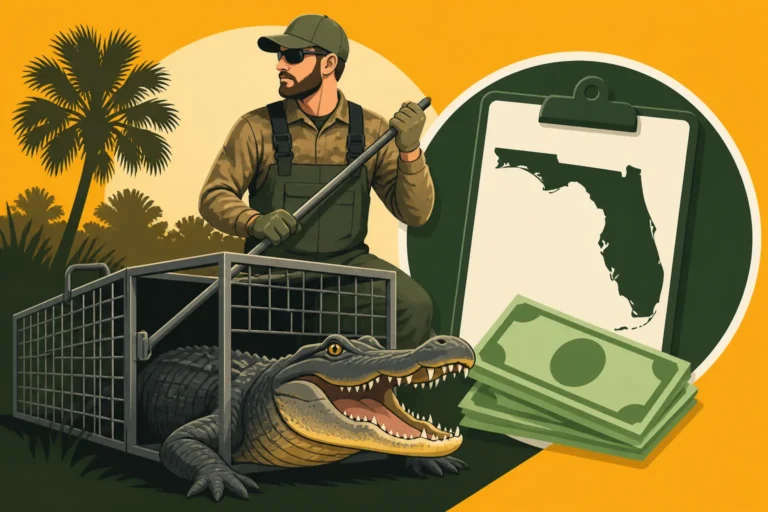
The world of trapping in Florida can feel like a labyrinth of rules and regulations, leaving many aspiring trappers or landowners frustrated and unsure where to begin. It's easy to get lost in the details of licenses, seasons, and permissible methods, especially when you're just trying to manage nuisance wildlife or engage in a time-honored tradition responsibly. This guide will meticulously break down everything you need to know about Florida's trapping license requirements, ensuring you're fully prepared and compliant before you ever set a single trap.
Understanding What Constitutes Trapping in Florida
Before you even think about applying for a license, it's crucial to understand what the Sunshine State legally considers "trapping." It's more than just setting a cage; it encompasses a range of activities and devices used to capture wild animals, particularly furbearers. Florida's regulations are designed to manage wildlife populations, protect non-target species, and ensure ethical practices.
Defining Legal Trapping Methods and Devices
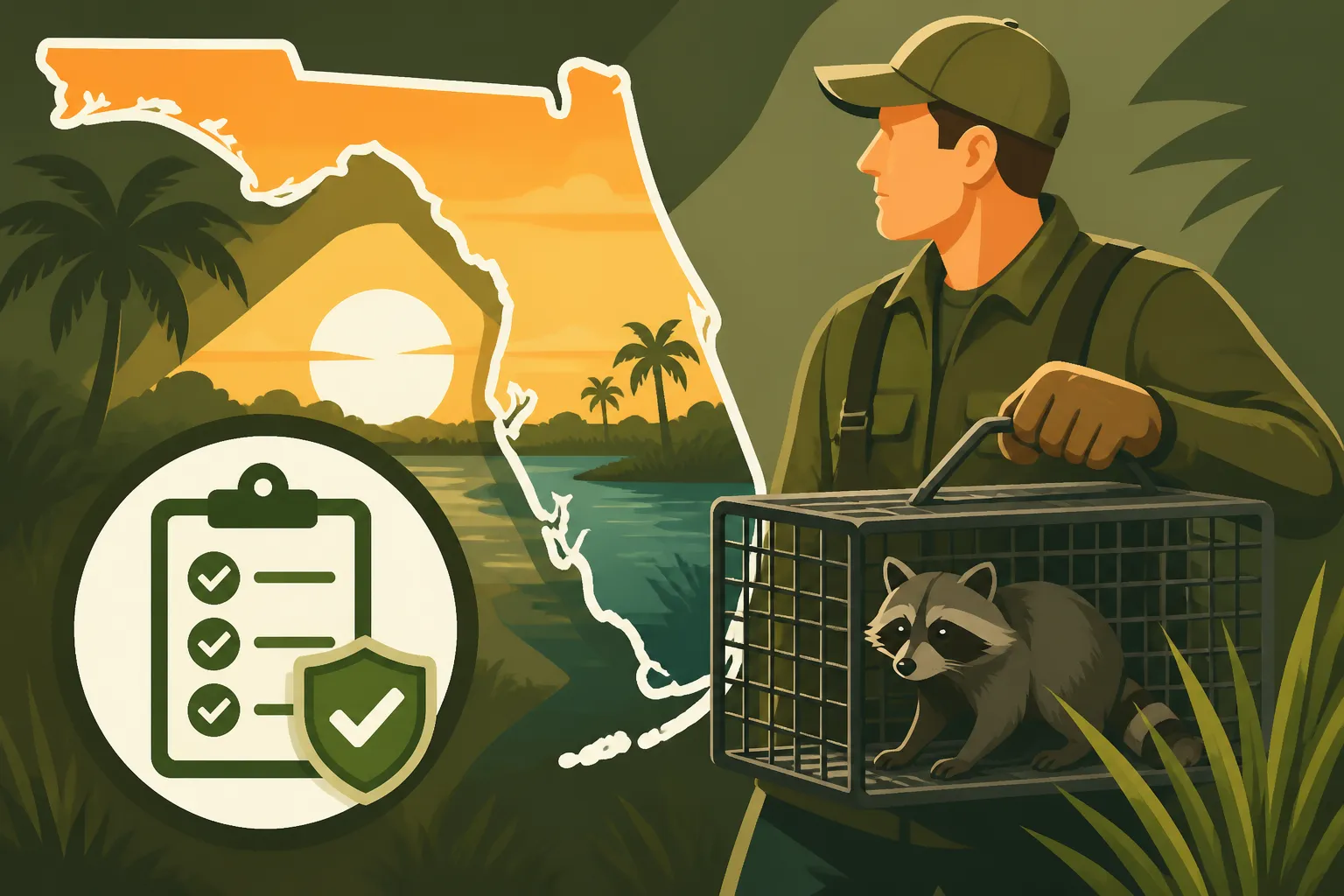
In Florida, "trapping" generally refers to the taking of furbearers by means of a trap. This isn't just limited to the stereotypical leg-hold traps you might imagine from old Westerns; it includes box traps, cage traps, and body-gripping traps, among others. The Florida Fish and Wildlife Conservation Commission (FWC) meticulously outlines which types of traps are permissible and how they must be used. For instance, you can't just set any old snare without understanding the specific regulations around snaring or cable devices, which are often limited to certain contexts or properties.
The regulations also specify trap placement, size, and even the requirement for ID tags bearing the trapper's name and license number. Ignoring these details isn't just poor practice; it can lead to significant fines and penalties. It's about ensuring humane capture and minimizing the risk to non-target animals, including domestic pets or protected species. Many seasoned trappers rely on detailed maps and digital scouting tools, perhaps even an advanced app like GoHunt, to plan their sets effectively and ensure compliance with setback rules.
Differentiating Trapping from Other Wildlife Control
It's a common misconception that all forms of animal capture fall under the same "trapping" umbrella, but Florida law draws clear distinctions. For instance, removing a nuisance animal from your property that poses a threat to property or health often falls under different guidelines, sometimes requiring a Nuisance Wildlife Trapper (NWT) permit rather than a standard furbearer trapping license. If you're simply trying to catch a raccoon raiding your trash can, the rules are likely different than if you're targeting beaver for their pelts.
Similarly, hunting, even with the use of dogs or specific equipment, is distinct from trapping. While you might be able to hunt Year-Round Hog Hunting in Florida without specific trapping permits on private land, using a box trap to catch a sounder of hogs requires understanding if the "trapping" definition applies and what licenses, if any, are needed for that specific activity. The key lies in the intent and the method: are you specifically targeting regulated furbearers with passive devices? If so, you're likely in the trapping world.
The Legal Framework for Furbearer Management
Florida's approach to furbearer management is rooted in scientific conservation, aiming to maintain healthy populations while allowing for sustainable harvest. The FWC is the governing body responsible for setting seasons, bag limits (though often not applicable to trapping in the traditional sense for furbearers), and license requirements. This framework ensures that species like bobcats, foxes, otters, and beavers aren't over-harvested and that their roles in the ecosystem are respected.
This legal framework also outlines the responsibilities of trappers, including mandatory reporting of certain harvests. It’s not just about getting the license; it's about being an active participant in wildlife conservation. Understanding these regulations is paramount for anyone considering becoming a trapper, as they are dynamic and can be updated by the FWC based on population surveys and ecological needs.
Who Needs a Florida Trapping License and Why
Once you grasp what trapping entails, the next big question is: do you need a license? The answer, like most things in wildlife management, isn't always a simple yes or no. It largely depends on your residency, age, and the purpose of your trapping activity.
Resident vs. Non-Resident Requirements
Florida differentiates significantly between residents and non-residents when it comes to hunting and trapping licenses. If you're a Florida resident, the process and costs are typically more straightforward and less expensive. You're considered a resident if you've established permanent domicile in the state for at least six consecutive months, among other criteria defined by the FWC. For instance, if you've recently moved to the state, ensure you meet the Florida Resident License Options requirements before applying for a resident trapping license.
Non-residents, on the other hand, face higher fees and sometimes more restrictive conditions, though trapping opportunities are still available. It's a way to ensure that local residents, who contribute to the state's tax base and conservation efforts year-round, receive some benefit. If you're visiting from out of state with the intent to trap, you'll need to look into Florida Nonresident License Options very carefully and plan your trip accordingly, as some licenses might take time to acquire. The FWC makes it clear that intent and legal residency are key.
Age Exemptions and Special Circumstances
Just like with hunting, there are age considerations for trapping licenses in Florida. Generally, anyone 16 years of age or older needs a license to trap furbearers. However, there are nuances for younger individuals. Florida encourages youth involvement in outdoor activities through programs like the Mentored Youth Hunting License, but specific trapping rules for minors can vary. It’s always best to check the most current FWC regulations to ensure compliance for younger participants.
Beyond age, certain special circumstances might affect license requirements. For example, landowners trapping furbearers on their own property for personal use might have slightly different stipulations compared to someone trapping on public lands or someone doing it commercially. These exemptions, however, are usually very specific and don't negate the need to understand the underlying regulations for trap types and checking requirements. It's never a "free pass" from responsible wildlife interaction.
Trapping for Personal Use Versus Commercial Purposes
This is a critical distinction in Florida. If you're trapping a few foxes or otters for personal enjoyment, pelts, or meat (where legal), you'll typically need the standard furbearer trapping license. This is often an individual pursuit, focused on recreational harvest. However, if your intent is to sell the pelts, meat, or engage in trapping for profit, you might fall under commercial regulations, which can involve additional permits or even a different class of license entirely.
The FWC's goal is to regulate commercial activities more stringently to prevent over-exploitation and ensure ethical business practices. If you're considering setting up a trapline with the intention of making a living or supplementing your income, you absolutely must research the commercial trapping requirements, which may involve business licenses in addition to wildlife permits. This ensures a level playing field and responsible resource management for everyone.
Navigating Florida's Trapping License Options and Costs
Understanding the different licenses available and their associated costs is essential for any aspiring trapper. Florida's system is tiered, often requiring a base license before you can even think about specific trapping endorsements.
The Base Hunting License as a Prerequisite
Here's a point of confusion for many: in Florida, to purchase a Furbearer Trapping License, you almost always need to possess a valid Florida hunting license first. Think of the hunting license as your foundational permit to engage in most land-based wildlife harvest activities. This requirement ensures that trappers have at least a basic understanding of wildlife regulations and often means they've completed Florida Hunter Education Requirements. It’s a smart move by the state to promote responsible behavior across the board.
So, when budgeting for your trapping endeavors, remember to factor in the cost of a Florida hunting license. This applies whether you're a resident or a non-resident. It's not an optional add-on; it's a fundamental step in the process, much like needing a driver's license before you can get a motorcycle endorsement. This also means understanding how long a Florida license stays valid, as they typically run for a fiscal year.
Specific Furbearer Trapping Licenses and Add-ons
Once you have your hunting license, you can then purchase the specific Furbearer Trapping License. This is the permit that officially authorizes you to trap furbearers like bobcats, otters, foxes, and raccoons within established seasons. The cost varies for residents and non-residents, with non-resident fees being significantly higher.
Sometimes, additional permits or certifications might be required depending on the species or specific location. For example, if you plan to trap on a Wildlife Management Area (WMA), you’ll likely need a The Florida WMA Management Area Permit in addition to your state licenses. And while specific trapping seasons apply, understanding the nuances of species like Florida Fox and Bobcat Trapping Season is critical, as seasons and legal devices can differ. It’s a layered system, designed to cover all bases of responsible wildlife management.
Understanding Permit Validity and Renewal
Most Florida hunting and trapping licenses operate on a fiscal year cycle, typically expiring on June 30th, regardless of when you purchased them within that year. This means if you buy a license in May, it will still expire on June 30th of that same year. It’s crucial to be aware of this, especially if you plan to trap across two different license years. Many trappers set reminders to renew their licenses well in advance of the new season to avoid any gaps in coverage.
For those looking for long-term solutions, Florida does offer Florida Lifetime License Options for residents. While a significant upfront investment, a lifetime license can save money and hassle over many years, simplifying the annual renewal process for your base hunting privilege, though specific trapping endorsements might still need to be purchased annually depending on the exact program. Always check the FWC website for the most up-to-date information on renewal dates and processes.
Here's a quick overview of typical license costs (always verify current rates with FWC):
| License Type | Florida Resident Cost (Approx.) | Non-Resident Cost (Approx.) | Notes |
|---|---|---|---|
| Annual Florida Hunting License | $17.00 | $49.00 – $151.50 | Prerequisite for Trapping License |
| Annual Furbearer Trapping License | $26.50 | $251.50 | Required for trapping regulated furbearers |
| Annual WMA Management Area Permit | $26.50 | $26.50 | Required for hunting/trapping on most WMAs |
| Annual Migratory Bird Permit | $3.00 | $3.00 | Not directly for trapping, but often needed for waterfowl |
Note: Prices are approximate and subject to change by the FWC. Always check the official FWC website for the most current fees and regulations before purchasing.
The Application Process for Your Florida Trapping License
Getting your Florida trapping license is a fairly straightforward process, thanks to modern technology. The FWC has made it relatively easy to apply, whether you prefer to do it online, in person, or even by mail.
Online Application Through FWC's System
The most convenient and popular method for acquiring your Florida trapping license is through the FWC's online licensing system. This platform allows you to purchase your base hunting license and then add the Furbearer Trapping License directly to your cart. The system is user-friendly, guiding you through each step, from selecting your residency status to entering personal information and making payments. Many hunters and trappers rely on this system for its speed and efficiency.
You'll need a valid email address and a credit or debit card. Once purchased, you can often print a temporary license immediately, or save a digital copy to your phone, which is typically accepted as proof of license in the field. This digital convenience is a huge plus, ensuring you always have your license on hand, even if you forget the paper copy at home. Just remember to have your Florida driver's license or state ID handy for verification purposes.
In-Person and Mail-In Application Alternatives
While online is often easiest, not everyone has reliable internet access or prefers digital transactions. Thankfully, you still have options. You can purchase your license in person at various locations across the state, including tax collector's offices, FWC regional offices, and many sporting goods stores like those found in larger towns or even smaller mom-and-pop bait and tackle shops. These locations usually have staff who can help walk you through the process, answer questions, and ensure you get the correct licenses.
Mail-in applications are also an option, though they are the slowest method. You would typically download the application form from the FWC website, fill it out, and mail it with a check or money order. This method is often reserved for those with unique circumstances or those who prefer traditional mail. For most, the online or in-person options offer a much quicker turnaround.
Necessary Documentation and Payment Considerations
Regardless of how you apply, you'll need some basic information and documentation. This typically includes:
- Proof of Florida Residency: If claiming resident rates, this means a Florida driver's license or state ID issued more than six months prior.
- Social Security Number: Required for all license purchases.
- Hunter Education Certificate: If you were born after May 31, 1975, you must show proof of completing an approved Florida Hunter Education Requirements course, or purchase an Apprentice Hunting License.
- Payment: Credit card for online or phone, or cash/check/money order for in-person or mail.
It's also a good idea to keep a record of your purchase, whether it's an email confirmation or a physical receipt. This can be invaluable if there are ever any discrepancies or if you need to replace a lost license. Many serious outdoors enthusiasts, even when scouting for prime spots to set a trap, will cross-reference their license details with resources available on platforms like GoHunt to make sure all their permits are in order.
Essential Regulations Beyond the License for Trappers
Having the right license is just the first step. Florida has a robust set of regulations that dictate how, when, and where you can actually set your traps. Adhering to these rules is not just about avoiding Florida Wildlife Violation Penalties; it's about ethical trapping and responsible wildlife management.
Permitted Trap Types and Setback Requirements
Florida has specific rules regarding the types of traps you can use. Generally, foothold traps, body-gripping traps, and box/cage traps are permitted, but there are strict guidelines for each. For instance, foothold traps often have jaw spread limitations, and body-gripping traps might be restricted in certain areas or during specific seasons to prevent the capture of non-target animals like Florida Black Bear Subspecies Explained or domestic pets.
Equally important are setback requirements. You can't just set a trap anywhere. There are rules about how far traps must be placed from public roads, buildings, or other human dwellings. These regulations are in place for public safety and to minimize conflicts between trappers and the general public. Always consult the FWC's current furbearer regulations handbook, which is updated annually, for the most precise details on trap specifications and legal placements. Ignorance of the law is never an excuse.
Daily Check-in Requirements and Species-Specific Rules
Ethical trapping demands regular checking of traps. In Florida, all traps must be checked at least once every 24 hours. This rule is paramount for the welfare of captured animals, preventing undue suffering and allowing for the quick release of non-target species. Neglecting to check your traps regularly is a serious violation and can result in significant penalties. Trapping is a commitment, not a set-it-and-forget-it activity.
Beyond the daily check, there are often species-specific rules. For example, specific trap types might be disallowed for certain furbearers, or there could be different reporting requirements once an animal is harvested. For Florida beaver and otter trapping, for instance, there might be regulations around the disposal of carcasses or specific tagging requirements. It’s a complex tapestry of rules, all designed to ensure humane and sustainable practices.
Reporting Harvests and CITES Tag Requirements for Certain Species
For some furbearers, especially those whose populations are closely monitored or whose pelts enter international trade, there are specific harvest reporting and tagging requirements. For instance, bobcats require a CITES (Convention on International Trade in Endangered Species of Wild Fauna and Flora) tag if their pelts are intended for export. These tags are critical for tracking harvest numbers and ensuring that Florida's populations remain healthy and viable.
Failure to report harvests or properly tag an animal where required can lead to serious legal consequences. The FWC uses this data to make informed management decisions, adjusting seasons or quotas as needed. It's the trapper's responsibility to understand and comply with these reporting protocols, which are usually detailed in the annual FWC Furbearer Regulations. Tools like GoHunt can sometimes help trappers stay organized with their harvest logs, but the official reporting still goes through FWC.
Targeting Specific Furbearers and Seasons
Trapping in Florida isn't a free-for-all; it's a carefully managed activity that targets specific species during designated seasons. Understanding these nuances is critical for legal and successful trapping.
Fox and Bobcat Trapping Seasons and Limitations
Among Florida's furbearers, foxes (gray and red) and bobcats are popular targets for trappers. Their pelts have historical value, and their populations are generally robust enough to sustain regulated harvest. The trapping season for these species typically runs from December 1st through March 1st. This timing coincides with the cooler months when pelts are prime and breeding activity is lower.
However, the season isn't uniform everywhere. Always check the specific WMA regulations if you're planning to trap on public land, as specific areas might have shorter seasons or different restrictions. For Florida Fox and Bobcat Trapping Season, it's also important to remember the setback rules and trap types. For example, some WMAs might restrict body-gripping traps in certain zones to protect other wildlife or minimize conflicts with other recreational users.
Beaver and Otter Trapping Nuances
Beaver and otter populations are also managed through trapping seasons, which usually run concurrently with fox and bobcat seasons. Beavers can be quite destructive to private property, causing flooding and damaging timber, so trapping them can often serve a dual purpose of harvest and nuisance control. Otters, while beautiful, also contribute to the furbearer harvest.
Trapping these semi-aquatic furbearers often requires different techniques and trap sets compared to land-based canids and felines. For Florida beaver and otter trapping, trappers often use conibear traps (a type of body-gripping trap) or foothold traps set along waterways, dens, or dam structures. Water sets have their own set of safety and regulatory considerations, including ensuring traps are submerged to prevent the capture of non-target terrestrial animals.
Dealing with Unprotected Species Like Coyotes and Hogs
Florida also has several species that are considered "unprotected," meaning they can be hunted or trapped year-round with no bag limits and often without a specific season. The most prominent examples are coyotes and Feral Hogs Across Florida. While you don't need a specific furbearer trapping license for these animals, you still generally need a valid hunting license to trap them.
For Florida Coyote Hunting Season Rules, landowners often trap coyotes to protect livestock or deer populations, and the year-round open season provides ample opportunity. Similarly, hogs are a massive nuisance across the state, causing extensive agricultural and environmental damage. Trapping is a highly effective method for controlling their numbers, and Florida's liberal rules reflect the state's desire to reduce their impact. Just remember, even with unprotected species, humane practices and landowner permission are always paramount.
Disclaimer
The information provided in this guide is for general informational purposes only and is subject to change. While we strive to be accurate and up-to-date, wildlife regulations can be complex and are periodically revised by the Florida Fish and Wildlife Conservation Commission (FWC). It is the sole responsibility of the individual to consult the official FWC hunting and trapping regulations, available on their website or in print, before engaging in any trapping activities. Failure to do so may result in legal penalties.