Florida Fox and Bobcat Trapping Season
Trying to understand the ins and outs of Florida's trapping regulations for furbearers like fox and bobcat can feel like deciphering a cryptic puzzle. There's a lot of information to sift through, from season dates to licensing requirements and ethical practices, and getting it wrong can lead to serious consequences. This guide is designed to cut through the confusion, offering a clear, comprehensive breakdown of everything you need to know to safely and legally participate in Florida's fox and bobcat trapping season.
Understanding Florida's Furbearer Trapping Season
Florida's unique ecosystems mean that managing wildlife, including furbearers, requires careful consideration. Unlike some states where seasons might vary wildly by county or zone, the trapping season for common furbearers like bobcat and fox in Florida is quite consistent. This consistency is a blessing for trappers, but it doesn't diminish the need to understand the precise windows and rules.
Key Season Dates and Zones
For anyone interested in pursuing bobcats and foxes, the crucial dates to remember are December 1st through March 1st. This three-month window is the statewide trapping season for furbearers, which includes not just bobcats and foxes, but also otters, raccoons, opossums, and skunks. These dates generally apply across all of Florida, regardless of whether you're in the Panhandle, Central Florida, or down south. It’s a fairly unified approach compared to the nuanced deer zones or turkey zones we have in the state. This means you don't typically have to worry about different zones opening or closing at separate times for furbearer trapping.
However, it's always smart to double-check the most current Florida Fish and Wildlife Conservation Commission (FWC) regulations each year, as minor adjustments can occur. While the core season for these species rarely shifts, other specific rules or WMA-specific limitations might. For a broader overview of how other species are managed, you might find our guide on Trapping Florida Furbearers helpful, as it delves into the general framework for all species in this category.
Why These Dates Matter
The choice of December 1st to March 1st for furbearer trapping isn't arbitrary; it's rooted in both biological and practical considerations. From a biological standpoint, trapping during the colder months ensures that the pelts are at their prime. The animals have developed their thickest, most luxurious coats to insulate against the winter chill, making their fur more valuable for harvest. Trapping outside this period would generally yield lower-quality pelts, which isn't ideal for ethical harvest or economic return.
Furthermore, this season helps manage wildlife populations responsibly. Trapping during late fall and winter generally avoids the peak breeding and denning seasons for many of these animals. This timing helps minimize the impact on reproductive cycles and the welfare of dependent young. It's a critical aspect of sustainable wildlife management, ensuring healthy populations for future generations of both wildlife and trappers. It also helps to avoid conflicts with Florida's various deer and turkey hunting seasons, ensuring that different user groups can enjoy the outdoors with minimal overlap and interference. While it might be tempting to consider trapping a "nuisance" animal outside these dates, remember that the regulated furbearer trapping season is specific to harvest for fur or population management, and dealing with nuisance animals often falls under different, specific permits or rules that require FWC authorization.
Navigating Licensing and Legal Requirements
Before you even think about setting a trap, understanding the legal framework is paramount. Florida takes its wildlife regulations seriously, and ignorance of the law is never an excuse. Securing the proper licenses and permits isn't just a formality; it's a testament to your commitment to ethical and legal trapping practices.
Essential Licenses for Trappers
To legally trap fox and bobcat in Florida, you must possess a valid Florida Trapping License. This isn't just a suggestion; it's a mandatory requirement. The cost of this license varies depending on whether you're a Florida resident or a non-resident. Residents typically enjoy lower fees, reflecting their contribution to the state's conservation efforts through other taxes and fees. Non-residents, while welcome, should anticipate a higher price tag for their trapping license.
It’s always a good idea to check the current fee schedule directly on the FWC website or through authorized vendors. Many hunters and trappers find it convenient to use digital platforms or apps like GoHunt to quickly verify license requirements and even purchase them on the go. This can save a lot of hassle, especially if you're not near a physical license vendor. For a comprehensive look at what's available, you can explore guides on Florida Resident License Options and Florida Nonresident License Options. Remember, having your trapping license in hand (or digitally on your phone) is non-negotiable before you start placing traps.
Public Versus Private Land Considerations
One of the most significant distinctions in Florida trapping is whether you're operating on public or private land. The rules can be vastly different, and mistaking one for the other can lead to severe penalties.
For private land, the directive is simple: you must have express permission from the landowner. This isn't just a handshake agreement; it's best practice to obtain written permission, clearly stating what you're allowed to trap and for what duration. Florida's trespass laws are robust, and being on private property without permission, even if you're "just checking a trap," can result in charges. Always err on the side of caution and ensure your permission is crystal clear. This is where tools like GoHunt can be incredibly useful for property line identification, helping you ensure you're always on the correct side of the fence.
Trapping on public lands, such as Wildlife Management Areas (WMAs) or National Forests, introduces another layer of complexity. While these lands offer incredible opportunities, they often come with their own set of specific rules and sometimes require additional permits beyond your basic trapping license. For instance, many WMAs might require a The Florida WMA Management Area Permit or even specific quota permits for trapping, which are typically applied for in advance. These public lands might also have tighter restrictions on the types of traps you can use, where you can place them, and how often they need to be checked. Some WMAs may prohibit trapping entirely, or only allow it in designated areas. Always consult the specific WMA regulations brochure or the National Forest Service rules for the area you intend to trap. The FWC's interactive maps and GoHunt's detailed overlays can be invaluable resources for identifying public land boundaries and understanding area-specific regulations, saving you from unintended violations. It's always best to be overly prepared when it comes to public land trapping. You can find more details on general license requirements in our guide on Florida Trapping License Requirements.
| License Type | Residency | Cost (Approximate, Annual) | Key Requirement |
|---|---|---|---|
| Trapping License | Resident | $26.50 | Mandatory for all furbearer trapping |
| Trapping License | Non-Resident | $101.50 | Mandatory for all furbearer trapping |
| WMA Management Area Permit | Both | $26.50 | Required for most public land (WMA) trapping |
| Hunter Safety Course | Both | Varies (one-time) | Required for supervised hunting/trapping (under 16) |
Note: Costs are approximate and subject to change. Always verify current fees with the FWC directly.
Ethical Trapping Methods and Best Practices
Responsible trapping isn't just about following the letter of the law; it's about adhering to a strong ethical code that prioritizes animal welfare, minimizes non-target catches, and respects the environment. Florida's regulations are designed to facilitate this, but the ultimate responsibility lies with the individual trapper.
Allowed Traps and Set Restrictions
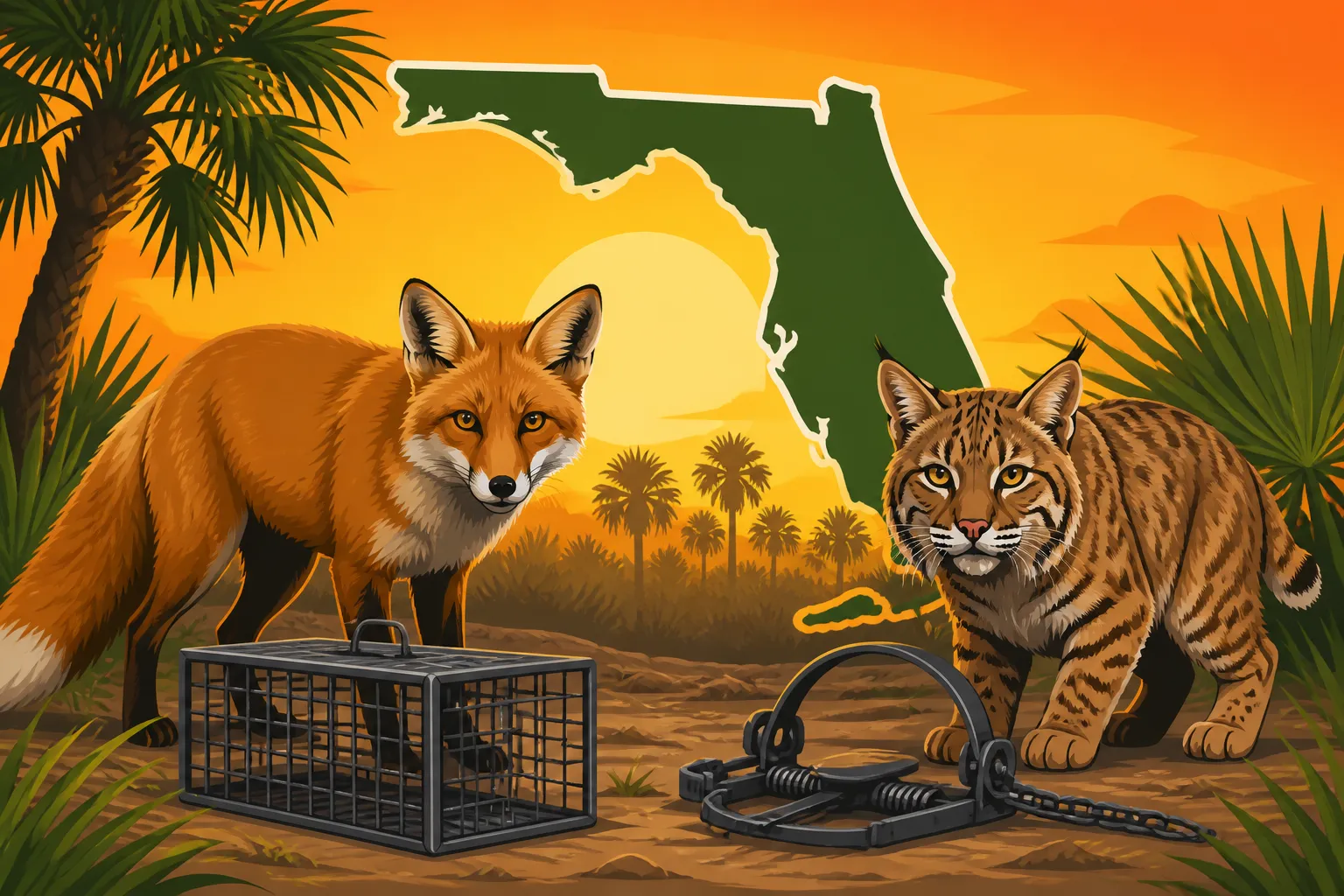
Florida's FWC clearly defines what types of traps are permissible for furbearers and where they can be set. Generally, live traps, foothold traps, and conibear-type traps are allowed, but with specific limitations designed to promote humane trapping and public safety. For example, conibear traps, which are designed for quick dispatch, often have size restrictions and may be prohibited in certain areas or from being set on land where they could pose a risk to domestic animals or people.
A non-negotiable requirement for all traps, regardless of type, is that they must be tagged with the trapper's FWC customer ID number or other identifying information. This ensures accountability and allows wildlife officers to identify the owner of any trap found in the field. Furthermore, Florida regulations often include "setback" rules, meaning traps cannot be placed within a certain distance of public roads, trails, residences, or public water bodies. This is crucial for both public safety and to prevent the accidental capture of pets or non-target wildlife.
Perhaps the most important ethical and legal requirement is the daily checking of traps. Every trap you set must be checked at least once every 24 hours. This minimizes the time an animal spends in a trap, reduces stress, and allows for prompt dispatch or release. Neglecting to check traps daily is a serious violation and entirely unethical. It's a commitment you make when you decide to run a trapline, and it's not one to take lightly. If you're looking for guidance on efficient trap line management, our guide on Running a Trapline in Rural Florida offers some valuable insights into strategies that can help you meet these daily checks, even across larger areas.
Target Species Specifics: Fox and Bobcat
Understanding the habits and characteristics of the animals you're targeting is fundamental to effective and ethical trapping.
- Foxes: In Florida, the most common species is the Gray Fox, a beautiful, adaptable canid found throughout the state. They prefer wooded areas, particularly dense forests and mixed woodlands, and are known for their ability to climb trees. Red Foxes, while present, are less common in most of Florida, primarily found in the northern parts of the state and often associated with more open agricultural land. When targeting foxes, understanding their travel corridors along field edges, dense cover, and natural pinch points is key. They are omnivores, so scent lures imitating small prey or fruit can be effective. While discussing different fox species, it's important to note that a completely different animal, the Florida fox squirrel, also exists, showcasing the diverse wildlife of the state. You can read more about them in Florida Fox Squirrel Color Variations.
- Bobcats: These elusive, medium-sized wild cats are widespread across Florida, from dense swamps to pine flatwoods and even suburban fringes. They are opportunistic predators, preying on rabbits, rodents, and birds. Bobcats are territorial and often follow consistent travel routes, making sign like tracks, scat, and scratch marks on logs important indicators of their presence. Their adaptability means they can be found in a variety of habitats, but they often utilize thick cover for denning and ambush hunting. As for their prevalence, the Florida Bobcat Range Expansion shows how successful these adaptable predators have been across the state.
Knowing these behaviors allows you to set traps strategically, increasing your success rate while minimizing the chance of catching non-target animals.
Responsible Harvest and Carcass Management
Once an animal is caught, responsible trappers understand the importance of quick, humane dispatch. This minimizes suffering and is a core tenet of ethical trapping. If you're not equipped or comfortable with humane dispatch, trapping may not be the right pursuit for you. Proper training and understanding of techniques are essential.
After harvest, proper carcass management is also critical. If you are keeping the pelt, skinning and preparing it quickly, especially in Florida's warmer climate, is important to preserve its quality. For the rest of the carcass, responsible disposal is necessary to prevent the spread of disease, deter scavengers from becoming nuisance animals, and maintain a clean environment. This usually means burying the carcass deeply or removing it to an appropriate disposal site. Never leave carcasses exposed where they can attract unwanted attention or become an eyesore. Many trappers utilizing GoHunt's mapping features can mark discreet disposal locations, helping them manage their line effectively and ethically.
Additional Considerations for Florida Trappers
Trapping in Florida, while rewarding, presents its own set of unique challenges and considerations beyond just season dates and licenses. Being prepared for these nuances will make your experience safer, more successful, and more enjoyable.
Scouting and Location Selection
You wouldn't go deer hunting without scouting, and trapping is no different. Pre-season scouting is absolutely paramount for success. You need to look for fresh tracks, scat, rub signs on trees, and den locations. Pay close attention to natural travel corridors—areas where animals are funneled by topography, water features, or dense vegetation. Think about pinch points between two palmetto heads, the edges of cypress swamps, or old logging roads that animals frequently use. These are prime locations for trap placement.
Reading the terrain, even Florida's relatively flat landscape, is crucial. Look for changes in elevation, even subtle ones, that might influence animal movement. Examine the undergrowth for signs of frequent travel. GoHunt offers incredibly detailed satellite imagery and property line layers that can assist significantly with this. You can identify potential pinch points, assess cover density, and even mark potential trap locations before you ever step foot on the ground. This kind of advanced planning, often utilizing Scouting Florida Public Land Before Season techniques, can drastically improve your chances of success and ensure your efforts are focused on high-probability areas.
Avoiding Non-Target Catches
One of the biggest concerns for ethical trappers is avoiding non-target catches, especially protected species or domestic animals. Florida is home to an incredible array of wildlife, including some highly protected species like the Florida Panther. Accidentally catching a protected animal can lead to severe legal consequences and is devastating for conservation efforts. Our guide on Florida Panther Range and Protection Status highlights the importance of understanding where these animals exist. It's also critical to understand Game You Cannot Hunt in Florida to ensure you're never inadvertently targeting something off-limits.
To minimize non-target catches:
- Use species-specific sets: Tailor your trap type, size, and bait/lure to the specific behaviors of fox and bobcat, making them less attractive to other animals.
- Proper placement: Avoid setting traps in areas with high human or pet activity. Observe setback regulations diligently.
- Snare limitations: Florida generally restricts or prohibits snares for furbearers due to their non-discriminatory nature.
- Daily checks: As mentioned, checking traps daily is your best defense against prolonged capture of non-target animals, allowing for their immediate and safe release if caught.
Vigilance and careful planning are your best tools in this regard.
Staying Informed About Regulations
Wildlife regulations are not static; they can and do change. The FWC regularly reviews and updates rules based on population dynamics, scientific research, and public input. What was legal last season might have subtle but significant changes this season. Relying on outdated information is a recipe for trouble.
It is your responsibility as a trapper to consult the most current FWC Furbearer and Trapping Regulations annually. These are typically available on the FWC website, often released well in advance of the season. You can also pick up printed copies at various license vendors. Staying informed helps you avoid potential Florida Wildlife Violation Penalties and ensures you're always operating within the bounds of the law. Subscribing to FWC newsletters or regularly checking their website is a good habit. Tools like GoHunt also make an effort to keep their regulatory information updated, providing another convenient way to access the latest rules and ensure you're compliant.
Disclaimer
The information provided in this guide is for general informational purposes only and does not constitute legal advice. While we strive to offer accurate and up-to-date content, hunting and trapping regulations in Florida are subject to change. It is the sole responsibility of the individual hunter or trapper to consult the most current Florida Fish and Wildlife Conservation Commission (FWC) regulations and local ordinances before engaging in any hunting or trapping activities. Always verify season dates, licensing requirements, and specific area rules directly with the FWC.