Florida Alligator Application Period Dates
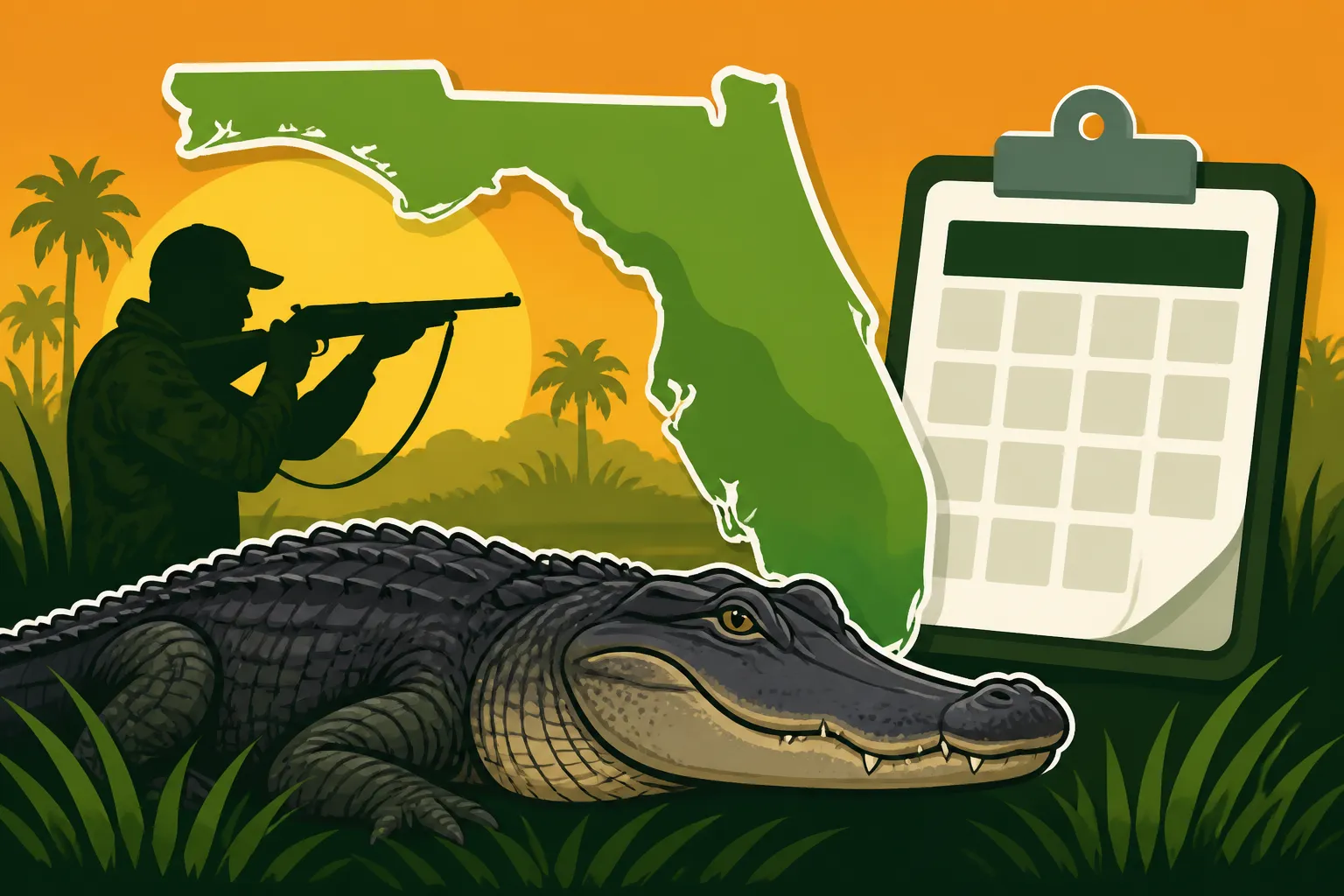
Trying to keep track of all the different hunting season dates in Florida can feel like a full-time job, especially when it comes to coveted opportunities like alligator permits. Missing an application window means waiting another year, and nobody wants that kind of frustration. This guide is here to untangle the complexities of the Florida alligator application period dates, making sure you're well-informed and ready to apply when the time comes, increasing your chances of landing one of those highly sought-after tags.
The Florida Alligator Statewide Harvest Program
Florida's alligator population is truly a conservation success story, having rebounded dramatically from near extinction decades ago. Today, the state manages a healthy and thriving alligator population, estimated to be around 1.3 million, through a carefully regulated harvest program. This program not only provides unique hunting opportunities for residents and non-residents alike but also serves as a crucial management tool to maintain ecological balance and mitigate human-alligator conflicts. Getting a permit is an exciting prospect, but it all starts with understanding the application process.
Understanding the Permit Lottery System
The demand for alligator permits far outweighs the supply, making the Florida alligator harvest a true lottery system. The Florida Fish and Wildlife Conservation Commission (FWC) manages the statewide alligator hunt through an online application and drawing process. Each year, thousands of eager hunters apply for a limited number of permits, each valid for a specific harvest unit (body of water) and harvest period. This system ensures that the harvest remains sustainable while offering fair opportunities to all applicants. It's not uncommon for hunters to apply for years before drawing their first tag, highlighting just how popular and competitive these hunts are. Knowing the details of the application is the first step toward success. If you're looking for more general information, our guide on the Florida Statewide Alligator Permit Lottery delves deeper into the overall system and its philosophy.
Why Florida's Alligator Population Requires Management
While it might seem counterintuitive to hunt a species that was once endangered, the robust recovery of the American alligator in Florida necessitates active management. Without it, overpopulation could lead to increased conflicts with humans, especially in rapidly developing areas. Alligators are apex predators, and a healthy population plays a vital role in Florida's wetland ecosystems. The controlled harvest helps maintain a balanced population structure, reduces nuisance gator encounters, and provides valuable data for wildlife biologists. The revenue generated from permit sales also goes back into conservation efforts, benefiting not just alligators but many other species across the state. It's a testament to effective wildlife management that hunters can participate in this unique experience while contributing to conservation. Our resource on How Many Alligators Live in Florida can give you a better idea of the species' incredible recovery.
Breaking Down the Application Timeline
The alligator application period isn't just one static date; it’s a phased approach designed to give applicants multiple chances to secure a permit. Missing any of these key windows can mean waiting until next year, so paying close attention to the calendar is paramount. The FWC generally releases the exact dates for each phase in late spring or early summer, and it’s always wise to double-check their official website for the most current information, as dates can shift slightly year to year. However, the structure of the application phases remains consistent.
Key Application Phases and Their Importance
The application process typically unfolds in several distinct phases, each offering different opportunities. The initial phase is usually the longest and is where most applications are submitted. This is also where you accrue preference points if you aren't drawn. Subsequent phases are often shorter and designed to fill remaining quotas, sometimes at a reduced fee for those permits that weren't selected in earlier rounds.
The application period for Florida's statewide alligator hunt generally opens in early to mid-May, with the first phase usually closing in early June. Subsequent phases then typically run through July and August, sometimes even into early September, especially for less popular units or periods.
Here's a generalized breakdown of how the application phases typically work, though remember to always confirm current year dates with FWC:
| Application Phase | General Dates | Description | Cost Implications |
|---|---|---|---|
| Phase 1 (Initial) | Mid-May to Early June | Primary application period. Applicants select up to 10 preferred hunt choices. Preference points are accrued if not drawn. | Full permit cost if drawn; application fee only if not drawn. |
| Phase 2 | Mid-June | Secondary random drawing for remaining permits. | Full permit cost if drawn. |
| Phase 3 | Late June to Early July | Tertiary random drawing for remaining permits. | Full permit cost if drawn. |
| Phase 4 (First-Come, First-Served) | Mid-July | Remaining permits available online until quota is met. | Full permit cost, immediate purchase. |
| Phase 5 (Additional First-Come, First-Served) | Late July to Early September | Final round for any leftover permits, often at a reduced price. | Reduced permit cost, immediate purchase. |
It's critical to note that the bulk of the permits are allocated in the first few phases. If you're serious about hunting, applying in Phase 1 is your best bet for a wider selection of units and dates. Resources like GoHunt can sometimes help you track draw odds and historical success, aiding your choices in these earlier phases. Knowing the Florida Alligator Season Opening Date and Florida Alligator Season Closing Date for your chosen period is also crucial for planning.
The Preference Point System
Florida utilizes a preference point system for its alligator harvest lottery, which is a big deal for those who apply year after year without getting drawn. Simply put, for every year you apply in Phase 1 and are not drawn for any of your choices, you earn one preference point. These points accumulate, and the more points you have, the better your chances are in subsequent years' Phase 1 drawings. It's essentially a loyalty program for persistent hunters.
For instance, if you apply for five years and don't get drawn, you'll have five preference points. When you apply in year six, those five points will give you a significantly better chance than someone applying for the first time. This system helps to eventually reward dedicated applicants, ensuring that those who put in their time will eventually get their shot. However, it's important to remember that applying in later phases (like the first-come, first-served rounds) does not earn you preference points. To build that equity, you must participate in the primary drawing. For a more detailed look at the financial side, check out information on the Florida Resident Alligator Permit Cost.
Checking Application Status and Results
Once you've submitted your application, the waiting game begins. The FWC makes it straightforward to check your application status and, eventually, your drawing results online. Typically, after each drawing phase closes, the FWC will process the applications and then post the results within a week or two. You'll usually receive an email notification when results are available, but it's always a good idea to periodically log into your FWC account to check directly.
If you're lucky enough to be drawn, congratulations! You'll then need to confirm your acceptance of the permit and pay the full permit fee by a specified deadline. Missing this deadline means forfeiting your permit, which is a heartbreaking mistake after working so hard to get drawn. If you weren't drawn in the initial phases, don't despair—keep an eye on the schedule for subsequent first-come, first-served opportunities, where you might still grab a leftover tag, especially if you're flexible with your hunt unit or dates.
Maximizing Your Chances and What to Do After Applying
Drawing an alligator permit can feel like winning the lottery, but there are definitely strategies you can employ to boost your odds, or at least make the most of your application. It's not just about submitting your name; it's about making informed choices. And once you do get that coveted tag, the real planning begins.
Strategies for Permit Selection
When you're filling out your application, you typically get to rank several hunt choices, often up to ten. This is where research truly pays off. Don't just pick the first few that sound good. Consider the following:
- Preference Points: If you have accumulated preference points, leverage them in Phase 1. This is your best chance at a prime unit or time slot.
- Unit Popularity: Some alligator management units are far more popular than others, often due to accessibility, historical success rates, or proximity to urban centers. If you're willing to hunt less popular or more remote units, your odds of drawing a permit might increase, especially if you have fewer preference points. Information on How Many Alligator Permits Florida Issues can sometimes hint at which units are heavily allocated.
- Hunt Period Flexibility: Similarly, some hunt periods are more sought after. The opening weeks of the season are often highly desired. If you can hunt later in the season, or during mid-week dates, you might find permits easier to come by.
- Super Hunt: The FWC also offers a "Super Hunt" where applicants can try for multiple alligator permits in different areas. While the odds are extremely low, it's an option for those looking to maximize their opportunities. Our article, What the Alligator Super Hunt Costs, offers deeper insights into this premium option.
- Utilize Data: Tools like GoHunt can offer insights into historical draw odds and harvest data for specific units. While not always directly applicable to Florida's unique alligator system, the principle of researching success rates and pressure can be invaluable for making strategic choices. Looking at FWC harvest reports can also guide your selections.
Being flexible with your choices and doing your homework before the application period closes can significantly improve your chances of getting a tag.
Preparing for Your Hunt Once Permitted
Congratulations, you drew a permit! The hard part of waiting is over, but the exciting work of planning your actual hunt now begins. Florida alligator hunting is a unique experience that requires specific gear, tactics, and safety considerations.
First, you'll need to secure all the necessary equipment. This typically includes a boat, harpoons, bang sticks, ropes, and appropriate lights if you plan to hunt at night. Safety should be your absolute top priority; alligators are powerful and dangerous animals. You'll want to ensure your boat is stable, your gear is in excellent working order, and everyone in your hunting party understands the game plan and safety protocols. Learning how to successfully target and Harvesting an Alligator With a Bang Stick is a critical skill, as is Judging a Legal-Size Florida Alligator.
Secondly, scouting your assigned hunt unit is crucial. Spend time on the water, observing alligator activity, identifying potential habitat, and understanding access points. Pay attention to water levels, vegetation, and any restrictions specific to your unit. Remember, many permits are issued for public waterways, and you'll often be sharing the area with other recreational users, so respectful conduct is paramount. Consider booking a guide if you're new to alligator hunting; they offer invaluable local knowledge and expertise, and our guide on Booking a Guided Florida Alligator Hunt can point you in the right direction.
Navigating Permits and Tags
Beyond just getting drawn for a permit, there are specific licensing and tagging requirements that all Florida alligator hunters must adhere to. Failure to comply can lead to hefty fines and loss of hunting privileges, so it's essential to understand these details completely.
Required Licenses and Fees
First and foremost, to participate in the statewide alligator harvest, you'll need a valid Florida hunting license. For residents, this typically means a base resident hunting license. Non-residents will need a non-resident hunting license. On top of the base hunting license, you'll need to purchase an alligator trapping license, which is separate from your permit. This additional license ensures that you are authorized to "trap" (which includes harvesting) alligators.
The costs for these licenses and the alligator permit itself can add up, so it's wise to budget accordingly. The FWC website provides a full breakdown of current license fees. Remember, the permit fee is only paid if you are successfully drawn in one of the lottery phases or purchase a permit in the first-come, first-served rounds. Don't forget that these costs are separate from any federal duck stamps or migratory bird certifications you might also need for other hunting pursuits.
Understanding CITES Tag Requirements
One of the most critical aspects of alligator hunting in Florida is the CITES tag. CITES stands for the Convention on International Trade in Endangered Species of Wild Fauna and Flora. While American alligators are no longer endangered, they are still listed under CITES Appendix II, which requires permits for international trade. Because alligator hides and meat can be traded internationally, every legally harvested alligator in Florida must have a CITES tag attached to it immediately upon harvest.
When you receive your alligator permit, you will also be issued the appropriate number of CITES tags (usually two, as most permits allow for two alligators). These tags are uniquely numbered and must be physically attached to the alligator's tail within 24 hours of harvest, or before it is moved from the point of harvest if that occurs sooner. These tags are non-transferable and vital for legal possession and transport of your harvested alligator. Losing a CITES tag is a serious issue, so guard them carefully. Our detailed article on Tagging an Alligator With a CITES Tag provides a step-by-step breakdown of this crucial requirement.
Disclaimer
The information provided in this guide is for general informational purposes only and is based on typical Florida Fish and Wildlife Conservation Commission (FWC) regulations and schedules. Hunting regulations, application periods, and fees are subject to change. Always consult the official FWC website or contact the FWC directly for the most current and accurate information before planning any hunting activities.