Running a Trapline in Rural Florida
Running a trapline in rural Florida presents a unique set of challenges and rewards, blending tradition with modern conservation. Many folks living in our beautiful, wild state find themselves dealing with nuisance wildlife or simply seeking to harvest furbearers responsibly. If you’ve ever wondered about the ins and outs of this age-old practice, from understanding regulations to setting your first trap, this guide is designed to walk you through everything you need to know to establish and maintain an ethical and effective trapline in the Sunshine State.
Navigating Florida's Trapping Regulations and Permits
Before you even think about buying your first trap, understanding the legal landscape for trapping in Florida is absolutely paramount. It's not like the Wild West; there are strict rules in place to protect wildlife, ensure public safety, and maintain ethical practices. Ignoring these regulations can lead to serious fines, loss of privileges, and even criminal charges, which is a headache no one wants to deal with.
Essential Licenses and Permits
First and foremost, you're going to need a license. It’s not just for hunting and fishing; trapping also requires specific permitting. The Florida Fish and Wildlife Conservation Commission (FWC) oversees all wildlife activities, including the taking of furbearers. A general Florida Trapping License Requirements is your entry ticket. This isn't just a formality; it demonstrates that you acknowledge and agree to abide by the state's conservation laws. You can usually purchase these licenses directly through the FWC website, at a tax collector's office, or authorized license agents. It's a straightforward process, but make sure you apply for the correct type of license for trapping. Don't assume your general hunting license covers it, because it often doesn't.
Beyond the basic trapping license, depending on what you're targeting or where you're trapping, you might need additional permits. For instance, if you're dealing with specific nuisance wildlife on your property outside of regular seasons, there might be different rules or specialized permits required. Always consult the most current FWC regulations booklet or their website before setting anything. This due diligence is the backbone of responsible trapping.
Legal Trapping Methods and Restrictions
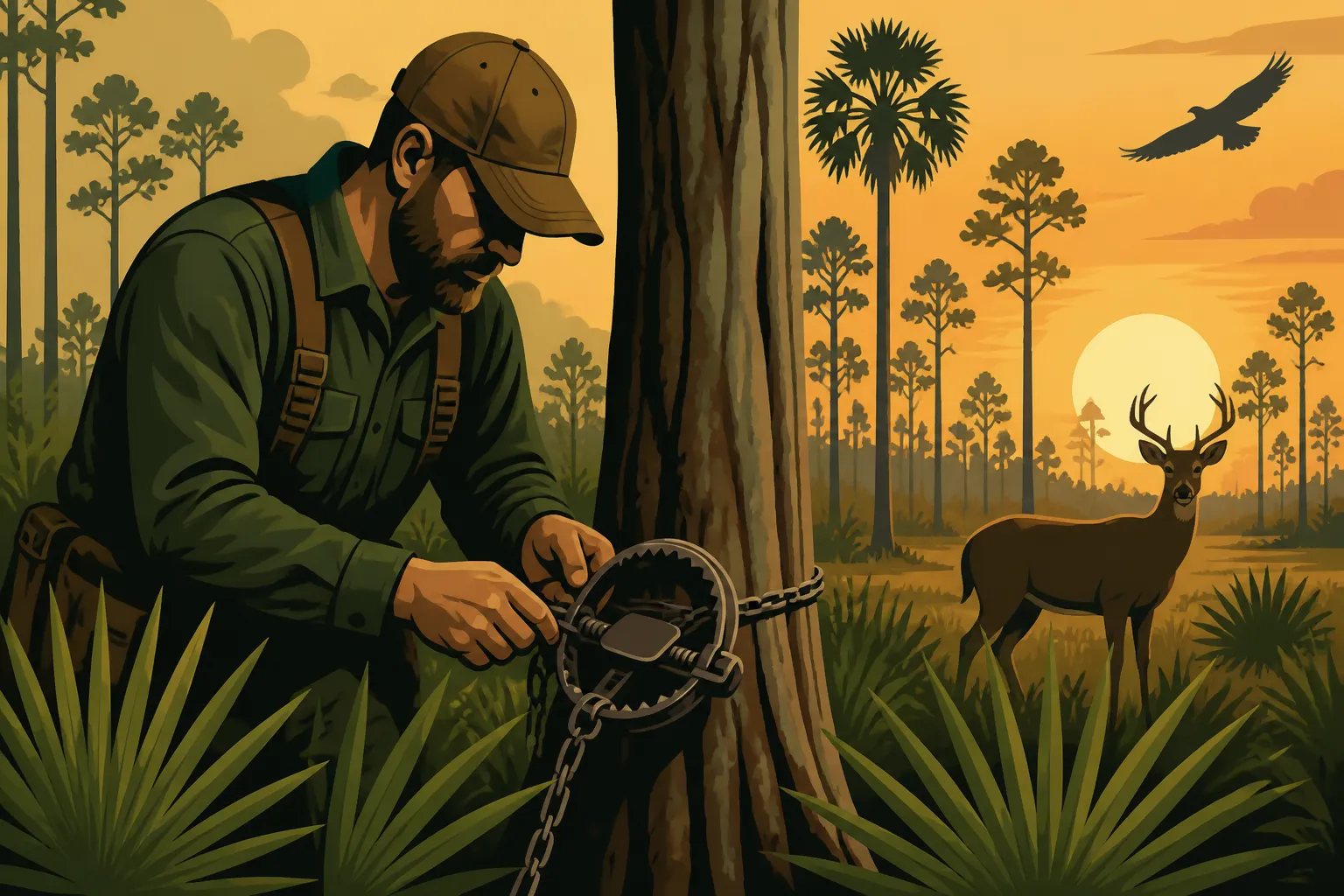
Florida has clear guidelines on what types of traps are permissible and where they can be used. Generally, you'll be looking at live traps, foot-hold traps (often called "leghold" traps, though "foot-hold" is the more accurate and humane term for modern designs), and conibear-type traps (body-gripping traps). However, each type has its own set of rules regarding size, placement, and whether it can be set on land or in water. For instance, conibear traps often have size restrictions and may be limited to water sets in certain areas to prevent accidental capture of non-target species like deer or domestic animals.
You cannot, under any circumstances, use traps that are designed to maim or cause undue suffering. This means things like snare traps, unless specifically approved for certain nuisance control situations, are generally a no-go for furbearer trapping. Additionally, there are often setbacks from public roads, homes, and public access points that must be adhered to. This is where a good mapping tool, like the features found on GoHunt, can be incredibly helpful for confirming your trap placement adheres to legal distances from property lines or public areas. Knowing these specific rules isn't just about legality; it's about being a humane and ethical trapper.
Understanding Season Dates and Species
Unlike the year-round free-for-all some might imagine, trapping seasons for furbearers are strictly defined in Florida. These seasons are designed to coincide with periods when the animals' pelts are prime (most valuable) and to avoid disrupting breeding cycles or juvenile rearing. For example, the Florida Fox and Bobcat Trapping Season typically runs through the cooler months, ensuring good pelt quality. Always check the current FWC Furbearer Regulations for the precise dates, as they can change annually.
It's also crucial to know which species you can legally trap. Common furbearers include raccoons, opossums, bobcats, otters, and various fox species. However, species like Florida panthers are strictly protected and cannot be trapped. Understanding the difference between a grey fox and a protected bobcat kit is vital, making species identification a critical skill for any trapper. The reference post about Florida Raccoon and Opossum Trapping is a great resource to dive deeper into these specific species, as they are often the most common targets for new trappers due to their widespread presence and consistent populations.
| Species | Primary Legal Trap Types | General Season (Check FWC for specifics) | Notes |
|---|---|---|---|
| Raccoon | Foot-hold, Box (Live), Cage | December – March | Highly adaptable, often found near water and human habitation. |
| Opossum | Foot-hold, Box (Live), Cage | December – March | Opportunistic omnivores, common across the state. |
| Bobcat | Foot-hold, Conibear (water/snare) | December – March | Solitary predators, require more skill to target. |
| Gray Fox | Foot-hold, Cage | December – March | More common in woodlands than red foxes. |
| Otter | Conibear (water sets), Foot-hold | December – March | Aquatic, found along rivers, creeks, and swamps. |
| Skunk | Box (Live), Cage | December – March | Nuisance animal, scent is a major consideration. |
Disclaimer: This table provides general guidance. Always refer to the most current Florida FWC Furbearer Regulations for precise, up-to-date information on season dates, specific trap restrictions, and legal methods.
Essential Gear and Setting Up Your Florida Trapline
Once you've got the legalities sorted, it's time to think about the practical side of running a trapline. Trapping is a gear-intensive endeavor, but don't let that overwhelm you. It's about having the right tools for the job and knowing how to use them effectively, especially when dealing with Florida's unique environment.
Types of Traps and When to Use Them
Selecting the right traps is crucial for success and ethical practice. For most Florida furbearers, you'll commonly encounter a few primary types. Foot-hold traps are popular for raccoons, opossums, and foxes. Modern foot-holds are designed to hold an animal without causing significant injury, often featuring padded jaws or offset designs. They come in various sizes (e.g., #1.5, #2, #3), and choosing the correct size for your target animal is important to ensure a humane catch and prevent escapes. Larger traps are generally reserved for larger animals like bobcats or coyotes.
Body-gripping traps, like Conibears, are extremely effective for quick, humane dispatch, particularly for semi-aquatic animals like otters or for land sets where regulations allow (often limited to water sets or specific placements). They come in sizes like 110, 220, and 330. A 220 is a good general-purpose size for raccoons and bobcats in water sets. Live traps, often called cage traps, are excellent for nuisance wildlife removal when relocation is an option, or for situations where you absolutely want to avoid dispatching an animal on site. They are bulkier but allow for examination and release of non-target species. Consider the Florida Muskrat and Otter Trapping Trends to see which trap types are most effective for those aquatic species.
Tools for Setup and Maintenance
Beyond the traps themselves, you’ll need an array of tools to efficiently set, check, and maintain your trapline. A good trowel or digging tool is essential for bedding foot-hold traps, ensuring they are stable and hidden. Gloves are a must, not just for hygiene but also to minimize human scent on your traps. Scent elimination is a big deal in trapping; animals have incredibly sensitive noses. Wire cutters and pliers are invaluable for making adjustments, repairing traps, or attaching snares if they are legally used for specific purposes (like Trapping Feral Hogs on Florida Private Land, though this often involves larger cage traps).
You'll also want a sturdy pack to carry your gear, bait, and lures. A dedicated trap bag or bucket can keep everything organized. Don't forget a first-aid kit, a headlamp for early morning or late evening checks, and a durable knife. Given Florida's climate, mosquito repellent is practically a mandatory piece of equipment! For navigating dense palmetto or cypress swamps, reliable footwear and snake boots are non-negotiable.
Baits, Lures, and Scents
Attracting furbearers to your trap relies heavily on effective use of bait, lures, and scents. Bait is typically a food source – think fish scraps, commercial trapping baits, or even sweet treats for raccoons. Lures are more concentrated scents designed to stimulate curiosity or territorial responses, often based on glands or musks of target species. Scents can mask human odor or guide an animal to the trap. For instance, an anise-based lure might attract curious raccoons, while a strong bobcat urine lure could entice a territorial tomcat.
It's important to understand the diet and behaviors of your target species. Raccoons are omnivores and will respond to a wide variety of food baits. Foxes and bobcats are predators, so meat-based baits or curiosity lures work well. When setting up your traps, consider the wind direction to carry your chosen scent downwind, maximizing its reach. Researching the habits of specific furbearers, perhaps through resources like Florida's Recovering Bobcat Population or looking into coyote diets in ranch country, can give you insights into the most effective attractants for your area. The more natural you can make your set appear and smell, the better your chances of success.
Strategic Trapline Management and Ethical Considerations
Running a trapline isn't just about setting traps; it's a continuous, dynamic process that requires strategy, diligence, and a strong ethical compass. Being a responsible trapper means more than just following the law; it means prioritizing animal welfare and making smart decisions in the field.
Planning Your Trapline Route
Effective trapline management begins long before the season opens. Scouting is absolutely critical, especially on public lands. You need to identify prime furbearer habitat: creek bottoms, old logging roads, dense brush lines, agricultural field edges, and areas with visible tracks or droppings. Look for natural pinch points where animals are funneled, or crossings where they are likely to travel. Think about areas where different habitat types meet, such as a pine flatwood transitioning into a cypress swamp. Using tools like GoHunt can be invaluable for this, allowing you to mark potential trap locations, scout satellite imagery for travel corridors, and understand land ownership boundaries.
When planning your route, consider accessibility. How will you get to your traps quickly and discreetly? Florida's terrain can be challenging, from swampy lowlands to thick palmetto scrub. Planning for efficient access, whether by foot, ATV (where allowed), or even small boat, will save you time and energy during your daily checks. A well-planned route maximizes your coverage while minimizing travel time, allowing you to check all your traps within the legally mandated timeframe. Don't forget to check out articles like Scouting Florida Public Land Before Season to get even more tips on pre-season reconnaissance.
Daily Checks and Animal Handling
Florida law mandates that traps must be checked at least once every 24 hours. This isn't just a rule; it's an ethical imperative. Trapped animals can quickly become stressed, injured, or vulnerable to predators if left unattended for too long. A daily check ensures you can quickly and humanely deal with any animals captured, release non-target species unharmed, and re-bait or reset your traps. This means committing to being out there every single day, regardless of weather.
When you approach a set, do so cautiously and quietly. You want to assess the situation before the animal becomes overly agitated. If you've caught a target animal, the goal is a quick and humane dispatch. This requires skill, preparation, and the right tools, typically a .22 caliber firearm or a swift blow to the head with a blunt object. For non-target animals, release must be done carefully to prevent injury to both the animal and yourself. A catch pole can be an invaluable tool for safely handling and releasing. Always remember that the welfare of the animal in your trap is your direct responsibility.
Practicing Ethical Trapping
Ethical trapping extends beyond legal requirements. It encompasses a deep respect for wildlife, a commitment to humane practices, and a dedication to responsible land stewardship. This means minimizing non-target catches through careful trap selection and placement. For example, setting smaller traps for raccoons often means you're less likely to catch a large bobcat. It also means using proper trap maintenance to ensure your traps are functioning correctly and aren't causing undue suffering.
Furthermore, ethical trappers understand the role trapping plays in wildlife management. Whether it's controlling nuisance species that impact agriculture or public safety, or managing furbearer populations for sustainable harvest, trapping is a tool. Being transparent about your activities, educating others about responsible trapping, and always striving to improve your skills and knowledge are hallmarks of an ethical trapper. It's about being a conservationist first and a trapper second, ensuring the health of Florida's diverse ecosystems for generations to come.
Targeting Specific Florida Furbearers
Florida's varied habitats support a range of furbearer species, each with its own habits and preferences. Understanding these nuances can significantly increase your success rate and help you target specific animals more effectively.
Raccoons and Opossums
These two species are often the entry point for new trappers in Florida due to their abundance and relatively predictable behavior. Raccoons are highly curious and opportunistic, often found near water sources like creeks, ponds, and even residential areas. They are known for their "bandit" masks and dexterity. Opossums, North America's only marsupial, are also ubiquitous, preferring forested areas but readily adapting to urban environments. Both are primarily nocturnal.
For raccoons, many trappers use dog-proof (DP) traps, which are a specialized type of foot-hold trap designed to be extremely selective, only allowing a raccoon's paw to reach the trigger mechanism. They are excellent for land sets, especially near den trees or along water edges. Cage traps are also highly effective for raccoons and opossums, particularly in areas where you need to avoid catching other wildlife or domestic pets. Baiting with sweet items like marshmallows, commercial lures, or even fishy cat food works wonders. When you’re Hunting Hogs on WMA Land in the Off-Season, you might incidentally come across excellent trapline locations for these common furbearers as well.
Foxes and Bobcats
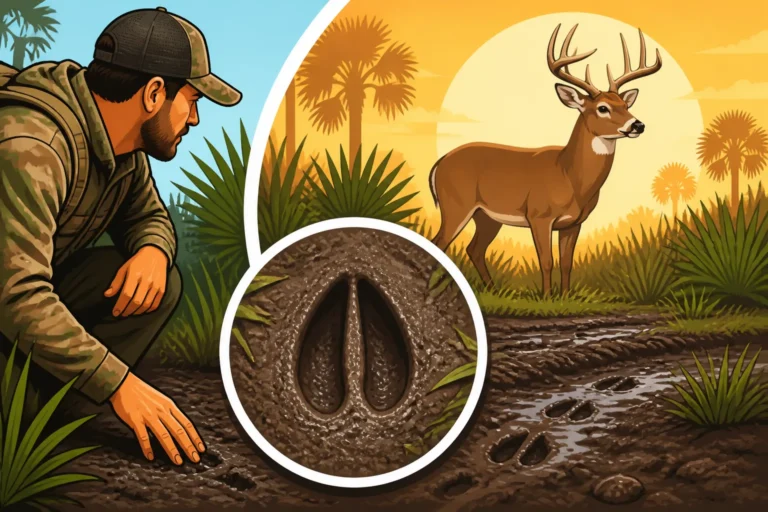
Targeting foxes (primarily gray foxes in Florida) and bobcats requires a bit more finesse and understanding of predator behavior. Gray foxes prefer wooded areas, often denser cover than the open country sometimes favored by red foxes (which are less common in Florida). Bobcats are elusive and territorial, favoring thick cover in pine forests, palmetto scrub, and swamp edges. They are true carnivores, and their keen senses make them challenging but rewarding targets.
For foxes, a well-placed foot-hold trap, often blended into a "dirt hole set" (mimicking a caching site), is very effective. Lures mimicking fox glands or urine, coupled with a small piece of meat bait, can draw them in. For bobcats, larger foot-hold traps or carefully placed body-gripping traps (where legal and appropriate) are used. Bobcats respond well to visual attractants like feathers or flagging, combined with a strong curiosity lure or bobcat urine. Look for sign like scat, tracks, and travel routes, often along game trails or old logging roads. Remember to ensure that any trapping efforts are conducted within the legally defined Florida Fox and Bobcat Trapping Season to ensure compliance.
Otters and Beavers
Florida's abundant waterways mean that semi-aquatic furbearers like otters and beavers are also present and can be targeted by trappers. Otters are highly active, playful, and opportunistic predators found along virtually any permanent water body, from rivers to ponds. Beavers are ecosystem engineers, known for their dam-building and tree-felling activities, which can sometimes cause significant damage to property or timber.
Body-gripping traps like Conibears, set in the water or at critical pinch points along waterways (e.g., culverts, narrow channels, slide areas), are generally the most effective and humane for otters and beavers. For otters, trappers often look for slides along riverbanks or points where they repeatedly enter and exit the water. Beavers are typically targeted at their dam structures, lodge entrances, or active travel channels. Lure with beaver castor for beaver, or fish oils for otter. Given the nature of their habitat, trapping these species often involves wading or using a small boat. Knowing the Florida Beaver Population and Damage statistics can help you understand the impact these animals have and why their management is sometimes necessary.
Disclaimer
The information provided in this guide is for general informational and educational purposes only. Trapping regulations in Florida are complex and subject to change by the Florida Fish and Wildlife Conservation Commission (FWC). It is the individual trapper's responsibility to consult the most current FWC Furbearer Regulations, local ordinances, and landowner permissions before engaging in any trapping activities. Failure to do so can result in significant penalties. Always prioritize humane practices, animal welfare, and safety.