Hot-Weather Sitting Strategy in Florida
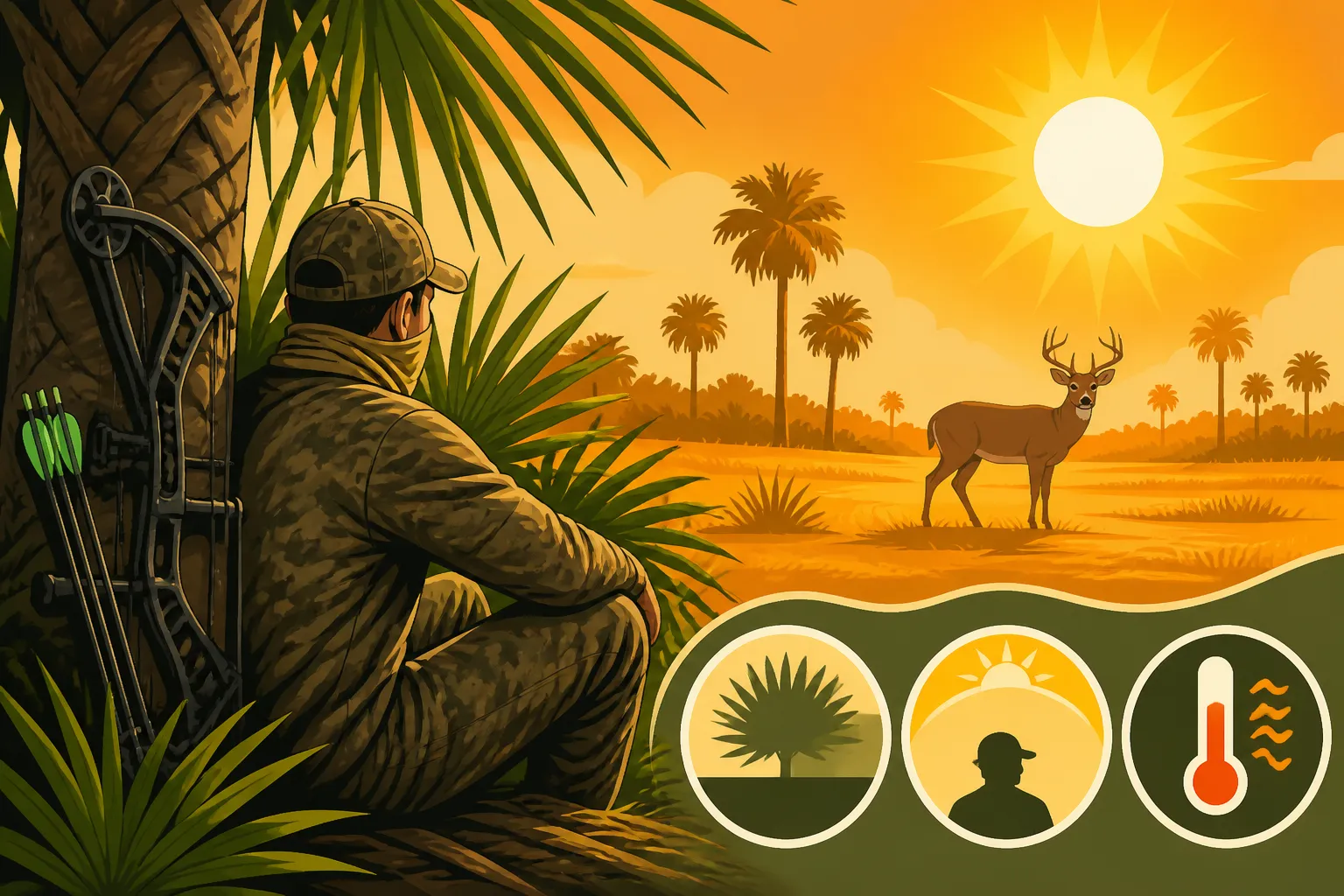
Hunting in Florida often means battling intense heat and humidity, which can be brutal on a hunter and can make game utterly elusive during daylight hours. Trying to sit still and patient in a stand when the air feels like soup and mosquitos are on the attack is a real challenge, and it often leads to uncomfortable, unproductive hunts. This guide is all about giving you solid, proven strategies to not just endure but actually succeed when you're deer hunting in Florida's sweltering conditions, helping you adapt your sitting strategy to the unique demands of our warm climate.
Understanding Florida's Unique Heat Challenges
Florida's climate is, to put it mildly, different. While the rest of the country might be pulling out their heavy wools and insulated boots, we're still sweating through our lightest gear, even well into what other states call "fall." This isn't just a matter of personal comfort; it profoundly impacts how and when our game animals move, making traditional cold-weather hunting tactics largely ineffective.
The Reality of Florida's Climate
Picture this: It's October, and you're set up for deer season. In many places, this means crisp mornings, maybe even a touch of frost. Here in Florida, especially in the central and southern zones, you're likely waking up to 75-degree humidity before the sun even thinks about showing its face. By midday, it's often pushing 90 degrees with humidity so thick you can practically chew it. This isn't a fluke; it's the norm for much of our hunting season. Even up in the Panhandle, while it eventually cools down, those early season archery and muzzleloader hunts are still often a sweat-fest. This relentless warmth dictates everything, from the types of bugs you encounter to the behavior of the deer you're after. It's why just surviving the elements becomes as critical as your shot placement.
Our subtropical environment also means we rarely get those long, cold fronts that invigorate deer in northern states. Instead, we deal with daily afternoon thunderstorms that bring temporary relief but often leave the air even heavier. Planning your hunt around these weather patterns, or at least understanding their effects, is crucial. If you're not prepared for the heat, you'll find yourself prematurely leaving your stand, missing out on potential opportunities, or worse, risking heat exhaustion.
Impact on Deer and Other Game Behavior
Just like us, Florida deer aren't big fans of baking in the midday sun. Their activity patterns shift dramatically to cope with the heat. Instead of browsing lazily through open fields in the afternoon, they're typically bedded down in the densest, shadiest cover they can find, often near water sources. This means your prime hunting times shrink to the first hour or two of daylight and the last hour before dark. Trying to push into deep cover during the middle of the day is often an exercise in futility, spooking deer that are simply trying to stay cool.
Beyond timing, the heat influences where deer travel. They'll prioritize routes that offer shade, access to water, and sometimes, even a slight breeze. Think about how you feel on a hot day – you seek shade, you drink water, you avoid strenuous activity. Deer are no different. They'll avoid wide-open areas during peak sun hours and stick to trails through thick woods, along cypress edges, or near cool, damp sloughs. Understanding these patterns is key to choosing a successful hot-weather stand location. When Scouting Florida Public Land Before Season, pay close attention to where deer sign bottlenecks in these cooler microclimates.
Strategic Location Choices for Hot Weather
When the mercury climbs, your stand location isn't just about pinch points or funnels anymore; it's about finding the coolest, most comfortable spots that game animals will naturally gravitate to. This means thinking like a deer and seeking out areas that offer relief from the relentless Florida sun.
Focusing on Water Sources and Shady Cover
In Florida's heat, water isn't just a convenience for deer; it's a necessity. Deer, hogs, and other game need to drink regularly, and they also use water and associated damp areas to cool down. Setting up near a dependable water source – be it a swamp, a slough, a creek, or even a small pond – can be incredibly effective. Animals will often stage in thick cover nearby before heading to the water, or move along trails that parallel these features. The cooler, moister air around water also creates a more appealing environment for them.
Beyond direct water access, focus intently on dense, shady cover. This means hunting the deep woods, the edges of cypress swamps, or areas with thick palmetto and oak hammocks. These spots offer respite from the sun's direct rays and generally hold cooler, more stable temperatures. Think about a big, old live oak with a sprawling canopy – that shade is a sanctuary on a hot afternoon. When you're trying to figure out Where Florida Bucks Bed in Thick Palmetto, remember they're looking for maximum shade and minimal disturbance. A good strategy is to find trails leading into or out of these bedding areas, setting up on the fringe to intercept animals moving during low-light hours.
Identifying Thermal Hubs and Breeze Corridors
Even in Florida's flat terrain, subtle changes in elevation and vegetation can create "thermal hubs" – pockets of cooler air, often found in low-lying areas or depressions, that accumulate after sunset and hold longer into the morning. These spots might not be obvious on a topo map but can be identified by slightly denser, lusher vegetation or even by feeling the temperature difference as you scout. Deer will use these slight temperature shifts to their advantage. Similarly, any open areas, even small ones like food plot edges or powerline cuts, can generate a slight breeze that deer will walk into to help cool themselves.
Consider how Wind and Thermals in Flat Florida Terrain interact with these features. Even a gentle 3-5 mph breeze can make a world of difference. Your stand should be positioned to take advantage of these subtle air movements, placing you downwind or crosswind of where you expect deer to approach from or bed. Sometimes, just positioning yourself on the edge of a slight rise where a breeze is consistent can give you an advantage. This kind of detailed scouting, which mapping platforms like GoHunt can greatly assist with, allows you to pinpoint these microclimates and predict deer movement patterns more accurately during scorching conditions.
| Location Type | Pros (Hot Weather) | Cons (Hot Weather) | Ideal Time to Hunt |
|---|---|---|---|
| Near Water Source | Critical for game hydration; cooler ambient air. | High mosquito/insect activity; limited visibility. | Early Morning, Late Evening |
| Dense Shady Hammock | Excellent cover from sun; cooler bedding. | Very thick, can limit shooting lanes; high humidity. | Mid-morning, Mid-afternoon |
| Cypress Swamp Edge | Cool, moist air; natural travel corridors. | Boggy, difficult access; biting insects; potential for deeper water. | First Light, Last Light |
| Open Ridge/Knoll (with breeze) | Offers potential for a cooling breeze; good visibility. | Exposed to direct sun; less cover for deer movement. | Early Morning (if breezy) |
| Thick Palmetto Head | Excellent bedding cover; deep shade. | Extremely dense, very short shooting lanes; deer often bed very tight. | Approaching midday from edges |
Gear and Personal Preparation for Comfort and Success
Hunting in Florida's heat is as much about surviving the elements comfortably as it is about hunting smart. The right gear and meticulous personal preparation can transform a miserable sit into a productive one, allowing you to stay on stand longer and remain alert.
Lightweight and Breathable Apparel
Forget the heavy camo you might wear up north; it's a death trap in Florida. Your clothing needs to be as lightweight and breathable as possible, designed to wick moisture away from your body. Modern synthetic blends or light cottons in loose-fitting designs are your best friends. Companies like KUIU, Sitka, and even basic athletic wear brands offer excellent options. Look for shirts with vents, pants that allow for air circulation, and a wide-brimmed hat to keep the sun off your face and neck. Think layers, even if it's just a light base layer and a slightly heavier outer layer for when the sun goes down, because even a 10-degree drop can feel significant.
Don't forget about your footwear. Waterproof boots are often necessary when Hunting Florida Cypress Swamp Edges or navigating damp terrain, but ensure they are breathable or consider lightweight, quick-drying trail shoes for drier areas. Ventilated gloves and a lightweight neck gaiter can also help protect from sun and insects without adding oppressive heat. The goal is to maximize air flow and minimize trapped moisture, which not only keeps you cooler but also helps with odor control.
Hydration and Heat Management
This cannot be stressed enough: staying hydrated is paramount. You will sweat, a lot, even just sitting still. Carry more water than you think you'll need. A hydration pack is usually the most convenient way to carry 2-3 liters of water. Electrolyte packets are also a lifesaver, helping to replenish what you lose through sweat and prevent cramping or fatigue. Start hydrating well before your hunt, not just when you get to the stand.
Beyond water, consider other heat management tools. A small, battery-operated fan can make a huge difference inside a ground blind, creating a subtle breeze that disperses some of your body heat and helps keep insects at bay. Cooling towels, soaked in water and draped around your neck, offer temporary relief. Portable misters can also be effective. And remember to bring bug repellent – the less you swat and fidget, the more patient you can be. If you're going to be in a ground blind, ensure it's well-ventilated or consider setting up a pop-up blind in a shadier spot. When Using a Ground Blind on Florida Public Land, ensure it's positioned to catch any available breeze and not become a heat trap.
Scent Control in High Humidity
Hot weather and high humidity are a hunter's worst nightmare for scent control. Sweat amplifies human odor, and humid air holds and transmits scent far more effectively than dry air. A rigorous scent control regimen is essential. Shower with scent-free soap, use scent-free deodorant, and wash your hunting clothes in scent-free detergent. Store your hunting clothes in airtight bags or containers with activated carbon until you reach your hunting area.
On stand, an ozone generator, like those from Ozonics, can be beneficial, though their effectiveness is often debated and dependent on consistent air movement. A simpler, often more reliable strategy is to maximize natural scent-eliminating factors. Always play the wind, even if it's just a barely perceptible air current. Consider carrying a small spray bottle of scent eliminator to mist yourself periodically. Pay extra attention to your hands and face, as these areas often generate a lot of scent through contact and respiration. Brands like ScentLok and Dead Down Wind offer products designed to combat odor in these challenging conditions. Even with the best products, understanding Wind and Thermals in Flat Florida Terrain and setting up accordingly is your primary defense against a deer's keen nose.
Adjusting Your Hunting Times and Duration
Florida's hot weather demands a flexible and strategic approach to when and how long you sit. The typical all-day sit of colder climates is often not just impractical but counterproductive here.
Capitalizing on Early Morning and Late Evening Windows
The golden rule for hot-weather hunting in Florida is to focus your efforts intensely on the low-light hours. This means being in your stand before first light, ideally by at least 45 minutes to an hour, giving the woods time to settle after your approach. Deer are most active right at dawn and the first couple of hours afterward, taking advantage of the coolest part of the day before the sun really starts to beat down. They'll move from their feeding areas to their thick, shady bedding areas during this window.
Similarly, the last two to three hours before dark are critical. As the sun dips and temperatures begin to fall, deer will emerge from their beds to feed and move toward water. This is often the most productive time to encounter a buck, especially if you're positioned correctly between a bedding area and a preferred food source. For species like deer, Late-Season Food Sources for Florida Whitetails will still be visited during these cooler parts of the day. During the mid-day, when the sun is high and oppressive, you're usually better off retreating to a comfortable, air-conditioned spot to recharge rather than baking in a stand. This conserves your energy, helps manage your scent, and prevents you from disturbing deer in their daytime sanctuary.
Knowing When to Call It Quits
Patience is a virtue in hunting, but stubbornness in the Florida heat can be dangerous. It's crucial to recognize when conditions are simply too hot for any reasonable expectation of deer movement, or, more importantly, when you yourself are becoming overheated or dehydrated. If you're starting to feel dizzy, nauseous, or experiencing muscle cramps, it's time to get out of the woods. No deer is worth risking your health. Having a solid exit plan that minimizes disturbance is as important as your entry plan.
On some truly stifling days, the best strategy might be a very short morning hunt, followed by a long break, and then a very concentrated hunt for the last hour and a half of daylight. This allows you to stay fresh and focused during the prime activity windows. Utilize tools like the GoHunt app to track current weather conditions, including heat index and humidity, which can help you make informed decisions about your sit duration. Remember, Florida deer hunting, especially for those pursuing a buck in a zone like Florida Zone A Archery Opening Day, is a marathon, not a sprint. Conserving your energy and staying smart about the conditions will pay off more than simply enduring unnecessary discomfort.
Disclaimer
Hunting involves inherent risks, including but not limited to those related to wildlife encounters, use of firearms, and environmental conditions. Always prioritize safety, follow all local and state regulations, and ensure you have proper training and licensing. The information provided in this guide is for informational purposes only and should not replace professional advice or personal judgment.