Hunting Pressure on Florida Public Land
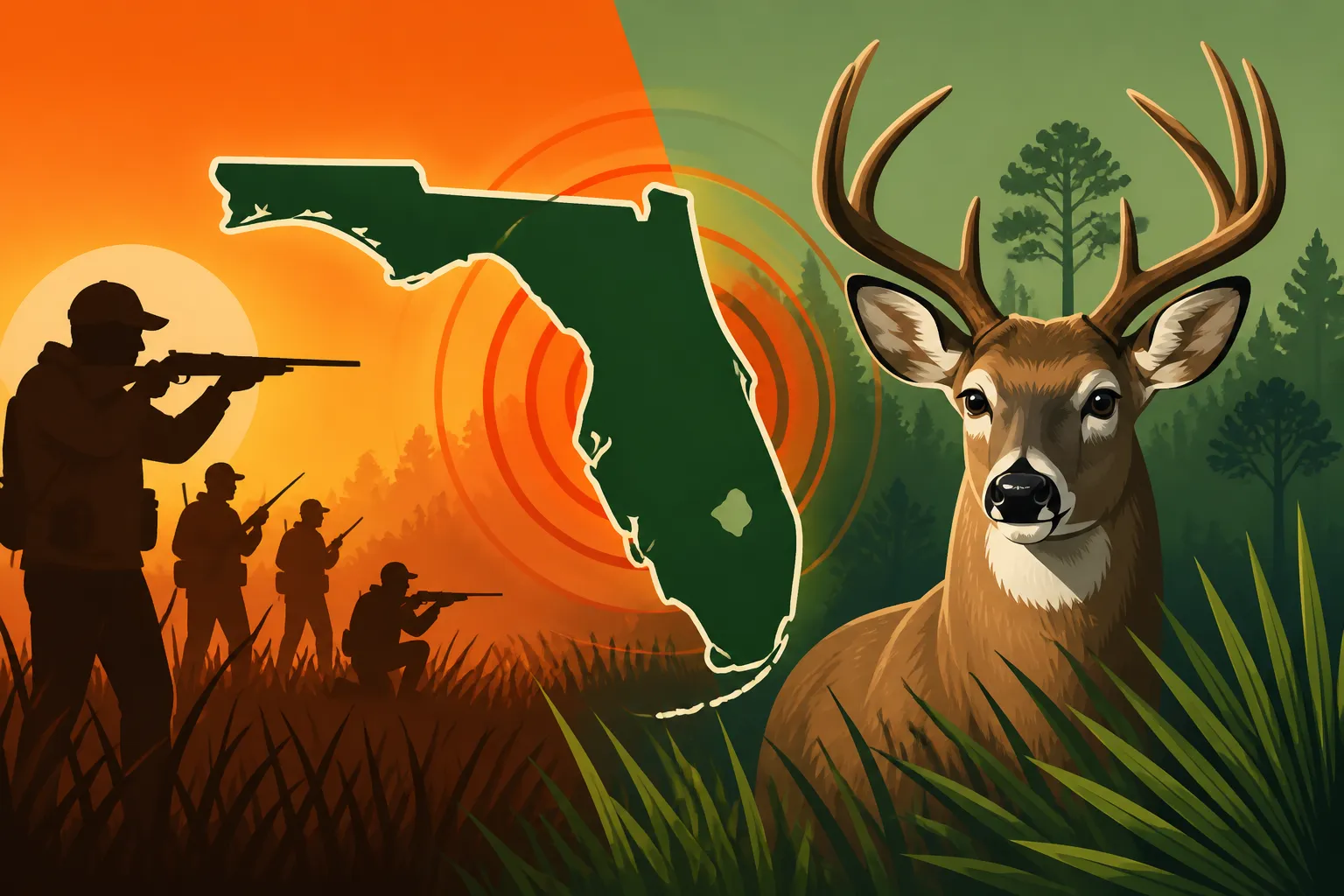
Finding peace and quiet, let alone a mature whitetail or a gobbling tom, can feel like a pipe dream on Florida's public lands, especially during peak season. It’s a common frustration when you spend hours scouting, only to arrive opening morning and find every prime spot already occupied. This guide is dedicated to helping you understand, anticipate, and even circumvent the hunting pressure so you can still find success and solitude in Florida’'s beautiful wild spaces.
Understanding the Landscape of Public Land Pressure in Florida
Florida offers millions of acres of public hunting land, from expansive national forests to numerous Wildlife Management Areas (WMAs). While this sounds like a hunter's paradise, the reality is that much of this land, especially easily accessible areas or those with known game concentrations, experiences significant hunting pressure. It’s not just about the number of hunters; it’s about where and when they concentrate.
The Impact of Easy Access Points
Let's face it, most hunters, myself included, will often gravitate towards convenience. This means access roads, parking areas, and main trails on public land see the brunt of the pressure. Imagine rolling up to a WMA gate an hour before first light, only to find a line of trucks already backed up. It’s a disheartening sight that immediately tells you the prime spots near the road will be hammered. Deer and other game quickly learn to avoid these high-traffic corridors, moving deeper into cover or becoming almost entirely nocturnal. If you're consistently hunting within a quarter-mile of a main road, you're likely hunting deer that are constantly on edge, making them incredibly difficult to pattern and approach. This isn't just about deer either; turkeys, hogs, and even small game adjust their behavior dramatically when human presence is constant.
Seasonal Peaks and Quota Hunts
Florida's diverse hunting seasons and species mean that pressure ebbs and flows throughout the year. The opening days of archery, gun, and especially youth hunts on WMAs can feel like a public park on a holiday weekend. Deer season openers, particularly in zones like Zone C early archery, often see an explosion of hunters. Beyond general gun seasons, Florida also implements a quota hunt system for many WMAs, especially for popular species like deer and turkey. While quotas are designed to manage hunter numbers and spread pressure, applying for a Florida WMA Quota Permit Application Process can be competitive, and even successful applicants might find that the "limited entry" areas still feel crowded. Understanding these seasonal peaks and the specific regulations for each WMA is crucial. Some areas might have less pressure during the week compared to weekends, or during less popular seasons like late-season muzzleloader hunts, offering a window of opportunity for those willing to brave cooler weather or specialized equipment.
Strategies for Navigating High-Pressure Zones
Even with heavy pressure, success on public land isn't impossible. It simply requires a more strategic, often more physically demanding, approach. You need to think differently than the average hunter and be willing to put in the extra effort.
Going Deeper Than the Crowds
The easiest way to escape pressure is to go where others aren't willing to go. This often means walking further, much further, than most hunters. While many will stop at the first promising sign, or a quarter-mile in, true sanctuary spots often lie a mile or two (or more) from any vehicular access. This is where fitness and preparation become your greatest allies. Pack light, carry enough water, and be ready for a long hike. When you put in the legwork, you're not just finding less pressured game; you're also often finding deer that are more relaxed, more predictable, and less likely to bolt at the first rustle of leaves. These areas might involve slogging through cypress swamps or navigating thick palmetto heads, which naturally deter many hunters, creating pockets of untouched habitat. Remember, a deer's idea of "safe" often aligns with a human's idea of "miserable."
Hunting Overlooked Habitats and Terrain Features
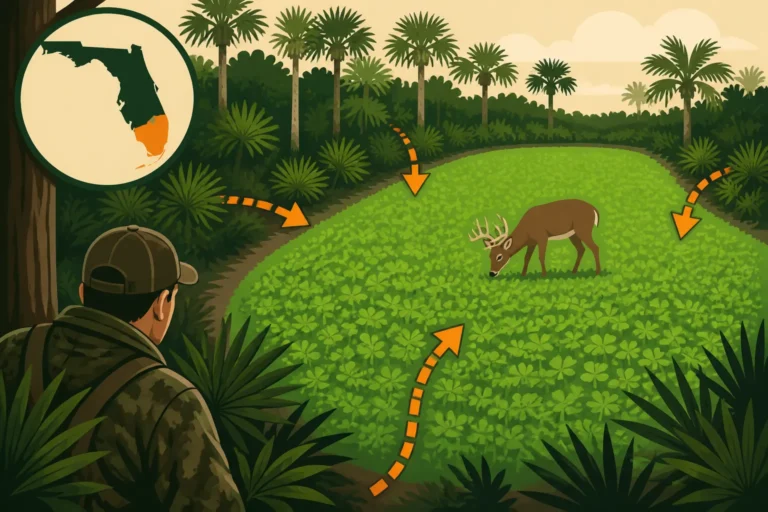
Florida's landscape is incredibly diverse, and many hunters tend to stick to the familiar: oak hammocks, food plot edges, or pine flatwoods. However, some of the most overlooked areas are the transition zones, thickets, and less "pretty" habitats that offer excellent cover. Think about those nasty, tangled swamps, dense saw palmetto thickets, or areas with recent timber cuts that are now thick with young pines and regenerating hardwoods. Deer will often bed in these impenetrable areas during the day, only venturing out into more open spaces at night. Learning to read the subtle changes in elevation, water features, and vegetation can reveal hidden gems. For instance, knowing how to interpret Hunting a Funnel Between Two Palmetto Heads or finding natural travel corridors along the edges of standing water can be incredibly effective. Sometimes, the key isn't finding the "best" habitat, but the "least hunted" habitat that still provides basic necessities for game.
Utilizing Non-Traditional Hunting Times
Most public land hunters hit the woods at dawn and leave by mid-morning, or venture out for a late afternoon sit. This creates predictable patterns of pressure. To counter this, consider hunting during midday, especially when the weather is cool or during the rut. While many hunters are heading back to camp for lunch, you might catch a buck cruising for does or a hog moving between bedding areas. Similarly, hunting during adverse weather conditions, like a light drizzle or immediately after a cold front, can significantly reduce hunter numbers. Game often moves more actively during or immediately after such events, and the reduced competition means your chances of an encounter increase dramatically. It's not always comfortable, but often the most challenging conditions yield the greatest rewards on pressured ground.
Leveraging Technology and Scouting to Beat the Crowds
In today's hunting world, ignoring technology is like bringing a flintlock to a modern rifle range – you're putting yourself at a significant disadvantage. Smart scouting, augmented by digital tools, is your secret weapon against hunting pressure.
Advanced Aerial Mapping and Property Line Navigation
Gone are the days of relying solely on paper maps, though they still have their place. Today, apps like GoHunt (and others like onX Hunt, BaseMap) are invaluable for thoroughly Scouting Florida Public Land Before Season. These tools allow you to pore over aerial photos, identifying potential bedding areas, travel corridors, water sources, and natural funnels from the comfort of your home. You can mark waypoints, measure distances, and even identify onX Layers for Florida Land Status, helping you distinguish public from private land boundaries with precision. Before you ever set foot in the woods, you can develop a solid game plan, focusing your boots-on-the-ground scouting efforts on the most promising areas. This pre-scouting minimizes wasted time and helps you locate those less-pressured pockets of habitat far from easy access points.
Understanding Game Movement and Hunter Traffic
The goal isn't just to find deer; it's to find deer that aren't being constantly harassed. This requires understanding how game responds to pressure. On heavily hunted land, deer become highly educated. They learn to move at night, to bed in the nastiest cover imaginable, and to react to human scent and sound from incredible distances. Trail cameras, strategically placed away from main trails and deep within potential sanctuaries, can reveal these nocturnal patterns. You'll often see mature bucks only moving between midnight and dawn. By Reading Aerial Photos for Florida Deer, you can identify isolated pockets of cover where deer might seek refuge during hunting hours. Furthermore, observing hunter sign – old stands, boot tracks, discarded trash – can tell you where not to hunt. Sometimes, success means actively avoiding areas with heavy hunter traffic and focusing on those spots that appear untouched.
| Strategy Component | Description | Benefits for Pressured Land |
|---|---|---|
| Deep Penetration | Walking 1+ miles from access points into thick cover. | Finds unpressured game, increases deer confidence, fewer hunter encounters. |
| Overlooked Habitats | Targeting swamps, clear-cuts, thick palmetto, or dense creek bottoms. | Game seeks refuge here; most hunters avoid difficult terrain. |
| Midday/Adverse Weather | Hunting between 10 AM – 3 PM or during light rain/cold fronts. | Fewer hunters in the woods; game often moves during these times when others are in camp. |
| Advanced Mapping Apps | Using GoHunt (or similar) for satellite imagery, topo maps, and property lines. | Efficient pre-scouting, identifies hidden access routes, avoids trespassing. |
| Trail Camera Deployment | Placing cameras deep in cover, monitoring nocturnal movement. | Confirms game presence, identifies travel patterns away from pressure, helps time hunts. |
| Wind and Thermals | Meticulous attention to wind direction and thermal currents, especially in flat terrain. | Prevents spooking wary game, crucial for close encounters. |
| Flexible Stand Placement | Using mobile stands (saddle hunting, lightweight climbers) to adapt to changing conditions and pressure. | Allows rapid adjustments to deer movement, minimizes setup time and disturbance. |
| Quiet Approach | Slow, deliberate movement; choosing silent footwear and clothing. | Reduces audible detection by wary game, crucial for successful stalks. |
Adaptable Hunting Methods and Gear
On public land, flexibility is king. You can't just set up a permanent blind and expect deer to wander by all season. Being mobile and adaptable allows you to react to changing game patterns and pressure. Consider lightweight, portable stand setups like saddle hunting gear or a nimble climbing stand, allowing you to quickly move and set up in new areas based on fresh sign or current conditions. Learning how to effectively deploy Using a Ground Blind on Florida Public Land by brushing it into the natural surroundings can also be effective in high-traffic areas, as it minimizes your silhouette. The goal is to minimize your impact and maximize your ability to quickly relocate. Every time you spook a deer, it becomes more educated, so a silent approach and a quick setup are paramount.
Maintaining Ethical Practices Amidst Competition
Hunting on public land comes with its own set of unwritten rules, and ethical behavior becomes even more critical when hunter numbers are high. Respecting fellow hunters and the resource ensures everyone has a positive experience and that public land hunting remains viable for future generations.
Respecting Space and Other Hunters
It’s easy to get frustrated when you show up to your spot and find someone else there. But remember, it’s public land. Everyone has a right to be there. The best approach is to have multiple backup plans and be ready to adapt. If you encounter another hunter heading into the same area, a friendly wave and a simple "Good luck!" goes a long way. Having a conversation can often help you figure out if you're both heading to the same tree or if there's enough space to avoid interfering. Avoid setting up too close to another hunter, even if you feel you were there "first." A good rule of thumb is to give at least a few hundred yards of space, and preferably more, especially when targeting mature animals. Spooking another hunter's deer hurts everyone. Remember the advice of veteran hunters who know how to avoid Finding Ground Others Walk Past by being courteous and proactive.
Responsible Game Recovery and Sign-Out Procedures
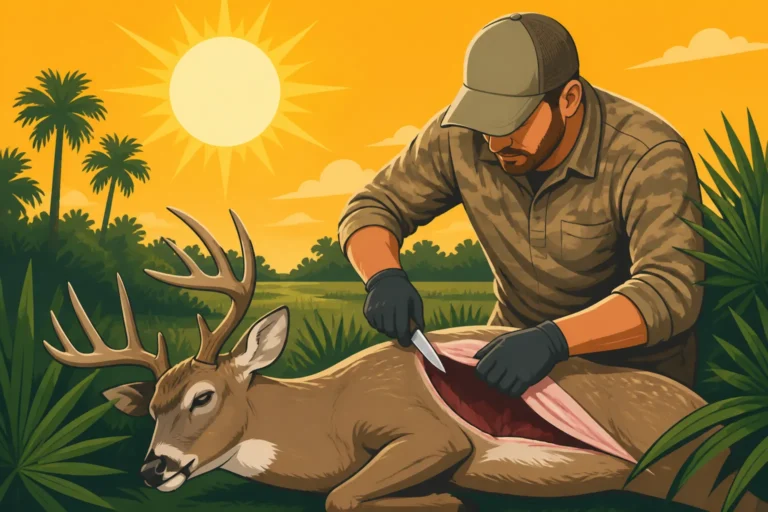
On public land, responsible game recovery is not just ethical; it's often a point of public observation. If you make a shot, your absolute priority is to track and recover that animal. This might mean blood trailing after dark in Florida, or having to deal with the complexities of a recovery from a cypress slough. If the recovery extends into the next day, make sure to mark the spot and return with ample help. Many WMAs also have specific check-in and check-out procedures, as well as game reporting requirements. Always adhere to these regulations. This data helps wildlife agencies like the FWC manage game populations and hunting pressure effectively. Neglecting these steps not only violates regulations but also undermines the integrity of public land hunting.
Leaving No Trace and Protecting the Resource
The adage "leave no trace" is paramount on public lands. This means packing out everything you pack in, including spent casings, food wrappers, and anything else. Avoid cutting live trees for shooting lanes on WMAs; if a tree is in your way, consider moving your stand. Be mindful of scent control not just for hunting, but also for leaving human scent on trails and bedding areas that could educate animals for other hunters. Properly disposing of gut piles away from trails and water sources is also a key ethical consideration. We all share this incredible resource, and it’s our collective responsibility to ensure it remains pristine and productive for wildlife and hunters alike. By minimizing our impact, we contribute to healthier wildlife populations and a more enjoyable experience for everyone who ventures into Florida's wild landscapes.
Disclaimer
The information provided in this article is for general guidance and informational purposes only. Hunting regulations, season dates, and specific WMA rules can change frequently. Always consult the latest Florida Fish and Wildlife Conservation Commission (FWC) regulations and individual WMA brochures before planning any hunting trip. It is the hunter's responsibility to know and follow all applicable laws.