Field Dressing a Deer in Hot Weather
Few things can deflate the excitement of a successful deer hunt faster than the realization you’ve dropped a buck on a scorching Florida afternoon. The clock starts ticking the moment that deer hits the ground, and in our relentless heat and humidity, every second counts when it comes to preserving that hard-earned venison. This guide is dedicated to helping you master the art of field dressing a deer quickly and effectively in hot weather, ensuring your meat makes it from the field to your table in prime condition.
The Urgency of Field Dressing in Florida's Heat
When you tag a deer in Florida, especially during the early seasons or warmer winter days, you're immediately battling nature's clock. Unlike colder climates where you might have hours, or even a full day, to process an animal, Florida's ambient temperatures and high humidity create a perfect storm for rapid meat spoilage. Understanding why this urgency exists is the first step to mitigating the risks and making sure your venison is delicious, not just edible.
The Science of Spoilage: Why Heat is the Enemy
At its core, meat spoilage is a race between you and microscopic organisms. Bacteria, naturally present on the deer's coat and in its gut, begin to multiply exponentially in warm, moist conditions. These bacteria produce toxins and enzymes that break down muscle tissue, leading to off-flavors, unpleasant odors, and ultimately, unsafe meat. The internal temperature of a deer can be around 100-102°F at the time of death, and without rapid cooling, it acts like an incubator.
Beyond bacterial action, enzymatic degradation also plays a role. Muscle fibers contain enzymes that, under normal conditions, contribute to the tenderization process known as rigor mortis. However, excessive heat accelerates and distorts this process, leading to what's often called "bone sour" – a souring of the deep-seated muscle tissue, especially in the hindquarters, that's incredibly difficult to salvage. Imagine spending all that time scouting, hunting, and successfully taking a deer, only for it to be ruined by a few hours of neglect. It’s a gut-wrenching experience that many Florida hunters have faced, and it’s entirely preventable with proper technique.
Unique Challenges of Florida's Environment
Florida presents specific challenges that amplify the need for speed. First, the ubiquitous humidity means sweat and moisture don't evaporate quickly, making strenuous tasks like dragging a deer even harder and slower. Second, insects are a constant nuisance. Flies, particularly blowflies, can lay eggs on exposed meat within minutes, leading to maggots within hours. This isn't just disgusting; it further contaminates the meat.
Third, many hunting areas, particularly Wildlife Management Areas (WMAs) or large tracts of private land, often mean a long haul from where the deer falls to your vehicle or a cooler. There's no quick drive down a gravel road to a processing shed for many of us. You might be deep in a palmetto flat, a cypress swamp, or miles from pavement. This makes the initial field dressing even more crucial. You need to prepare mentally and physically for the immediate action required, sometimes with limited supplies. Consider mapping out your routes for extraction using tools like the GoHunt app, which can help you identify the quickest way back to your truck and a waiting cooler.
Essential Gear for the Hot Weather Hunter
Being prepared is half the battle when it comes to field dressing in the heat. You can't just rely on a trusty hunting knife; you need a few critical items to make the job efficient, hygienic, and ultimately successful. Thinking ahead and packing a dedicated "game care kit" can make all the difference.
The Right Tools for the Job
Your knife is paramount. It needs to be razor-sharp to make quick, clean cuts. A dull knife makes the process dangerous, slow, and messy, increasing the risk of contaminating the meat. Many hunters opt for a fixed-blade knife with a gut hook, which can speed up the initial opening cut. However, a sharp drop-point or skinning knife works just as well. Consider bringing a second knife, or a sharpening steel, in case your primary blade dulls or gets lost.
Gloves are non-negotiable. Disposable nitrile or latex gloves not only maintain hygiene but also protect you from blood-borne pathogens. Bring several pairs; they tear easily on bone or brush. A small hand saw or bone saw can be invaluable if you plan to split the sternum or pelvic bone for better cooling, though many hunters opt to leave these intact for simplicity in the field.
| Item | Why It's Essential in Hot Weather | Notes |
|---|---|---|
| Sharp Knife(s) | Ensures quick, clean cuts, minimizes contamination, safer to use. | Bring a spare or sharpening tool. Fixed blade preferred. |
| Disposable Gloves | Protects hunter from pathogens, maintains hygiene of meat. | Pack multiple pairs; they tear easily. |
| Game Bags | Protects meat from flies, dirt, and debris during transport. Allows air circulation. | Crucial for keeping flies off. Synthetic mesh bags are reusable and breathable. |
| Cordage/Zip Ties | Securing legs for easier access, tying game bags, securing flaps. | Paracord or sturdy zip ties are versatile. |
| Cooler (Pre-chilled) | The ultimate solution for rapid cooling and transport. | Must be large enough for deer quarters. Fill with ice before leaving home. |
| Ice (Plenty of it!) | Active cooling agent. Fill cavity, surround quarters. | The more, the better. Consider block ice for longevity. |
| Water Bottles | For rinsing hands and knives, staying hydrated. | Bring extra. Essential for personal hygiene. |
| Flashlight/Headlamp | For unexpected late-day kills or tracking after dark. | Always carry one, even if you expect to be done before dusk. |
| Plastic Sheeting/Tarp | To keep meat off the ground, provide a clean workspace. | Can be used as a drag if the deer is too heavy. |
| Bug Spray | For your own comfort while working. | Don't forget bug spray – mosquitoes and gnats are relentless in Florida. |
Game Bags, Ice, and the Cooler Strategy
This is where many hot-weather hunts go wrong. You must have game bags. These breathable, protective bags cover the meat, preventing flies from laying eggs while allowing air to circulate and promote cooling. Don't skimp on these; investing in quality synthetic game bags that can be washed and reused is a smart move.
Your cooler strategy is equally vital. Forget bringing a small lunch cooler. You need a large, quality cooler like a YETI, RTIC, or Engel, capable of holding significant amounts of ice and ideally, the quartered deer. More importantly, this cooler should be pre-chilled with ice well before you ever leave for your hunt. You're trying to rapidly drop the temperature of a 100+°F animal, not cool down an already warm cooler. Pack it to the brim with ice, and if possible, use a mix of block ice (for longevity) and cubed ice (for filling nooks and crannies).
Remember, you might be out for Hunting Florida's Zone A August Opener or another early season, so the heat can be intense. Having a solid plan for rapidly cooling the deer the moment you get it field dressed and to your vehicle is not an option; it's a necessity.
Step-by-Step Field Dressing for Rapid Cooling
Speed and cleanliness are your mantras when field dressing in hot weather. Your goal is to remove the heat-generating internal organs as quickly as possible and expose the body cavity to air, or better yet, ice.
Preparing the Carcass for Gutting
Once you've located your deer and confirmed it's expired, move it to as clean and shaded a spot as you can find. A small tarp or plastic sheet can be invaluable here to keep the meat off the sandy, often buggy, Florida ground. Position the deer on its back, propping it up with rocks or logs if needed, to keep the abdominal cavity exposed. This makes it easier to work and keeps the entry points off the ground.
If you plan to quarter the deer in the field, now is the time to gather your tools and mentally prepare your cuts. If you're going to drag it out whole (which is less ideal in hot weather due to retained heat), then simply focus on the immediate gutting process. For personal hygiene and to protect the meat, put on your gloves. Having a partner can significantly speed up this process, with one holding legs or propping the deer while the other works the knife.
The Field Dressing Procedure
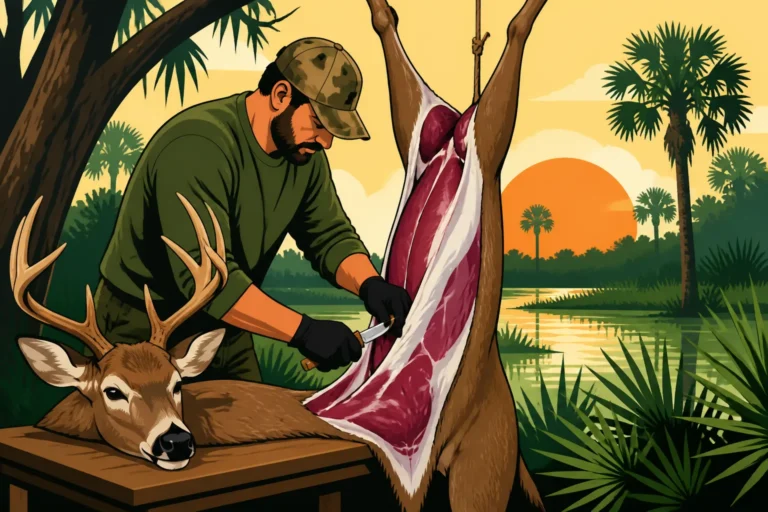
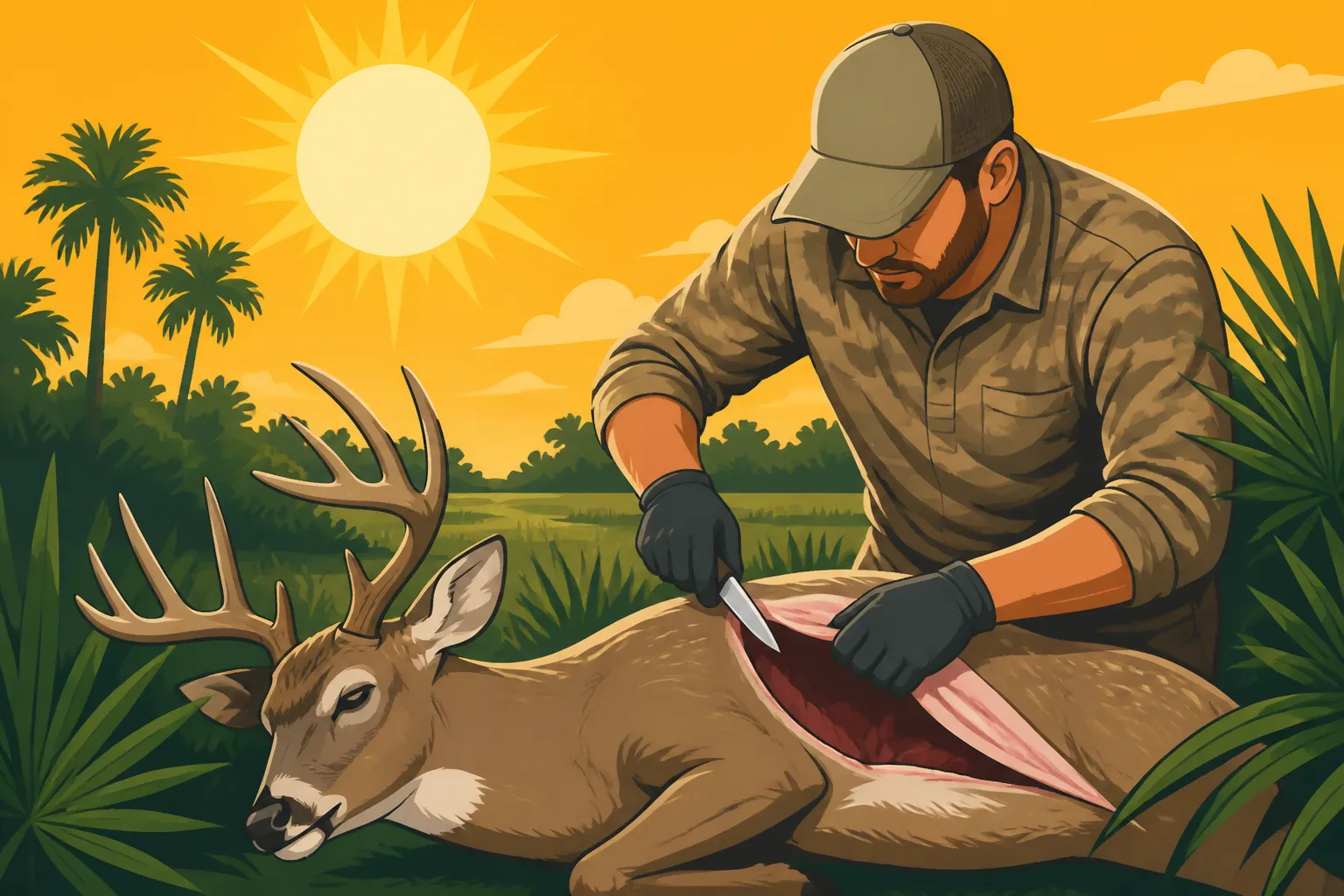
- Opening the Abdominal Cavity: Carefully make an incision from the breastbone (sternum) to the pelvic bone. The trick here is to use a shallow cut to just pierce the skin and muscle layer without puncturing the intestines. Many hunters use a gut hook on their knife for this, or they pinch up the skin and make a shallow cut, then insert two fingers into the opening to guide the blade upwards, keeping the blade edge pointing away from the organs. Be extra cautious around the sternum if you don't plan to split it; simply cut around it to the diaphragm.
- Severing the Esophagus and Trachea: Reach into the chest cavity as far as you can, towards the neck, and sever the esophagus and trachea (windpipe). This releases the major organs from the front. If you can, pull them back into the body cavity. This can be tricky, especially on larger deer, but it’s key to getting everything out cleanly.
- Detaching the Rectum and Bladder: Carefully cut around the rectum, freeing it from the pelvic area. Be very careful not to puncture the bladder, especially if it's full. If it ruptures, urine will contaminate the cavity, requiring extensive cleaning. Tie off the rectum with a piece of cordage or a zip tie to prevent fecal matter from escaping.
- Removing the Organs: With the esophagus/trachea severed at the front and the rectum/bladder detached at the back, begin to roll the deer onto its side. As you do, gravity will help the organs spill out. Use your knife to cut any remaining membranes or tissues holding the organs in place. Work quickly but deliberately to remove all internal organs, including the heart and liver, which you might want to keep.
- Cleaning the Cavity: Once all organs are removed, inspect the cavity for any fecal matter, blood clots, or stomach contents. Wipe it clean with paper towels or a clean cloth if you brought one. Do not use water from a pond or swamp to rinse the cavity in the field, as this can introduce bacteria and moisture, accelerating spoilage. If you must rinse, use clean, potable water you brought from home. In a truly hot situation, after wiping it as clean as possible, your best bet is to immediately pack the cavity with ice. This starts the cooling process from the inside out.
For those considering the gutless method, where you skin and quarter the deer without opening the abdomen, it’s a viable option, especially for Hunting Florida's Green Swamp or other remote areas where a drag is impossible. This method requires a very sharp knife and excellent butchering skills but keeps the internal cavity sealed, protecting it from insects and dirt, and allowing you to cool quarters quickly in game bags.
Post-Field Dressing: Cooling and Transport Strategies
Field dressing is only the first part of the battle. The real challenge in hot weather is getting that core body temperature down quickly and keeping it there during transport. This is where your pre-chilled cooler and ample ice become critical.
Rapid Cooling and Quartering in the Field
The moment the deer is field dressed, the goal shifts to cooling. If you’re able, the best option is to quarter the deer in the field. This drastically reduces the mass of meat you're dealing with, allowing for faster cooling. Break the deer down into its four primal quarters (front shoulders and hindquarters), remove the backstraps, and ideally, the tenderloins. Place each piece immediately into clean game bags.
Then, pack these game-bagged quarters into your pre-chilled cooler, surrounding them generously with ice. Don't be shy with the ice; you literally cannot have too much. The ice will draw heat from the meat. If you opted to keep the deer whole, you must fill the entire body cavity with ice. This internal ice pack is crucial for lowering the core temperature, especially in the thickest parts of the deer. Propping the cavity open with a stick can help air circulate and keep the ice from melting too quickly in direct contact with warm flesh. Even if you're just getting the deer out for Hunting Florida's Zone B Late Rut in December, the temperatures can still easily be in the 70s, making rapid cooling essential.
Transporting Your Harvest
Once the deer is in the cooler, get it out of the direct sun and into your vehicle as quickly as possible. Drive directly to your home, a hunting camp with proper facilities, or a butcher. Avoid unnecessary stops or leaving the cooler in a hot truck bed. If you have a long drive, periodically check the ice. If it's melting too fast, you might need to stop for more.
When transporting in your vehicle, ensure the cooler is secure. You don't want it sliding around, damaging the meat or potentially spilling bloody water. While rare in Florida, some areas are now designated as CWD Management Zones. If you're hunting in or near such an area, familiarize yourself with rules about Moving a Deer Carcass Out of a Surveillance Zone to avoid potential fines.
Once home, immediately transfer the meat to a cooler with fresh ice or get it into a refrigerator. For optimal flavor and tenderness, venison typically benefits from aging for a few days, but in hot weather, this needs to be done under strict refrigeration, ideally at 34-38°F. Simply hanging a whole deer in a garage in Florida, even for a few hours, is a recipe for disaster. If you can, take it to a local processor who has controlled cold storage facilities. They understand how to handle meat properly in our climate.
Further Considerations for a Successful Hunt
Beyond the immediate actions of field dressing and cooling, a few other factors can influence the outcome of your hot-weather hunt. Being mindful of these can save you a lot of headache and heartache.
Planning Ahead for Success
Before you even step foot in the woods, consider the day's forecast. If it’s going to be unusually hot, adjust your hunt plan. Maybe hunt closer to your vehicle, or target early morning hours when temperatures are cooler. Use a reliable weather app or a detailed hunting tool like GoHunt to check not just temperature, but humidity and projected wind, which can affect scent and comfort.
Think about your exit strategy. If you anticipate a long drag or carry, consider whether the gutless method might be more efficient, allowing you to carry quarters out rather than dragging a whole deer. Knowing your property boundaries and terrain is also vital for efficient game recovery. Finding Property Lines using mapping apps can save precious time if you need to quickly locate your deer or extract it without trespassing. The less time spent searching, the more time you have for proper meat care.
Post-Harvest Processing and Care
Even after the initial field dressing and cooling, the work isn't over. Once your deer is safely in cold storage, you'll need to decide on your next steps. Many hunters enjoy Butchering a Deer at Camp or at home, but this also needs to be done in a cool, clean environment. The goal is to get the meat into smaller, manageable cuts, remove any silverskin or damaged tissue, and vacuum seal or wrap it for the freezer.
If you plan on aging your venison, ensure it's in a cooler with melting ice, or in a dedicated refrigerator where temperatures can be strictly controlled. Remember, Aging Venison in Hot Weather is much riskier than in cold climates, and improper aging will lead to spoilage, not tenderness. For new hunters, or those without the facilities, taking your deer to a professional processor is often the safest and best option to ensure high-quality venison. They have the equipment and expertise to handle the meat correctly from start to finish.
Finally, don't forget your legal obligations. In Florida, you must Registering a Florida Deer Online or through the FWC app within 24 hours of harvest. This data is crucial for wildlife management and helps ensure healthy deer populations for future generations of hunters. Your commitment to proper field care extends to these important steps.
Disclaimer
The information provided in this guide is for general educational purposes only and is not a substitute for official FWC regulations. Always consult the most current Florida Fish and Wildlife Conservation Commission (FWC) hunting regulations before heading afield, as rules and seasons can change. Stay safe, hunt ethically, and prioritize meat care.