Florida Trapping License Cost
There's often a bit of a maze to navigate when you're looking into hunting and trapping in Florida, and one question that pops up a lot is about the specific costs and requirements for a Florida trapping license. Many folks assume it's a simple, one-size-fits-all deal, but the truth is, it can be a bit more nuanced depending on what you're trapping, where you're doing it, and even your residency status. This guide is here to untangle that web, breaking down exactly what you'll pay and what you need to know to stay legal and ethical in the field.
Understanding Florida's Trapping Landscape and Regulations
Florida's unique ecosystems mean a diverse array of wildlife, and with that comes a particular set of rules when it comes to trapping. It's not just about setting a snare or a foothold; it's about understanding the nuances that dictate whether you need a specific license, what kind of animal you can target, and during what season. For many seasoned hunters, the thought of adding "trapper" to their resume can be exciting, but the initial confusion around permits can be a real roadblock. Let's clear some of that up.
Who Needs a Trapping License in Florida
When you're thinking about trapping in Florida, the first thing to wrap your head around is who actually needs a license. Generally speaking, a Florida Trapping License is specifically required for individuals who intend to trap furbearing animals. These are species like bobcats, otters, raccoons, opossums, skunks, foxes, and beavers. If your goal is to harvest these animals for their pelts or for nuisance control outside of your own property, then yes, you're going to need that license. This isn't just a suggestion; it's a legal requirement to ensure sustainable wildlife management and to differentiate casual dabblers from those engaging in more focused trapping activities.
Now, there’s a distinct difference for professional nuisance wildlife trappers. If you're a commercial operator, someone who charges a fee to remove unwanted animals from someone else's property, you're looking at a different set of certifications and permits. The FWC has a specific Nuisance Wildlife Trapper (NWT) permit that requires training, an exam, and a separate fee structure. This is designed to ensure that those offering professional services understand the regulations, humane practices, and reporting requirements that come with handling wildlife for a fee. So, if you're just a weekend warrior looking to try your hand at harvesting a beaver for its pelt, you'll need the standard trapping license, not the NWT permit.
Finally, for landowners or occupants dealing with nuisance wildlife on their own property, the rules can be a bit more flexible. Often, you can remove non-protected nuisance animals like raccoons, opossums, or even coyotes without a specific license, provided you follow humane methods and specific guidelines set by the FWC. However, this exemption typically doesn't extend to protected furbearers or commercial operations. It's always best to check the most current regulations for your specific situation to avoid any unintentional legal troubles.
Distinguishing Trapping from Hunting
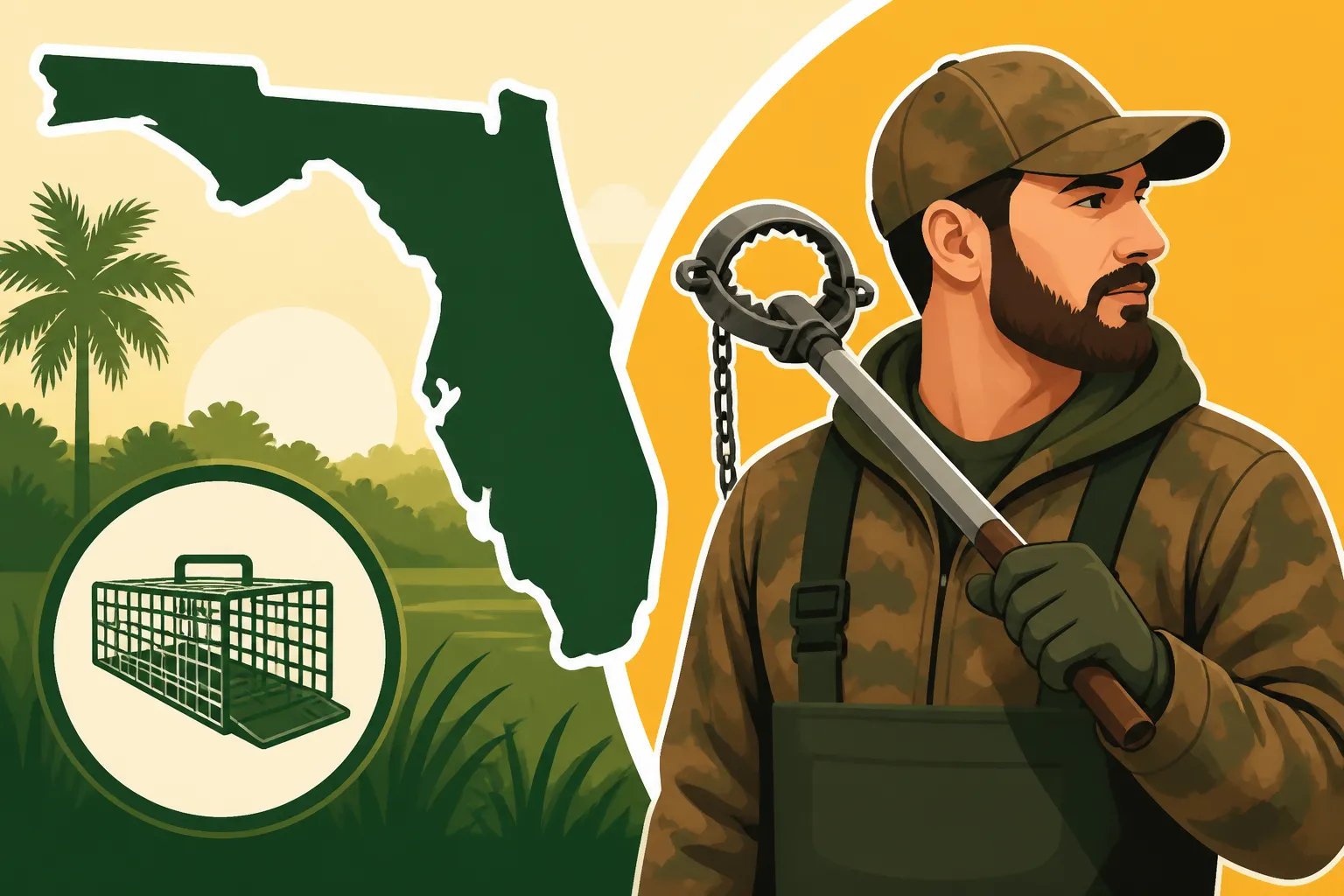
This is where a lot of the confusion often arises. Many folks wonder if a standard Florida hunting license covers trapping, especially for animals like coyotes that are both hunted and trapped. The simple answer is no; a Florida hunting license is distinct from a Florida Trapping License. While both involve taking game, the methods and regulations are different. Hunting typically involves pursuing game with firearms, archery equipment, or dogs, following specific seasons and bag limits. Trapping, on the other hand, involves using devices like foothold traps, snares, or live traps to capture animals.
Take coyotes, for example. While you can hunt coyotes year-round in Florida with a valid hunting license, if your intention is to trap them, you would generally need a Florida Trapping License, especially if you're targeting them during the designated furbearer trapping season. The distinction lies in the method of take. This also applies to other species that might be considered nuisance animals but are also furbearers. The FWC carefully regulates trapping seasons and methods to ensure the health of furbearer populations and to prevent accidental take of non-target species. This is why it’s so critical to understand which activity you’re engaging in before you head out.
Even for animals like feral hogs, which are often trapped for nuisance control, the rules are quite different. As we'll discuss later, in many scenarios, there's no license required for Hunting Hogs Without a Bag Limit on private land with landowner permission. This is because feral hogs are not considered game animals or furbearers under the same umbrella as deer, turkey, or bobcats, and are largely seen as an invasive species. So, while you might be setting a trap for a hog, the licensing framework is entirely separate from what's required for, say, a river otter. Always double-check the specific regulations for the animal you intend to pursue and the method you plan to use.
Specific Animals Covered by a Trapping License
The Florida Trapping License primarily covers furbearing animals, which are traditionally targeted for their pelts. These species have specific open seasons, often during the cooler months when their fur is prime. The common furbearers in Florida include bobcats, river otters, raccoons, opossums, gray foxes, red foxes, skunks, and beavers. Each of these animals plays a role in Florida's ecosystem, and their harvest is managed to ensure healthy populations. The FWC publishes detailed regulations annually outlining the open seasons, legal trapping methods, and any specific harvest limits for these species. For a deeper dive into specific species, you might want to look into Florida Muskrat and Otter Trapping Trends or Florida Beaver Population and Damage to understand the local dynamics.
It's important to remember that not all wildlife can be trapped, even with a trapping license. Protected species, such as endangered or threatened animals, are strictly off-limits, and accidental take must be reported immediately. Even for common species, there might be regional variations or specific management zones that affect trapping rules. For instance, while coyotes are considered furbearers and can be trapped, they are also an unprotected species that can be hunted year-round without a bag limit. The nuance here is crucial: the general trapping license is about the method of take for a specific group of animals, often during specific seasons.
This distinct category of furbearers is managed separately from game animals like deer and turkey, or even from nuisance animals like armadillos or rats, which fall under different control methods and regulations. If you're planning to engage in Trapping Florida Furbearers, understanding this list of target animals is your first step. It ensures you're not only compliant with the law but also focusing your efforts on the species intended for this specific license.
The Actual Cost of a Florida Trapping License
Alright, let's get down to brass tacks: what's this going to cost you? When it comes to licenses, Florida, like many states, distinguishes between residents and non-residents, and the price difference can be quite significant. These fees contribute directly to wildlife management, conservation efforts, and the enforcement of regulations, so while it's a cost, it's also an investment in the resources we all enjoy.
Resident Trapping License Fees
For those of us lucky enough to call Florida home, obtaining a Resident Trapping License is a relatively affordable endeavor. As of the most recent FWC regulations, a Florida Resident Trapping License typically costs $26.50 for an annual license. This fee allows you to legally trap designated furbearing animals within the specified seasons and regulations. It’s a straightforward purchase that grants you the privilege to participate in this unique outdoor activity. This cost is in line with many other specialized licenses and permits issued by the state for various outdoor pursuits.
It's worth noting that this single fee covers the general trapping of furbearers. You don't usually need additional state-specific tags for each furbearer species like you might for deer or turkey, though harvest reporting might still be required. This simplicity makes it easier for residents to participate without an overly complex system of add-on permits. When you're budgeting for your trapping season, this $26.50 is generally the main state license cost you'll factor in, alongside any gear, bait, or travel expenses. Remember, this license typically runs for a full year from the date of purchase, allowing ample opportunity to engage in the furbearer seasons. You can find more details on general resident license options if you are also considering hunting or fishing, by checking out Florida Resident License Options.
Non-Resident Trapping License Fees
Now, if you're visiting Florida from another state with the intent to trap, the cost jumps up considerably, as is standard practice across many state wildlife agencies. For non-residents, an annual Florida Trapping License typically costs $251.50. This higher fee reflects the non-resident's contribution to Florida's conservation efforts, as they haven't been contributing through state taxes in the same way residents have. It's an investment, but for many out-of-state trappers looking to experience Florida's unique furbearer opportunities, it's a worthwhile one.
This non-resident fee often sparks a bit of sticker shock, especially if you're used to different fee structures in your home state. However, it's a common approach to balance access for visitors with the financial needs of managing local wildlife populations. Just like resident licenses, this annual permit covers the general trapping of furbearers. There generally aren't extra state tags needed per animal for furbearers, simplifying the process once the main license is secured. If you're planning a trip, be sure to account for this significant cost in your budget, along with travel, accommodation, and equipment. For a broader understanding of what other permits and licenses might cost for non-residents, especially if you're combining activities, consider reviewing Florida Nonresident License Options.
Here's a quick summary of the main trapping license costs:
| License Type | Cost (Approximate Annual) | Covered Species (General) | Notes |
|---|---|---|---|
| Florida Resident Trapping License | $26.50 | Bobcats, Otters, Raccoons, Foxes, Beavers, etc. | Required for furbearer trapping. |
| Florida Non-Resident Trapping License | $251.50 | Bobcats, Otters, Raccoons, Foxes, Beavers, etc. | Higher fee for out-of-state trappers. |
| Nuisance Wildlife Trapper (NWT) Permit | Varies (Application, Exam, Permit Fee) | Various nuisance species (commercial) | For professionals charging a fee; different requirements. |
| Florida Alligator Trapping License | Varies (Part of permit lottery) | Alligators | Specific to alligator harvest; separate application/cost. |
| Feral Hog Trapping | Often no license required | Feral Hogs | On private land with permission; special rules apply. |
Other Potential Costs and Permits
While the general Florida Trapping License covers most furbearers, there can be other permits or costs you might encounter, depending on your specific activities. For example, if you plan to trap on Wildlife Management Areas (WMAs), you'll often need a separate WMA permit in addition to your trapping license. These WMA permits help manage access and user fees for public lands and are crucial for hunting or trapping on those specific tracts. Always check the regulations for the particular WMA you intend to visit, as rules and required permits can vary significantly from one WMA to another.
Beyond state-level licenses, there are federal considerations, particularly if you're involved in the commercial trade of pelts. While not directly a "trapping license" cost, the sale of certain furbearers, like bobcats and otters, requires a federal CITES tag for export outside the U.S. These tags are typically issued by the FWC upon harvest reporting and are essential for legal commerce. If you're only trapping for personal use, this might not apply, but commercial trappers need to be acutely aware of these requirements to ensure their pelts are legally marketable.
Lastly, don't forget the cost of your actual trapping equipment. While not a license fee, a good set of durable, effective traps, lures, bait, and safety gear is a significant investment. From foothold traps to body-gripping traps, snares, and live traps, each type has its own cost and application. Factor in the time and expense of scouting, setting, and checking your traps, too. Trapping is a commitment of both time and resources, and the license fee is just one piece of that puzzle.
How to Purchase Your Florida Trapping License
Getting your Florida trapping license is thankfully a fairly straightforward process, designed to be accessible to both residents and non-residents. The Florida Fish and Wildlife Conservation Commission (FWC) has streamlined the purchasing options, so you won't have to jump through too many hoops. Whether you're a tech-savvy individual or prefer a more traditional approach, you've got choices.
Online Purchase Process
For most people, the easiest and quickest way to purchase a Florida Trapping License is online through the FWC website. This method allows you to buy your license from the comfort of your home, anytime, day or night. The FWC's licensing portal is user-friendly and guides you through the process step-by-step. You'll typically need to provide your basic personal information, including your name, address, date of birth, and driver's license number (or state ID for non-drivers). If you're a non-resident, your state's equivalent ID will work.
Once you've entered your details and selected the "Trapping License" option (and any other licenses or permits you might need, like a WMA permit), you'll proceed to a secure payment portal. Major credit cards are usually accepted. After successful payment, you'll receive a confirmation, and often, you can immediately print a temporary license. A physical license card will usually be mailed to you within a few weeks. It's a remarkably efficient system, ensuring you can get legal and get out into the field without unnecessary delays. This online portal also serves as the go-to place for other purchases like your Florida Migratory Bird Stamp Cost or even your general hunting and fishing licenses.
In-Person and Phone Options
While online purchasing is popular, not everyone prefers it, or perhaps you just have a quick question you want to ask a real person. The FWC understands this and offers traditional purchasing methods as well. You can buy your Florida Trapping License in person at numerous locations across the state. These typically include authorized license agents, which can be found at many sporting goods stores, bait and tackle shops, and even some county tax collectors' offices. These agents are equipped to process your application, take payment, and often provide you with an immediate physical license or a temporary printout. It’s a great option if you need your license right away or prefer face-to-face interaction.
Alternatively, you can also purchase your license over the phone. The FWC operates a dedicated licensing phone line where agents can assist you with your purchase. This is particularly useful if you have specific questions about different license types or need guidance on which permits are right for your planned activities. Just like online purchases, you'll need to provide your personal information and credit card details over the phone. This flexibility ensures that no matter your preference or connectivity, you can easily obtain the necessary permits to legally trap in Florida.
Maintaining Compliance and Record Keeping
Getting your license is just the first step; maintaining compliance is crucial. The FWC requires that all trappers adhere to specific regulations, including having your license readily available while trapping. This means carrying a physical copy or having your license number accessible on your phone through the FWC Fish/Hunt Florida app. Game wardens frequently check for proper licensing, and not having it on hand can result in fines or other penalties. Think of it as your driver's license – you wouldn't drive without it.
Beyond simply carrying your license, many trapping activities involve harvest reporting. For furbearers, this often means checking in with the FWC regarding the number and species of animals taken, especially bobcats and otters that require CITES tags. Accurate record keeping helps the FWC monitor population trends and ensures sustainable management practices. This data is vital for setting future seasons and quotas, so your participation in reporting contributes directly to the long-term health of Florida's furbearer populations. Familiarize yourself with all reporting requirements for the species you intend to trap; it’s a critical part of being a responsible and legal trapper in the Sunshine State.
Navigating Common Trapping Scenarios in Florida
Florida's diverse landscape and unique wildlife populations lead to several specific scenarios that trappers often encounter. Understanding these particular situations can save you a lot of headache and ensure you're always operating within the legal framework, whether you're targeting a common nuisance or a prized furbearer.
Trapping Feral Hogs Without a License
This is perhaps one of the most frequently asked questions: "Do I need a license to trap hogs in Florida?" The answer, in many common situations, is a resounding no, but there are important caveats. Feral hogs are considered a non-native, invasive species in Florida, and the FWC actively encourages their removal due to the extensive damage they cause to agriculture, natural habitats, and even private property. Because of this, the rules for hogs are far more relaxed than for game animals or furbearers.
On private land, if you have the landowner's permission, you can trap feral hogs year-round, day or night, with no bag limit, and no hunting or trapping license is required. This is a huge benefit for landowners struggling with hog damage and for individuals looking for abundant trapping opportunities. Many people use large box traps or snares (where legal) to manage hog populations on agricultural fields, timberland, or even large residential properties. This freedom makes Trapping Feral Hogs on Florida Private Land a very popular activity.
However, if you plan to trap hogs on public lands, such as Wildlife Management Areas (WMAs) or state forests, the rules change considerably. While some WMAs may allow hog trapping, it's typically under very specific regulations, often requiring a valid hunting license and a WMA permit, and sometimes adherence to specific trap types or seasons. Always, and I mean always, check the specific WMA regulations before attempting to trap hogs on public land, as they can vary greatly from one area to another. Don't assume the private land rules apply.
Nuisance Wildlife Trapping Exemptions
Another area of frequent confusion is nuisance wildlife. What if a raccoon is raiding your trash, or an opossum has taken up residence under your shed? Do you need a trapping license then? Generally, for a homeowner dealing with non-protected nuisance wildlife on their own property, a formal state trapping license is often not required. You're typically allowed to remove or dispatch these animals yourself, provided you use humane methods and follow FWC guidelines, which may include rules about relocation (often prohibited) or euthanasia.
This exemption is specifically for the homeowner or occupant addressing a problem on their property. It does not extend to someone who traps nuisance wildlife for commercial purposes, meaning they charge others for the service. As mentioned earlier, that requires a separate Nuisance Wildlife Trapper (NWT) permit, which entails specific training, licensing, and reporting. So, if your neighbor asks you to remove a pesky skunk for a fee, you would need the NWT permit, not just the general furbearer trapping license. Always consult the FWC's nuisance wildlife guidelines on their website to ensure you're acting legally and ethically in these situations.
Trapping on Private Land Versus Public Land
The distinction between trapping on private land versus public land is absolutely critical in Florida, influencing everything from required licenses to permissible methods and even the species you can pursue. On private land, with the explicit permission of the landowner, you generally have the most flexibility. For furbearers, you'll still need your Florida Trapping License during the open season. For hogs, as we've covered, no license is needed with landowner permission. The key here is permission – always get it in writing if possible, to avoid any issues regarding Florida Trespass and Permission Law. Landowners might also have specific requirements or preferences for the types of traps you use or where you place them.
Public lands, which include Wildlife Management Areas (WMAs), National Forests, and State Forests, operate under much stricter and more detailed regulations. While a general Florida Trapping License allows you to trap furbearers on some public lands during their open seasons, you will almost certainly need additional permits, such as a WMA permit. Furthermore, public lands often have specific rules regarding:
- Trap types: Certain trap types might be restricted or prohibited.
- Trap placement: You might not be able to set traps too close to trails, roads, or recreational areas.
- Checking traps: Specific timeframes for checking traps are often enforced to ensure animal welfare.
- Access: Vehicle access, camping, and other activities on public lands might have their own rules.
Before setting foot on any public land with traps, you must meticulously review the specific area regulations, often found in the FWC's WMA brochures or on their website. Failing to do so can result in serious penalties. It's not uncommon for different WMAs to have vastly different rules for the same activity, so never assume. Always verify the rules for the exact piece of public land you plan to trap.
Disclaimer
The information provided in this guide is for general informational purposes only and is subject to change. While we strive to offer accurate and up-to-date details, Florida's hunting and trapping regulations are set by the Florida Fish and Wildlife Conservation Commission (FWC) and can be modified at any time. It is the responsibility of every individual to consult the most current FWC regulations and statutes before engaging in any hunting or trapping activities. Neither the author nor the publisher assumes any liability for any decisions made based on this information. Always hunt and trap safely, ethically, and legally.