Florida Muskrat and Otter Trapping Trends
For many seasoned outdoors enthusiasts in Florida, the whisper of wetlands and the rustle of reeds bring to mind more than just game birds or deer. It evokes the quieter, often more challenging, pursuit of furbearers. While it might not grab the headlines like a trophy buck or a gobbling Osceola, understanding the nuances of muskrat and otter trapping, and the trends shaping these activities, is crucial for anyone looking to engage in this traditional skill. It's a world away from a typical hunt, demanding patience, knowledge of aquatic environments, and a deep respect for wildlife. This guide will delve into the current landscape of muskrat and otter trapping in the Sunshine State, offering insights into regulations, techniques, and the health of these vital furbearer populations.
Florida's Furbearer Management and Trapping Philosophy
Florida's approach to furbearer management is rooted in balance – allowing sustainable harvest while ensuring healthy, thriving populations for future generations. Trapping here isn't just about collecting pelts; it's often a tool for wildlife management, helping to manage populations and prevent conflicts, particularly with species like nuisance beavers or, in some cases, even prolific coyotes. It's a different rhythm than deer season, more focused on ecological understanding and careful observation of tracks and signs along watercourses.
The Importance of Conservation in Trapping
When we talk about furbearer trapping in Florida, conservation isn't an afterthought; it's the very foundation. State wildlife agencies meticulously monitor species like muskrats and otters, using population surveys, habitat assessments, and harvest data to make informed decisions about seasons and regulations. The goal is always to prevent overharvest, ensuring that trapping remains a sustainable activity that doesn't negatively impact the overall health or genetic diversity of these animals. Trappers themselves are often some of the most ardent conservationists, spending countless hours observing and understanding the delicate ecosystems their quarry inhabits. They see firsthand the ebb and flow of animal populations and often contribute valuable data back to wildlife managers.
How Wildlife Agencies Monitor Furbearer Populations
The Florida Fish and Wildlife Conservation Commission (FWC) uses a multi-faceted approach to keep tabs on furbearer populations. This isn't just counting animals; it's a scientific endeavor. They look at habitat quality, breeding success, disease prevalence, and even environmental factors like water levels and food availability, which can dramatically affect populations in Florida's dynamic wetlands. This comprehensive monitoring helps ensure that any trapping season is set with the health of the species in mind. For anyone interested in contributing to this knowledge, or simply understanding the data that informs regulations, resources like the FWC's website or even community platforms like those found on GoHunt can be invaluable for staying informed about furbearer population trends.
Muskrat Trapping Trends in Florida's Wetlands
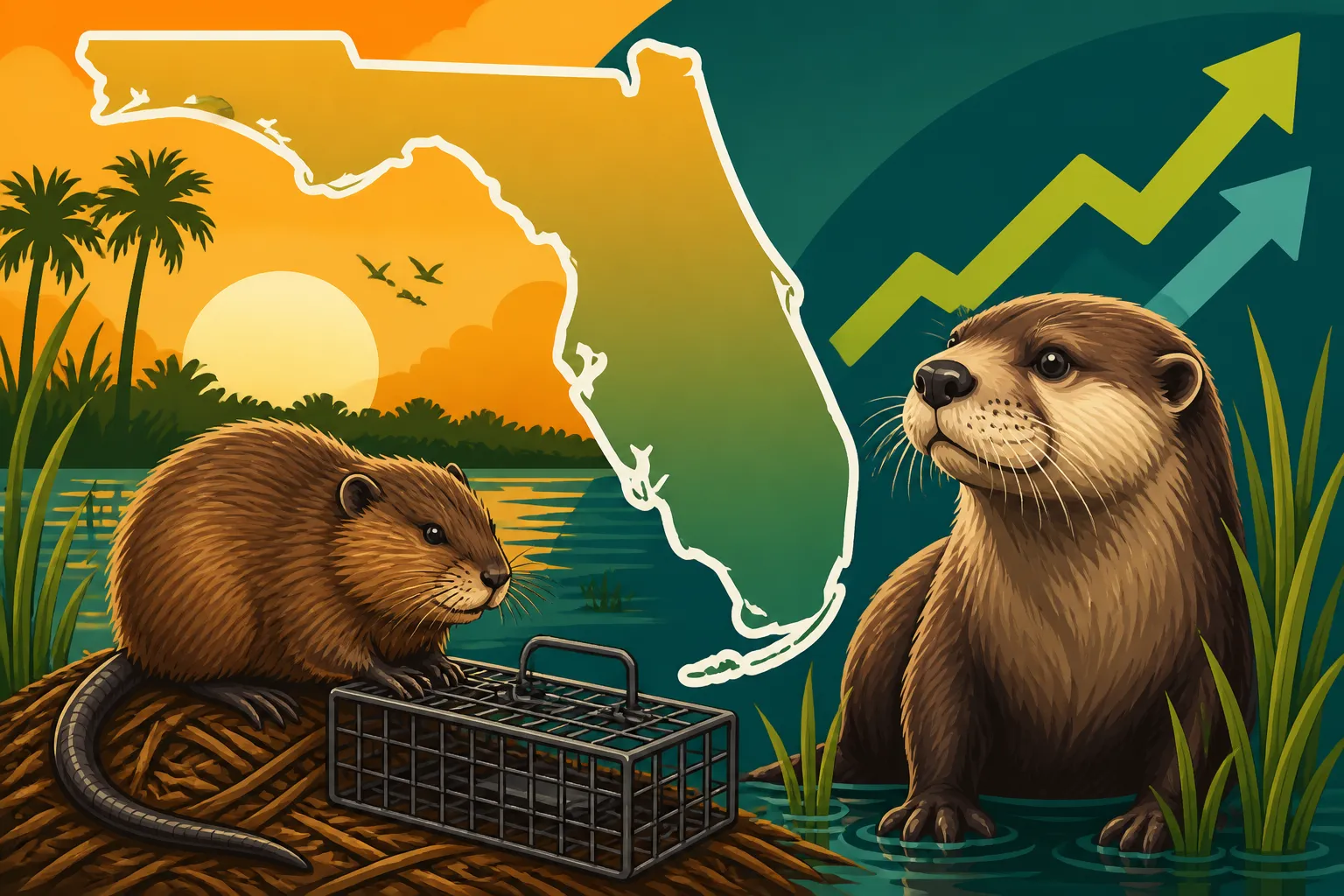
Muskrats in Florida might not be as widespread or numerous as in some northern states, but they are certainly present in suitable habitats. Their populations tend to be localized and robust where conditions are favorable, particularly in nutrient-rich freshwater marshes and slow-moving streams. Trapping trends often reflect these localized population densities and the specific microhabitats that muskrats prefer.
Where Muskrats Are Typically Found
In Florida, muskrats are typically found in the northern parts of the state, particularly in areas with abundant aquatic vegetation, like emergent grasses, cattails, and sedges. They favor shallow, calm waters with muddy bottoms, often along the edges of lakes, ponds, slow-moving rivers, and drainage ditches. Think of the freshwater marshes of the Panhandle or the northern sections of the peninsula. Their presence is often indicated by "push-ups" – small mounds of vegetation they construct for feeding platforms or shelter – or by their distinctive feeding sign on aquatic plants. Understanding these habitat preferences is the first step in successful muskrat trapping, and a good map, perhaps a digital one from GoHunt, can highlight potential water bodies.
Common Trapping Methods for Muskrats
Muskrat trapping typically involves relatively small, body-grip traps or foothold traps set in or near the water. These animals are often caught incidentally by trappers targeting other furbearers, but dedicated muskrat lines focus on their feeding runs, den entrances, or travel lanes along the water's edge.
Common Muskrat Trap Sets:
| Set Type | Description | Location | Best For |
|---|---|---|---|
| Runway Set | Trap placed directly in a muskrat travel route, often in shallow water. | Narrow channels, submerged logs, under overhanging banks. | Intercepting muskrats on routine travel. |
| Feed Bed Set | Trap placed near a feeding platform or mound of vegetation. | Near muskrat "push-ups" or areas with clipped vegetation. | Targeting muskrats actively feeding. |
| Pocket Set | Artificial or natural pocket in a bank, baited with roots or apple. | Along banks of ponds, ditches, or slow streams. | Luring curious muskrats into a confined space. |
| Blind Set | Trap placed without bait in a natural choke point or active runway. | Narrow passages, culverts, openings in dense vegetation. | Utilizing natural muskrat movement. |
The trend in muskrat trapping often hinges on water levels. During periods of high water, muskrats might be more dispersed, making them harder to concentrate. Conversely, low water can funnel them into smaller, more predictable areas. Keeping an eye on rainfall and local water conditions is a key part of staying ahead of the trends.
River Otter Trapping Trends Across the State
River otters are far more widespread and abundant across Florida than muskrats, found in virtually every county where there are suitable freshwater habitats. Their playful nature and sleek appearance make them fascinating creatures, but they are also a valuable furbearer. Trapping trends for otters tend to be more consistent year-to-year, reflecting their robust population and adaptable nature, though localized factors can always play a role.
River Otter Habitat and Movement Patterns
Florida's river otters are aquatic masters, equally at home in cypress swamps, slow-moving rivers, canals, ponds, and even brackish coastal marshes. They are highly mobile, often traveling significant distances between water bodies, especially during the breeding season or when food sources shift. You'll find their sign – scat, slides, and tracks – along muddy banks, sandy shorelines, and beneath bridges. Otters use den sites in hollow logs, abandoned beaver lodges, or burrows dug into banks. Knowing these patterns, and perhaps using advanced mapping tools like those offered by GoHunt to scout remote areas, is crucial for understanding where to focus your efforts. Reading Aerial Photos for Florida Deer can offer similar insights into interpreting terrain for furbearers.
Effective Techniques for Otter Trapping
Otter trapping often requires more robust equipment and a deeper understanding of their travel patterns than muskrat trapping. Body-grip traps are commonly used, particularly in submerged runways or at crossover points between water bodies. Snares, placed carefully in legal situations, can also be effective. The key with otters is often location, location, location. Finding active sign, especially fresh slides where they enter or exit the water, is paramount.
One common and highly effective method is the "slide set," where a trap is placed directly in an otter slide on a bank. Another is a "channel set" in a narrow waterway, often using a submerged trap that catches the otter as it swims through a natural pinch point. Unlike some furbearers, otters are quite curious, and subtle lures or visible attractants can sometimes be used, though a well-placed blind set in an active travel route is often the most consistent producer. Learning how to properly identify and interpret these signs can dramatically increase your success, much like learning Reading Florida Mud for Fresh Deer Movement.
Navigating Florida's Trapping Regulations and Ethics
Trapping in Florida, like all hunting, is governed by strict regulations designed to ensure humane practices and sustainable populations. It's not a free-for-all, and understanding the rules is non-negotiable. Ethical trapping goes beyond just following the law; it involves a deep respect for the animals, swift and humane dispatch, and a commitment to minimizing non-target catches.
Understanding Licensing and Season Dates
Before you even think about setting a trap, you need to be properly licensed. Florida requires a specific trapping license for furbearers, separate from a general hunting license. You'll also need to be acutely aware of the specific season dates for muskrats and otters, which can vary. These seasons are carefully set by the FWC based on population data and management objectives. The regulations will also detail legal trap types, checking requirements (how often you must check your traps), and specific restrictions on where you can trap, such as certain public lands. Always check the current Florida hunting and trapping regulations before heading afield; this information is often available on the FWC website or through trusted outdoor resources like GoHunt. For a broader overview of requirements, you might consult Florida Trapping License Requirements or Florida Fox and Bobcat Trapping Season.
Responsible Trapping Practices and Equipment
Responsible trapping is about more than just legal compliance; it’s about ethical conduct. This includes:
- Humane Traps and Techniques: Using traps designed to hold animals humanely and dispatching them quickly and ethically.
- Minimizing Non-Target Catches: Setting traps in a way that reduces the chance of catching unintended species, especially pets or protected wildlife. This often means careful placement and using species-specific sets.
- Trap Check Regulations: Adhering strictly to the required trap check intervals. In Florida, this typically means checking traps at least once every 24 hours, but always confirm the current rules. This ensures any trapped animal is not left for an extended period.
- Proper Knowledge: Educating yourself thoroughly on the behavior of the animals you're pursuing, local regulations, and best practices. Often, formal trapper education courses are available and highly recommended.
- Respect for Private Property: If trapping on private land, ensure you have explicit, written permission. Florida has clear Florida Trespass and Permission Law provisions.
Understanding these details is critical for any trapper. The pursuit of furbearers in Florida is a time-honored tradition that contributes to wildlife management and offers a unique connection to the wild heart of the state. By staying informed about trends, adhering to regulations, and practicing ethical trapping, you can be a part of this rich heritage. You might also want to explore topics like Florida Wildlife Management Areas if you are considering public land options, but remember that specific WMA rules often apply to trapping.
Disclaimer
This article is for general informational purposes only and does not constitute professional advice. Laws, prices and regulations vary by location and change over time. Consult a qualified professional for guidance on your specific situation.